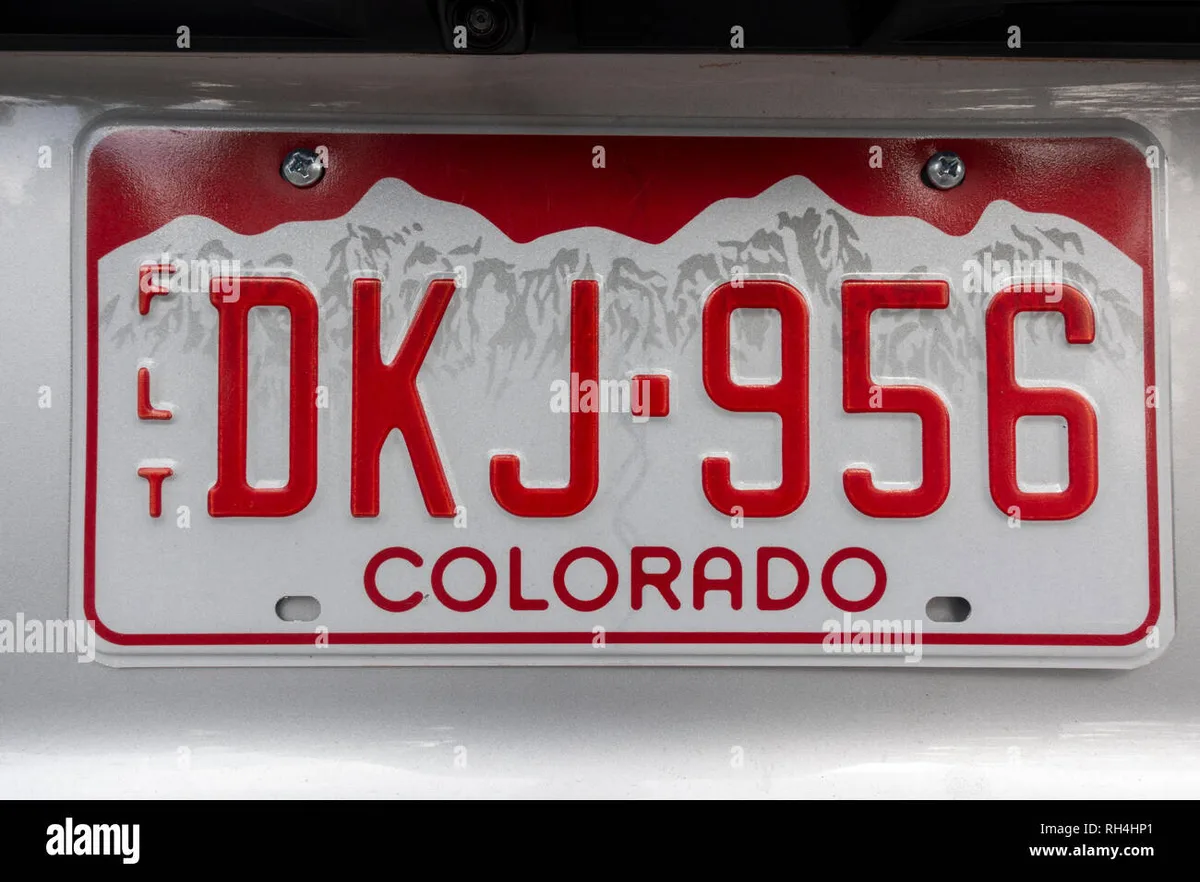
You just moved to Colorado. Your car still has plates from your old state, and you are probably wondering how long you can drive like that without getting a ticket. That is where the Colorado 90 day grace period for new residents to register vehicles comes in.
It is the legal window you get to transfer your registration after you establish residency. Miss it, and you are looking at late fees and potential fines.
As of 2026, Colorado Revised Statute 42-3-108 sets the deadline at 90 days from the date you become a resident. That countdown starts sooner than most people think. Let us walk through exactly what the 90-day grace period means, how to avoid penalties, and the paperwork you will need ready.
Quick Answer
You have 90 calendar days after establishing Colorado residency to register your vehicle. The clock starts the day you sign a lease, buy a home, start a job, or enroll kids in school. Register on day 91 and you owe a $25 per month late penalty plus interest on ownership tax.
Why Getting This 90-Day Rule Right Actually Matters
Colorado does not mess around with vehicle registration deadlines. If you drive on out-of-state plates past the 90-day mark, you risk a class B traffic infraction. That means a fine, points on your driving record, and a hassle you do not need.
The rule exists to make sure every vehicle on Colorado roads is properly titled and taxed. The state uses registration fees and ownership tax to fund road maintenance and public safety. When you skip the deadline, you are essentially dodging those costs.
The state notices.
Getting it right from the start saves you money, time, and a potential headache with law enforcement. Once you are properly registered, you can renew online every year without stepping into a DMV office.
Core Facts: Colorado's New Resident Registration Law Explained Simply
The law lives under Colorado Revised Statute 42-3-108. It says any new resident must apply for a Colorado certificate of title and registration within 90 days of establishing residency. Here is what that means in plain English.
Residency is not optional. You cannot just keep your old plates and claim you are visiting. If you are living in Colorado for work, school, or retirement, you are a resident.
The application must be complete. You need the right forms, a valid out-of-state title, proof of residency, and an emissions test if you live in a Front Range county.
Late penalties are automatic. The DMV computer calculates fees from the deadline date. There is no warning letter.
The penalty shows up when you finally register.
| What triggers the 90-day clock | Evidence the DMV accepts |
|---|---|
| Signing a lease or buying a home | Lease agreement or closing statement |
| Getting a Colorado driver's license | License issue date |
| Enrolling children in school | School enrollment records |
| Starting a job in Colorado | Employment start date |
| Registering to vote in Colorado | Voter registration date |
The law applies to all vehicles you own, including cars, trucks, motorcycles, RVs, and trailers. Each vehicle needs its own registration within the 90-day window.
What Counts as "New Resident"? The Triggers That Start Your 90 Days
The DMV considers you a resident the moment you take any action showing you intend to stay in Colorado. It does not have to be a formal declaration.
Signing a lease or buying a home starts the clock on the date of the lease or closing. Getting a Colorado driver's license is a big one. Many people get their license first because it is required for registration, though you can register without one in some cases.
Starting a job in Colorado counts from your first day of work. Enrolling your kids in a Colorado school is a clear signal. Registering to vote in Colorado is public record and easy for the DMV to check.
If you are a snowbird who spends winters in Colorado but maintains a home in another state, you might not be a resident. But if you spend more than 183 days here in a calendar year, the state presumes you are a resident. That is the substantial presence test.
The best practice is to start the registration process within 60 days of moving. That gives you a buffer in case the DMV is backed up or you need extra documents.
The Exact Documents You Need to Register Your Vehicle in Colorado
You cannot just walk into the county clerk's office with your old plates and a smile. You need a specific set of documents. Missing one means a return trip.
Here is the checklist:
- Out-of-state certificate of title. If your vehicle is financed, the lienholder holds the title. You need a lien release or a letter from the lender allowing transfer.
- Current registration from your previous state. This proves the vehicle was legally registered elsewhere.
- Odometer disclosure statement. Required for vehicles less than 10 years old. The form is DR 2697.
- Proof of Colorado residency. Two documents showing your name and Colorado address, such as a utility bill, lease agreement, bank statement, or voter registration card.
- Emissions test report if applicable. For counties in the Front Range emissions zone including Denver, Adams, Arapahoe, Boulder, Broomfield, Douglas, Jefferson, and parts of Larimer and Weld.
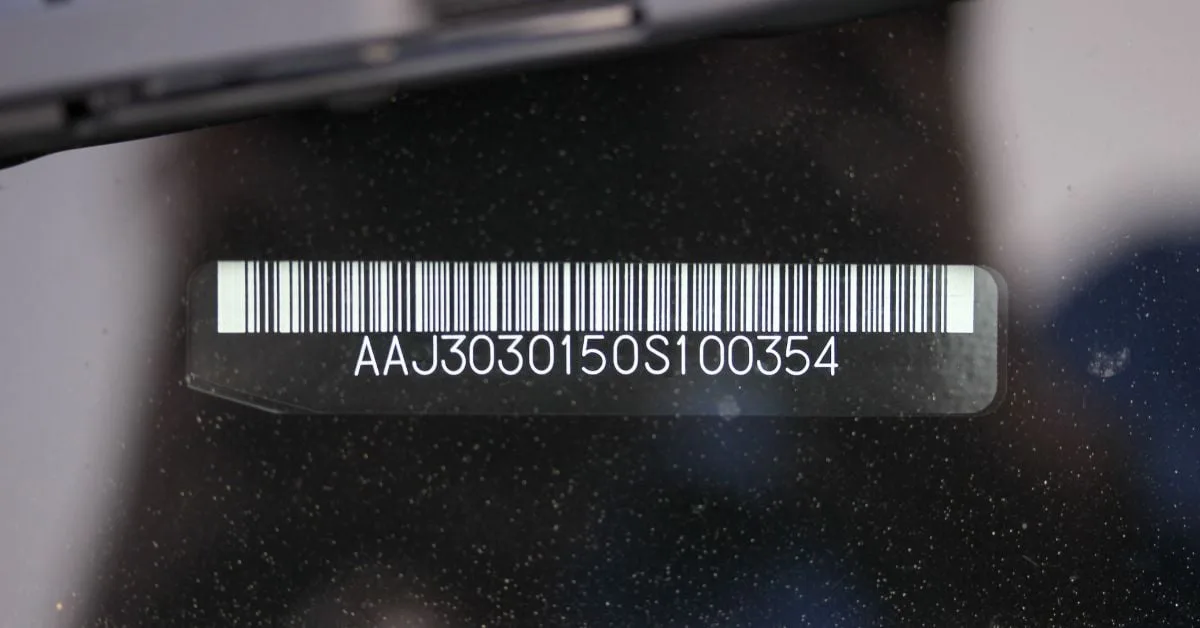
- VIN verification. A certified VIN inspection completed by a licensed Colorado dealer, law enforcement officer, or the county clerk.
- Completed application form DR 2523. This is the official application for certificate of title and registration.
| Document | Where to get it |
|---|---|
| Out-of-state title | Previous state DMV or lienholder |
| Odometer statement | DR 2697 from Colorado DMV website |
| VIN inspection | County clerk, authorized inspection station, or law enforcement |
| Emissions test | Air Care Colorado testing stations (Front Range only) |
| Proof of residency | Utility company, bank, or lease office |
Keep copies of everything. The original title and inspection form are returned to you after processing. But if something gets lost, you will need backups.
You do not need a Colorado driver's license to register your vehicle. You can do the process separately. But getting your license first often makes the registration smoother because the DMV already has your residency on file.
Step-by-Step: How to Register Within the Grace Period
Registering your vehicle in Colorado does not have to be a frantic last-minute scramble. Break it into weekly tasks and you can finish well before the 90-day mark.
Week 1: Gather your documents. Pull together your out-of-state title, current registration, and proof of residency. If your car is financed, contact the lienholder and ask for a letter allowing title transfer. Print form DR 2523 from the Colorado DMV website.
Get an odometer disclosure form DR 2697 too.
Week 2: Complete the VIN inspection. Get this done at your county clerk's office, a licensed Colorado dealer, or from a law enforcement officer. The inspection costs 10 to 20 dollars. The inspector checks that the VIN on your dashboard matches the title and stickers on the car.
Schedule an appointment if your county requires one.
Week 3: Get your emissions test if needed. If you live in a Front Range county, take your car to an Air Care Colorado testing station. The test takes about 20 minutes. You will get a report that stays valid for 30 days.
If your car fails, you have 60 days to repair it and retest for free.
Week 4: Submit your application. Go to your county Clerk and Recorder office with all your documents. Pay the registration fees and ownership tax. You will receive your Colorado plates and registration card on the spot in most counties.
Affix the plates within a few days.
| Week | Task | Estimated time |
|---|---|---|
| 1 | Gather documents | 1 hour |
| 2 | VIN inspection | 30 minutes |
| 3 | Emissions test (if needed) | 20 minutes |
| 4 | Submit application at county office | 1 hour |
If you hit a snag, call your county clerk's office or visit the Colorado DMV website for specific questions.
Where Emissions Testing Fits In (Front Range vs. Rural Counties)
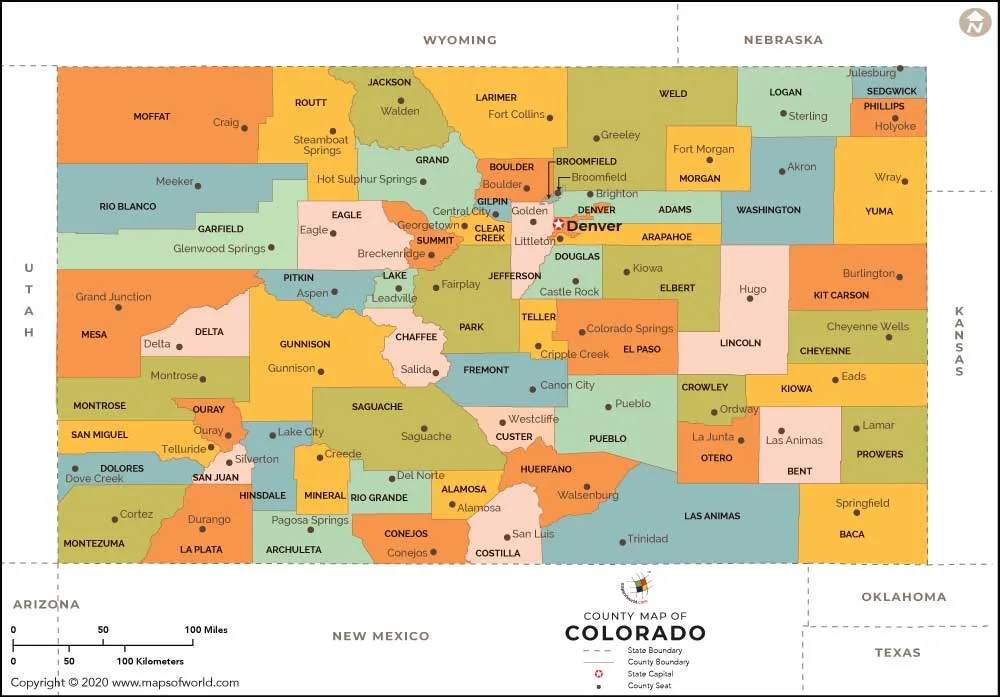
Colorado's emissions testing program is run by Air Care Colorado. It covers vehicles in the Front Range ozone non-attainment zone. That includes Denver, Adams, Arapahoe, Boulder, Broomfield, Douglas, Jefferson, and parts of Larimer and Weld counties.
If you live in one of those counties, you must pass an emissions test before you can register your vehicle. The test costs 25 to 40 dollars depending on the vehicle type. Your car will be checked for tailpipe emissions, evaporative system leaks, and the check-engine light.
If your car fails, you get a 60-day repair extension. During that time, you can fix the issue and retest for free. If the car still fails, you may need a waiver from Air Care Colorado, but that is rare.
Rural counties are exempt. If you live in El Paso, Pueblo, Mesa, or any other county not listed above, you do not need an emissions test. That is a big time saver.
But you still need the VIN inspection and all other documents.
Diesel vehicles must pass an opacity test in Front Range counties. Electric vehicles are exempt from emissions testing. Hybrids still need it in the zone.
Vehicles 12 years or older may qualify for a different inspection or exemption.
The Real Costs: Fees, Ownership Tax, and What You Pay the First Year
Registration in Colorado is not cheap. The state calculates your first-year fees based on the vehicle's age, weight, and original MSRP.
The registration fee is a flat base fee plus a weight fee. For a typical sedan, the base fee is around 50 dollars. Then you add 97 cents for every 100 pounds of curb weight.
A 3,500-pound car adds about 34 dollars. So the registration fee alone is roughly 84 dollars.
The ownership tax is a big one. It is 2.1 percent of the vehicle's MSRP in the first year. For a 30,000 dollar car, that is 630 dollars.
The tax declines by 15 percent each year until it reaches a floor. A five-year-old car might owe only 315 dollars.
You will pay 7 to 10 dollars for standard plates. Personalized plates cost more, around 50 dollars extra. The emissions test adds 25 to 40 dollars if you are in the Front Range zone.
The VIN inspection adds 10 to 20 dollars.
For a 30,000 dollar sedan in Front Range, expect to pay 750 to 850 dollars total. For a cheaper used car, it could be as low as 300 dollars. Check the Colorado DMV fee estimator online before you go.
| Vehicle value | Registration fee | Ownership tax | Emissions | Total |
|---|---|---|---|---|
| $10,000 used | $84 | $210 | $30 | $324 |
| $30,000 new | $84 | $630 | $30 | $744 |
| $50,000 new | $84 | $1,050 | $30 | $1,164 |
These costs are due at the time of registration. You cannot pay in installments. Have your checkbook or credit card ready.
What Happens If You Miss the 90-Day Deadline
Missing the deadline triggers two consequences: a late penalty and a class B traffic infraction.
You will be charged 25 dollars per month for every month or portion of a month you are overdue. If you register on day 95, that is two months late, so 50 dollars. There is no cap on the penalty, so it can stack up.
The late penalty adds 1 percent interest per month on the ownership tax you owe. For a 500 dollar tax, that is 5 dollars per month in extra interest.
If a police officer runs your plates and sees they are out-of-state and past the 90-day mark, you can get a class B traffic infraction. That comes with a fine, typically 50 to 200 dollars, and two points on your driving record. Points add up and can increase your insurance rates.
A common scenario is getting pulled over for a broken tail light. The officer checks your plates. They see your out-of-state registration expired two weeks ago.
They ask when you moved to Colorado. If you say six months ago, you are getting a ticket.
Some drivers assume the DMV will not check. But law enforcement officers are trained to look for freshly expired out-of-state plates. If you are in an accident, your insurance company may verify your registration and deny a claim if you were operating illegally.
If you are already late, go to your county clerk's office immediately. Pay the late penalties and interest. You will not be able to renew online until the late fees are cleared.
The sooner you go, the less you owe.
Common Mistakes New Residents Make
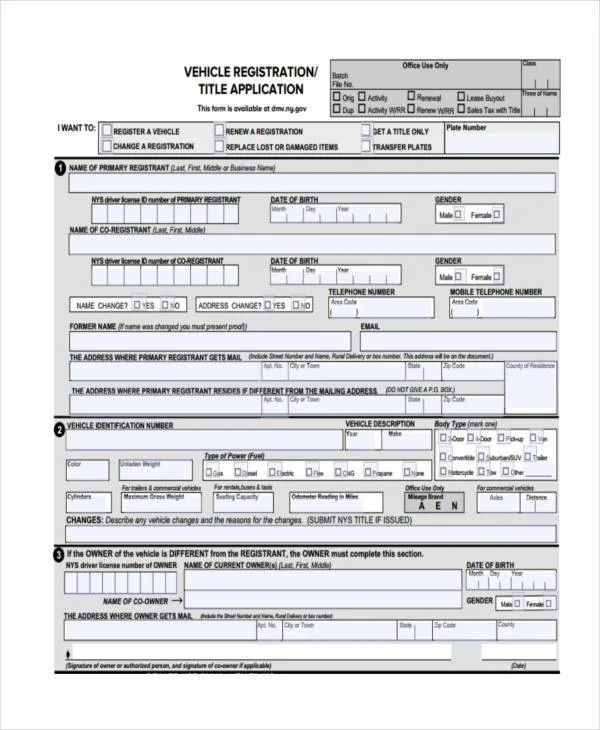
Even motivated new residents trip up on these five mistakes. Avoid them and your registration will go smoothly.
Mistake 1: Waiting until day 89. If you show up at the DMV on the last day and something goes wrong, you are out of time. Start the process by week 2 or 3.
Mistake 2: Not getting the VIN inspection first. Some people bring all their documents but forget the VIN verification. That means a second trip. The inspection is cheap and quick, so do it early.
Mistake 3: Using a sold-out-of-state title if the car was bought recently. If you just bought the car in your old state and have not registered it there yet, you cannot directly register in Colorado. You need a temporary permit or a 60-day permit from Colorado to drive it while you get the title sorted.
Mistake 4: Assuming a rural county does not need emissions. If you move to a rural county but later move to Denver, you will need an emissions test when you transfer your registration. Get it done before you move.
Mistake 5: Forgetting to update your insurance. Your out-of-state insurance policy may not cover Colorado unless you notify them of the address change. Get a new Colorado-compliant insurance card before you register.
| Mistake | How to avoid |
|---|---|
| Waiting too long | Start in week 1 |
| No VIN inspection | Schedule it first thing |
| New car with no title | Get a 60-day permit |
| Wrong emissions zone | Check county map |
| Insurance not updated | Call your agent before registration |
Stick to the checklist and you will avoid the headaches that slow down other new residents.
When You Can Legally Keep Your Out-of-State Plates Longer
Not everyone triggers the 90-day clock. Active-duty military personnel stationed in Colorado can keep their home-state registration if they maintain legal residence elsewhere. College students attending a Colorado school but keeping their out-of-state address also qualify for an exception.
Snowbirds who spend summers elsewhere must track their days carefully. If you stay in Colorado fewer than 183 days per year and maintain a primary residence in another state, you may not be a resident at all. But once you file a Colorado tax return or register to vote here, the 90 days start counting.
Pro Tips for a Smoother Process
Book an appointment online before visiting the county clerk's office. Walk-ins can mean hours of waiting. Bring your emissions test report and VIN inspection form already filled out.
Double check that your out-of-state title is signed correctly. A missing signature on the back can send you home empty-handed. Keep digital copies of every document on your phone.
If a clerk asks for something you forgot, you might be able to show it from your phone instead of making another trip.
Check your county's website for accepted payment methods. Some offices do not take credit cards.
Real Scenario: A Move from Texas to Denver
You move to Denver from Austin on March 1. You sign a lease on March 1, so your 90 days end May 30. In week one, you get your emissions test at Air Care Colorado.
Week two, you bring your Texas title and VIN inspection to the Denver County Clerk's office.
Your 2019 Honda Civic with an MSRP of 24,000 dollars triggers an ownership tax of about 504 dollars. Registration fees and emissions add another 120 dollars. Total first year cost is roughly 624 dollars.
You walk out with plates on the spot. No penalties, no stress. Follow the week-by-week plan and you will do the same.
Frequently Asked Questions
Can I register my car without a Colorado driver's license?
Yes. You can register your vehicle even if you still hold an out-of-state license. But getting a Colorado license first makes the process simpler because the DMV already has your residency on file.
What if my car is financed?
You need a letter from the lienholder allowing the title transfer. Contact your lender for a copy of the title or a lien release letter. This can take a few weeks, so start early.
How do I prove residency if I just moved here?
Use a signed lease agreement, a utility bill with your new address, or a bank statement showing your Colorado address. Two documents are required. If you have not set up utilities yet, use your lease and a change-of-address confirmation from USPS.
Is the emissions test required for all counties?
No. Only vehicles registered in the Front Range emissions zone need the test. That includes Denver, Adams, Arapahoe, Boulder, Broomfield, Douglas, Jefferson, and parts of Larimer and Weld.
Rural counties are exempt.
Can I get a temporary permit while I wait for documents?
Yes. If you are waiting for your title or lien release, you can apply for a 60-day temporary permit from your county clerk. This lets you drive legally while you finalize the paperwork.
Your Verified Action Checklist
- Establish your residency date (lease, job, or school start)
- Gather out-of-state title and current registration
- Get VIN inspection (schedule early)
- Complete emissions test (Front Range only)
- Fill out form DR 2523 and odometer disclosure DR 2697
- Prepare two proof-of-residency documents
- Visit county clerk office with all documents
- Pay registration fees and ownership tax
- Receive plates and registration card
- Affix plates and update insurance address
Tick each box as you go. You will be legally on the road well before the 90 days expire.
- Establish your residency date (lease, job, or school start)
- Gather out-of-state title and current registration
- Get VIN inspection (schedule early)
- Complete emissions test (Front Range only)
- Fill out form DR 2523 and odometer disclosure DR 2697
- Prepare two proof-of-residency documents
- Visit county clerk office with all documents
- Pay registration fees and ownership tax
- Receive plates and registration card
- Affix plates and update insurance address
Tick each box as you go. You will be legally on the road well before the 90 days expire.