ByMax Lee
Guide to Colorado Clean Running Vehicle Screening Through Rapidscreen Mobile Vans
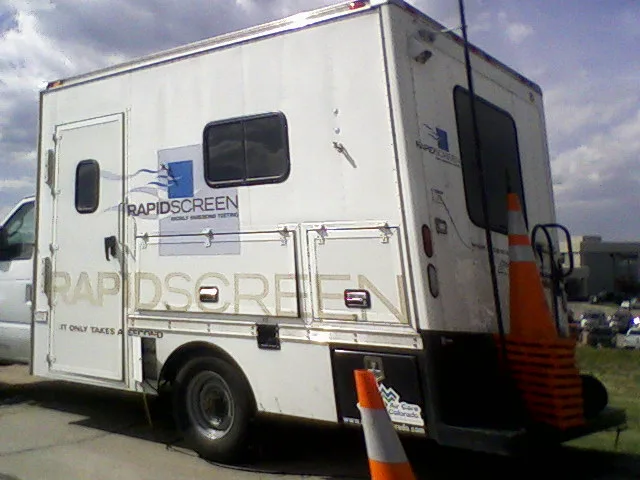
Colorado clean running vehicle screening through RapidScreen mobile vans is how the state checks your exhaust without making you stop. If you have driven along the Front Range lately, you might have passed one of these white vans without noticing. The system reads your emissions in under a second as you drive by at normal speed.
As of 2026, these vans screen thousands of vehicles daily across the Denver metro area and surrounding counties. The technology measures pollutants like hydrocarbons, carbon monoxide, and nitrogen oxides right from the roadside. If you pass, you can skip a trip to the testing station.
If you fail, you need to know what comes next.
Bing (Web (fair-use with source credit))
Quick Answer
RapidScreen is Colorado drive-by emissions testing program. Mobile vans use remote sensors to measure your exhaust as you drive past. If you pass, you meet the state testing requirement.
If you fail, you get a notice with repair and retest instructions. There is no cost for the screening itself.
Why This Program Matters for Your Colorado Registration
Your vehicle registration depends on passing an emissions test in most Front Range counties. The Colorado Department of Public Health and Environment runs the program through Air Care Colorado. The goal is to keep the air clean and reduce ozone pollution.
The RapidScreen program gives you an easier path. Instead of scheduling a test appointment and waiting in line, you get screened during your normal driving. The state comes to you rather than you going to them.
Here is why it matters for your wallet and your time:
- No cost. The screening is free. You only pay if you need a repair and retest.
- No appointment needed. You do not have to do anything special.
- No wait. The reading takes less than a second.
- Counts as your test. A pass satisfies the state requirement.
The program also reduces traffic at Air Care Colorado test centers. Fewer people need to visit the stations because the vans handle a large portion of the screening load. This means shorter lines for everyone who does need a traditional test.
Keeping your car properly maintained matters beyond just passing a screen. Simple things like using the right car wash products and checking your oil help your engine run cleaner. That is good for your vehicle and good for the air you breathe.
What Exactly Is RapidScreen and Is It a Real Test?
Yes, it is a real test. RapidScreen uses remote sensing technology to measure the emissions coming out of your tailpipe as you drive. The Colorado Air Quality Control Commission authorized this program as an official testing method under state regulations.
The system is not a gimmick. It uses the same measurement principles as the equipment at Air Care Colorado test centers. The difference is that you do not have to stop.
Here is what the technology checks:
| Pollutant | What It Measures |
|---|---|
| Hydrocarbons (HC) | Unburned fuel from incomplete combustion |
| Carbon monoxide (CO) | Incomplete burning of fuel, a sign of rich mixture |
| Nitrogen oxides (NOx) | High combustion temperature byproducts |
Each pollutant has a pass fail threshold based on your vehicle model year and type. The thresholds come from the same Air Quality Control Commission standards used at test centers.
The vans target vehicles that are 1982 model year and newer. These are the vehicles required to test in the program area. Older vehicles and most diesel trucks fall under different rules.
One important thing to understand: RapidScreen is a screening, not a full diagnostic. It tells you whether your emissions are within limits. It does not tell you what is wrong if you fail.
That part is up to you and your mechanic.
How the Mobile Vans Capture Your Emissions Without You Stopping
Bing (Web (fair-use with source credit))
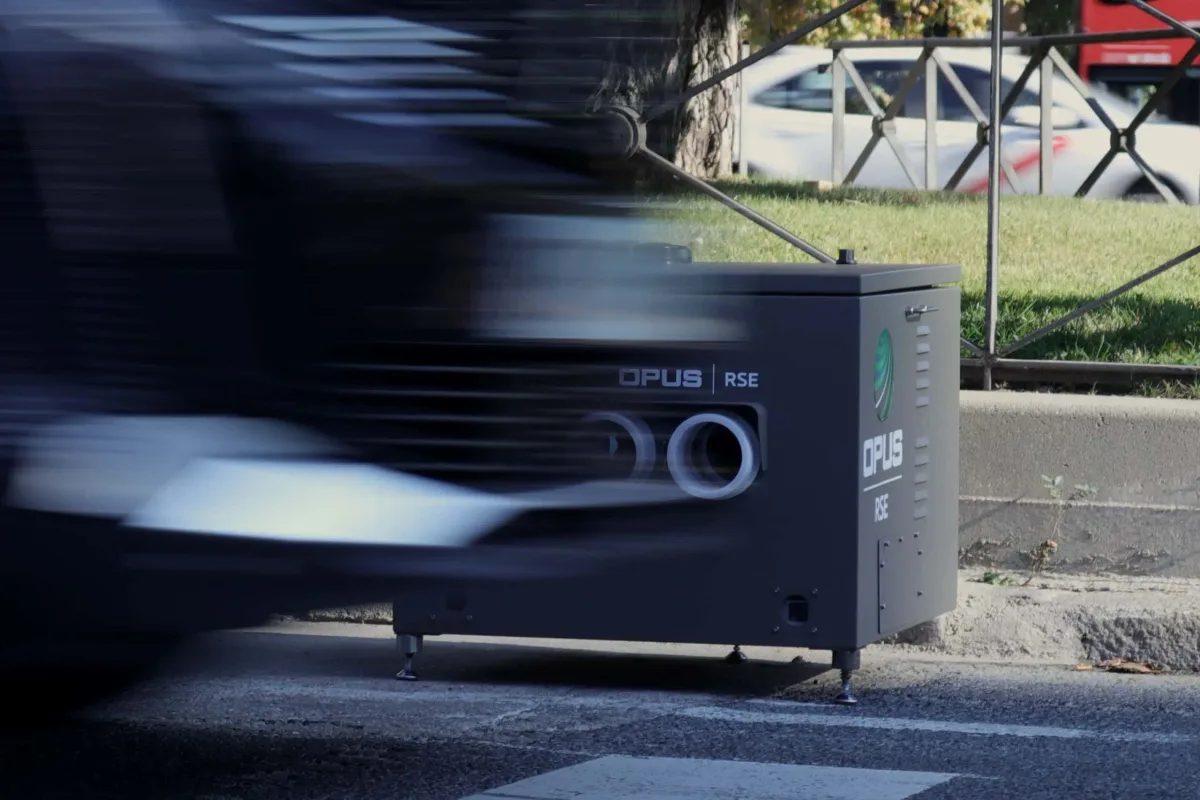
The technology behind RapidScreen is called remote sensing. It works without you even knowing it is happening.
The van sits on the shoulder of the road. Inside, equipment shoots beams of infrared and ultraviolet light across the lane. When your car drives through those beams, the light passes through your exhaust plume.
Each type of pollutant absorbs light at a specific wavelength. The sensor measures how much light gets absorbed. More absorption means higher pollutant levels.
The whole reading takes about half a second.
At the same time, a camera captures your license plate. The system matches the plate to your vehicle registration information. This links the emissions reading to your specific vehicle.
The van does not need you to slow down or roll down your window. It does not need anyone inside the vehicle to do anything. You just drive like normal.
The vans rotate through different locations across the program area. CDPHE publishes general information about where they operate. But you should not try to avoid them.
Passing the screen is a benefit, not something to dodge.
If you know the vans are active in your area, consider it a chance to get your testing done without any effort. Just drive normally and let the system do its work.
You Drove Past a Van Now What Happens
After the van captures your reading, the data goes to the Air Care Colorado system. The system checks your emissions against the pass fail thresholds for your vehicle.
You will not see a result on a screen. There is no instant notification. The process happens behind the scenes.
Here is the timeline:
- Data processing. The system verifies the reading and matches it to your vehicle record.
- Result determination. It compares your emissions to the threshold.
- Notification. If you pass, you get a letter in the mail. If you fail, you get a notice with instructions.
Most letters arrive within four to six weeks after the screening. The timing depends on how quickly the data gets processed and mailed out.
You can also check your result online through the Air Care Colorado website. The site lets you look up your vehicle status using your license plate number. This is faster than waiting for the mail.
If you do not receive anything after two months, check your status online. Sometimes letters get lost or delayed. It is better to verify than to assume everything is fine.
Here is the key thing: the screening counts even if you never see the van. You might have driven past one without noticing. The system still captured your reading.
You are still responsible for acting on any notice you receive.
Got a Pass Letter Here Is What It Means for Your Registration
A pass letter is good news. It means your vehicle met the emissions standards during the roadside screening. You do not need to do anything else for your testing requirement.
The pass satisfies your testing obligation for the current period. When you go to renew your registration, the system already has your passing result. You will not need to show any additional paperwork.
Keep the letter in your glove box or with your vehicle records. It serves as proof that you passed. If there is ever a question about your registration status, you have documentation.
Here is what the pass letter covers:
- One testing cycle. The pass counts for your current registration period.
- No further action. You do not need a test center visit.
- Automatic record update. The system shares the result with the DMV.
The pass does not mean you are exempt from future testing. You still need to meet the requirements for your next renewal period. The vans will screen you again if you drive through their path.
Got a Fail Notice Your Next Steps and Legal Obligations
A fail notice means your vehicle emitted more pollutants than the state allows. This is not the end of the world, but it is serious. You must take action or risk a registration block.
The notice will include:
- Your vehicle emissions readings
- The pass fail thresholds
- Instructions for repair and retest
- A deadline for completing the process
You have a limited time to get the repairs done and pass a retest. The typical window is 30 to 60 days from the date of the notice. Check your specific notice for the exact deadline.
Here is your action plan:
- Take your vehicle to a qualified mechanic. Tell them you failed a RapidScreen test. They can run diagnostics to find the problem.
- Get the necessary repairs. Common issues include oxygen sensor failures, catalytic converter problems, and engine misfires.
- Visit an Air Care Colorado test center. You need a full tailpipe or OBD test to confirm the repairs worked.
- Keep your receipts. You may need them if you apply for a repair waiver.
The retest at the test center costs a fee. As of 2026, the standard test fee is around $25. Check the current rate on the Air Care Colorado website.
If the repairs cost more than a certain amount, you may qualify for a waiver. The waiver lets you bypass the testing requirement for that cycle. You will need to show proof of the repair costs.
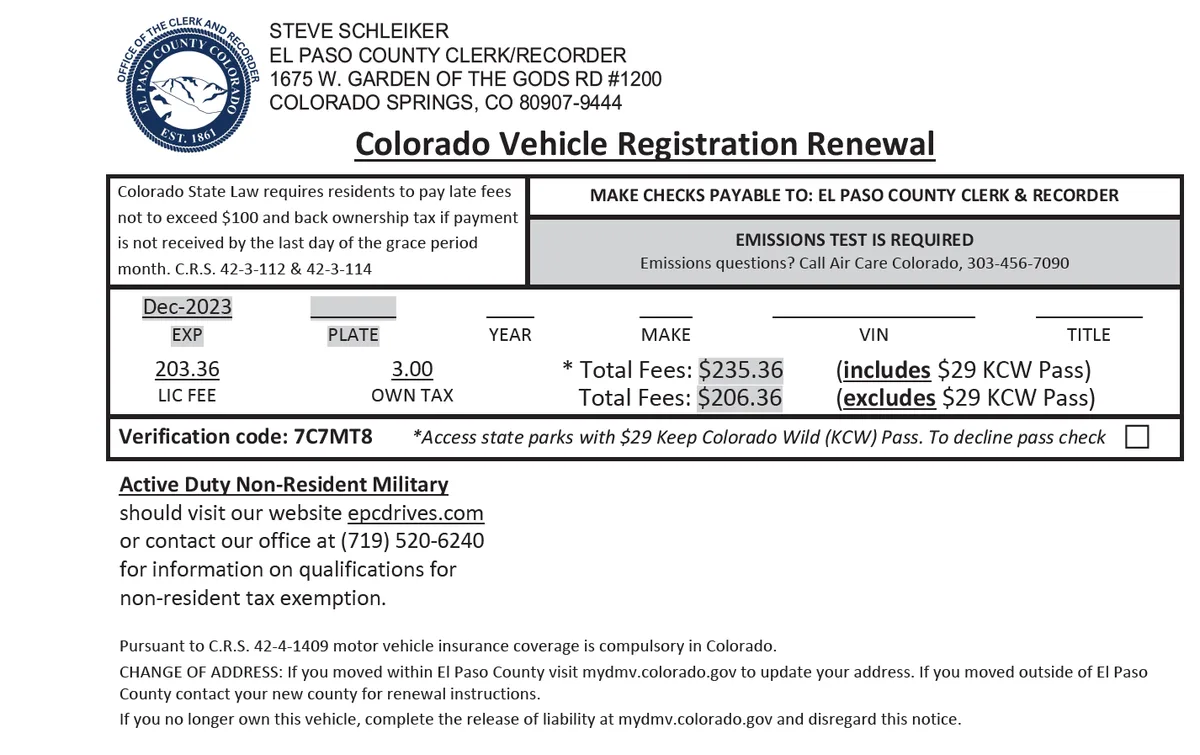
Ignoring the notice is not an option. The system will flag your registration. You will not be able to renew until you resolve the issue.
Driving with an expired registration can lead to fines and tickets.
One smart move is to check your vehicle health before the screening happens. If you keep up with regular maintenance, you are far less likely to fail. Simple things like using proper car wash fragrance and keeping your engine tuned help keep emissions low.
Bing (Web (fair-use with source credit))
The Real Risk of Ignoring a RapidScreen Notice
Some drivers treat the notice like junk mail. That is a costly mistake. The state does not send these as a suggestion.
Here is what happens if you ignore a fail notice. The system sends a reminder. Your registration gets blocked.
You face late fees and a possible ticket for expired tags. Using waterproof gloves for car washing is cheaper than paying fines.
The process is automated. There is no grace period. The data stays on your record until you comply.
A quick repair now costs less than fines and fees later.
How RapidScreen Compares to an Air Care Colorado Test Center Visit
Bing (Web (fair-use with source credit))
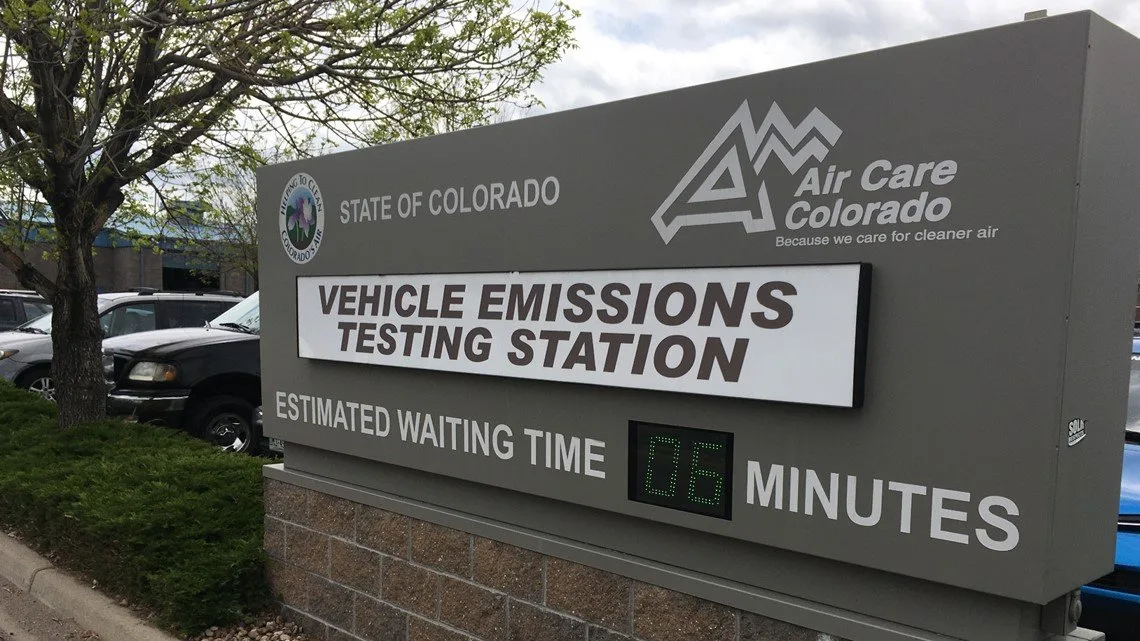
RapidScreen and the test center serve the same purpose. They verify your emissions meet state standards. The difference is convenience.
| Factor | RapidScreen | Test Center |
|---|---|---|
| Time required | Under 1 second | 10 to 20 minutes |
| Cost | Free | About $25 |
| Location | Roadside | Fixed station |
| Appointment | Not needed | May need one |
| Vehicle prep | None | Engine warm, no A/C |
RapidScreen is faster and cheaper. But it has limits. It only works if you drive through a van location.
If you do not pass a van, you still need a test center visit.
The test center is more reliable for scheduling. You know exactly when and where your test happens. There is no luck factor involved.
Which one is better depends on your situation:
- RapidScreen is best if you commute through the program area. You get tested regularly without any effort.
- The test center is best if you need a guaranteed result. You go, you test, you get your certificate.
- RapidScreen is also best if you want to save money. It is free.
- The test center is best if you need a repair verification. The full test confirms your car is clean.
Many drivers use both. RapidScreen gives them a free attempt. If they pass, great.
If they fail, they go to the test center for the official retest.
Common Mistakes That Trip Up Colorado Drivers
Mistake one: treating the notice like spam. Read every piece of mail from Air Care Colorado. It could be your pass or fail notice.
Mistake two: assuming you passed because you did not get a letter. No letter could mean an invalid reading. Check your status online after eight weeks.
Mistake three: ignoring the deadline. The fail notice gives you 30 to 60 days. Mark your calendar the day it arrives.
Mistake four: driving with a known emissions problem. If your check engine light is on, get it checked before you drive through a testing zone. RapidScreen will catch the problem.
Fix it first.
Mistake five: not keeping maintenance records. If you need a repair waiver, you need proof of costs. Save every receipt.
The waiver process depends on showing you spent enough on eligible repairs.
When a Repair Waiver or Exemption Is an Option
Sometimes the cost to fix an emissions problem is too high. Colorado has a repair waiver program for exactly this situation.
The waiver applies when you have spent at least the minimum amount on emissions related repairs. The cost threshold changes periodically. As of 2026, the minimum is set by the Air Quality Control Commission.
Check the current amount on the CDPHE website.
To qualify for a waiver:
- You must have failed the emissions test.
- You must get repairs from a licensed repair facility.
- The total repair cost must exceed the waiver threshold.
- You must provide all receipts and documentation.
The waiver covers one testing cycle. You still need to repair the vehicle. But the waiver buys you time and prevents a registration block.
Some vehicles qualify for full exemptions:
- Vehicles older than 1982 model year
- Electric vehicles
- Certain low emission vehicles based on model year and type
- Vehicles registered outside the program area
Check your vehicle eligibility on the Air Care Colorado website. If you qualify for an exemption, you do not need to test at all.
A Quick Look at the Program Areas and Vehicle Eligibility
Not every Colorado driver needs to worry about RapidScreen. The program covers specific counties along the Front Range.
The program area includes these counties in whole or in part:
- Adams
- Arapahoe
- Boulder
- Broomfield
- Denver
- Douglas
- Jefferson
- Larimer
- Weld
- Parts of El Paso County
If you live in one of these counties and drive a 1982 or newer gasoline vehicle, you are in the program. You must test every one or two years depending on your vehicle age.
Newer vehicles and certain low emission models test less frequently. Check your specific requirements based on your vehicle records.
If you move into the program area from outside, get tested before your next registration renewal. The RapidScreen vans will catch you if you drive through their path. But plan on a test center visit if you want to be sure.
Keeping your vehicle clean with a water gun to help clean cars is a good habit too.
Final Takeaways What to Do If You Spot a RapidScreen Van
Spotting a RapidScreen van is good news. You get a free emissions test without leaving your route.
Drive normally. Do not slow down or change lanes. The van works at normal traffic speeds.
Wait four to six weeks for your result in the mail.
If you pass, you are done for that testing cycle. If you fail, act quickly. The repair and retest process is straightforward.
Keeping your vehicle maintained helps you pass every time.
Frequently Asked Questions
How do I know if I passed a RapidScreen screening?
You receive a pass letter in the mail within four to six weeks. You can also check your status online using your license plate number on the Air Care Colorado website.
What happens if I fail a RapidScreen test?
You get a fail notice with your emissions readings and a deadline. Take your vehicle to a mechanic, get repairs done, and visit a test center for the official retest.
Does RapidScreen cost anything?
No. The roadside screening is completely free. You only pay if you need a retest at a test center, which costs roughly $25.
How long do I have to fix my car after a fail notice?
The notice gives you a specific deadline, typically 30 to 60 days. Check your letter for the exact date. Missing it can block your registration.
Are electric vehicles tested by RapidScreen?
No. Electric vehicles are exempt from emissions testing entirely. The sensors cannot measure anything from vehicles without tailpipe emissions.
Does RapidScreen replace the test center visit?
If you pass, yes. The pass satisfies your testing requirement. If you fail, you still need a test center visit for the official retest.