Most Colorado teens and their parents don't realize how strict the state's driving laws actually are. The Colorado hands free law for drivers under 18 and distracted driving fines carry consequences that go far beyond a simple ticket. The rules here are more restrictive than most people assume.
Research from the Colorado Department of Transportation shows that distracted driving is a leading cause of teen crashes across the state. As of 2026, Colorado law draws a sharp line between what adults can do behind the wheel and what is legal for drivers under 18. Understanding that difference is where every teen driver and their parents need to start.
Quick Answer
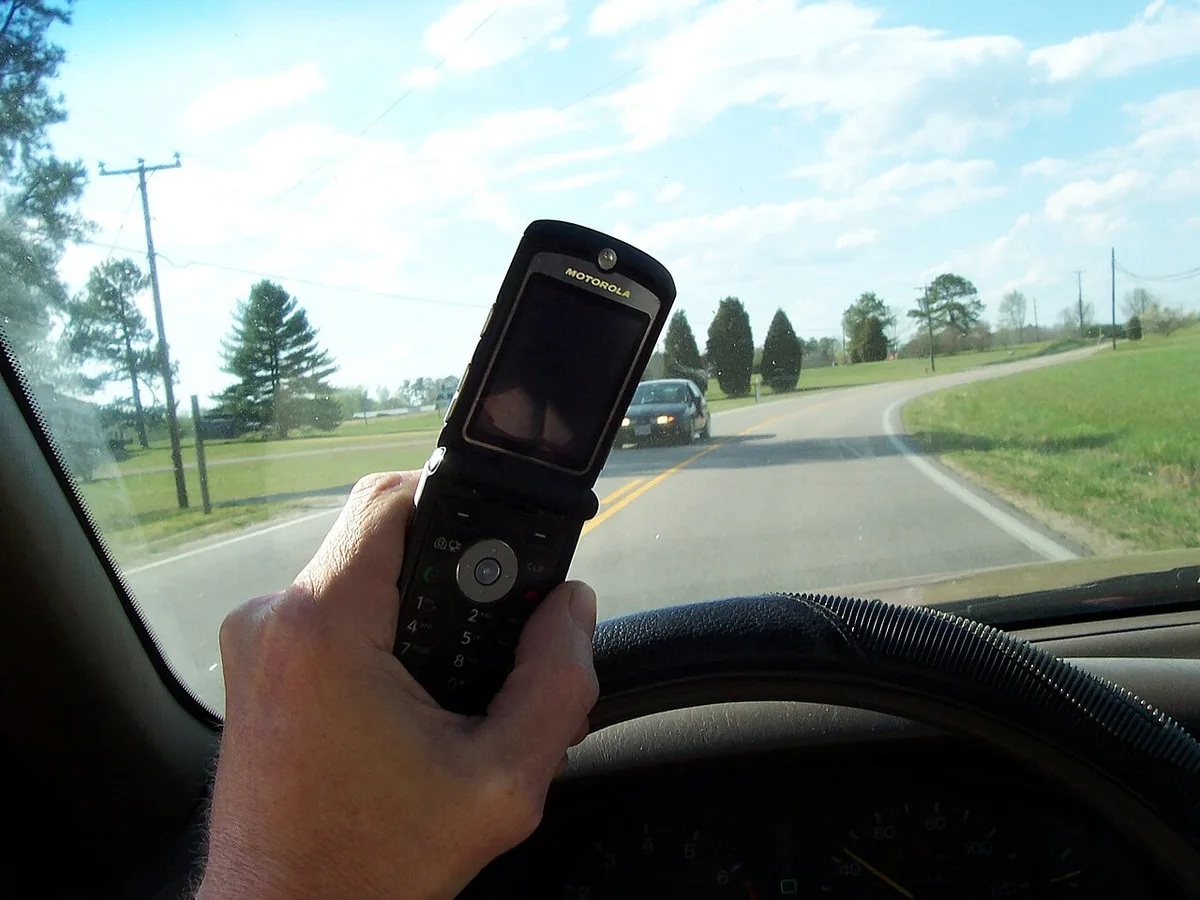
Drivers under 18 cannot use a phone while driving. No calls, no texts, no GPS. The fine starts at $50.
Four license points apply. Adults have a hands-free option. Teens do not.
The One Rule That Catches Most Teens Off Guard
Here is the thing that trips up more young drivers than anything else. The rule for teens is not hands-free. It is no phone, period.
Colorado law makes it illegal for any driver under 18 to use a wireless communication device while the vehicle is in motion. That means no holding the phone and no using it hands-free either. Even a quick glance at a map app counts as a violation.
Most teens assume the adult hands-free law applies to them too. It does not. If you are under 18, your phone needs to stay in your pocket, your bag, or the glove box.
Not in your hand. Not on the dashboard mount. Not in your lap at a red light.
The Colorado State Patrol confirms that this misunderstanding leads to hundreds of citations every year. The logic is simple. Teens are already at higher risk for crashes.
Removing all phone use entirely cuts that risk significantly.
Under 18 vs. Over 18: It is Not the Same Law
Colorado has two separate distracted driving laws. One applies to adults. The other applies to drivers under 18.
They are not the same.

What the adult law allows
Drivers 18 and older can use a phone while driving, but only in hands-free mode. That means voice commands, Bluetooth earpieces, or dashboard-mounted devices. No holding the phone to your ear.
No texting. No scrolling.
What the under-18 law allows
Nothing. Zero. Not even hands-free.
The table below shows how the two laws stack up.
| Activity | Adults (18+) | Under 18 |
|---|---|---|
| Handheld calls | Illegal | Illegal |
| Hands-free calls | Legal | Illegal |
| Texting | Illegal | Illegal |
| Using GPS or maps | Hands-free only | Illegal |
| Music streaming | Hands-free only | Illegal |
| Emergency calls | Legal | 911 only |
The rule for teens is simple. If the car is moving, the phone stays off. No exceptions for Bluetooth, no exceptions for directions, no exceptions for music playlists.
Some parents ask whether built-in vehicle systems count. They do. If the car has Apple CarPlay or Android Auto, you still cannot use it to make calls or change music while driving.
The law says the device itself cannot be used, not just the handset.
Exactly What the Law Says (42-4-239, the Part That Matters)
The specific statute is Colorado Revised Statute 42-4-239. The relevant section for teen drivers is 42-4-239(2)(b).
Here is what it actually says. A person under 18 years of age shall not use a wireless communication device while operating a motor vehicle. This includes when the vehicle is temporarily stopped in traffic or at a traffic light.
The law defines a wireless communication device broadly. Smartphones, tablets, smartwatches, and any device capable of text messaging, voice communication, or internet access all count. If it connects to a network, it is covered.
The 911 exception
There is exactly one exception to the under-18 ban. A teen driver may use a phone to call 911 in an emergency where there is an immediate threat to life or safety. This means an accident, a medical emergency, or a dangerous situation on the road.
What does not qualify? Calling your parents to ask what to do. Calling a friend for directions.
Calling roadside assistance because you have a flat tire. Those are not emergencies under the law.
The exception is narrow by design. The legislature wanted to make sure teens had a way to call for help in a genuine crisis. But they also wanted to prevent teens from using the emergency excuse to make routine calls.
Where the law applies
It applies everywhere in Colorado. City streets, highways, rural roads, and parking lots open to public traffic all count. It also applies on private property if the property is open to the public, like a shopping center parking lot.
The one place it does not apply is your own private driveway or private property not open to public travel. But even there, it is still a bad habit to practice.
Fines, Fees, and License Points: The Real Cost of a Ticket
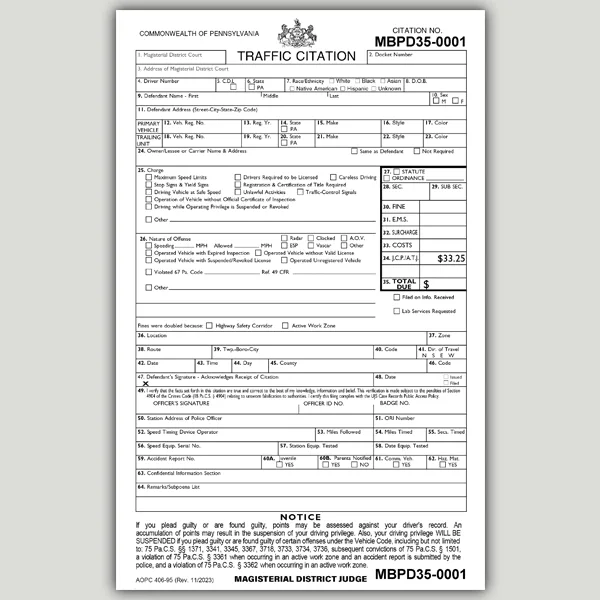
A distracted driving ticket for a teen in Colorado costs more than just the fine printed on the citation. Court fees, surcharges, insurance consequences, and license points add up fast.
The base fines
| Offense | Base Fine | Court Costs | Typical Total |
|---|---|---|---|
| First offense (under 18) | $50 | $38 to $60 | $88 to $110 |
| Second offense (under 18) | $100 | $38 to $60 | $138 to $160 |
Those numbers come from Colorado's uniform traffic fine schedule. But they are just the beginning.
Additional costs that catch families off guard
Many counties add a surcharge for traffic safety programs. Some jurisdictions double the fine if the violation occurred in a school zone or work zone. If the ticket goes to court rather than being paid online, administrative fees increase.
The total out-of-pocket cost for a first offense usually lands between $88 and $150 depending on the county. For a second offense, expect to pay $150 to $250.
License points
This is where the real sting comes for teen drivers. A distracted driving violation under 18 adds four points to the driver's record. That matters because Colorado's Graduated Driver Licensing (GDL) program has a strict point threshold.
Teens with a permit or intermediate license face consequences much sooner than adults. Four points is a significant chunk of the total allowed before the state takes action.
Insurance impact
Here is the hidden cost that lasts the longest. A single distracted driving citation can raise a teen's insurance premium by 20 to 40 percent. For a typical policy covering a teen driver, that means an extra $500 to $1,000 per year for three to five years.
Most families do not factor in insurance when they think about the cost of a ticket. But the insurance increase alone is more expensive than the fine itself.
How the GDL Point System Can Cost Your Teen Their License
The Graduated Driver Licensing program in Colorado tracks points for every teen driver. It is designed to catch at-risk drivers early and remove their driving privileges before they cause a serious crash.
The point threshold for teens
For drivers under 18 with a learner's permit or intermediate license, the state can suspend your license if you accumulate six or more points in any 12-month period.
A single distracted driving ticket carries four points. That means just one more violation of two points or more within a year triggers a suspension.
Common two-point violations that add up
| Violation | Points |
|---|---|
| Speeding (10 to 19 mph over) | 4 |
| Careless driving | 4 |
| Running a red light | 4 |
| Improper passing | 4 |
| Following too closely | 3 |
| Speeding (5 to 9 mph over) | 2 |
A teen who gets caught distracted driving and then runs a stop sign or speeds moderately is at six points instantly. That triggers an automatic review by the Colorado DMV.
What happens after the threshold is hit
The DMV sends a notice of suspension. The teen driver has the right to request a hearing, but the process takes time and the outcome is not guaranteed. If the suspension is upheld, the license is gone for a minimum period.
For a first suspension under the GDL program, the minimum period is usually one month. Getting the license back includes paying reinstatement fees, completing a driver improvement course, and proving no further violations.
The real-world impact
Losing a license as a teen is not just an inconvenience. It means no driving to school, no driving to a part-time job, and no driving to extracurricular activities. Parents become full-time chauffeurs, and the teen's independence disappears.
The financial cost of a suspension adds up too. Reinstatement fees alone can run $100 to $200. The required driver improvement course costs another $50 to $100.
That is on top of the original ticket fines and insurance increases.
Common Scenarios That Lead to Citations
Most teen drivers do not get pulled over because they are holding a phone to their ear. They get caught in situations that feel innocent at the time.
Sitting at a red light
A surprising number of citations happen while the car is stopped. Colorado law covers vehicles that are temporarily stationary because of traffic. That includes red lights, stop signs, and traffic jams.
Your teen cannot pick up the phone at a stoplight to reply to a text or change a song.
Using maps or GPS
This one catches teens off guard more than any other scenario. Pulling up Google Maps or Apple Maps before driving off is legal. Touching the phone to enter a destination while the car is moving is not.
Even a quick tap on the screen can result in a ticket.
Hands-free calls through the car
Many teens assume that because their car has Bluetooth, they are allowed to make calls. That assumption is wrong. The under-18 law bans all phone use, hands-free or not.
Bluetooth earpieces, dashboard mounts, and built-in infotainment systems are all covered.
Checking a notification
A glance at a text message or Instagram notification counts as use under the statute. The law does not require the teen to type a reply. Looking at the screen is enough.
Using a phone in the passenger seat
The law applies to the driver. A teen passenger can use a phone freely. But officers look for the glow of a phone screen near the driver's seat.
If a teen is holding a phone in their lap while driving, it is a violation regardless of what they are doing with it.
But What About Emergencies? The 911 Exception Explained
The law includes one narrow exception for genuine emergencies. A teen driver may use a phone to call 911 if there is an immediate threat to life or safety.
What qualifies as an emergency
The exception covers accidents, medical crises, fires, or any situation where someone is in immediate danger. If your teen witnesses a crash on the highway, they can call 911. If they feel unsafe because another driver is following them aggressively, that qualifies too.
What does not qualify
Calling a parent for advice about a flat tire is not an emergency. Calling a friend for directions is not an emergency. Calling roadside assistance through an app is not an emergency.
The exception exists for life-threatening situations only.
How officers verify the exception
If your teen uses the emergency exception and gets pulled over, they need to explain the situation clearly. Officers have discretion. A reasonable claim of an emergency usually results in no citation.
But claiming an emergency to cover a routine call does not work. Officers can check phone records and timestamps if they suspect misuse.
The safest approach is this. If it is not a 911-level emergency, wait until the car is safely parked to make the call.
What Happens When You Get Pulled Over
Getting pulled over for a distracted driving violation follows a specific process. Knowing what to expect can reduce stress and prevent mistakes.
The initial stop
When an officer sees a teen using a phone, they typically initiate a traffic stop. The officer will approach the vehicle and explain the reason for the stop. In some cases, the officer may ask to see the phone to verify the activity.
You do not have to hand over your phone without a warrant, but refusing can make the situation more difficult.
What the officer looks for
Officers are trained to identify phone use. They look for the glow of a screen, a phone held near the driver's face, or a driver looking down repeatedly. Colorado State Patrol officers have access to phone records through court orders in more serious cases.
For a standard citation, the officer's observation is usually sufficient.
What to say and not say
Politeness and cooperation go a long way. Your teen should be respectful and honest. Admitting to using the phone is not required, but lying about it can lead to additional charges.
The officer will make their own determination based on what they observed.
Do not argue with the officer on the side of the road. If you believe the citation is unfair, you can contest it in court later.
Paying the Ticket vs. Contesting It: Your Options
After receiving a citation, parents and teens need to decide what to do next. There are three paths.
Pay the ticket
Paying the fine means accepting the citation and the associated points. This is usually the simplest option. You mail in the payment, and the case closes.
The points go on the teen's driving record. The insurance impact follows.
Paying is the right choice when the violation is clear and the cost of fighting it is higher than the fine.
Contest the ticket
If your teen believes the citation was issued incorrectly, you can plead not guilty and request a hearing. This requires appearing in the county court listed on the citation. You can represent yourself or hire a traffic attorney.
The most common defense is proving that the phone was not in use. Officer body camera footage or dashboard camera footage can show what the officer observed. If the officer does not appear in court, the case may be dismissed.
Request a defensive driving course
Some Colorado counties allow drivers to take a defensive driving course in exchange for reduced points or a dismissed citation. This is not available everywhere, and it is not automatic. You must request it.
Even if points are waived, court fees and fines may still apply.
For minor first offenses, this option can keep the teen's record clean and avoid insurance increases.
How a Distracted Driving Citation Affects Insurance
The most expensive part of a distracted driving ticket is not the fine. It is the insurance premium increase.
How much rates go up
Research on Colorado insurance data shows that a single distracted driving violation for a teen driver raises premiums by 20 to 40 percent. For a typical policy covering a 16 or 17 year old, that can mean an extra $500 to $1,000 per year.
How long the increase lasts
Colorado insurers typically apply surcharges for three to five years after a citation. The first three years are the most expensive. After that, the surcharge decreases or drops off entirely if no further violations occur.
Factors that influence the increase
The size of the increase depends on the insurance company, the teen's age, the vehicle being driven, and whether there are other violations on the record. A teen with a clean record faces a smaller increase than a teen with previous tickets.
Some insurers offer good driver discounts. A distracted driving ticket can eliminate that discount for years.
What parents can do
Shopping around for a new policy after a ticket sometimes results in a lower rate. Not all insurers weigh traffic violations the same way. A fresh quote from a different company can save hundreds of dollars per year compared to staying with the current provider.
Mistakes Parents and Teens Make
The biggest mistake is assuming the adult hands-free law applies to teens. It does not. Many parents buy Bluetooth earpieces for their teen, thinking it keeps them legal.
That actually puts them at risk for a citation.
Another common error is letting teens use phones for maps. Teach your teen to enter the destination before leaving the driveway. That single habit prevents most GPS-related tickets.
Some families assume parking lots are safe zones. They are not. Any area open to public traffic, including shopping center parking lots, counts as a public roadway under Colorado law.
The phone stays off until the car is parked and turned off.
Practical Ways to Stay Legal Without Ditching Your Phone
You do not need to throw away your phone. You just need to change your habits.
Put the phone in the glove box or back seat before starting the car. Out of sight removes the temptation entirely. Enable Do Not Disturb While Driving mode on an iPhone or the equivalent on Android.
That silences notifications automatically.
For navigation, download your route before driving. Set the destination while parked. Use a separate GPS device if needed.
For music, build a playlist or use satellite radio. The key is removing the need to touch the phone at all while the car is moving.
Where to Confirm Current Colorado Law
Laws change. Social media posts and forums are full of outdated information. The only place to confirm current law is the official source.
The Colorado Revised Statutes are available online through the Colorado General Assembly website. Search for 42-4-239 to see the exact wording. The Colorado DMV website also publishes a summary of distracted driving laws for teen drivers.
The Colorado State Patrol website has enforcement guidance and common questions.
Bookmark these official sources. They are the only ones you can trust.
Frequently Asked Questions
Can I use my phone at a red light if I am under 18?
No. The law applies when the vehicle is temporarily stationary due to traffic. A red light counts.
Your phone must stay off until the car is fully parked.
Does the law apply to using a phone for GPS directions?
Yes. Entering a destination or looking at a map app counts as using the device. Set your route before you start driving.
What happens if I get a ticket but I was using the emergency exception?
If you were genuinely calling 911, explain that to the officer. The law has a narrow exception for emergencies. Officers have discretion.
A reasonable claim of an emergency usually results in no citation.
How many points does a distracted driving ticket add for a teen?
Four points. That is a significant chunk of the six-point threshold that triggers GDL suspension within 12 months. A single ticket puts you dangerously close to losing your license.
Can I use a Bluetooth earpiece if I am under 18?
No. The under-18 law bans all use of a wireless communication device. Hands-free devices are included.
Bluetooth earpieces are not legal for teen drivers.
Does this law apply to parked cars?
It applies when the vehicle is operated on a public roadway. If you are pulled over in a parking spot with the engine off, you can use your phone. If you are stopped in traffic, you cannot.