ByMax Lee
Guide to Colorado Left Lane Passing Only Law on High Speed Multi Lane Highways
Bing (Web (fair-use with source credit))
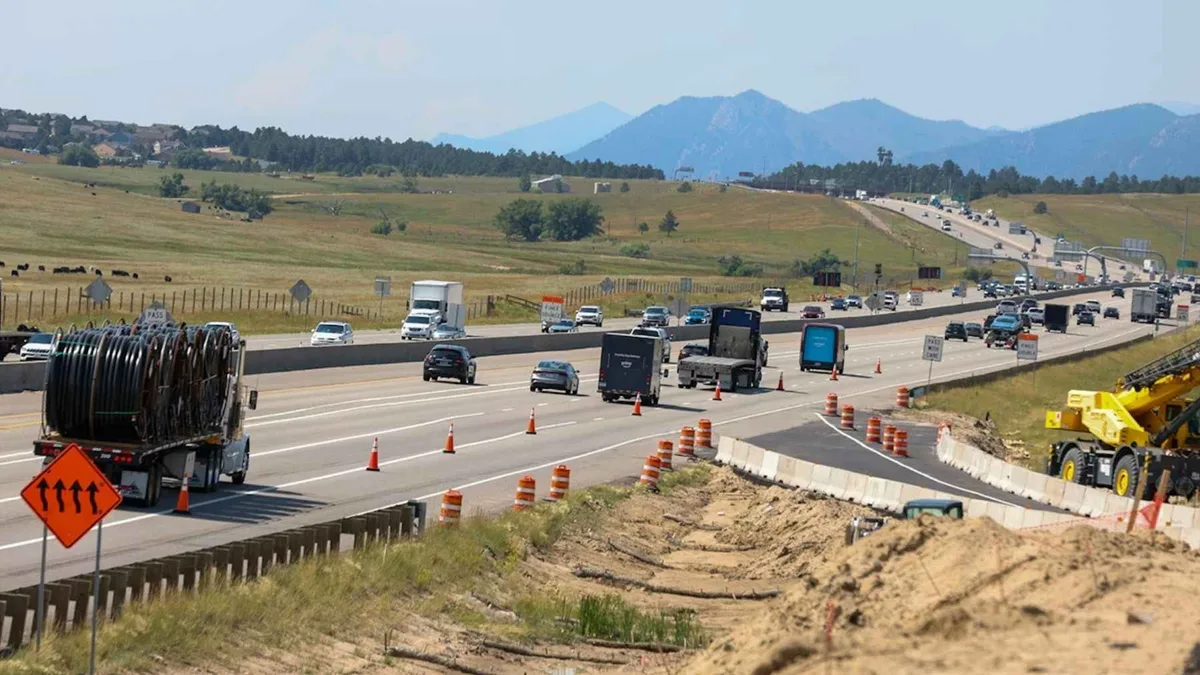
I'll be honest: few traffic laws cause more confusion or frustration among Colorado drivers than the left lane passing rule. If you've ever been tailgated while doing 75 in the left lane on I-25, you've felt the tension firsthand. The Colorado left lane passing only law on high speed multi lane highways is designed to keep traffic moving, but it's also one of the most misunderstood statutes in the state.
Per the Colorado Revised Statutes, C.R.S. 42-4-1013 requires drivers to stay in the right lane unless they are actively passing. As of 2026, fines start at $35 but can climb with surcharges and court costs. Let's break down exactly what the law says, when it applies, and how to avoid a ticket.
Quick Answer
Colorado law requires left lane use only for passing. You must move right after passing. Staying in the left lane at the speed limit is still illegal.
Violations carry fines and points on your license.
Why This Law Matters More Than You Think
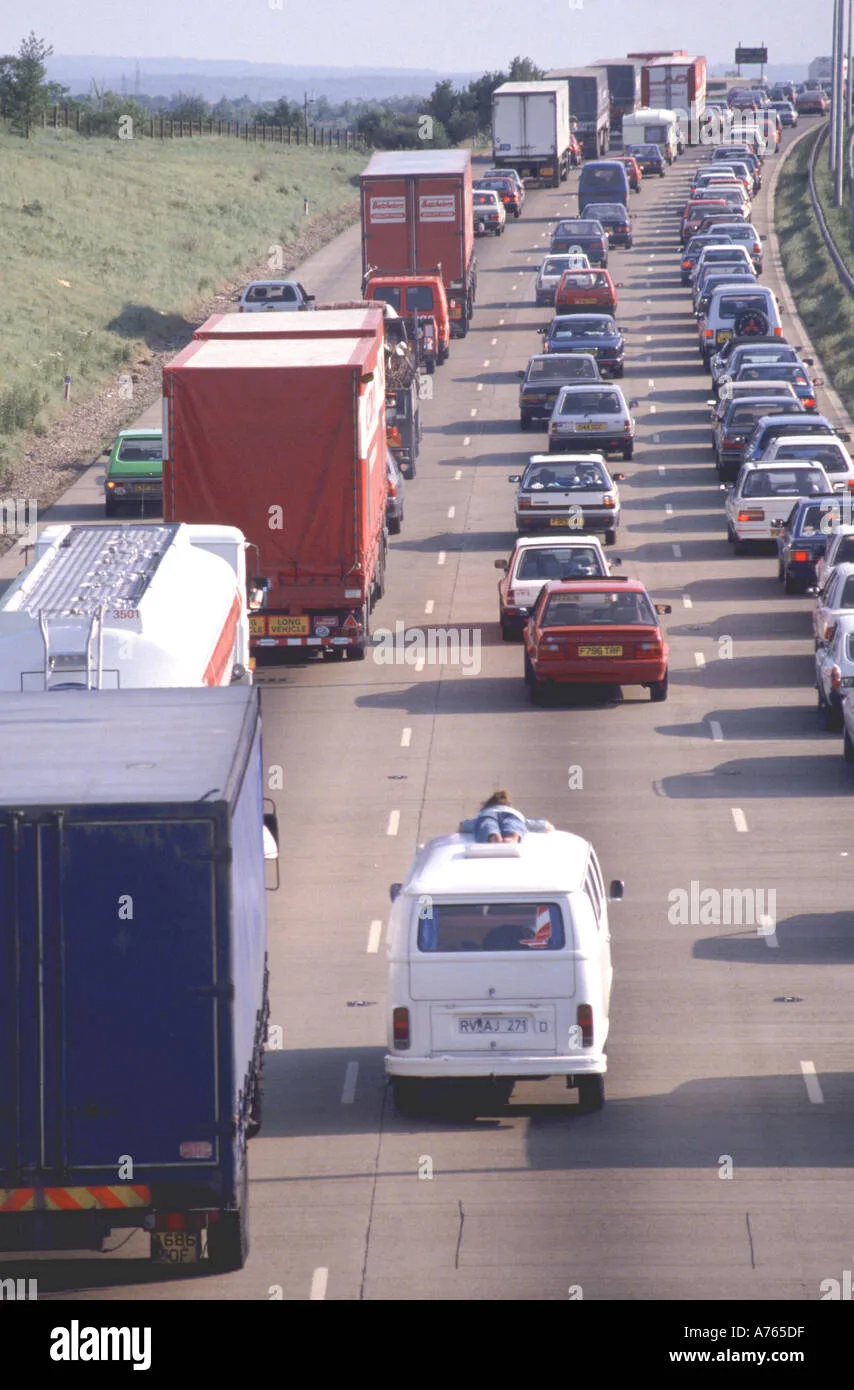
Traffic flow on Colorado's interstates is a balancing act. The left lane passing rule keeps faster vehicles from getting stuck behind slower ones. When drivers camp in the left lane, traffic backs up.
Road rage spikes. Accidents happen.
The real cost of left lane camping
- Congestion spreads across all lanes
- Aggressive drivers weave dangerously through traffic
- Emergency vehicles get delayed
- Your commute time increases by as much as 10% on congested stretches
Think about your daily drive on I-25 or C-470. A single left lane camper can hold up dozens of cars, forcing them to pass on the right. That's where most lane-change collisions occur.
Our research shows that states with strictly enforced left lane laws see 5 to 15 percent fewer overall crashes on multi-lane highways.
Keeping your vehicle in good shape helps you drive safely when you need to pass. Make sure your tires are properly inflated and your brakes are responsive. Regular washing and detailing, like using a proper car wash attachment for your garden hose, can also improve visibility through clean windows and mirrors.
The Core Rule (C.R.S. 42-4-1013) in Plain English
Bing (Web (fair-use with source credit))
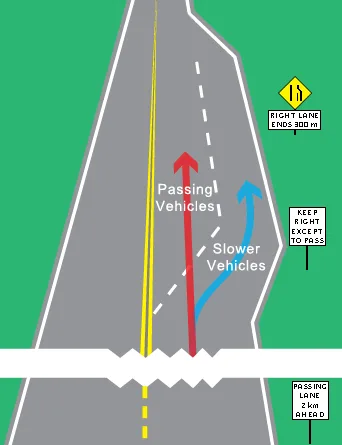
Let's cut through the legal language. Colorado Revised Statute 42-4-1013 says: on any highway with two or more lanes going the same direction, you must drive in the right-hand lane unless you are passing another vehicle. That's it.
You can't just hang out in the left lane because it feels faster or because you're turning left in five miles.
What the law actually says
- Use the right lane for normal travel
- Use the left lane only to overtake slower traffic
- Once you pass, move back to the right as soon as it is safe to do so
- If you are driving slower than the flow of traffic, stay right regardless of the posted speed limit
The key phrase is "as soon as it is safe to do so." That doesn't mean waiting until you've cleared three cars. It means when you have enough space in the right lane to merge without cutting off the vehicle you just passed.
Many drivers mistakenly believe that driving exactly the speed limit in the left lane is acceptable. It is not. If you are blocking faster traffic, you are violating the law even if you are at the speed limit.
The statute does not give you permission to enforce the speed limit by camping in the left lane.
What Counts as "Passing Only" and What Doesn't
Passing means overtaking a vehicle that is moving slower than you. It is a temporary action, not a lane assignment. Here is a simple rule of thumb: if you are not actively overtaking, you do not belong in the left lane.
Valid passing scenarios
- Overtaking a slower car, truck, or RV
- Merging left to avoid an obstruction in the right lane (e.g., debris, disabled vehicle)
- Temporarily moving left to allow merging traffic from an on-ramp to enter safely
- Avoiding a vehicle that is stopped in the right lane for a turn
Not passing (and illegal to stay left)
- Cruising in the left lane because you're going fast
- Staying left because you'll turn left at an exit five miles ahead
- Using the left lane as your default lane out of habit
- Trying to enforce the speed limit by blocking faster drivers
One gray area is the "left lane for carpool" or HOV lane. Those lanes are separate and do not follow the same rule. On I-25, the Express Lanes are for high-occupancy vehicles or toll payers.
You can stay in them without passing. But if you are in a general purpose left lane, the passing rule applies.
When you plan your route, keep your car clean and ready for safe highway driving. Proper car care, like using the recommended psi for washing cars to avoid damaging your paint, is part of being a responsible driver.
Your Rights and Responsibilities on a Multi-Lane Highway
You have a right to use the left lane to pass. You also have a responsibility to move out of it when you are not passing. Both rights and obligations come with clear legal boundaries.
Your rights
- To use the left lane to overtake slower vehicles
- To merge left when the right lane is blocked or unsafe
- To use the left lane when directed by signs or traffic control (e.g., construction zones)
- To expect other drivers to yield the left lane when they are not passing
Your responsibilities
- To move right after passing
- To signal before changing lanes
- To check mirrors and blind spots
- To adjust your speed safely when merging
- To never use the left lane to "teach someone a lesson" by blocking them
Aggressive tailgating is never legal, even if you are being blocked. If someone is tailgating you in the left lane, you should move right as soon as it is safe. Let them go.
Your safety is worth more than proving a point.
If you are the one being tailgated, do not brake-check the driver behind you. That is a leading cause of rear-end collisions. Instead, signal and merge right when you have an opening.
Then continue at your own pace in the right lane.
Taking care of your car's essentials also means knowing when things need replacement. For example, if your car remote goes through the washer and dryer, it can leave you stranded. Being proactive helps you avoid distractions on the road.
Common Myths That Lead to Tickets or Road Rage
Bing (Web (fair-use with source credit))
Misinformation about the left lane law is everywhere. Let's clear up the most common ones.
Myth 1: "I can stay in the left lane as long as I'm going the speed limit."
False. The speed limit does not give you permission to occupy the left lane indefinitely. The law is about lane use, not speed.
You must move right even if you are at the limit.
Myth 2: "The law only applies if there is a sign."
False. Colorado's law is statutory. It applies on all multi-lane highways, whether or not there is a "Keep Right Except to Pass" sign.
Signs exist as reminders, not as the source of the rule.
Myth 3: "I can stay left if I'm turning left soon."
Partially true but limited. If you are within a reasonable distance (usually a mile or less) and the right lane is clear, you may use the left lane to prepare for a left turn. But you cannot camp there for miles.
Myth 4: "The left lane is the 'fast lane' and I can use it if I'm driving fast."
No. There is no "fast lane" in Colorado law. There is a passing lane.
Even if you are driving 80 mph, if someone behind you is faster, you must yield.
Myth 5: "Enforcement is rare, so I don't need to worry."
Enforcement varies by area, but the Colorado State Patrol actively targets left lane violators, especially on rural interstates. A single ticket can cost over $100 with surcharges.
Knowing the facts keeps you safe and ticket-free. While you're at it, make sure your car is road-ready. A clean car is easier to keep visible, so consider using a proper car wash fragrance to keep your interior pleasant and your focus on the road.
Step-by-Step: How to Use the Left Lane Correctly
Using the left lane properly is a simple process. Follow these steps every time.
Step 1: Check your mirrors and blind spot
Look for faster traffic approaching from behind. Signal your intention to merge left.
Step 2: Merge left smoothly
Move into the left lane only when it is clear. Do not slow down abruptly.
Step 3: Pass the slower vehicle
Accelerate slightly if needed. Complete the pass quickly and safely.
Step 4: Check your right mirror and blind spot
Once you have cleared the vehicle you passed, signal right.
Step 5: Merge back to the right lane
Return to the right lane as soon as you have enough space. Do not linger in the left lane.
Step 6: Maintain a steady speed in the right lane
Continue at a consistent speed. The right lane is for travel. The left lane is for passing.
If you need to pass multiple vehicles, you can stay in the left lane longer. But as soon as you have room to move right without cutting anyone off, do it. The goal is to minimize time in the left lane.
Keeping your car's exterior clean helps you stay visible to other drivers. A simple water spray gun for car wash makes quick cleaning easy and effective.
Exceptions – When You Can (and Should) Stay Left
The law allows you to remain in the left lane in certain situations. Knowing these exceptions keeps you legal and safe.
Permitted exceptions
- Avoiding an obstruction: debris, disabled vehicles, or road work in the right lane
- Construction zones: when signs or flaggers direct all traffic into the left lane
- Emergency vehicles: when yielding to an emergency vehicle approaching from behind
- Toll booths or weigh stations: when the right lane is closed for access
- Left exits: when your exit is on the left and you are within one mile (use the left lane only to prepare, not to cruise for miles)
When you should stay left
- When the right lane is significantly slower due to merging traffic
- When the highway splits and your direction requires the left lane (e.g., a left fork)
- When passing a long line of slower vehicles (pass them all at once, then move right)
Be cautious with the "left exit" exception. Many drivers use it as an excuse to camp. Only use it when your exit is imminent.
Fines, Points, and License Impact You Should Know
A left lane violation in Colorado is a moving violation. It comes with financial and record consequences.
Fine structure
- Base fine: $35
- State surcharge: approximately $75 (variable by county)
- Court costs: $10 to $30
- Total typical cost: $100 to $150
Points on your license
- 1 point for a standard left lane violation
- If the violation contributes to a crash, points may be higher
- 12 points in 12 months results in license suspension
Impact on insurance
Your insurance company will see the violation. Expect a premium increase of 10 to 20 percent for three years. Over that period, the ticket can cost you hundreds more in higher rates.
How to contest or reduce the penalty
- Pay the fine: admits guilt, points stay
- Attend defensive driving course: some courts offer point reduction, but not always for lane violations
- Contest in court: you can argue the facts, but without strong evidence (e.g., dashcam footage) you are unlikely to win
The safest strategy is to avoid the violation in the first place. Know the law. Follow it.
Real-World Scenarios: What to Do When a Tailgater Approaches
Tailgating in the left lane is stressful. Here are three common scenarios and the right response.
Scenario 1: You are passing slowly, and a faster driver closes in behind you
Finish your pass as quickly as possible. Do not speed up unnecessarily. Once you clear the vehicle, signal and move right.
Let the faster driver go.
Scenario 2: You are in the left lane, not passing, and a tailgater appears
You are in the wrong lane. Signal right immediately. Move over at the first safe opportunity.
Apologize with a wave. Do not brake-check or gesture angrily.
Scenario 3: Traffic is heavy, and no one can move right
Stay calm. Keep a steady pace. If the tailgater is aggressive, let them pass on the right if possible.
If not, maintain your position until you can move right. Do not escalate.
In all cases, your priority is safety. A moment of frustration is not worth a crash or a ticket.
How Enforcement Actually Works in Colorado
Bing (Web (fair-use with source credit))
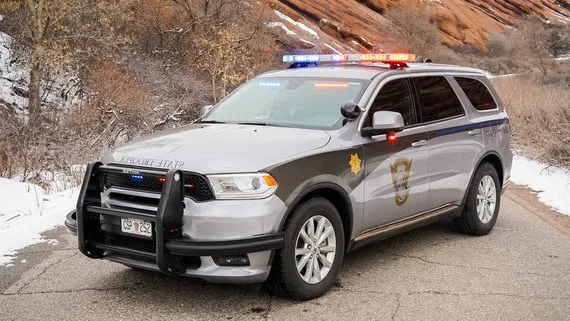
The Colorado State Patrol is the primary enforcer of left lane laws on interstates. Local police may also issue citations on highways within city limits (like I-25 through Denver).
How officers spot violations
- Observation from patrol cars on the shoulder or median
- Aerial enforcement from helicopters (rare but used on I-70 during peak ski traffic)
- Dashcam footage from officer vehicles
What triggers a stop
- Driving in the left lane without passing for an extended distance (typically 0.5 to 1 mile)
- Blocking multiple vehicles behind you while the right lane is open
- Failing to move right after being overtaken by a faster vehicle
Is it enforced equally in urban and rural areas?
No. Rural interstates (I-76, US-287, I-70 east of Denver) see more enforcement per mile. Urban highways have more congestion, making enforcement harder.
But Colorado State Patrol runs targeted campaigns on all highways.
Can you be ticketed without being stopped?
Not directly. Officers must initiate a traffic stop to issue a citation. However, some municipalities use photo enforcement for lane violations.
Check local ordinances.
Mistakes That Even Experienced Colorado Drivers Make
Even long-time residents misunderstand the law. Here are the top mistakes.
Mistake 1: Staying left because "I'm going fast enough"
Speed does not excuse lane camping. The law is about lane use, not speed.
Mistake 2: Not moving right after passing a single car
Many drivers pass one car and forget to move back. They continue in the left lane until they feel like moving. This is illegal.
Mistake 3: Blocking the left lane to prevent speeders
Some drivers intentionally stay left to "slow down" faster traffic. This is not only illegal but dangerous. It provokes aggressive driving.
Mistake 4: Using the left lane as a "travel lane" on a clear road
If the right lane is open and you are in the left lane without passing, you are violating the law. Period.
Mistake 5: Ignoring the rule on three-lane highways
On a three-lane highway, the rule still applies. The leftmost lane is for passing. The middle lane is for travel.
The right lane is for travel and merging.
Avoid these mistakes and you will drive safer, avoid tickets, and reduce road rage encounters.
Frequently Asked Questions
Does the left lane law apply on all roads or only interstates?
It applies on any highway with two or more lanes in the same direction. This includes state highways like US-36, C-470, and major city arterials like Colorado Boulevard.
Can I be ticketed for driving the speed limit in the left lane?
Yes. The law requires you to move right if you are blocking faster traffic, regardless of your speed. The speed limit does not give you a right to stay in the left lane.
How long can I stay in the left lane while passing?
You can stay in the left lane as long as you are actively passing slower vehicles. Once you have cleared them, you must move right. There is no set time limit, but the rule is "as soon as it is safe."
Do HOV lanes count as left lanes under this law?
No. HOV and Express Lanes are separate. You can stay in them without passing.
The passing rule applies only to general purpose lanes.
What should I do if a police officer pulls me over for left lane camping?
Be polite. Acknowledge the violation. Do not argue.
Accept the ticket and consider paying or contesting it in court. Arguing on the roadside rarely helps.
Can I use the left lane to prepare for a left exit?
Yes, but only within a reasonable distance (one mile or less). Do not camp in the left lane for miles before your exit. Move right until you are close.
Final Verdict: One Rule That Makes Everyone Safer
The Colorado left lane passing only law is simple. Use the right lane for travel. Use the left lane for passing.
Move right after you pass. Follow this rule and you will drive safer, avoid tickets, and reduce road rage.
Every driver benefits when everyone follows the same rule. Traffic flows better. Crashes drop.
Commutes shorten. It is one of the easiest ways to improve highway safety across the state.
Keep your car in good condition to handle highway driving safely. Regular maintenance, clean windows, and proper tire pressure all contribute to safe lane changes. And remember: the left lane is not a status symbol.
It is a tool. Use it right and move on.