You glance at a stranger's license plate at a stoplight and wonder, "Is that tab out of date or am I just guessing wrong?" If you have ever been confused by the small colored sticker on a Colorado plate, you are not alone. Colorado license plate expiration dates and month tab color coding is a system that relies on twelve distinct colors plus a two-letter abbreviation, yet most drivers only half understand it. Getting it wrong can mean a ticket, a late fee, or an embarrassing chat with a state trooper.
In our research across Colorado DMV documentation and state statutes as of 2026, the system is simpler than it looks once you know the pattern. The color tells you the month your registration expires. The abbreviation confirms it.
And the year printed on the tab tells you exactly which year you are good through. Let's break it down so you never second-guess a tab again.
Quick Answer
Colorado uses a color-coded sticker on license plates. Each month has a specific color. The sticker also shows a month abbreviation and a year.
Your registration expires on the last day of that month. Renew before the month ends to avoid penalties. The color is the visual shortcut for law enforcement and drivers.
Why the Tab Color Matters More Than You Think
Police officers do not walk up to every car and squint at the tiny printed date. They scan the color from a distance. If the tab color matches a month that has already passed, you become a pull-over candidate.
That is why the color is not decorative. It is the first line of enforcement.
A 2024 Colorado State Patrol report cited expired registration as one of the top five traffic stops in the state. The fine for expired tags starts around $100 and can climb higher if you let it go for months. You also risk having your vehicle impounded in some cases.
Understanding the color coding keeps you out of that cycle.
Image source: Wikimedia Commons / George Wharton James, 1858, 1923
Beyond enforcement, the color system helps you at a glance. You do not have to remember the exact date of your renewal every single day. The tab color sitting on your plate is a constant reminder.
If the color matches the current month, you are fine. If it matches last month, you are overdue.
The system also helps used car buyers. You can look at the tab on a car you are considering and instantly know whether the registration is current. That is a quick piece of due diligence before you hand over any money.
A seller with an expired tab might be cutting corners on other maintenance too.
How Colorado's Month Tab Color Coding Actually Works
The Colorado DMV assigns one color to each month of the year. That color does not change from year to year. January is always the same color, February is always the same color, and so on.
The year printed on the tab changes, but the color stays locked to the month.
Here is the full month-to-color mapping as specified by the Colorado DMV:
| Month | Tab Color |
|---|---|
| January | Red |
| February | Blue |
| March | Green |
| April | Orange |
| May | Yellow |
| June | Silver |
| July | Purple |
| August | Brown |
| September | Gray |
| October | Pink |
| November | Gold |
| December | Black |
Image source: Wikimedia Commons / Riley from Christchurch, New Zealand (CC BY)
A few things to note. The color names are standard, but real-world lighting changes how they look. A gray tab under a streetlight can appear darker.
A silver tab in direct sunlight can look almost white. That is why the abbreviation on the tab matters.
The abbreviation is three letters. JAN, FEB, MAR, APR, MAY, JUN, JUL, AUG, SEP, OCT, NOV, DEC. It is printed in bold on the tab itself.
You should always confirm the abbreviation before relying on the color alone. If the color looks ambiguous, read the letters.
The year is printed separately, usually at the bottom of the tab or inside a small box. It appears as two digits: 25 for 2025, 26 for 2026, and so on. The combination of color, abbreviation, and year gives you everything you need to know about the registration status.
Quick Reference: Which Color Belongs to Which Month
If you want a mental shortcut, memorize the seasons. Winter months lean toward cooler tones. January is red.
February is blue. December is black. Spring months shift toward warmer, brighter colors.
March is green. April is orange. May is yellow.
Summer hits the metallic and bolder tones. June is silver. July is purple.
August is brown. Fall rounds out with neutrals and warm pastels. September is gray.
October is pink. November is gold.
Here is a scannable list for your glove compartment or phone:
- January, Red
- February, Blue
- March, Green
- April, Orange
- May, Yellow
- June, Silver
- July, Purple
- August, Brown
- September, Gray
- October, Pink
- November, Gold
- December, Black
Keeping your plate clean helps the color stay visible. Buildup of dirt and road salt can make any color look muddy. A gentle rinse around the plate area during regular car maintenance makes a difference.
How to Read Your Tab Correctly (Color + Abbreviation + Year)
You have three pieces of information on that small sticker. Do not rely on any single one alone. The color gives you the month at a glance.
The abbreviation confirms it. The year tells you whether you are looking at a current sticker or one from last year.
Let us walk through an example. Say you see a purple tab on a plate. Purple is July.
But is it July 2025 or July 2026? You need to check the year printed on the tab. If the year says 25 and the current year is 2026, that sticker is expired.
If the year says 26, you are good through July 2026.
Here is the reading order:
- Look at the color first. Identify the month from the color chart above.
- Check the abbreviation. Make sure the letters match the month you guessed.
- Find the year. Confirm the registration covers the current year.
This three-step check takes about two seconds once you are used to it. Practice on your own plate first. Then you can read any Colorado plate at a glance.
One trap people fall into is assuming the tab color matches the current month regardless of year. If it is October and you see a purple tab, purple is July, not October. The color never changes, so a purple tab always means July no matter what month you are currently in.
It is expired in October unless the year printed on it covers October.
Common Visual Mistakes That Lead to a Ticket
The most common mistake is confusing similar colors. Silver and gray look alike under certain lighting. Pink and red can be hard to tell apart on a faded sticker.
Blue and purple blur together when the sticker is dirty. These are not excuses a police officer will accept.
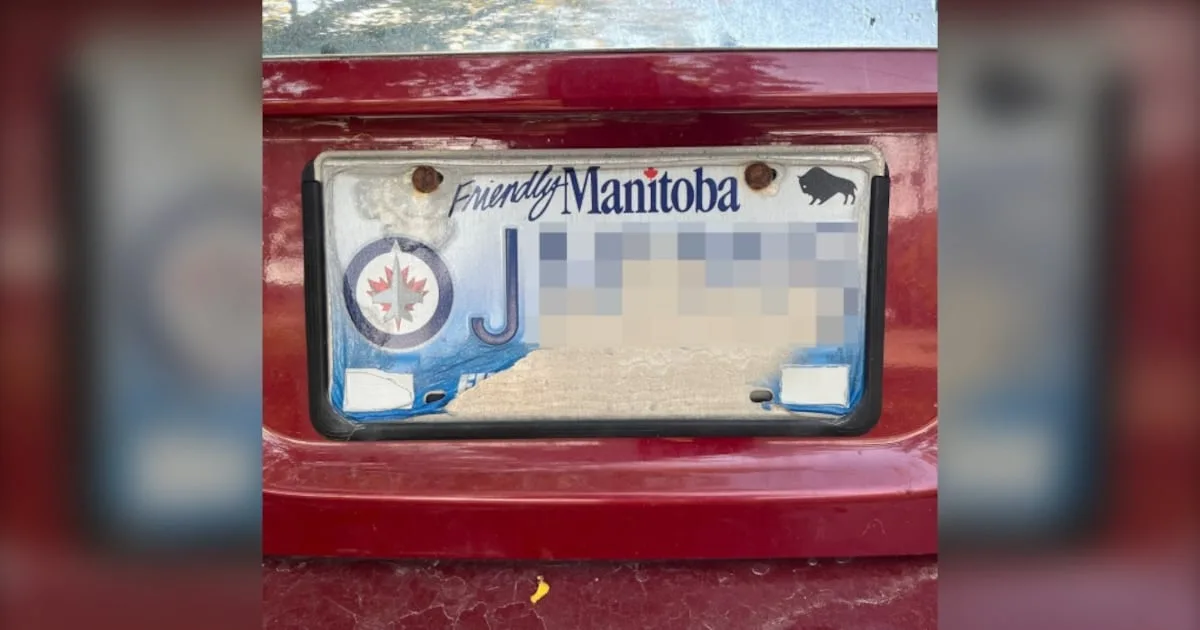
Image source: Bing (Web (fair-use with source credit))
Fading is the biggest issue. Colorado sun is intense, especially at higher elevations. A tab that faces direct sunlight for a full year will wash out.
Red becomes a pale pink. Purple fades to a light lavender. Blue turns into a dusty gray-blue that is hard to identify.
If your tab is fading, replace it as soon as you renew. Do not wait for the next renewal cycle.
Another mistake is peeling tabs. If the sticker starts lifting at the edges, water and dirt get underneath. The adhesive weakens.
Eventually the tab falls off completely. Driving without a visible tab is a ticket on its own. Check your tab every time you wash your car.
If the edges are curling, press them down firmly. If it is already loose, request a replacement from the DMV.
A third mistake is placing the new tab over the old one. Some drivers think stacking tabs saves time. It creates a thick, uneven surface that can make the new tab peel faster.
It also makes it harder to read either tab. Remove the old sticker before applying the new one. A little isopropyl alcohol and a plastic scraper handles the removal cleanly.
Finally, do not rely on memory alone. You might think "I renewed in March, so I am good through March." But if your renewal was actually processed for February, your tab will say February. Always read the sticker.
Do not guess. Your memory is not as reliable as the printed information.
Where the Tab Goes on Your Plate (And Why Placement Matters)
Colorado plates have a specific spot for the month tab. It goes in the upper right corner of the plate. That is standard across all passenger plates in the state.
The placement is intentional. Law enforcement can see it through a windshield or rear window without walking around the vehicle. It also stays somewhat protected from road debris.
The upper corner catches less spray from tires than the lower edge.
Here are the placement rules:
- Front plate. The tab goes in the upper right corner facing outward.
- Rear plate. The tab goes in the same position, upper right corner.
- Motorcycle plates. The tab goes in the upper left corner on most bikes.
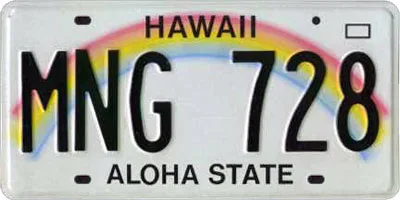
Image source: Wikimedia Commons / Wikimedia Commons contributor
There is a common misconception that you can move the tab to a different corner if the old adhesive leaves a residue. Do not do that. Police officers expect the tab in the standard location.
A tab in the lower left or upper middle can look like you are trying to hide something.
If you have a plate frame, check that it does not cover the tab. Many decorative frames extend over the upper corners. If your frame blocks the sticker, trim the frame or remove it.
A hidden tab is functionally the same as a missing tab in the eyes of the law.
The same goes for trailer hitches, bike racks, or anything mounted near the plate. Make sure the tab remains fully visible at all times.
What Happens When Your Tab Fades, Peels, or Gets Lost
Tabs do not last forever. Colorado weather is tough on stickers. UV exposure at altitude is stronger than in most states.
Freeze-thaw cycles in winter cause the adhesive to contract and expand.
A faded tab is still technically valid. But if an officer cannot read the color, abbreviation, or year, you may still get stopped. The burden is on you to keep the tab readable.
Here is what to do in each scenario:
- Faded but legible. You are fine until renewal. But consider ordering a replacement early if the color is washing out.
- Peeling at the edges. Press it down firmly. Clean the surface first with a dab of isopropyl alcohol on a cloth. Let it dry, then press the tab flat for 10 seconds.
- Tab completely gone. You need a replacement immediately. Driving without a visible tab is a traffic infraction. Request a duplicate sticker from the county DMV where you registered.
- Tab partially torn. Same as missing. Replace it.
Requesting a replacement tab costs a small fee. As of 2026, the Colorado DMV charges $4 for a duplicate registration sticker. You can order online or visit your local county motor vehicle office.
Expect 7 to 10 business days for mail delivery.
One practical tip. When you renew, apply the new sticker to a clean, dry plate. A clean surface helps the adhesive bond.
A dirty surface traps moisture and leads to early peeling.
Renewal Timeline: When You Can Renew and When You Must
Colorado allows you to renew your vehicle registration up to 30 days before the expiration month. That window gives you plenty of time to handle any requirements.
The expiration date is the last day of your assigned month. If your tab says JUN 26, your registration expires on June 30, 2026. You can renew as early as June 1.
Some drivers renew in May to beat the end-of-month rush.
Here is the timeline:
- 30 days before expiration. Renewal window opens.
- Start of expiration month. Last chance to renew without late fees.
- First day after expiration month. Late fees begin accruing.
- 90 days past expiration. Vehicle may be flagged for enforcement actions.
If you need an emissions test, do it before you start the renewal process. The test results get submitted electronically to the DMV. You cannot complete an online renewal without passing emissions if your county requires it.
Colorado sends a renewal notice by mail about 45 days before expiration. That notice includes your renewal code and instructions. If you do not receive one, do not assume you are off the hook.
You are still responsible for renewing on time. You can look up your renewal status on the Colorado DMV website using your plate number.
Step-by-Step: Renewing Online or In Person
Renewing online is the fastest method for most drivers. Here is the process:
- Visit the Colorado DMV vehicle renewal portal.
- Enter your plate number and the last four digits of your VIN.
- Confirm your current address.
- Pay the renewal fee with a credit or debit card.
- Print the temporary registration if you want instant proof.
The new tab arrives by mail in 7 to 10 business days. You can drive on the expired tab during that waiting period as long as you have your printed temporary permit. Keep it in your glove compartment.
If you prefer to renew in person, visit your county motor vehicle office. Bring your current registration card, proof of insurance, and payment. The staff will issue a new tab on the spot in most counties.
Here is a comparison of the two methods:
| Factor | Online Renewal | In-Person Renewal |
|---|---|---|
| Speed | 5 minutes | 20 to 40 minutes wait |
| Tab delivery | Mail (7 to 10 days) | Instant |
| Emissions check | Automatic verification | Must bring proof |
| Payment | Card only | Card, cash, or check |
| Address change | Must update first | Can update in person |
If your address has changed, update it before renewing. A tab sent to an old address is still your responsibility. You cannot use "I never got it" as a valid excuse if you get pulled over.
Costs, Late Fees, and Penalties You Need to Know
The annual registration fee in Colorado depends on your vehicle's age, weight, and county of residence. A typical passenger car falls between $50 and $100 per year. Newer, heavier, or more expensive vehicles cost more.
Late fees add up fast. The Colorado DMV charges a $10 penalty for late renewal. That is per month, not per day.
If you are three months late, that is $30 in late fees on top of the registration cost.
Here is the full breakdown:
- Registration fee. Varies by vehicle. Use the DMV fee estimator online.
- Late fee. $10 per month after expiration.
- Emissions test. $25 to $40 depending on the testing station.
- Duplicate tab. $4 if yours gets lost or damaged.
- New plate fee. $5 to $10 if you need a replacement plate.
Beyond the DMV fees, there are legal penalties. Driving with expired tags is a class A traffic infraction in Colorado. The base fine is $100.
With court costs and surcharges, the total can reach $150 or more.
If you let the registration lapse for over 90 days, the state may flag your vehicle. You could face additional penalties during renewal. Some counties require a physical inspection before they issue a new tag.
One more thing. Parking enforcement in Denver, Boulder, Colorado Springs, and other cities also checks tabs. An expired tag on a parked car can earn you a separate citation.
That is an easy way to rack up fines without even driving.
Keep your renewal date in your phone calendar. Set a reminder 30 days before expiration. That single habit saves you money, time, and the hassle of a traffic stop.
Legal Risks of Driving with Expired Tags in Colorado
Expired registration is a class A traffic infraction under Colorado law. The base fine is $100, but court fees push it higher. You also get points on your driving record.
If you let it lapse for six months or more, the state can suspend your vehicle registration. That means you cannot renew without paying reinstatement fees. In extreme cases, law enforcement can impound the vehicle.
Repeat offenses carry steeper fines. A second expired tag citation within a year can double the penalty. Set that calendar reminder now.
Emissions Testing: Is Your County on the List?
Colorado requires emissions tests in specific counties. You cannot renew online without passing first if you live in one of these areas.
The required counties are Adams, Arapahoe, Boulder, Broomfield, Denver, Douglas, Jefferson, Larimer, Weld, and parts of El Paso. Rural counties like Mesa, Montrose, and La Plata do not require testing.
If you move from a non-emissions county to one that requires testing, you must get tested at your first renewal. The test costs $25 to $40 and takes about 20 minutes. Fail the test, and you cannot renew until repairs are made.
Real Scenarios: What Colorado Drivers Commonly Miss
Three scenarios cause the most trouble. First, buying a used car with a tab that matches the current month but the wrong year. Always check the year digit, not just the color.
Second, thinking a temporary permit replaces the need for a tab. Temporary permits expire. You must have the actual tab on the plate once the permit runs out.
Third, assuming your spouse or roommate renewed the car. That shared-vehicle blind spot leads to more expired tags than anything else. Check your plate today.
Frequently Asked Questions
What color is my Colorado registration tab?
Your tab color depends on your expiration month. January is red, February is blue, March is green, and so on. Check the full color chart in the Quick Reference section above.
Can I drive with a faded tab?
Yes, as long as the color, abbreviation, and year are still readable. If the tab is too faded to identify, order a replacement from the DMV for $4.
What happens if my tab falls off?
Order a duplicate immediately. You can drive with the printed temporary permit from your online renewal. Without either, you risk a ticket.
How much is the late fee in Colorado?
The late fee is $10 per month after your expiration month. The clock starts on the first day after your expiration month ends.
Do I need an emissions test to renew?
Only if you live in an emissions-required county. Check the list above. If your county is not listed, you skip the test entirely.
Can I renew online if my address changed?
Yes, but update your address with the DMV first. A tab mailed to an old address is still your responsibility if it gets lost.