If you're looking into Colorado low-speed electric vehicle registration and highway restrictions, the first thing to know is this: it's not the same as owning a regular car. A low-speed electric vehicle (LSV) comes with a separate set of rules that catch even experienced drivers off guard. You cannot just buy one, slap a plate on it, and hit the road.
Colorado law draws a hard line between an LSV and a full-speed vehicle. Per Colorado Revised Statutes, an LSV must have a maximum speed between 20 and 25 mph. As of 2026, any road with a posted speed limit over 35 mph is off-limits.
Get it wrong and you're looking at fines, impoundment, or worse. Let's walk through exactly what you need to know to stay legal and safe.
Quick Answer
Colorado low-speed electric vehicles must be registered with the DMV. They require a VIN inspection and proof of insurance. LSVs can only operate on roads with a 35 mph speed limit or less.
They cannot cross highways unless at an intersection with a traffic control device.
Why This Matters More Than You Think (And What's at Stake)
The consequences of ignoring Colorado's LSV laws go beyond a simple ticket. We're talking about fines, points on your license, and even having the vehicle impounded. In our research, the most common mistake owners make is driving on a road that looks safe but is actually prohibited.
Think about a typical Colorado suburban road. It might feel quiet and residential. But if that road is posted at 40 mph, you are not allowed on it.
The law is strict and enforcement is real. Local police and state troopers know the rules. They pull people over for this all the time.
Beyond the legal risk, there is a safety factor. You are driving a vehicle that tops out at 25 mph. On a road where traffic moves at 40 or 45 mph, you become a hazard.
The speed differential is dangerous. That is why the law exists. Protecting yourself from fines and protecting yourself from a collision are the same thing here.
Are You Driving an LSV or Just a Golf Cart?
This is the first question you need to answer honestly. A golf cart is not a low-speed electric vehicle. Not in the eyes of Colorado law.
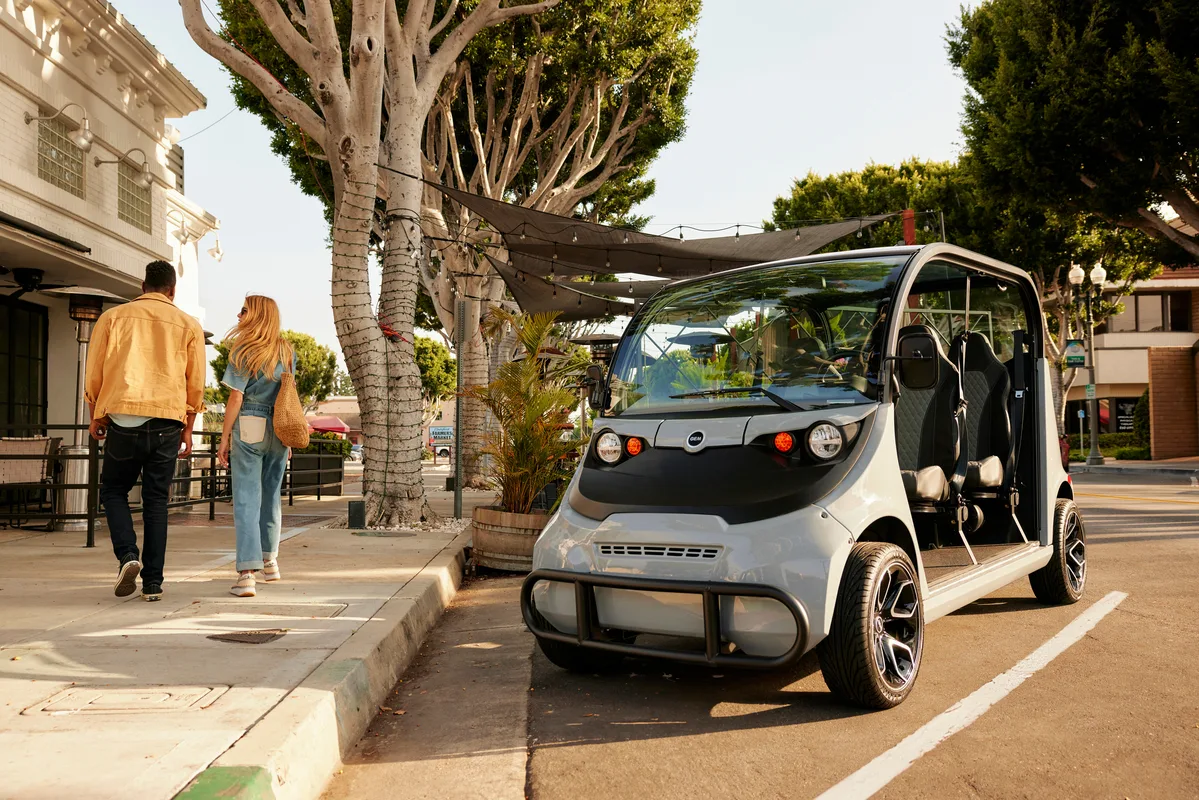
An LSV meets Federal Motor Vehicle Safety Standard No. 500. That means it comes from the factory with specific safety equipment.
An LSV must have:
- Headlamps, taillamps, and stop lamps
- Turn signals
- Reflex reflectors
- A parking brake
- A windshield
- Seat belts for each occupant
- A vehicle identification number (VIN)
A standard golf cart has none of these things. If you buy a used golf cart thinking you can register it as an LSV, you are in for a surprise. Upfitting an older cart to meet these standards can cost hundreds or even thousands of dollars.
It is not a simple addition.
We have seen people buy a "street legal" golf cart from a dealer, only to find out it does not meet Colorado's specific requirements. Our advice: start with a vehicle that has a manufacturer's certificate of origin stating it meets FMVSS 500. That is your safest bet.
The Highway Rule That Catches Most People Off Guard (CRS § 42-4-1114)
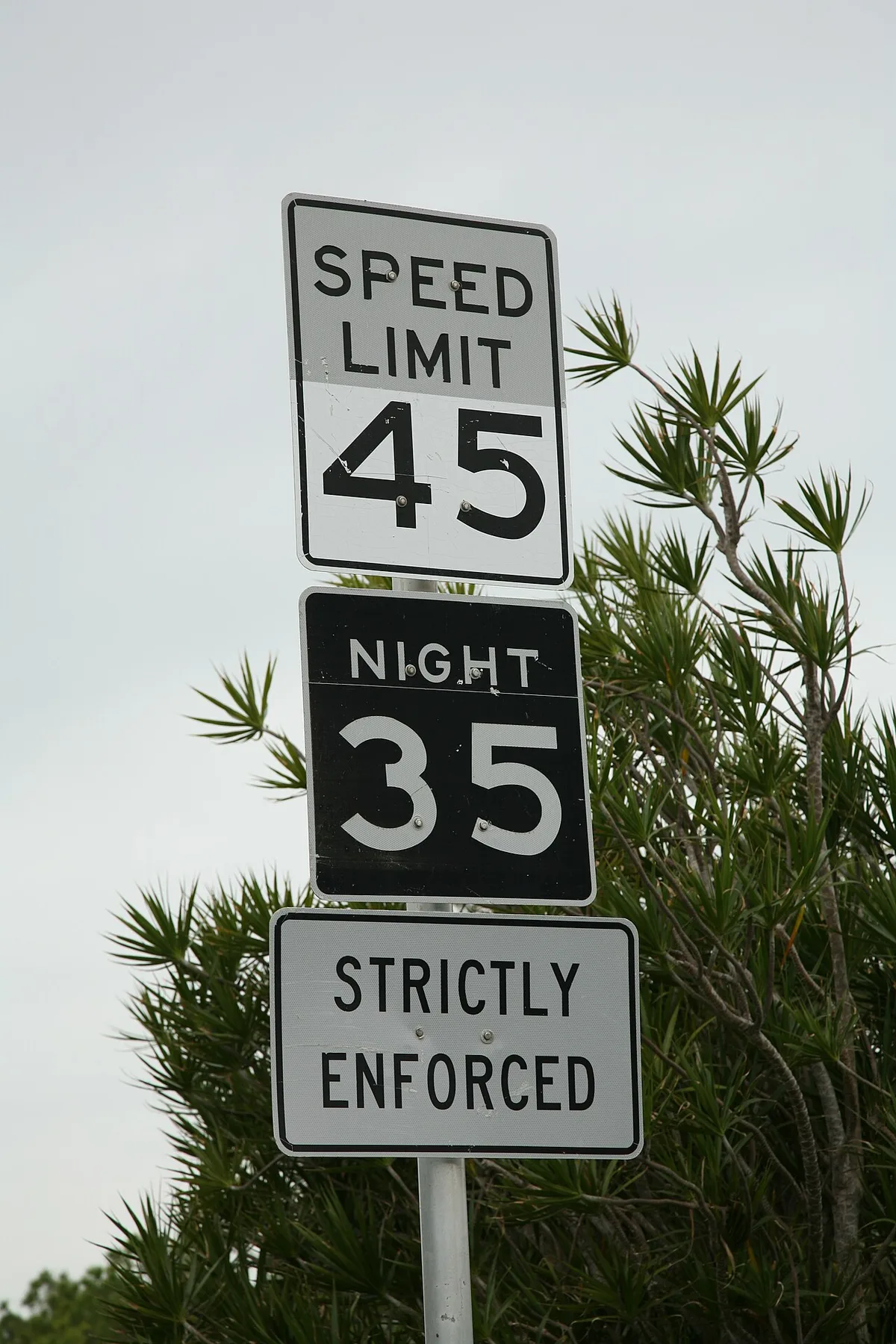
Here is the section that confuses most LSV owners. Colorado Revised Statutes § 42-4-1114 is the law that governs low-speed electric vehicles on public roads. It says you cannot operate an LSV on any highway with a speed limit greater than 35 mph.
That seems simple. But the confusion comes from the word "highway." In Colorado law, a highway is any public road. That includes city streets, county roads, and state highways.
If the posted speed limit is 40 mph, that road is off-limits. End of story.
There is one exception. You can cross a prohibited highway at an intersection if it has a traffic control device. That means a stop sign or a traffic light.
You are not allowed to cross at a random spot or a simple yield sign. You must cross at a controlled intersection.
A practical example: if you live in a neighborhood that borders a 45 mph road and your only exit crosses that road, you need a stop sign or a light at that crossing. Otherwise, you are stuck. Many LSV owners in Colorado face this exact problem.
Check your exit routes before you buy.
Step-by-Step: How to Register an LSV in Colorado
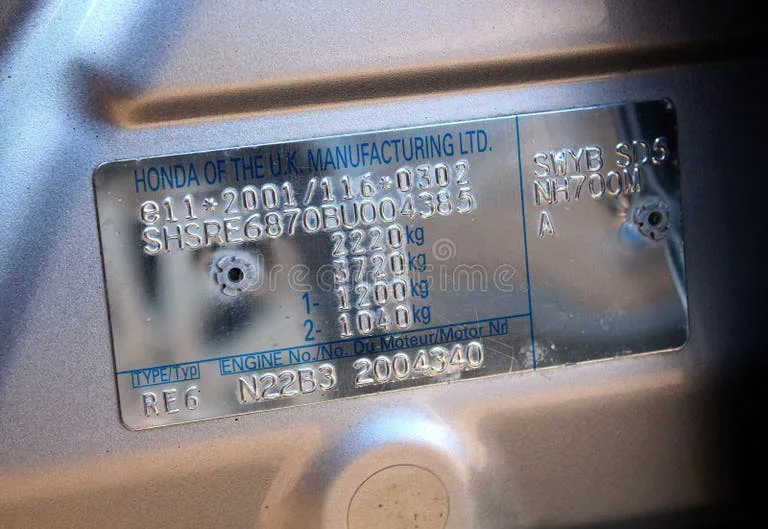
Registering an LSV in Colorado is not the same as registering a regular car. The process has specific steps you cannot skip. Here is how to do it right.
Step 1: Confirm Your Vehicle Meets FMVSS 500 Standards
This is your starting point. Check the manufacturer's statement of origin or the window sticker. It should say the vehicle complies with Federal Motor Vehicle Safety Standard No. 500.
If it says "golf cart" or "off-road vehicle," you cannot register it as an LSV.
Step 2: Schedule a VIN Inspection
Colorado requires a VIN inspection for any out-of-state or previously unregistered vehicle. You can do this at any Colorado State Patrol office or county sheriff's office. The fee is usually between $15 and $25.
Bring the vehicle and your proof of ownership.
Step 3: Gather Your Paperwork
You will need:
- The manufacturer's certificate of origin (new) or the previous title (used)
- A bill of sale
- Proof of Colorado insurance (minimum 25/50/15 liability)
- Your VIN inspection certificate
Step 4: Apply at the DMV
Go to your local Colorado Division of Motor Vehicles office. Fill out Form DR 2395, Application for Title and Registration. You will pay:
- Ownership tax: 2.1% of the first $10,000 of the purchase price
- Registration fee: varies by county, generally $50 to $100 annually
- Any applicable late fees if you are past the 60-day window
Step 5: Get Your Plates
Once processed, you will receive standard Colorado license plates. The DMV will issue a registration card and a plate. Some counties offer special plates for low-speed vehicles.
Check with your local office.
Where You Can Drive — And Where You Cannot
This section is the one you will reference most often. Understanding the boundaries of where an LSV is legal in Colorado is essential for daily use.
Roads Under 35 mph Allowed
You can drive on any public road where the posted speed limit is 35 mph or less. This includes most residential streets, many collector roads, and some downtown areas. If the speed limit sign says 35 mph, you are good.
If it says 40 mph, stop. You cannot drive there.
Intersection Crossing Rules You Must Follow
You can cross a road with a speed limit over 35 mph only at intersections with a traffic control device. A stop sign or a red light is acceptable. A yield sign or an uncontrolled intersection is not.
This is a specific requirement in CRS § 42-4-1114. Many owners assume they can cross anywhere. That assumption leads to tickets.
Local Ordinances: Denver, Colorado Springs, Mountain Towns
Colorado allows local governments to add their own restrictions. Denver has specific ordinances that limit LSV operation to certain neighborhoods. Colorado Springs permits LSVs on most city streets under 35 mph, but prohibit them on arterial roads.
Mountain towns like Breckenridge and Vail have their own rules, often tied to tourism and pedestrian traffic.
Our advice: before you drive your LSV in a new town, check the local municipal code. A quick search of the city's website will tell you if there are additional restrictions. Ignorance of local laws is not a defense.
The 5 Most Common Registration Mistakes (And How to Avoid Them)
We see the same errors over and over in Colorado LSV registrations. These mistakes cost time and money. Here is what to watch for.
Mistake 1: Skipping the VIN Inspection
You cannot register an LSV without a valid VIN inspection from Colorado State Patrol or a sheriff's office. This is not optional. Some buyers assume the dealer's paperwork is enough.
It is not. Schedule your inspection before you go to the DMV. The fee is small.
The delay from skipping it is not.
Mistake 2: Buying a Golf Cart Labeled "Street Legal"
A dealer's "street legal" sticker does not mean the vehicle meets FMVSS 500. Always check the manufacturer's statement of origin. If it says "off-road" or "golf cart," you cannot register it as an LSV in Colorado.
Save the receipt and check before you hand over cash.
Mistake 3: Insuring It as a Golf Cart
Standard golf cart insurance is not the same as LSV insurance. Colorado requires minimum liability coverage of 25/50/15 for LSVs. Call your insurance agent and confirm the policy is written for a low-speed electric vehicle.
A golf cart policy will not satisfy the DMV's proof of insurance requirement.
Mistake 4: Assuming All Residential Roads Are Legal
A quiet residential street might still have a speed limit over 35 mph. Check the posted limit. If there is no sign, assume the default state limit applies.
In Colorado, residential default limits vary by municipality. Do not guess. Look for a sign or check the city code online.
Mistake 5: Forgetting the 60-Day Window
Colorado gives you 60 days from the purchase date to register any vehicle. After that, late fees apply. For LSVs, the penalty structure is the same as for regular cars.
Do not let it slide. Register within the window and save the headache.
What This Actually Costs — Registration Fees, Taxes, and Hidden Expenses
Many buyers focus on the purchase price and forget the ongoing costs. Here is a breakdown of what you will pay.
| Expense | Estimated Cost | Frequency |
|---|---|---|
| Ownership tax | 2.1% of first $10,000 of purchase price | One time |
| Registration fee | $50 to $100 | Annually (varies by county) |
| VIN inspection | $15 to $25 | One time |
| License plates | Included in registration fee | Annually |
| Insurance | $200 to $500 per year | Annually |
| Title application | $8 to $15 | One time |
Hidden costs include winter battery range loss. Lithium-ion batteries lose up to 30% capacity in Colorado's cold months. Lead-acid batteries lose more.
Factor in replacement costs down the line. A new LSV battery pack runs $1,000 to $2,500.
Maintenance is lower than a gas car. No oil changes. No transmission.
Tires and brakes wear slowly. You will save on fuel and routine service. But battery replacement is the big ticket item you need to plan for.
Night Driving, Winter Range, and Other Colorado Realities
Colorado's climate and geography create unique challenges for LSV owners. Let's cover the big ones.
Night Driving Rules
You can drive an LSV at night if it has the required lighting equipment. That means headlamps, taillamps, and reflectors. The law does not prohibit nighttime operation.
But safety is a real concern. On dark residential roads, a 25 mph vehicle can be hard for other drivers to see. Use extra caution.
Add reflective tape if needed.
Winter Range Loss
Cold temperatures drain batteries faster. Our research shows that lithium-ion packs lose about 20% to 30% of their range below 32°F. Lead-acid batteries lose more.
Plan your routes accordingly. If you need 15 miles of range in summer, expect only 10 to 12 miles in January.
Steep mountain roads also drain range faster. Colorado is not flat. Going uphill uses more power.
Regenerative braking helps on the way down, but it does not fully compensate. Know your battery's real-world range before you push it.
Altitude Effects
Higher altitude means thinner air. That does not affect electric motors the way it affects gas engines. But cold temperatures at altitude do affect batteries.
If you live in a mountain town above 8,000 feet, expect more range loss than the Front Range.
Who Should Buy an LSV in Colorado — And Who Should Pass
LSVs are not for everyone. Here is who benefits most and who should keep looking.
LSVs Are a Great Fit For
- Residents of master-planned communities like Highlands Ranch or Castle Pines where roads stay under 35 mph.
- Retirees in 55+ neighborhoods with short trips to the clubhouse, store, or golf course.
- Second-home owners in resort towns who need a cheap runabout for errands within a mile or two.
- Campus commuters at universities or large medical centers where parking is tight and distances are short.
LSVs Are a Poor Fit For
- Anyone who needs to cross a 45 mph highway to reach essential services. If your grocery store is on the other side of a 40 mph road, you cannot legally get there.
- Drivers in rural areas where the nearest paved road is posted at 45 mph or higher. You will be trapped on your own property.
- People who need to drive in winter over long distances. Range loss and cold make daily commutes unreliable.
- Mountain residents who need to climb steep passes. An LSV struggles on grades above 10%.
Before you buy, map your typical routes. Check the speed limits. If you hit a single road over 35 mph that you cannot avoid, an LSV is not right for you.
Your Legal Obligations: License, Insurance, and Proof of Compliance
You need a valid Colorado driver license to operate an LSV. Any class works. No special endorsement required.
You must carry it with you.
Insurance is mandatory. Colorado requires every registered vehicle to have liability coverage. For LSVs the minimum is 25/50/15.
That means $25,000 per person for bodily injury, $50,000 per accident, and $15,000 for property damage. Keep proof of insurance in the vehicle.
You must carry your registration card and license plate at all times. The plate goes on the rear of the vehicle. Some owners try to skip the plate because the LSV looks like a golf cart.
Do not do that. Police will pull you over.
Local compliance varies. Some cities require a permit or a safety inspection beyond the state requirements. Check with your city clerk's office.
We recommend doing this before you buy, not after.
If you are pulled over, the officer will ask for license, registration, and insurance. The same rules apply as for a regular car. Treat your LSV like a real vehicle.
The law does.
Quick Answers to the Questions Every Colorado LSV Owner Asks
Do I need a special license to drive an LSV in Colorado?
No. A standard Colorado driver license of any class is all you need. No motorcycle endorsement or commercial license required.
Just carry your license with you whenever you drive.
Can I drive an LSV on the shoulder of a highway?
No. Colorado law does not permit driving on the shoulder to bypass highway restrictions. If the road's speed limit exceeds 35 mph, the shoulder is also off-limits.
This is a common misconception.
What happens if I get caught on a prohibited road?
You face a traffic citation with fines starting around $100 plus court costs. Repeat violations can add points to your license. In some cases, the officer may impound the vehicle.
It is not worth the risk.
Can I modify my LSV to go faster than 25 mph?
Legally, no. If you modify the vehicle to exceed 25 mph, it no longer meets the FMVSS 500 definition of an LSV. It would need to be reclassified and meet full passenger vehicle standards.
That is expensive and complicated.
Do I need to insure an LSV the same as a car?
Yes. The minimum liability coverage is identical: 25/50/15. Your insurance card must reflect the vehicle as a low-speed electric vehicle.
A golf cart policy will not satisfy Colorado DMV requirements.
Can I drive my LSV in bike lanes?
It depends on the municipality. Some Colorado cities allow LSVs in bike lanes. Others prohibit it.
Check the local ordinance in your city. Denver and Colorado Springs have different rules on this point.
Decision Guide: Is an LSV Right for Your Colorado Drive?
Let's simplify the choice. Run through these questions honestly.
First, map your daily routes. Do all the roads you need to travel have a posted speed limit of 35 mph or less? If yes, an LSV can work.
If any road exceeds 35 mph and you cannot avoid it, stop here.
Second, check your crossing points. Can you cross any prohibited highway only at a controlled intersection with a stop sign or traffic light? If you need to cross at an uncontrolled spot, you will be stuck.
The law does not allow it.
Third, consider winter. Do you need reliable transportation in January? If so, factor in the 20% to 30% range loss.
Plan your routes with a safety buffer.
Fourth, evaluate your budget. The purchase price is low. But battery replacement in four to six years can cost $1,000 to $2,500.
Factor that into your total cost of ownership.
If you answered yes to all four questions, an LSV is a smart choice. It saves money, works great for short trips, and keeps your carbon footprint low.
If you hesitated on any of them, consider a full-speed electric vehicle instead. The extra upfront cost buys you full road access and no route restrictions. For many Colorado drivers, that flexibility is worth the price.