Colorado mandatory liability insurance minimum coverage limits and verification aren't just fine print you sign and forget. They're the legal foundation of driving in this state. They affect everything from your registration to your wallet after a crash.
Get them wrong, and you're looking at fines, suspended plates, and serious financial exposure.
As of 2026, Colorado law requires all drivers to carry at least 25/50/15 in liability coverage. That's $25,000 per person for bodily injury, $50,000 per accident, and $15,000 for property damage. The state doesn't just trust you to buy a policy.
It uses an electronic verification system that checks your insurance status every time you renew your registration. Let's walk through how it all works, what the minimum actually covers, and why you might want more.
Quick Answer
Colorado requires minimum liability coverage of 25/50/15. The state verifies your insurance electronically at registration renewal. Driving without proof leads to fines, suspension, and impound.
Always carry an up-to-date ID card. The minimum may not protect your savings after a serious accident.
Why These Limits Matter More Than You Think
Most drivers focus on the price of a policy and stop there. But the real question isn't what the minimum costs. It's what happens when you need it.
Colorado is a tort state. That means the at-fault driver is personally liable for the other person's damages. If you cause an accident and your insurance limits get exhausted, the other party can come after your personal assets.
Your car, your house, your future wages.
The state minimum limits haven't changed in years. But medical costs and repair bills sure have. A single overnight hospital stay after a car crash averages well over $30,000 in Colorado.
That's more than your entire bodily injury per-person limit. One accident with two injured people could leave you paying out of pocket for the second person's medical bills.
The verification system adds another layer. If your policy lapses for even a day, the state finds out fast. Your registration gets flagged.
You could lose your plates before you realize there's a problem.
The 25/50/15 Minimum — What It Actually Covers
Let's break the numbers down clearly.
| Coverage Type | Limit | What It Pays For |
|---|---|---|
| Bodily injury per person | $25,000 | Medical bills, lost wages, pain and suffering for one person you injure |
| Bodily injury per accident | $50,000 | Total available for all injured people in one accident (shared among them) |
| Property damage per accident | $15,000 | Repairs to the other vehicle, fence, building, or anything else you damage |
Here's what the minimum does NOT cover. It provides nothing for your own injuries or damage to your car. That requires optional collision and comprehensive coverage.
It doesn't cover uninsured or underinsured motorist protection either. Colorado requires insurers to offer it, but you can reject it in writing.
Think of the 25/50/15 as a bare-bones safety net. It satisfies the law and lets you register your vehicle. But it leaves huge gaps if you're at fault in anything worse than a minor fender bender.
How Colorado's Electronic Verification System Works
Colorado uses a system called the Electronic Insurance Verification program. It's run by the Colorado Department of Revenue Motor Vehicle Division. Here's how it works in plain language.
Your auto insurer reports your coverage data to the state. This happens regularly, usually every month. The system matches your policy information against registration records.
When you renew your registration, the system automatically checks whether your VIN is linked to an active, compliant policy.
If everything matches, your renewal goes through without a hitch. If there's a problem, you get a notice telling you to provide proof of insurance. You have a short window, typically 30 days, to respond.
After that, your registration gets suspended.
The tricky part is timing. A policy that expires today might not show as lapsed in the state system for a day or two. Or your new insurer might not have reported yet.
This gap is where many drivers get caught. You think you're covered, but the state's records haven't caught up.
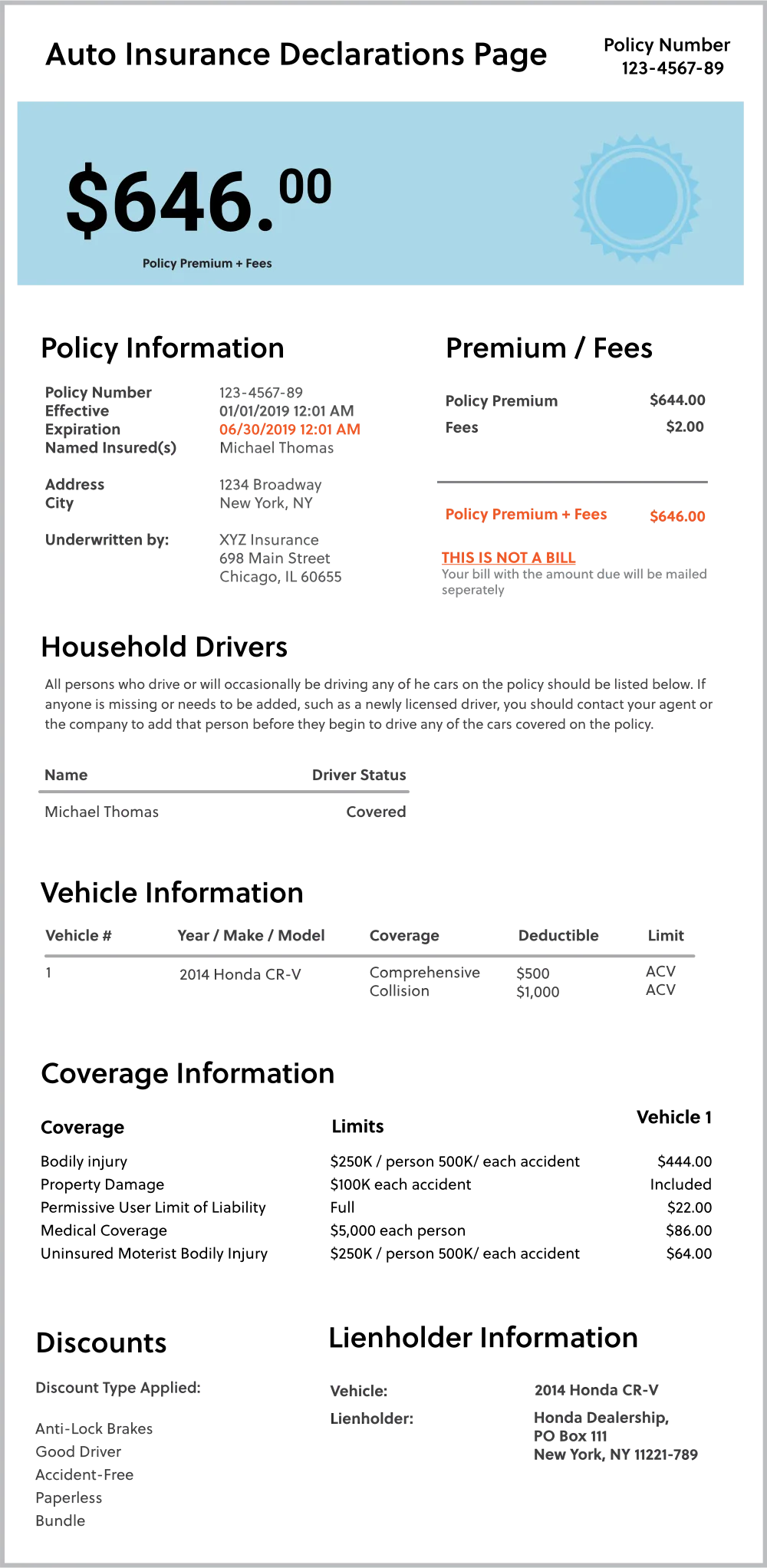
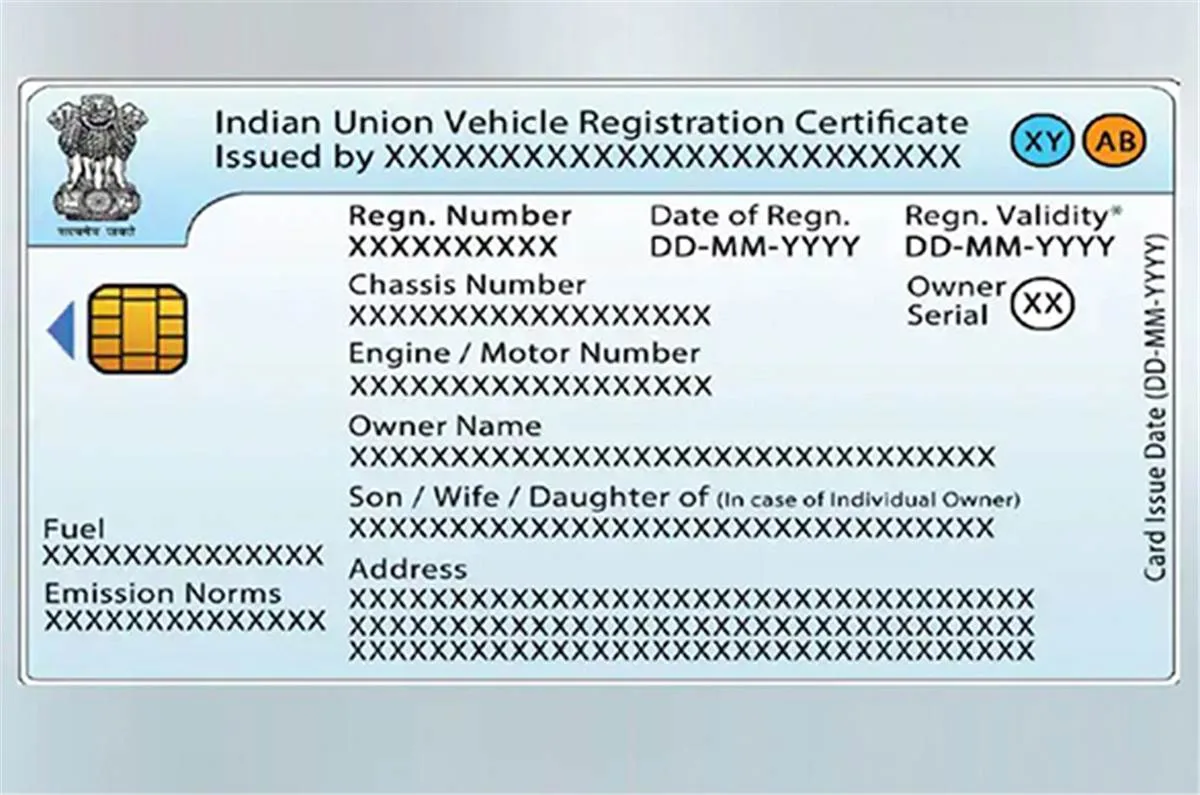
Always keep a digital or paper proof of insurance card in your vehicle. That's your backup if the electronic record has a hiccup. Your insurer is required to provide one when you buy a policy.
What Happens When You Drive Without Proof
The penalties stack up fast.
- First offense: Fine of at least $500. Possible suspension of your driver's license and registration.
- Second offense: Fine of at least $1,000. Suspension lasts until you provide proof of insurance and pay reinstatement fees.
- Vehicle impoundment: Your car can be towed and held until you show valid coverage.
- Court appearance: Some offenses require you to appear in court, costing you time and potential attorney fees.
Beyond the fines, there's the SR-22 requirement. If you're caught driving uninsured, the state may require you to file an SR-22 certificate. That's a form your insurer submits to prove you carry the mandated coverage.
It stays on your record for three years. And it usually raises your premiums significantly.
Trying to show fake proof is a bad idea. Providing a false insurance card is a crime in Colorado. It carries separate penalties that can include jail time.
The Hidden Cost of Sticking With State Minimums
The minimum limits look cheap on paper. But they can be the most expensive decision you make.
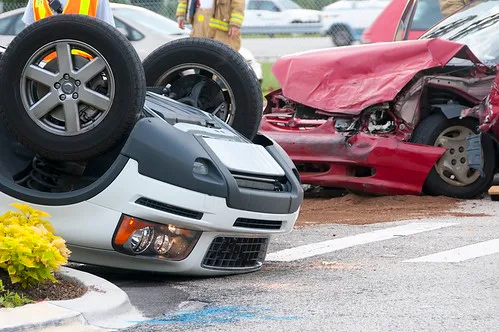
Here's a common scenario. You're at fault in a multi-car accident on I-25 near Denver. Two people in the other vehicle go to the hospital.
Total medical bills come to $60,000. The other car is totaled. Add another $30,000 in property damage.
Your 25/50/15 policy pays $50,000 toward the medical bills (the per-accident cap) and $15,000 toward the car. That covers $65,000 of a $90,000 mess. The remaining $25,000 is your responsibility.
If you don't have cash, the injured parties can sue you, garnish your wages, or place a lien on your home.
Now compare that to a policy with 100/300/50 limits. The jump in premium is usually modest, often $10 to $30 more per month. That extra $120 to $360 per year could save you from a six-figure judgment.
The same logic applies to uninsured motorist coverage. Colorado's uninsured driver rate hovers around 12 to 15 percent. If someone without insurance hits you, your own uninsured motorist policy covers your medical bills.
The state minimum doesn't require this coverage. Rejecting it is one of the riskiest moves you can make.
Step-by-Step: Getting and Keeping Your Insurance Verified
The process is simpler when you know what's coming. Here's what to do.
Getting initial verification:
- Buy a policy from a licensed Colorado insurer. Make sure it meets or exceeds 25/50/15.
- Your insurer will give you an insurance ID card. Keep a physical or digital copy in your car.
- The insurer reports your policy to the state electronically within a few days.
- When you register your vehicle, the DMV system checks your VIN against the electronic record.
- If everything matches, you get your plates and registration. If not, bring your ID card to a DMV office.
Keeping verification active:
- Pay your premium on time. A lapse of even one day triggers a non-renewal notice in the state system.
- When you switch insurers, make sure the new policy starts before the old one ends. Cancel only after the new coverage is active.
- Renew your registration annually. The verification check happens each time.
- Update your address with your insurer and the DMV. Mismatched addresses can cause verification failures.
Common verification errors:
- Your VIN doesn't match what the insurer submitted. Check for typos.
- You bought a new car and the old one's policy isn't updated yet.
- Your insurer failed to report the renewal. Call them to confirm.
- The state system is behind by a day or two. Keep your paper card handy.
Common Verification Errors That Get Your Registration Suspended
Most verification problems aren't your fault. But you're still the one who loses your plates. Here are the ones that trip people up most often.
Insurer reporting delays. Your new policy might be active for several days before it shows up in the state database. If you register during that gap, the system says "no coverage found." Always wait at least 48 hours after buying a policy before trying to register.
VIN mismatch. A single digit off on your VIN makes the system reject your policy. Double-check the VIN on your insurance card matches your vehicle registration exactly.
Policy cancellation without notice. If you miss a payment, your insurer cancels the policy and reports it. You might get a letter, but the state system updates faster than the mail arrives. You walk out one morning to find your registration suspended.
Switching insurers wrong. You cancel the old policy on a Friday and start the new one on Monday. That weekend gap is a lapse. The old insurer reports cancellation, and the new one hasn't reported yet.
The state sees no coverage for two days.
Named driver versus policyholder. If you're listed as an occasional driver on someone else's policy, the system might not link your name to an active policy. The vehicle owner's coverage is what gets checked.
SR-22 Filing: When the Minimum Gets More Complicated
An SR-22 isn't a type of insurance. It's a certificate your insurer files with the state proving you have the required coverage.
You'll need an SR-22 if you:
- Were caught driving without insurance.
- Were convicted of a DUI or DWAI.
- Had your license suspended for too many points.
- Were involved in an accident without coverage.
The SR-22 stays on your record for three years. During that time, your insurer must notify the state immediately if your policy lapses. If it does, the state can suspend your license again without a hearing.
SR-22 policies cost more. Some insurers charge a filing fee of $25 to $50. But the bigger cost is the premium increase.
High-risk drivers can pay two to three times the standard rate.
You can shop around. Not every insurer offers SR-22 filings. Some specialize in high-risk coverage.
It's worth comparing rates because the costs vary widely.
You can't cancel an SR-22 without replacing it with another one. If you try to drop coverage mid-term, the state treats it as a lapse. You start the three-year clock over.
How Much Should You Actually Carry?
There's no one-size-fits-all answer. But here's a practical framework based on real risk.
Stick with 25/50/15 if:
- You have very few assets, no home, no savings, no investments.
- You drive an older car worth little.
- You're on a tight budget and need the cheapest legal option.
Consider 50/100/25 if:
- You have some savings or a paid-off car worth protecting.
- You commute daily on busy roads.
- You want a reasonable middle ground without a huge premium jump.
Buy 100/300/50 or more if:
- You own a home or have significant savings.
- You have a high income that could be garnished.
- You frequently drive passengers or long distances.
- You want real peace of mind.
Most financial advisors recommend carrying at least 100/300/50. The extra cost is small compared to the protection it buys.
Real Numbers: What a Single Accident Costs vs Your Policy
Let's look at actual costs from Colorado accident data. These numbers come from the Colorado Department of Transportation and the National Safety Council.
| Accident Type | Average Cost |
|---|---|
| Minor fender bender (no injury) | $5,000 – $15,000 |
| Moderate injury (one person, ER visit) | $25,000 – $50,000 |
| Serious injury (one person, hospitalization) | $50,000 – $150,000 |
| Multi-vehicle accident with multiple injuries | $100,000 – $500,000 |
Now overlay your policy limits. With 25/50/15, a single moderate injury exhausts your per-person limit. With 100/300/50, you have four times the room.
Property damage is where people get blindsided. Newer vehicles cost $30,000 to $50,000. Total one, and your $15,000 limit covers less than half.
You owe the rest.
What to Do If Your Insurance Lapses
First, don't drive. Even a trip to the store can get you a ticket and a fine.
Second, figure out why it lapsed. Did you miss a payment? Did the insurer cancel for another reason?
Call them to find out what you need to do to reinstate.
Third, if reinstatement isn't possible, buy a new policy immediately. Many insurers can bind coverage within hours. Ask for an insurance binder, a temporary proof of coverage, while the official documents process.
Fourth, get proof to the DMV. If your registration was already suspended, you'll need to show proof of new coverage and pay a reinstatement fee. The fee varies by county but typically runs $50 to $100.
Fifth, check whether you need an SR-22. If your lapse resulted in a ticket or suspension, the state may require it. Your insurer can tell you.
The Bottom Line on Colorado Minimum Coverage
The 25/50/15 minimum exists to keep everyone legal. It's the line you can't cross. But it's not a recommendation for how much you should carry.
The electronic verification system catches gaps fast. A single missed payment can cost you your plates. Keep your coverage active.
Keep your ID card handy. And seriously consider higher limits, especially if you have assets to protect.
If money is tight, start with the minimum. But plan to increase your coverage as soon as you can afford it. The difference between 25/50/15 and 100/300/50 is often less than a coffee shop habit.
And it could save you from losing everything in a single bad moment on the road.
Insurance Verification When Buying a New Car
When you buy a new vehicle, your existing policy usually transfers coverage for a short period. Colorado gives you a grace period to add the new car to your policy. The state's verification system checks the new VIN against your insurer's database.
If you don't update within the grace period, the new car isn't verified. Drive it and you're technically uninsured. Call your insurer the same day you buy the car.
Confirm the VIN is added before you drive off the lot.
The Gap Between State Minimum and Lender Requirements
If you finance or lease your car, your lender likely requires more than the state minimum. Most lenders demand at least 50/100/25 plus comprehensive and collision coverage. The state minimum alone won't satisfy your loan contract.
Check your lender's requirements before you buy a policy. Violating the contract terms can trigger forced-place insurance from the lender. That coverage costs more and gives you less protection.
Using the Colorado DMV Online Portal for Verification Checks
You can check your insurance status online before you run into trouble. The Colorado DMV portal lets you look up your vehicle's verification status. Enter your VIN and see whether your policy is active in the state's system.
If it shows a lapse, you can fix it before your registration gets suspended. Bookmark the portal and check it every time you renew your policy. A two-minute check can save you weeks of hassle.
Handling a Ticket for No Insurance After You've Paid the Fine
Paying a ticket for driving without insurance doesn't clear the record. The state still flags your registration and may require an SR-22. Your license remains suspended until you provide proof of continuous coverage.
Paying the fine only satisfies the court. You still have to go through the DMV reinstatement process. That means proof of insurance, reinstatement fees, and possibly an SR-22 filing.
Don't assume the ticket is the end of the problem.
What Rental Car Coverage Looks Like Under the Minimum
Your 25/50/15 policy usually transfers to a rental car. But the same low limits apply. If you crash a rental, your $15,000 property damage limit covers the rental company's vehicle.
Most rental cars cost well over $15,000 to replace. The gap comes out of your pocket. Rental companies offer supplemental liability coverage for a reason.
Consider buying it if you rent often and carry only state minimums.
How Your Credit Score Affects Your Premium
Colorado allows insurers to use credit-based insurance scores when setting rates. A lower credit score can mean a higher premium. This matters because the minimum policy might cost different amounts for different drivers.
Improving your credit score over time could lower your monthly payment. Ask your insurer whether they offer a discount for good credit. Shop around if your current rate feels high for a basic 25/50/15 policy.
What Happens When You Move Within Colorado
Moving to a new Colorado address changes your risk profile and premium. Urban zip codes like downtown Denver cost more than rural areas. The state verification system ties your policy to your registered address.
Update your address with both the DMV and your insurer within 30 days. Failing to update can cause verification mismatches. It can also invalidate your policy if the insurer discovers a material misrepresentation.
Frequently Asked Questions
Can I use a digital proof of insurance in Colorado?
Yes. The state accepts digital insurance ID cards on your phone. You can show it during a traffic stop or at the DMV.
Just make sure it includes your policy number, effective dates, and VIN.
How long does it take for the state to verify my new insurance?
It usually takes 24 to 72 hours for the electronic system to update. A few insurers report faster. But wait at least two days before trying to register or renew.
Does Colorado accept out-of-state insurance?
Only if the policy meets Colorado's minimum limits and the insurer is licensed in the state. If you move to Colorado, you have to buy a Colorado-compliant policy within 90 days of establishing residency.
What happens if my insurance lapses while I'm out of state?
The lapse still triggers a suspension in Colorado. The system doesn't care where you are. You'll get a notice, and your registration will be flagged until you provide proof of continuous coverage.
Can I get a hardship license if my license is suspended for no insurance?
Sometimes. Colorado offers probationary or restricted licenses for work, school, or medical needs. But you still have to provide proof of SR-22 insurance and pay all reinstatement fees first.
Do I need uninsured motorist coverage in Colorado?
It's optional, but insurers must offer it. You can reject it in writing. Given that one in eight Colorado drivers lacks insurance, rejecting it is a gamble most experts advise against.