If you’re a Colorado driver and you’ve started looking into getting a REAL ID, you’ve probably run into one problem right away: the Colorado REAL ID application document checklist and appointment process feels like more trouble than it is. You hear you need certain documents, but the exact combo seems to change depending on who you ask. And then there’s the whole appointment booking thing.
Per the Colorado DMV, the standard renewal fee for a driver license is $31 as of 2026. That’s the same whether you get a standard license or a REAL ID-compliant one. No extra charge.
The hard part is making sure you bring the right paperwork so you don’t get turned away at the counter. Let’s walk through exactly what you need and how to get this done.
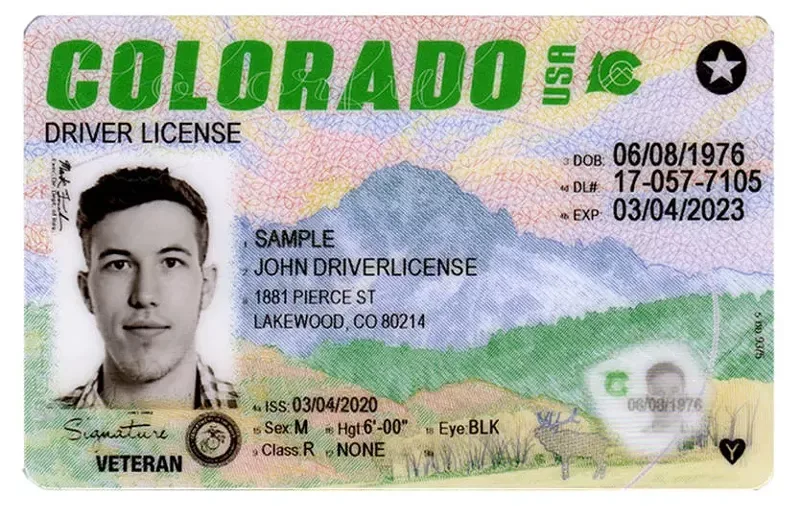
Quick Answer
You need four document categories for a Colorado REAL ID. Bring proof of identity, proof of lawful status, proof of your Social Security Number, and two proofs of Colorado residency. Book an appointment at a driver license office online through the Colorado DMV website.
Walk-in traffic is heavy, so appointments are faster. The fee is the same as a standard license renewal.
Do You Actually Need a REAL ID? (Or Can You Stick With Standard)
Here’s the question that trips up a lot of Colorado drivers. The REAL ID isn’t mandatory for driving. It’s a federal requirement for boarding domestic flights and entering certain federal buildings.
If you never fly and never need to access a military base or federal courthouse, a standard Colorado driver license works fine for everything on the road.
So the decision tree starts here:
- If you fly domestically at least once in a while, you’ll want a REAL ID. TSA now requires REAL ID-compliant identification for air travel.
- If you enter federal facilities for work or errands, you need it too.
- If you already carry a U.S. passport, you can use that for flying instead. The REAL ID just gives you one less thing to carry.
- If you never fly and stay out of federal buildings, a standard license is all you need.
The important distinction is that a standard Colorado license still lets you drive, vote, and buy alcohol. The REAL ID is specifically for federal identification purposes. So if you’re on the fence, think about your travel habits.
If you have a trip coming up within the next few months, it’s worth getting the REAL ID now rather than scrambling later.
One thing to flag here: Colorado gives you the option to upgrade during any renewal cycle. You don’t have to wait until your current license expires. If you want a REAL ID right now but your standard license isn’t due for another three years, you can apply for a duplicate with the REAL ID upgrade.
That costs the same as a standard duplicate fee.
What Documents You Need: The Branching Checklist
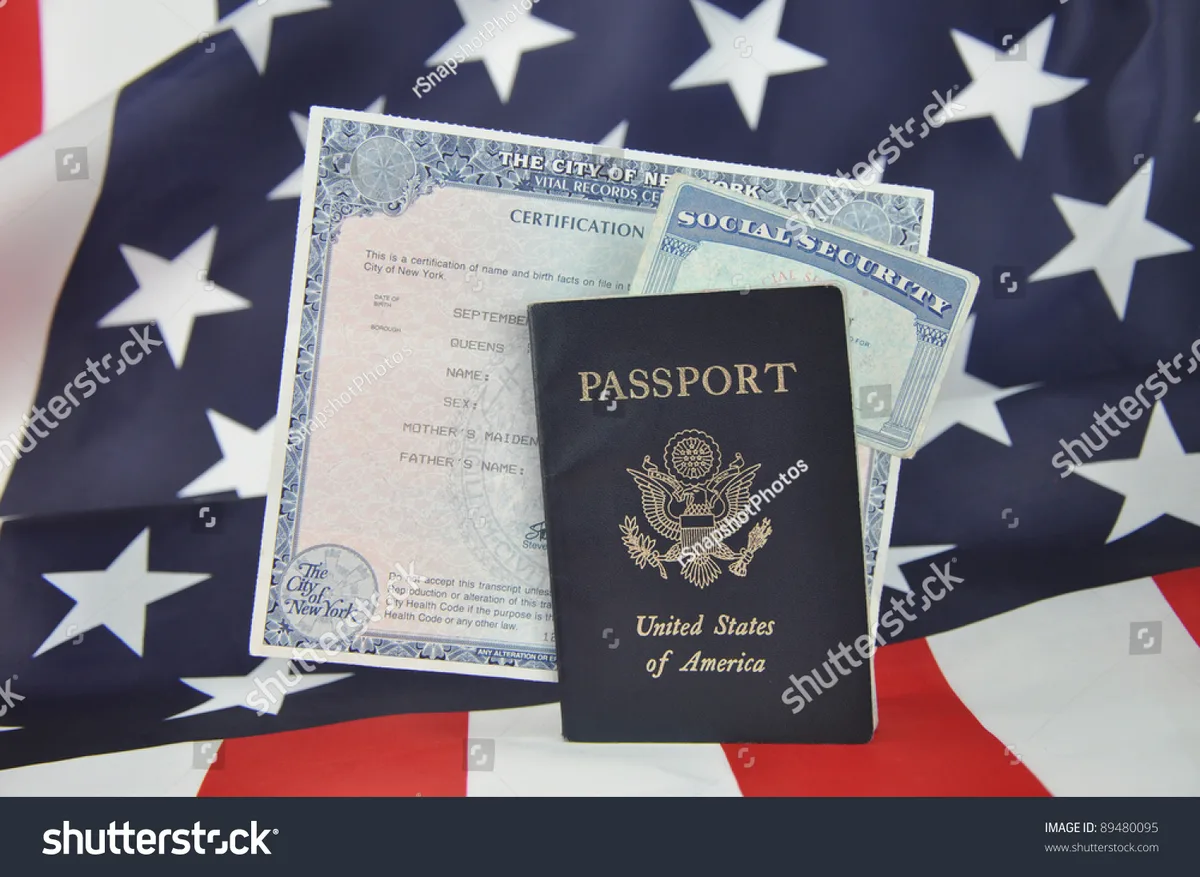
This is where most people make mistakes. The Colorado DMV requires documents in four categories. If you miss one category, the whole application stops.
Here’s the breakdown with the branching logic for your specific situation.
This is where most people make mistakes. The Colorado DMV requires documents in four categories. If you miss one category, the whole application stops.
Here’s the breakdown with the branching logic for your specific situation.
Proof of Identity
Colorado accepts several documents for this. You only need one from this list:
- U.S. passport (valid or expired for less than one year)
- Certified U.S. birth certificate (issued by a state, territory, or the District of Columbia)
- Certificate of Naturalization (Form N-550 or N-570)
- Certificate of Citizenship (Form N-560 or N-561)
- Permanent Resident Card (green card)
- Valid foreign passport with an I-94 form and valid visa
The branching rule: if your name on this document matches your current legal name without any changes, you are good. If not, you will need additional documents to connect the name change. More on that under the Name Changes section.
Proof of Lawful Status
If you are a U.S. citizen, your identity document serves as proof of lawful status. You don’t need a separate document for this category.
If you are a non-citizen, you will need to provide your Permanent Resident Card, valid foreign passport with I-94, or another Department of Homeland Security-issued document showing lawful presence.
Colorado DMV follows federal guidelines for this. The document must be valid and unexpired.
Social Security Number Verification
You need one document that shows your full Social Security Number. Acceptable forms include:
- Social Security card (the actual card, not a copy)
- W-2 form (from the current or previous year)
- Pay stub that shows your full SSN
- SSA-1099 form
- Non-SSA-1099 form
A few things to note here: the document must have your full nine-digit SSN. A Medicare card with only the last four digits does not count. If you do not have a valid SSN, you may qualify for a Colorado driving privilege card instead, which is not REAL ID-compliant.
Two Proofs of Colorado Residency
This is the category that catches people off guard. You need two separate documents from two different sources. They must show your current Colorado residential address.
Acceptable options include:
- Utility bill (electric, gas, water, or internet) dated within the last 60 days
- Bank statement or credit card statement
- Mortgage or lease agreement
- Voter registration card
- Colorado vehicle registration
- Car insurance policy or card
- Pay stub with your address
- School enrollment document
- Federal or state tax return from the current filing year
The critical rule: both documents must have the same address. If one shows a P.O. Box, the other must be a street address.
If you recently moved, make sure all your documents reflect your current address before you show up.
Name Changes – How to Handle Marriage, Divorce, or Other Changes
If your current legal name is different from what appears on your identity document, you have a branching path to follow.
You will need to bring one or more of these to connect the name across documents:
- Marriage certificate (certified copy, not a wallet card)
- Divorce decree showing the name change
- Court order for name change
- Adoption papers
The Colorado DMV requires that the name change document shows a clear trail from your original name to your current name. If you have been married twice, bring both marriage certificates or a divorce decree plus the second marriage certificate.
Do not rely on a passport or Social Security card with the new name alone. The DMV will ask for the underlying document that changed the name.
How to Book Your Colorado DMV Appointment
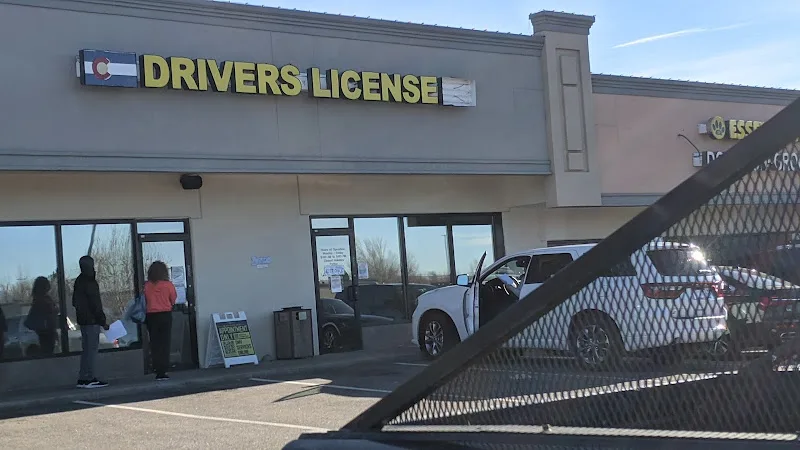
Booking an appointment is where the process goes from theoretical to real. You cannot just walk into any DMV location. You need to visit a Colorado driver license office, not the county motor vehicle office where you register your car.
Appointment vs. Walk-In — Which Should You Choose?
Book an appointment if you can. Colorado DMV offices in metro areas like Denver, Aurora, Colorado Springs, and Lakewood see heavy foot traffic. Walk-in wait times can run two to four hours on busy days.
Rural offices like Durango, Grand Junction, or Alamosa tend to have shorter lines, but they still take walk-ins on a first-come first-served basis.
If you schedule an appointment, you get a reserved slot. You still need to arrive on time. If you are more than 15 minutes late, they may cancel your appointment and ask you to reschedule.
Finding Available Slots
Go to the Colorado DMV website (dmv.colorado.gov). Navigate to the driver license appointment scheduler. You will select your nearest office, pick a date, and choose a time.
Here is a pattern you will notice: appointments fill up fast at offices near Denver. Often you have to look two to four weeks out. If your current license is expiring soon or you have a flight booked, do not wait until the last week.
What If No Appointments Are Available?
If the scheduler shows no slots, you have a few options:
- Check other nearby offices. A location 20 or 30 minutes away may have open slots when your closest one does not.
- Refresh the scheduler page later in the day. Cancellations open up occasionally.
- Consider a walk-in. If you go early in the morning (before the office opens), you may get in faster. Expect a wait.
- Use the appointment scheduler for a future date and plan accordingly.
One pro tip: many Colorado DMV offices release new appointment slots in the morning. Check around 8 a.m. on weekdays for fresh availability.
The In-Person Appointment: What Happens Step by Step
You arrive at the driver license office with your documents in hand. Here is exactly what happens when you check in.
First, you will present your documents to the counter clerk. They will review each one for validity. They check expiration dates, matching names, and that you have all four categories covered.
If everything passes, they will verify your identity in the system. You will then go through a vision screening. That is mandatory for driver license applicants, even if you are just upgrading to REAL ID.
After vision, they take your photo. No smiling required. The photo appears on your REAL ID card.
Then you pay the fee. A standard renewal is $31 for an eight-year license as of 2026. If you are upgrading mid-cycle or getting a duplicate, the fee is lower but varies by situation.
Finally, they give you a temporary paper license. That paper is your legal driving document for the next 30 days. It is not valid for federal identification, so keep your passport handy if you fly during that window.
After the DMV: Temporary Paper License and Waiting for Your Card
Your temporary paper license is valid for 30 days from the issue date. It serves as your legal driver license and identification within Colorado. But it will not get you through TSA.
If you need to fly while waiting, use your passport.
The physical REAL ID card arrives in the mail within 7 to 10 business days. Colorado DMV prints and mails cards from a central facility. If yours does not show up after 14 days, contact the DMV to request a reissue.
While you wait, update your myColorado app with your new REAL ID once the card arrives. The app serves as a digital companion but is not a substitute for the physical card at TSA checkpoints.
One small but important note: your REAL ID expiration date aligns with your regular license renewal date. If your license was set to expire in two years, your REAL ID will too. It does not reset your timeline.
Biggest Mistakes That Get People Turned Away
Getting turned away at the DMV counter is frustrating. And it happens more often than you’d think. The Colorado DMV processes thousands of REAL ID applications each week.
A solid percentage get rejected on the spot for one of three common reasons.
Expired or Unacceptable Identity Documents
Your proof of identity document must be valid. An expired U.S. passport is only acceptable if it expired within the last year. Anything older than that gets rejected.
Certified birth certificates do not expire. But a photocopy or a hospital souvenir certificate does not count. You need the official certified copy from the state or territory where you were born.
Mismatched Names Across Documents
This is the biggest headache. If your birth certificate says Sarah Johnson but your current driver license says Sarah Smith, the clerk will stop the application.
You must bring the document that connects those names. A certified marriage certificate is the most common solution. Divorce decrees and court orders work too.
Just make sure every document in your stack shows the same name or a clear legal path from one name to the next.
Showing Up with the Wrong Residency Proof
Two proofs of residency feels straightforward. But people show up with two utility bills from the same provider. That does not count.
They need to be from two different sources.
Also, documents must be dated within the last 60 days. An old bank statement from three months ago will not pass. A P.O.
Box address is not accepted as a residential address either.
Rural vs. Metro Denver Offices: Which Is Better for Your Timeline?
Your location matters more than you think. Colorado has driver license offices spread across the state. Metro Denver offices (Lakewood, Denver downtown, Aurora, Colorado Springs) are the busiest.
Rural offices (Durango, Grand Junction, Alamosa, Pueblo) handle lower volume.
| Office Type | Typical Walk-in Wait | Appointment Lead Time | Best For |
|---|---|---|---|
| Metro Denver | 2 to 4 hours | 2 to 4 weeks | People who plan ahead |
| Rural Colorado | 30 to 60 minutes | 1 to 2 weeks | People who can drive a bit farther |
If you need your REAL ID quickly, check rural offices near you. A 40-minute drive to a less busy office might save you three hours of standing in line.
An important note: some rural offices have limited hours or close for lunch. Check the specific office page on the Colorado DMV website before heading out.
The Federal Enforcement Deadline – What It Means for Colorado Drivers
The federal REAL ID enforcement deadline was May 7, 2025. That deadline has now passed, and TSA is enforcing the requirement. You now need a REAL ID-compliant license or another acceptable form of ID (like a passport) for domestic air travel.
Here is the simple breakdown:
- If you already have a REAL ID, you are set for domestic flights and federal building access.
- If you still have a standard Colorado license, you will need to carry your passport for those purposes.
- Your standard Colorado driver license remains valid for driving, voting, and everyday ID needs.
Colorado DMV still processes applications daily. If you have not upgraded yet, you can do so at any driver license office. Expect higher demand as travelers adjust to the new requirement.
Real Example: A Colorado Driver's Journey from Start to Finish
Let’s walk through a realistic scenario. Meet Alex from Colorado Springs. Alex had a standard driver license expiring soon and a trip to Chicago booked for the summer.
Alex checked the Colorado DMV website in January. Found an appointment at the Colorado Springs driver license office for three weeks out. Gathered a valid passport (identity), Social Security card (SSN), a recent utility bill and a bank statement (two residency proofs).
Alex got married two years ago, so the marriage certificate was also included.
The appointment took 25 minutes total. Alex passed the vision test, paid the $31 fee, and received a temporary paper license. The REAL ID card arrived in the mail nine days later.
Total time from start to finish: about five weeks, including the wait for the appointment and the card delivery. No rejections, no extra trips, no wasted time.
Quick Action Guide: Your Personal REAL ID Decision Workflow
Here is a condensed decision tree to help you figure out your next step.
Step 1: Do you need a REAL ID?
- Yes, if you fly domestically or enter federal buildings.
- No, if you never do either. Stick with your standard license.
Step 2: If yes, check your documents now.
- Do you have a valid identity document? (Passport or birth certificate)
- Is your name the same across all documents? (If not, find the connection document)
- Do you have two different residency proofs from the last 60 days?
Step 3: Book your appointment.
- Go to dmv.colorado.gov and use the appointment scheduler.
- Pick the nearest office with availability.
- If no slots, check a rural office or try early morning for cancellations.
Step 4: Bring everything in one folder.
- Original documents, not copies.
- Arrive on time for your appointment.
- Expect a 20 to 30 minute visit.
Step 5: Wait for the card.
- Use your temporary paper license for driving.
- Keep your passport handy for flights.
- The REAL ID arrives in 7 to 10 business days.
Frequently Asked Questions
How long does it take to get a Colorado REAL ID appointment?
Appointment lead times vary by location. Metro Denver offices often show slots two to four weeks out. Rural offices may have availability within one to two weeks.
Check the Colorado DMV scheduler online for real-time openings.
What if I lose my temporary paper license before the REAL ID arrives?
Contact the Colorado DMV immediately. You can request a replacement temporary license or ask about the status of your mailed card. Your driving privileges remain valid if you have a receipt from the appointment.
Can I get a REAL ID at any Colorado DMV office?
No. You must visit a driver license office, not a county motor vehicle office. County offices handle vehicle registration and title work.
Driver license offices handle licenses, permits, and identification cards.
Do I need to take a written or driving test for a REAL ID upgrade?
No. The REAL ID upgrade does not require a written test or a road test. You only need to pass the vision screening during your appointment.
The upgrade is a document verification and card replacement process.
What happens if my documents are rejected at the appointment?
The clerk will explain exactly what is missing or incorrect. You can leave and come back with the corrected documents. No penalty or fee applies for a rejected application.
Just book another appointment and bring the right paperwork.
How much does a Colorado REAL ID cost compared to a standard license?
The fee is the same. A standard eight-year driver license renewal costs $31 as of 2026. Upgrading mid-cycle or getting a duplicate costs a smaller fee based on the remaining time on your current license.