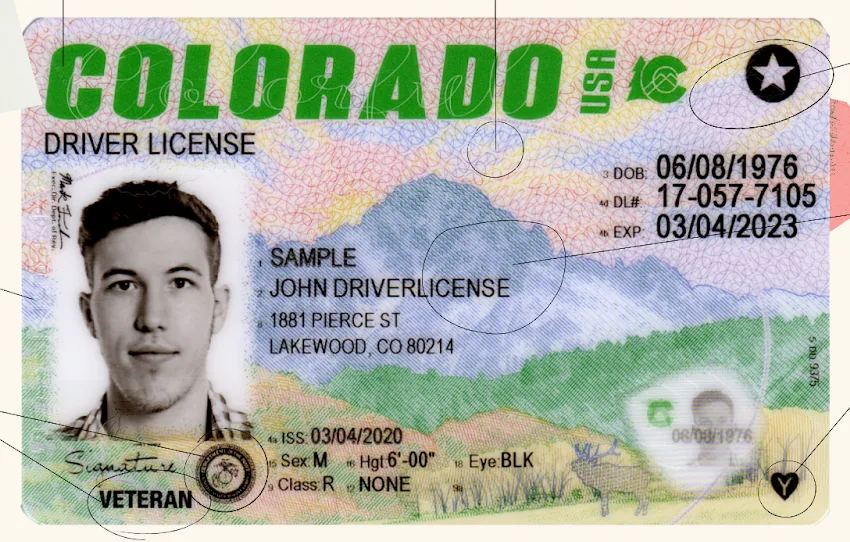
You're sitting at the Colorado DMV counter, filling out the paperwork for your driver license renewal. You get to the organ donor question. Do you check yes?
What does that actually mean? If you live in or near the Heart of the Rockies region, the answer gets more specific. Let's break down exactly how the Colorado organ donor designation and Heart of the Rockies program work.
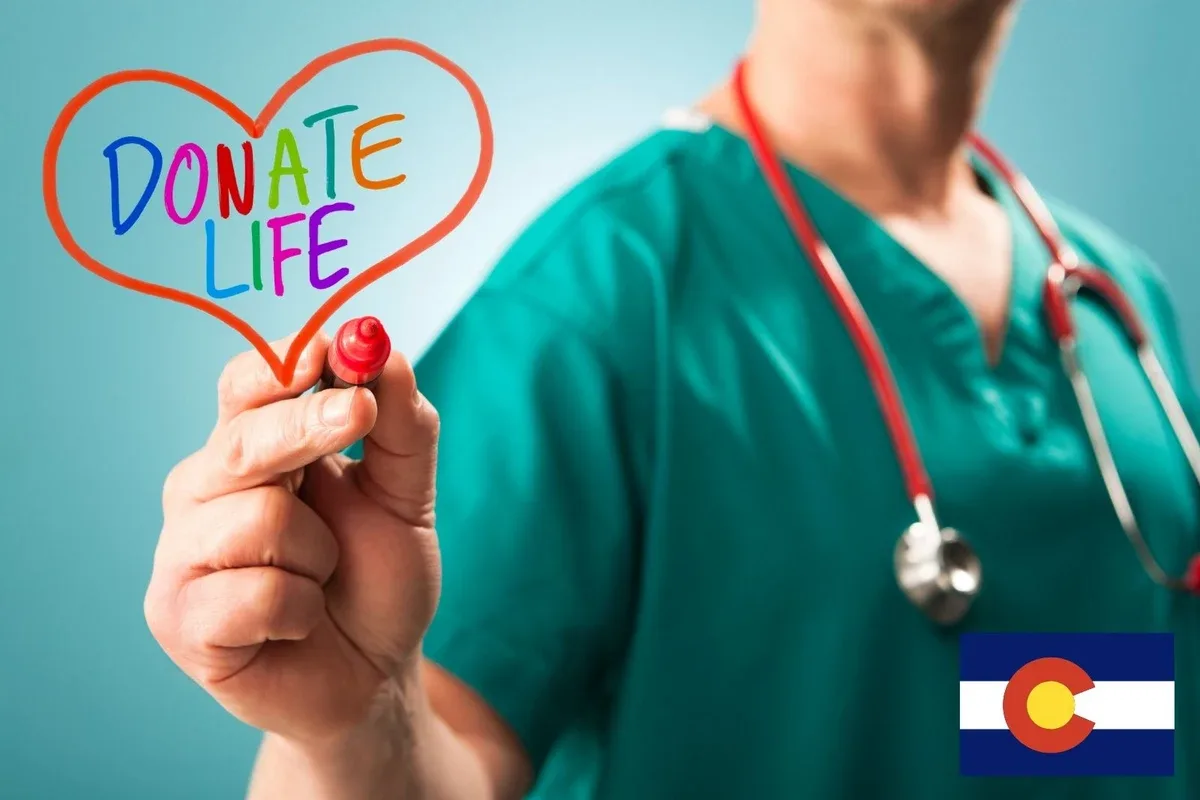
According to Donate Life Colorado, over 2.2 million Coloradans are registered donors as of 2026. That's roughly 55 percent of eligible state residents. Being registered is only half the story.
Understanding the legal weight of that decision matters just as much.
Quick Answer
The Colorado organ donor designation places a heart symbol on your driver license. It registers you with Donate Life Colorado as an organ, eye, and tissue donor. The Heart of the Rockies program is a regional transplant initiative at Heart of the Rockies Regional Medical Center in Salida.
Both serve urban and rural Coloradans. The designation is legally binding under first-person consent law.
Why Getting This Right Matters (It's Legally Binding)
When you check that box at the DMV, it's not a suggestion. In Colorado, your donor designation is a legal document. It's called first-person consent, and it carries the same weight as a signed advance directive.
Your family cannot override it after you're gone.
This is a big deal. In some states, the family gets the final say. Not in Colorado.
The Uniform Anatomical Gift Act, adopted into Colorado Revised Statutes, gives your registered intent the force of law.
What does that mean for you? The choice is entirely yours. No one else gets to decide later.
That means you should be sure about your decision before you check the box.
When a potential donor passes away, hospital staff and the local organ procurement organization check the Donate Life Colorado registry immediately. If your heart symbol is on your license and the registry confirms your status, the process moves forward without delay. Every minute counts in transplant medicine.
The Core Setup: How Organ Donor Designation Works in Colorado
The whole system starts at the Colorado DMV. When you apply for or renew a driver license or state ID, you get asked about organ donation. Say yes, and the DMV adds a small heart symbol to your license.
Your info goes to the Donate Life Colorado registry.
That registry is the official state database. It's managed by Donate Life Colorado, a nonprofit that partners with the Colorado Department of Revenue. Hospitals and OPOs check this registry when a potential donor is identified.
| Step | What Happens |
|---|---|
| 1 | You apply for or renew a Colorado driver license or ID |
| 2 | DMV asks if you want to be an organ donor |
| 3 | You say yes and sign electronically |
| 4 | Heart symbol appears on your license |
| 5 | Your info goes to the Donate Life Colorado registry |
| 6 | Hospitals check the registry when needed |
Your designation stays active as long as your license is valid. When you renew, you have to opt in again. The registry doesn't carry over automatically.
You can also register online anytime, even between DMV visits. The Donate Life Colorado website lets you sign up in about two minutes. Your info gets linked to your DMV record afterward.
What Is the Heart of the Rockies Program?
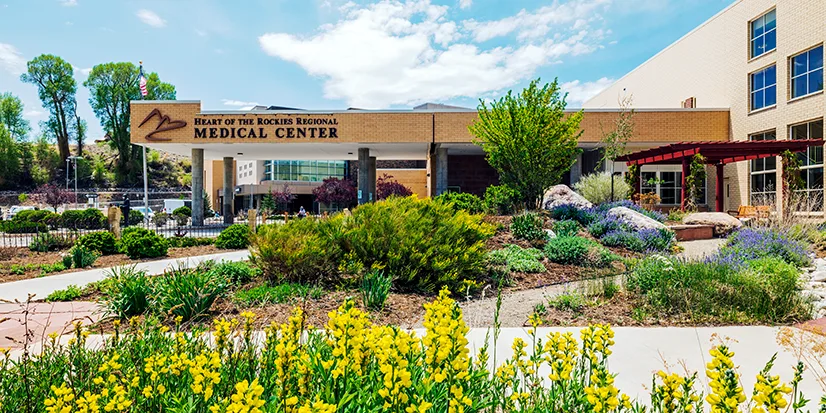
The Heart of the Rockies program is a regional transplant initiative at Heart of the Rockies Regional Medical Center in Salida, Colorado. It serves Chaffee County and surrounding rural areas in central and western Colorado.
Transplant access in rural Colorado looks different than in Denver. Heart of the Rockies Regional Medical Center offers a transplant program that keeps care local. Instead of driving four hours to Aurora or Colorado Springs, patients in Salida, Buena Vista, and other mountain communities can receive care at a hospital close to home.
The program covers organ donation, transplant coordination, and post-transplant follow-up care. It works closely with Donor Alliance, the federally designated OPO for Colorado, to handle organ procurement.
What makes Heart of the Rockies unique is its focus on rural populations. Transplant wait times are often longer in remote areas due to fewer resources. The program helps narrow that gap by providing services within the region rather than requiring patients to relocate to the Front Range.
For a practical example: a patient from Leadville with end-stage kidney disease would normally need to relocate to Denver for evaluation and transplant. With Heart of the Rockies, their initial workup and follow-up care can happen in Salida. The surgery still takes place at the transplant center, but the rest of the journey stays close to home.
Heart of the Rockies vs. Donor Alliance — What's the Difference?
This is a common point of confusion. People assume these are two competing programs. They're not.
They serve different roles in the same system.
Donor Alliance is the federally designated organ procurement organization for Colorado and Wyoming. They handle the actual recovery of organs and tissues from deceased donors. They manage the logistics, the surgical teams, and the matching process with recipients on the national transplant waitlist.
Heart of the Rockies is a regional hospital-based transplant program. They provide clinical care to transplant patients. They coordinate evaluation, surgery, and follow-up care.
They don't procure organs themselves.
| Aspect | Donor Alliance | Heart of the Rockies |
|---|---|---|
| Role | Organ procurement | Transplant care |
| Service area | Colorado plus Wyoming | Chaffee County plus rural central CO |
| What they do | Recover organs from donors | Treat transplant patients |
| Who they work with | All hospitals in Colorado | Heart of the Rockies Medical Center |
| When you interact | After donor death | During transplant evaluation and care |
If you're a registered donor in Colorado, Donor Alliance would coordinate organ recovery if you passed away in a way that made donation possible. If you're a patient needing a transplant in central Colorado, Heart of the Rockies would manage your care.
Step-by-Step: How to Register as an Organ Donor in Colorado
Getting registered takes about two minutes. You have three main options.
Online Registration (Fastest Route)
Visit the Donate Life Colorado website. Fill in your name, date of birth, and the last four digits of your Social Security number. That's it.
The online form takes less than a minute. After you submit, you get a confirmation email. Your information gets linked to your DMV record, so the next time you renew your license, the heart symbol will already be assigned.
You can also update your status online later if you change your mind. The opt-out process is just as fast.
At the DMV Counter
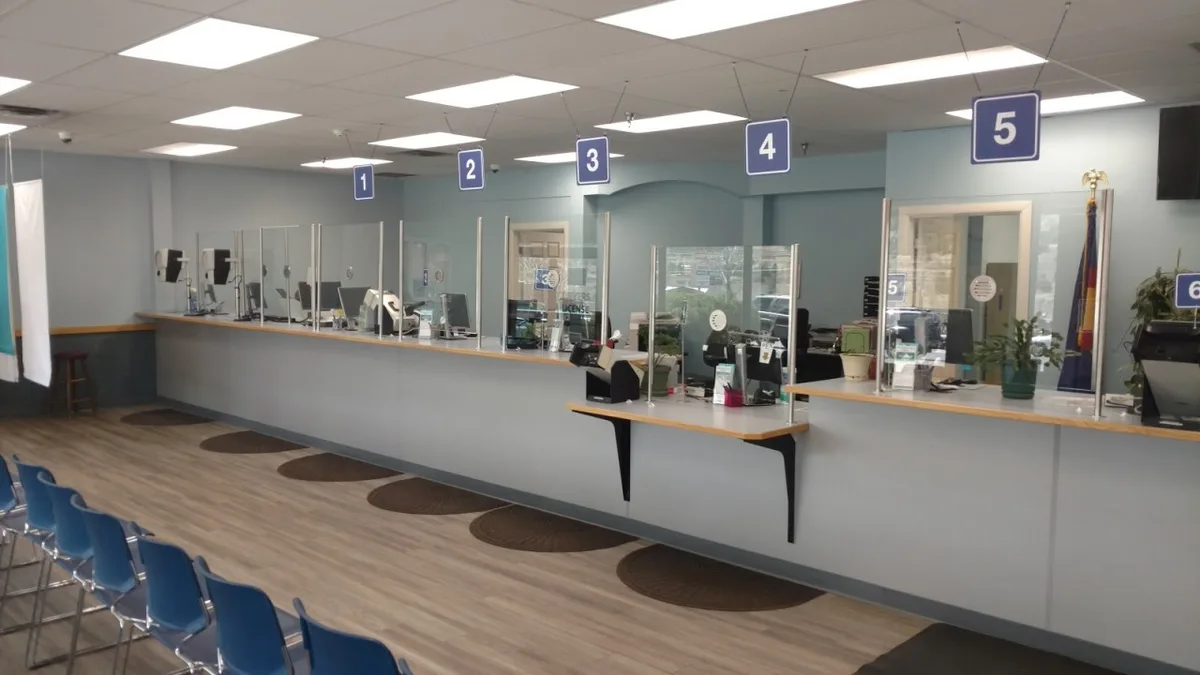
If you're renewing your license or getting a new one at a Colorado DMV field office, the process happens right there. The counter agent will ask if you want to be an organ donor. Say yes, and they'll walk you through the electronic signature process.
You sign a digital authorization pad. That signature is your legal consent. The agent updates your record, and your new license arrives with the heart symbol.
One important detail: the designation only applies to licenses issued at that transaction. If you get a renewal notice and skip it, your designation doesn't carry over. You have to opt in again.
What Happens When You Renew Your License
License renewals in Colorado happen every five years. When your renewal notice arrives, you'll see the organ donor question on the form. If you're already registered via the online system, the DMV may ask you to confirm rather than re-register.
Here's a potential issue: if you registered online and your license expires before you renew, the registry keeps your status. Your designation stays active as long as the registry has your updated info. If you change your name or address without updating your DMV record, the registry can get out of sync.
Keep your DMV info current. It's the foundation of the whole system.
First-Person Consent: Why Your Word Is Final in Colorado
First-person consent means exactly what it sounds like. You speak for yourself. No one else.
Colorado law grants your donor designation full legal authority. When you check that box at the DMV or register online, you create a legally binding anatomical gift under the Uniform Anatomical Gift Act. The hospital, the organ procurement organization, and your family all have to follow your decision.
This is different from what many people assume. Most believe their next of kin gets to decide after they're gone. That's true in some states.
Not in Colorado. Your written and signed intent is the only thing that matters.
The legal framework sits in Colorado Revised Statutes Title 42 and Title 12. The DMV serves as the enrollment point, but the registry itself is the authoritative record. If you're in the registry, your designation stands.
In practice, the medical team checks the registry. They see your designation. They proceed.
Your family is informed, not asked for permission. It removes a heavy burden from them during an already difficult moment.
Common Mistakes That Could Wreck Your Intentions
Even with a straightforward system, people slip up. Here are the most common errors that can keep your donor designation from working the way you intend.
Thinking your family can override your decision. This is the biggest one. Your first-person consent is legally binding. If a family member tries to block donation, the OPO and hospital follow your registry status, not the family's wishes.
Forgetting to re-register at renewal. Your license expires every five years. When you renew, the DMV asks again. If you miss the question or accidentally skip it, your new license won't have the heart symbol.
The registry still holds your previous designation, but the license itself won't show it.
Assuming out-of-state status transfers automatically. If you move to Colorado from another state, your old donor designation doesn't carry over. You have to register in Colorado separately. The same applies if you move away and get a new license elsewhere.
Not updating your address or name. The DMV and Donate Life Colorado registry need current info. If you move and don't update your license, the registry may not find you when it matters. A mismatched name or address can cause delays.
Signing without understanding the scope. Organ donation covers organs, tissues, and eyes. Some people assume it's only major organs. You can specify preferences in the registry, but the standard designation includes everything.
Here's a quick checklist:
- Check your status online once a year
- Update your DMV record when you move or change your name
- Re-register at every license renewal
- Tell your family your decision
- Read the full consent language on the Donate Life Colorado site
Legal and Safety Facts Every Colorado Driver Should Know
The registry is confidential. Your donor status is not public information. It's shared only with authorized medical professionals and OPO staff when the situation calls for it.
Medical care comes first. Will doctors try less hard to save you if you're a donor? No. The medical team treating you operates under a completely separate standard of care.
Organ donation is only considered after all life-saving efforts have failed and death is declared.
Donation does not delay funeral arrangements. The organ recovery process happens quickly, usually within 24 to 48 hours. After that, the body is released to the family. Open-casket funerals are still possible in most cases.
You can change your mind anytime. Your donor designation is not permanent. You can remove yourself from the registry at any point online or at the DMV. The change takes effect immediately.
Minors can register with parental consent. In Colorado, you can register at age 16 with a parent or guardian's permission. At 18, you register independently. The same first-person consent rules apply once you turn 18.
Religious accommodations exist. All major religions in Colorado support organ donation as an act of charity. If you have specific concerns, your faith leader can provide guidance.
When to Talk to a Professional (And What to Ask)
Most people don't need a lawyer or a specialist to register. The system is designed to be simple. But some situations benefit from professional guidance.
Talk to a primary care doctor if you have a chronic medical condition that might affect transplant suitability. Conditions like advanced diabetes, certain cancers, or active infections can impact which organs or tissues are viable.
Talk to an estate planning attorney if you want to combine your donor designation with a living will or advance directive. While the DMV registry covers organ donation, a living will covers other end-of-life decisions. Aligning them prevents confusion later.
Talk to the hospital transplant coordinator at Heart of the Rockies if you're a patient actively seeking a transplant. They walk you through the waiting list, evaluation requirements, and what to expect before and after surgery.
Questions to ask any professional you consult:
- Does my medical history affect what I can donate?
- How does my donor registration interact with my living will?
- Can I specify which organs or tissues I want to donate?
- What happens if I move out of Colorado?
- Who can I name as my healthcare proxy to confirm my wishes?
The Heart of the Rockies Difference for Rural Colorado Drivers
For anyone living outside the Denver metro area, the transplant journey looks different. Drive times are longer. Specialist access is limited.
The Heart of the Rockies program exists to close that gap.
Heart of the Rockies Regional Medical Center in Salida serves a wide rural area. Chaffee County alone covers over 1,000 square miles. Patients from Fremont, Saguache, and Park counties also rely on the facility.
The program focuses on three things:
Keeping care local. Patients travel to Salida for evaluations, lab work, and follow-up appointments instead of driving to Denver. That saves hours of travel and reduces the cost of care.
Coordinating with Donor Alliance. When a donor is identified in the region, Heart of the Rockies works directly with Donor Alliance to manage procurement logistics. The hospital handles the clinical side. Donor Alliance handles organ recovery.
Reducing rural wait times. Transplant wait lists are national, but local coordination speeds up the process. By keeping patients in the region for workups, the program reduces delays caused by travel and scheduling conflicts.
If you register as a donor with the heart symbol on your Colorado license, your status is the same whether you live in Denver or a mountain town. But if you ever need a transplant, the Heart of the Rockies program makes it more likely you can receive care without uprooting your life.
Donor Designation on Your License: What It Does and Doesn't Cover
The heart symbol on your Colorado driver license is a legal marker linked to the Donate Life Colorado registry. It tells medical staff you consented to donate organs, tissues, and eyes after death.
It does not cover living donation (like donating a kidney while alive). That requires a separate process at a transplant center. Your license also doesn't serve as a living will or advance directive.
Those are different legal documents for different decisions.
If you want to be a living donor, you contact a transplant hospital directly. The license designation only applies after death.
Verified Summary — What to Do Right Now
Take three minutes today to check your status.
Visit the Donate Life Colorado website. Confirm you're registered. If you're not, sign up.
It takes less than two minutes and costs nothing. If you are registered, make sure your address and name match your current license.
Tell your family your decision. They need to hear it from you, not from a hospital coordinator.
For anyone in the Heart of the Rockies region, your donor designation helps your own community. Organs donated locally can save people you might know. The hospital in Salida works directly with Donor Alliance to make that happen.
Your choice matters. Make it now.
Frequently Asked Questions
Can my family override my organ donor designation in Colorado?
No. Colorado uses first-person consent law. Your signed donor designation is legally binding.
Your family cannot reverse it after you're gone.
Do I need to be a Colorado resident to register with Donate Life Colorado?
Yes. The Donate Life Colorado registry is for Colorado residents only. If you move here from another state, you must register separately.
Does the Heart of the Rockies program serve patients outside Chaffee County?
Yes. The program covers a wide rural area including Fremont, Saguache, Park, and other central Colorado counties.
Can I register as an organ donor online without going to the DMV?
Yes. The Donate Life Colorado website lets you register in about two minutes. Your status links to your DMV record automatically.
What organs and tissues are included in a standard donor designation?
The standard designation covers all organs, tissues, and eyes. You can specify preferences in the registry, but the default includes everything.
Does being a registered donor affect my medical care if I'm in an accident?
No. The medical team treating you focuses entirely on saving your life. Organ donation is only considered after all life-saving efforts have failed and death is declared.