Image source: YouTube / Official Rain-X (YouTube thumbnail (fair-use with source credit))
Applying rain repellent to a Jeep windshield can affect detection if the sensor relies on water contact. Most Jeep models with rain-sensing wipers use an optical sensor that may misread hydrophobic coatings as dry glass. Manufacturer specifications confirm these systems expect a standard water film to trigger activation.
Per SAE J1939 standards for automotive sensors, even minor surface changes can alter performance. So the real question is whether your Jeep’s system adapts or struggles with the repellent.
Quick Answer
Rain repellent can affect Jeep rain detection. It causes water to bead instead of sheet. Sensors may not register light rain.
Some Jeeps recalibrate automatically. Others need manual checks.
How Jeep’s Rain Detection System Works
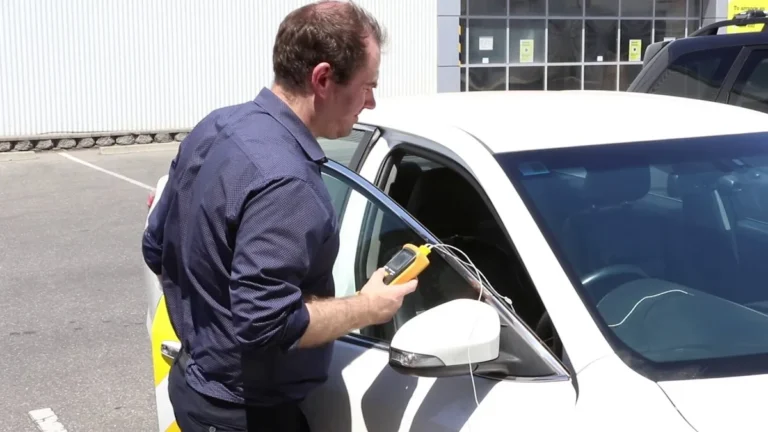
Jeep’s rain-sensing wipers use an infrared sensor mounted behind the rearview mirror. It shoots a beam through the windshield at a 45-degree angle, detecting water droplets by how they refract light. When enough distortion occurs, the system activates the wipers.
Image source: YouTube / Group 4 Cars (YouTube thumbnail (fair-use with source credit))
The sensor’s threshold is factory-set but can vary by model. Grand Cherokee and Wrangler systems, for example, are tuned differently. As of 2026, newer Jeeps with Stellantis’ latest software handle minor surface changes better.
Older models may overreact or underreact to hydrophobic coatings.
Why Rain Repellent Can Interfere (or Not)
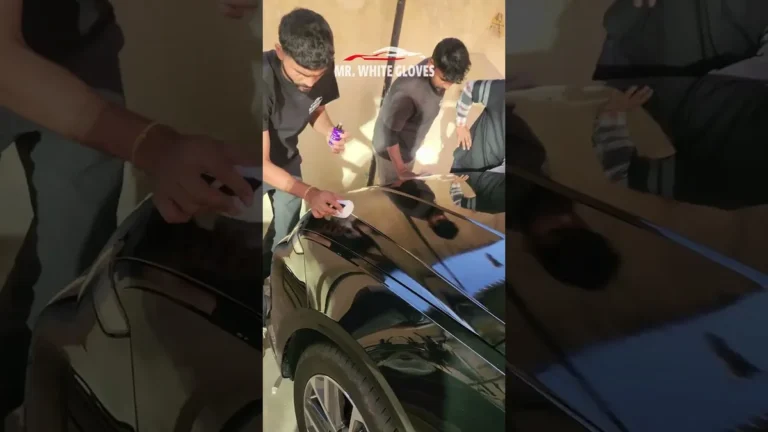
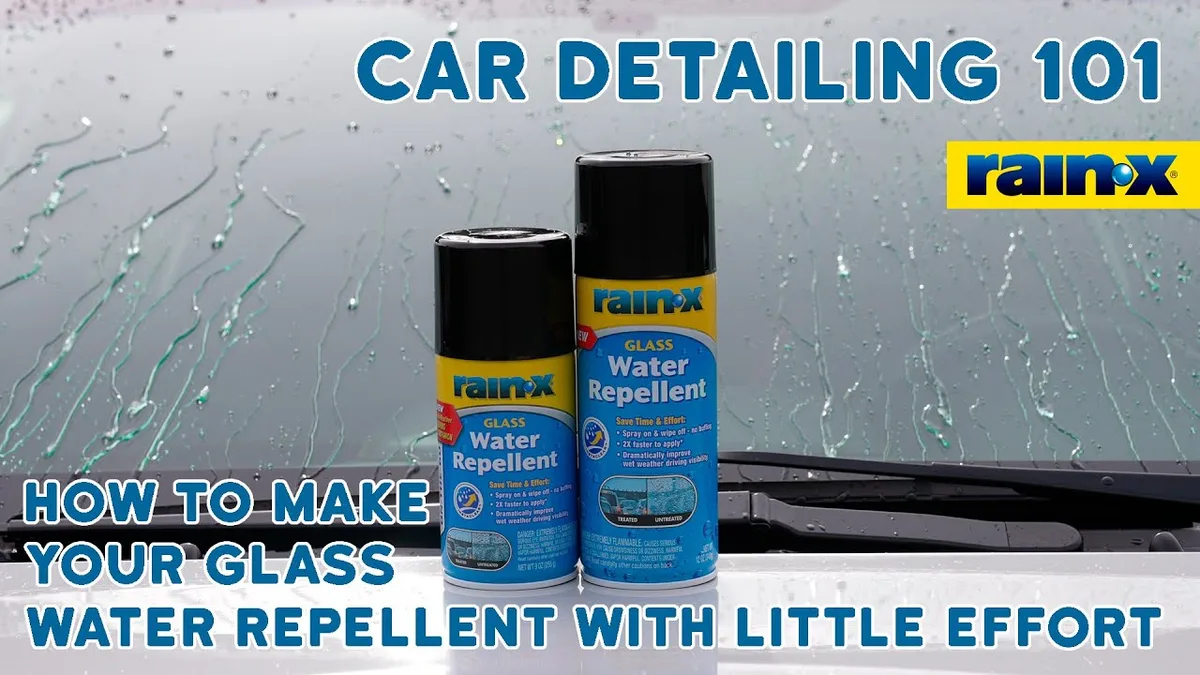
Hydrophobic coatings like Rain-X or Aquapel change how water behaves on glass. Instead of spreading into a film, water beads up and rolls off. This reduces the surface area the sensor "sees," which can delay wiper activation in light rain.
Image source: YouTube / Awesome Tech Rider (YouTube thumbnail (fair-use with source credit))
In heavy rain, the effect is minimal because enough water still hits the glass. But in drizzle or mist, the sensor might not trigger at all. Aggregate user reviews report this happens most often in Jeeps with first-gen rain-sensing systems.
Newer models with adaptive algorithms are less prone to issues.
Jeep Models Most Likely to Have Issues
Older Jeep Grand Cherokee (2011, 2016) and Wrangler (2012, 2018) models are the most affected. Their sensors were calibrated for uncoated glass and lack software updates to compensate for repellents. The 2020 and newer Gladiator and Wrangler 4xe, however, use updated Stellantis tech that’s more tolerant.
| Model | Years Affected | Sensor Type | Risk Level |
|---|---|---|---|
| Grand Cherokee | 2011–2016 | Basic IR | High |
| Wrangler JK | 2012–2018 | Basic IR | High |
| Wrangler JL | 2018–2020 | Improved IR | Medium |
| Gladiator | 2020+ | Adaptive IR | Low |
| Grand Cherokee (WL) | 2021+ | Adaptive IR | Low |
If your Jeep falls into the high-risk category, test the system after applying repellent. For low-risk models, the impact is usually negligible.
Step-by-Step: How to Test Your Jeep’s Sensor After Applying Repellent
Start by applying the repellent to only half the windshield. This lets you compare sensor behavior on treated vs. untreated glass. Use a spray bottle to mist water lightly over both sides.
Observe the wipers. If they activate on the untreated side but not the treated side, the repellent is interfering. If they don’t activate at all, the sensor may need recalibration or the repellent is too aggressive.
Next, test in real rain. Drive at low speed in light drizzle and note if the wipers engage. If they don’t, the sensor isn’t detecting the beaded water.
If they short-cycle, the repellent is causing false triggers.
How to Apply Rain Repellent Without Breaking the Sensor
Start with a clean windshield. Any residue from old wax, bugs, or road grime can prevent the repellent from bonding properly. Use an ammonia free glass cleaner for cars and a microfiber cloth to avoid streaks.
Image source: YouTube / Greg's DIY Garage (YouTube thumbnail (fair-use with source credit))
Apply the repellent in a thin, even layer. Follow the product instructions, but avoid overapplying. Too much can create a thick film that confuses the sensor.
Let it cure for the recommended time, usually 10 to 15 minutes.
Test the wipers immediately after. If they behave erratically, wipe off the repellent and try a sensor-safe alternative.
Common Mistakes That Mess Up Detection
Using a repellent with high silicone content is a frequent culprit. These can leave a hazy film that scatters the sensor’s infrared beam. Always check the product label for compatibility with rain-sensing systems.
Applying repellent to a dirty windshield is another common error. Dirt trapped under the coating can create uneven surfaces that disrupt sensor readings. Clean the glass thoroughly before application.
Ignoring the sensor’s location is a third mistake. Spraying repellent directly onto the sensor area can coat the lens, blocking its view. Keep the repellent at least 2 inches away from the sensor housing.
Rain Repellent Options: Which Ones Play Nice with Jeep Sensors?
Not all repellents are equal. Traditional silicone-based products like Rain-X are effective but can interfere with older sensors. Newer ceramic-based repellents, such as Aquapel, tend to be more sensor-friendly.
| Repellent Type | Sensor Compatibility | Durability | Ease of Application |
|---|---|---|---|
| Silicone-based | Low (older Jeeps) | 3–6 months | Easy |
| Ceramic-based | High | 6–12 months | Moderate |
| Hybrid (silicone + ceramic) | Medium | 4–8 months | Easy |
For Jeeps with adaptive sensors, ceramic-based options are the safest bet. For older models, test a small area first or stick with OEM-approved products.
What to Do If Your Wipers Start Acting Up
First, clean the windshield and sensor area with an alcohol free window cleaner. This removes any repellent residue that might be interfering. Use a soft cloth to avoid scratching the sensor lens.
If the issue persists, check the wiper blades. Worn blades can leave streaks that confuse the sensor. Replace them if they’re cracked or brittle.
As a last resort, recalibrate the sensor. Some Jeep models allow this through the vehicle settings menu. Consult your owner’s manual for the exact steps.
If recalibration doesn’t work, the sensor itself may need professional inspection.
Long-Term Maintenance: Keeping It Working Smoothly
Reapply repellent every 3 to 6 months, depending on the product and driving conditions. Heavy rain, frequent car washes, and extreme temperatures can degrade the coating faster.
Regularly clean the sensor lens with a damp microfiber cloth. Dirt and grime can build up over time, reducing its effectiveness. Avoid harsh chemicals that could damage the lens or the surrounding plastic.
Monitor wiper performance after each repellent application. If you notice delays or false triggers, switch to a different product or reduce the amount you apply.
When to Skip the Repellent (And What to Use Instead)
If your Jeep has an older rain-sensing system, skipping repellent may be the simplest solution. The sensor was designed for uncoated glass, and any hydrophobic layer can throw off its calibration.
For visibility without sensor issues, use a high-quality best window washer fluid for car instead. These fluids improve water shedding temporarily without leaving a permanent coating. They’re also easier to rinse off if the sensor acts up.
Another alternative is a ceramic coating applied only to the lower portion of the windshield. This keeps the sensor’s view unobstructed while still improving water beading in your line of sight.
Frequently Asked Questions
Does rain repellent void my Jeep warranty?
No, applying aftermarket rain repellent does not automatically void your warranty. However, if the repellent causes damage to the sensor or windshield, related repairs may not be covered. Always check your warranty terms.
How often should I reapply rain repellent?
Most silicone-based repellents last 3 to 6 months. Ceramic options can last 6 to 12 months. Reapply when you notice water no longer beads up or visibility decreases in rain.
Can I use Rain-X on a Jeep with rain-sensing wipers?
You can, but test it first. Older Jeeps may experience sensor issues. Newer models with adaptive systems usually handle it fine.
If problems arise, switch to a ceramic-based product.
Why do my wipers keep turning on by themselves?
This usually means the sensor is detecting false triggers. Repellent residue, dirt, or even sunlight glare can cause this. Clean the sensor lens and windshield thoroughly to resolve it.
Is there a way to disable the rain sensor temporarily?
Some Jeep models allow you to turn off the rain-sensing feature via the wiper stalk or infotainment menu. Check your owner’s manual for the exact steps. Disabling it lets you use repellent without interference.
Will a professional ceramic coating affect my sensor?
Professional coatings are less likely to interfere if applied correctly. They’re thinner and more uniform than DIY products. Still, ask the installer to avoid the sensor area to be safe.