Trying to figure out Georgia antique and hobby vehicle registration for cars 25 years old can save you real money on taxes and tags. If your car is at least 25 model years old, you likely qualify for a special plate that cuts fees and skips emissions tests. Many owners miss the savings because they register as standard.
The Georgia Department of Revenue sets the age threshold at 25 years based on model year, not manufacture date. Per O.C.G.A. § 40-2-111, an antique vehicle must stay true to original specs and see only limited use. Let's check if your ride makes the cut.
Quick Answer
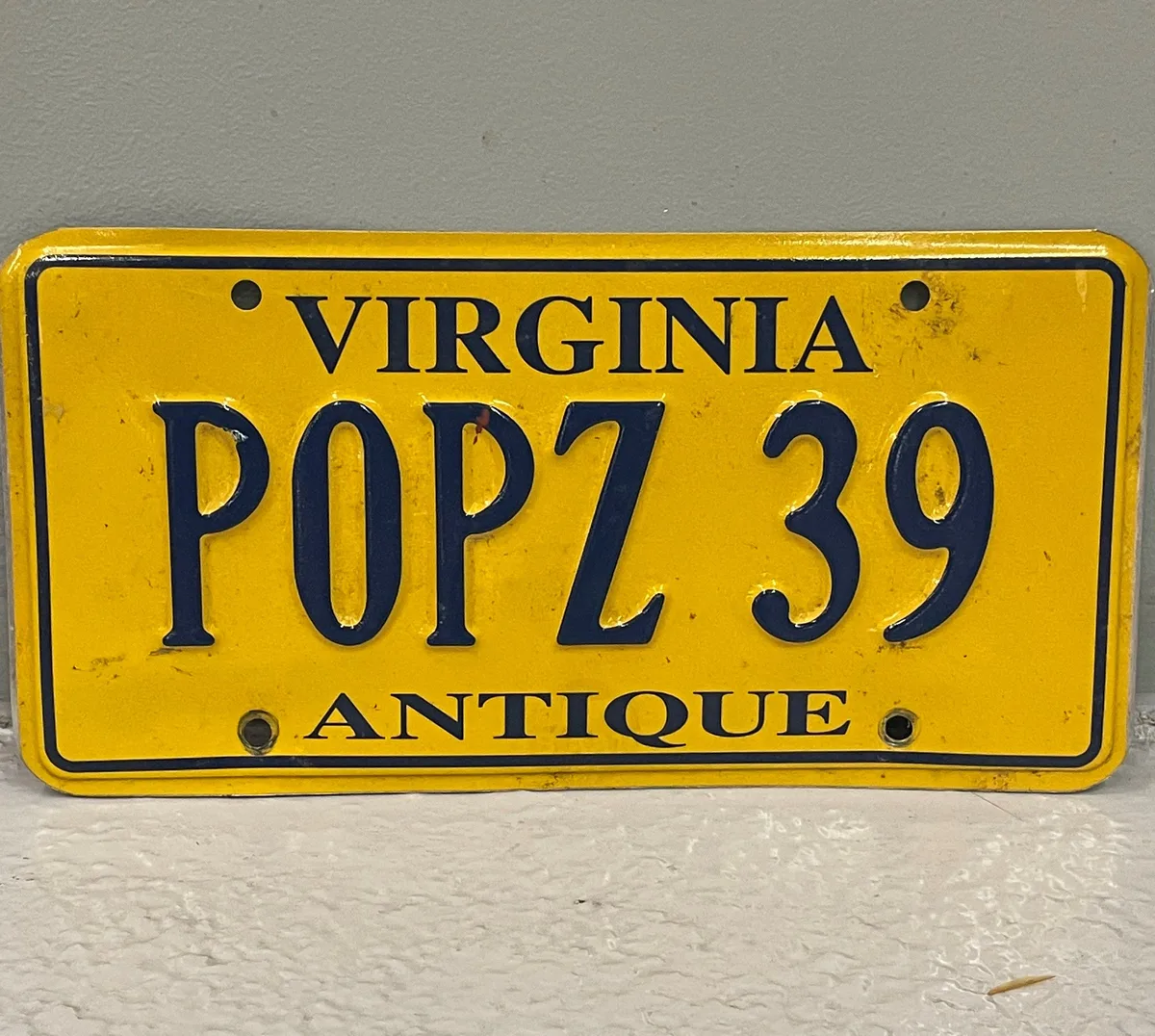
Georgia antique and hobby vehicle registration for cars 25 years old gives special plates. You need a vehicle at least 25 model years old. Antique plates require original manufacturer specifications and limited use.
Hobby plates allow casual recreational driving off the daily commute. Fees stay low and emissions tests are waived at 25 years.
Is Your Car Eligible for Georgia Antique or Hobby Plates?
Eligibility starts with age. As of 2026, your car must be model year 2001 or older to meet the 25 year rule. That math is current year minus 25.
If your model year is 2001 or earlier, you pass the age test. If it is 2002 or newer, you must wait until next year.
Next, look at how you drive the car. The state limits these plates to pleasure, parade, and show use. If you commute daily, you do not qualify for either plate.
We cover more state motor vehicle topics on our vehicle compliance blog. The same 25 year idea appears in other states with different names.
Here is a quick check list:
- Model year 2001 or older (25+ years as of 2026)
- Georgia title in your name or ready to transfer
- Insurance meeting state minimums (25/50/25)
- No daily commuting or commercial use
- Car kept in original or hobby condition
If you meet all five, move to the next section. If you miss any, standard registration is your only path right now.
Antique vs Hobby Registration in Georgia: Which One Fits Your Car?
The two plate types sound similar but fit different cars. Pick wrong and you risk a revoked tag.

An antique plate fits a vehicle built to original manufacturer spec. You should not have swapped engines or changed body style. A hobby plate fits a 25+ year old car used for fun drives, club meets, and casual weekends.
The table below shows the split.
| Factor | Antique Plate | Hobby Plate |
|---|---|---|
| Vehicle spec | Original only | Original or mildly changed |
| Main use | Shows, parades | Pleasure driving |
| Commuting | Not allowed | Not allowed |
| Fee (GA DOR) | $10 | $20 |
| Emissions test | Waived | Waived |
If your car is a stock classic, choose antique. If it is a weekend toy with minor mods, hobby works better.
Georgia's rules differ from historic plate rules elsewhere. They also differ from California's old car program. Always check the host state first.
What Georgia Law Says About 25-Year-Old Vehicles
The core statutes are O.C.G.A. § 40-2-111 for antique and § 40-2-112 for hobby. Both define the vehicle as 25 or more model years old.
The Georgia Department of Revenue administers the plates through county tax commissioners. Their official site publishes the form requirements and fee schedule. We cite that source for the flat fee numbers.
The law limits use to non-commercial purposes. You cannot haul goods or run a ride share. The car must display the proper plate on the rear (or front if required for that model year).
A limited use affidavit goes in the file. It states you understand the restrictions. Signing false info can bring fines and plate recall.
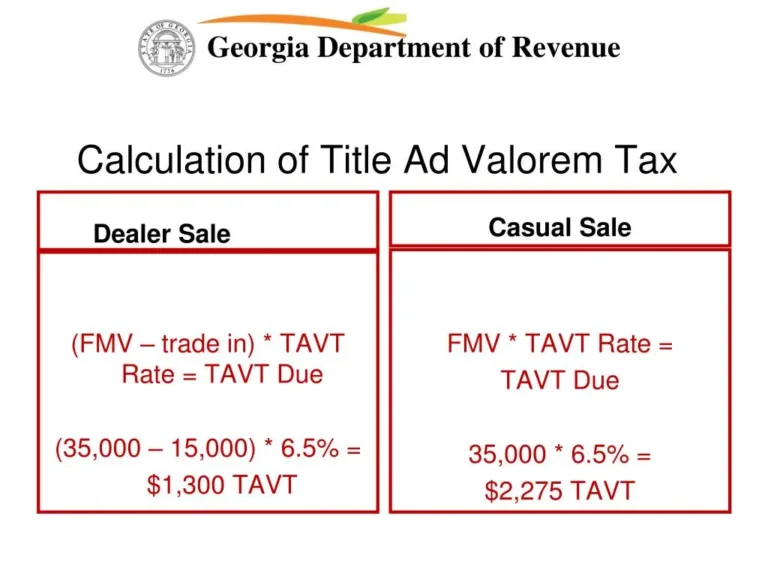
These statutes also exempt the car from the regular ad valorem tax. That is a big saving over a standard tag.
Benefits and Limits of Antique and Hobby Tags
The upside is clear. You pay a flat fee instead of a percentage of value. You skip the annual emissions test in metro counties.
You keep a collector friendly status.
The limits are just as real. You cannot drive the car to work. You cannot use it for errands on a normal weekday.
Insurance companies may ask for a limited use policy.
Pros:
- Low flat registration fee ($10 or $20)
- No Georgia emissions test at 25+ years
- Relief from 7% standard TAVT
- Simplified renewal cycle
- Collector credibility at shows
Cons:
- No daily driving or commuting
- Original spec strict for antique class
- Some insurers charge more for classic policies
- County offices may vary on paperwork
If you need state backed coverage options, compare before you bind the policy. Georgia minimums still apply at 25/50/25.
What You'll Need Before You Visit the Tag Office
Get your papers in order before you go. A missing form means a second trip.

You will need the following:
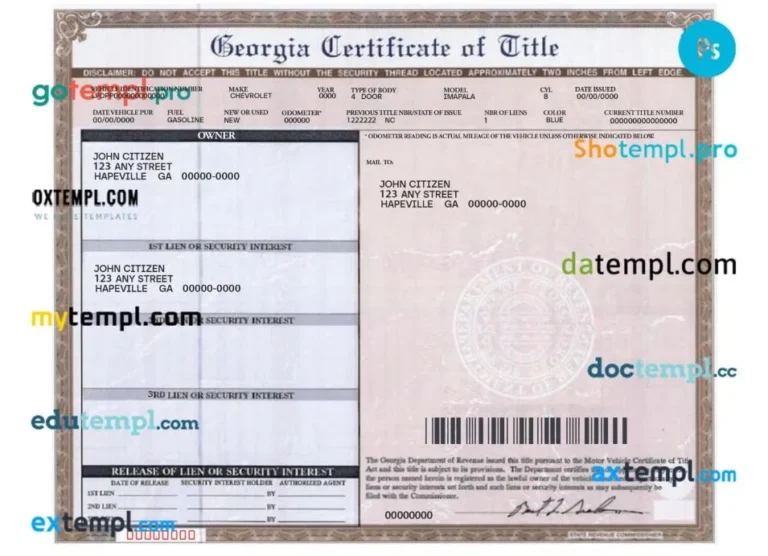
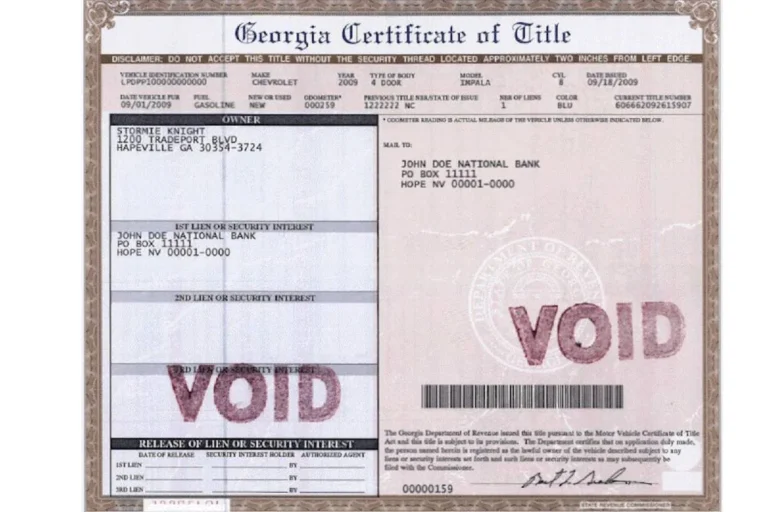
- Georgia title or MV-1 Title/Tag Application for transfer
- Completed Limited Use Affidavit (state form)
- Proof of liability insurance (25/50/25 minimum)
- Valid ID and county residency proof
- Prior plate if you are switching from standard
The MV-1 form is the same document used for most Georgia tag work. Fill it cleanly. The tax commissioner's clerk will check the model year against the 25 year rule.
If the car has no title, start a bonded title process first. That can take weeks, so begin early.
Many tasks can be started through DMV portal services in other states, but Georgia requires in person for these plates. Bring cash or check for the flat fee.
Step-by-Step Georgia Registration Workflow
The workflow is simple if your papers are ready. If your title is clear, you can finish in one visit.

Follow these steps at the county tag office.
- Bring the MV-1 form, limited use affidavit, and insurance proof.
- Show a valid Georgia ID and residency document.
- Clerk checks model year against the 25 year rule.
- Pay the flat fee for antique ($10) or hobby ($20).
- Receive your plate and cancel any prior standard tag.
If the car has no title, start a bonded title first. Then book a second trip once that clears.
County Tax Commissioner and Emissions Exemptions
Georgia has 159 counties. Each county tax commissioner handles plate issuance locally.
The state runs emissions testing in 13 metro counties. These include Cobb, DeKalb, Fulton, and Gwinnett. Cars 25 model years or older are exempt by statute.
Some counties add a small local fee on top of the state rate. Ask the clerk for the exact out the door total before you pay.
Common Mistakes That Get Plates Revoked
Owners lose tags by driving to work. The limited use affidavit bans daily commutes and commercial trips.
False specs on an antique filing bring fines. If you swapped the engine, file for hobby instead of antique.
Let insurance lapse and the state cancels the plate. Keep a paper copy in the glovebox at all times. Similar enforcement steps appear in other state impound rules.
Costs, Fees, and Ad Valorem Tax Relief
The antique plate costs $10 per Georgia DOR schedule. The hobby plate costs $20 for the same cycle.
Standard registration charges 7% TAVT on the car's value. A $10,000 vehicle owes $700 at title.
You skip that tax with either special plate. Renewal stays flat with no annual ad valorem bill.
| Registration type | Initial fee | TAVT owed | Emissions test |
|---|---|---|---|
| Standard | ~$20 | 7% of value | Yes if under 25 |
| Antique | $10 | $0 | No |
| Hobby | $20 | $0 | No |
Real Scenarios: Daily Driver vs Show Car
A 1998 Honda used for the work commute fails the limit. You must register it standard and pay TAVT.
A 1988 Ford truck driven to weekend meets fits hobby. A 1973 Mercedes kept to factory spec earns antique.
Pick by use and build, not by paint job. If you drive it daily, no special plate will save you money.
FAQs on Georgia Antique and Hobby Vehicle Registration
Can I drive my antique car to work in Georgia?
No. State law limits both antique and hobby plates to pleasure, parade, and show use. Daily commuting to a job is banned under O.C.G.A. § 40-2-111 and § 40-2-112.
If you drive the car to work, the county can revoke the tag and charge fines. Keep the car for weekends and events only.
Do I need emissions testing for a 25 year old car in Georgia?
No. Vehicles that are 25 model years or older are exempt from Georgia emissions testing in the 13 metro counties. This includes Cobb, DeKalb, Fulton, and Gwinnett.
The exemption applies to both antique and hobby plates. You skip the test entirely at the tag office.
What is the fee for a Georgia hobby plate?
The Georgia Department of Revenue lists the hobby plate at $20 for the registration cycle. That is a flat fee with no ad valorem tax added. The antique plate costs $10 for the same period.
County offices may add a small local fee on top of the state rate.
Can I use a hobby plate on a modified classic car?
Yes. The hobby class allows a 25 plus year old car with minor changes from factory spec. If you swapped an engine or added non original parts, hobby is the right fit.
The antique class demands strict original manufacturer specification. Pick hobby when the build is not stock.
How do I prove my car is 25 years old?
The model year on the Georgia title sets the age. The clerk checks it against the current year minus 25. For 2026, model year 2001 or older qualifies.
If the title is missing, a bonded title or VIN verification confirms the year before you file the MV-1 form.
Decision Guide: Picking the Right Plate for Your 25-Year-Old Car
Use this simple flow to choose. If your car is model year 2001 or older and stock, file for antique. If it has mods and you drive for fun, choose hobby.
If you commute daily, stop here. No special plate fits a daily driver in Georgia. You must use standard registration and pay the 7% TAVT.
We've broken the path into plain if/then steps:
- If stock and original spec, then antique plate ($10).
- If modified but 25 plus years, then hobby plate ($20).
- If driven to work, then standard plate only.
- If in metro county, then skip emissions at 25 plus years.
- If no title, then bonded title before visit.
This flow keeps you legal and saves money. Match the plate to the build and the use, not to the look.