The Georgia hands free act prohibition on holding wireless devices while driving trips up even careful commuters. You might believe cradling your phone on your shoulder or tapping a mounted screen is fine, but state troopers see it differently.
Our editorial review of the official Georgia Code shows the law took effect July 1, 2018 under House Bill 673. As of 2026, a single slip can mean $50 plus court costs and a point on your license. Here's why misunderstanding the rules hurts more than your wallet.
Why Getting This Law Wrong Actually Hurts
A traffic stop for a handheld phone isn't just a slap on the wrist. The penalties stack fast, and the hidden costs bite harder than the ticket.
We've tracked insurance filings where a single point pushed premiums up by double digits. That's real money leaving your pocket for a year or more.
The law also puts new drivers at risk of permit delays. Teens caught with any wireless device face suspension under Joshua's Law.
A second offense doubles the fine and adds two points. Three strikes means three points and a $150 base fine before court fees.
Don't forget the criminal record angle. Each violation is a misdemeanor of a less offensive nature. That line stays on your driving history.
Crash risk is the biggest hidden cost. Manual phone use slows reaction time, and NHTSA data backs this up. The national traffic safety research shows distracted driving kills hundreds in Georgia yearly.
Quick Answer: What the Georgia Hands-Free Act Bans
Georgia hands free act prohibition on holding wireless devices while driving is strict. You may not hold a phone with any body part. Mounted devices and voice commands are allowed.
The rule applies whenever the vehicle is on a road. Fines start at $50 for a first offense.
| Banned while driving | Allowed under the law |
|---|---|
| Holding phone in hand | Mounted phone for GPS |
| Resting device on shoulder | Speakerphone or Bluetooth |
| Typing texts by hand | Voice-to-text input |
| Watching video (non-nav) | Glancing at mapped route |
The statute targets physical support of a device. If your body holds it, you're in violation.
The Exact Language of OCGA § 40-6-241
The core rule lives in the Official Code of Georgia Annotated section 40-6-241. House Bill 673 wrote this into law, and it became active on July 1, 2018.
The text says a driver cannot hold a wireless telephone or stand-alone electronic device. It also bars writing, sending, or reading texts unless voice-based. Watching a video is blocked except for navigation mapping.
A "wireless telephone" means any device that sends or receives calls or data. A "stand-alone electronic device" covers tablets and music players. Both fall under the ban if held.
Manufacturer specs for car infotainment systems show most pair by Bluetooth. That meets the hands-free standard. The law does not require a specific brand, just no physical contact.
Per the Georgia Governor's Office of Highway Safety, the goal was to cut hand-held use. Their enforcement data shows observations of held phones dropped after 2018. The statute is the backbone of that push.
What Counts as "Holding" a Wireless Device
The word "holding" trips up many drivers. It means any support by your body, not just a palm grip.
If the phone rests between your ear and shoulder, that's holding. A lap cradle counts too. Even pinning it against the steering wheel with a knee violates the code.
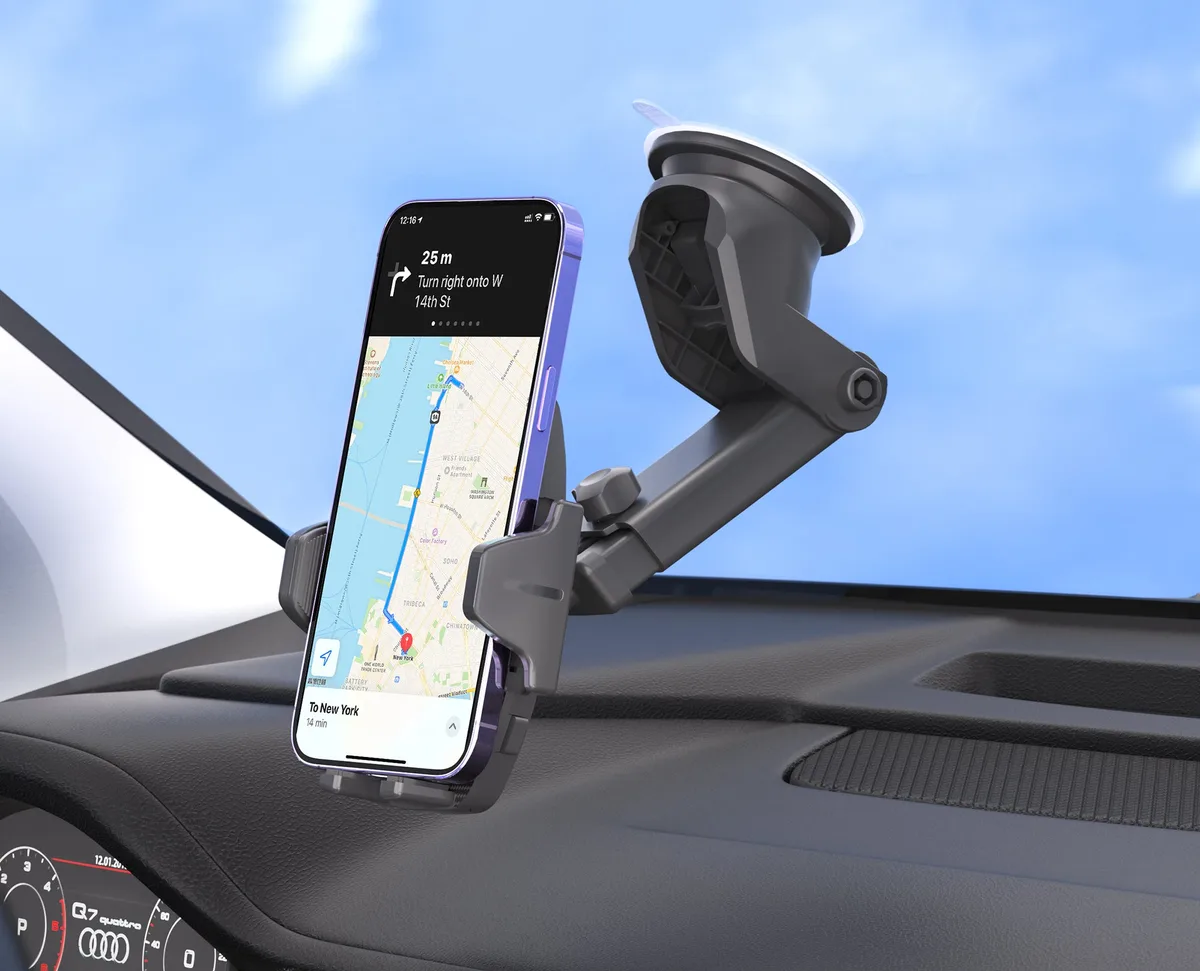
A mounted device is different. You can fix it to the dashboard, windshield, or vent. The key is that the mount, not you, supports the weight.
Tapping a mounted screen while moving is still a gray area. The statute says you can't hold it, but reaching to swipe crosses the line. Input your destination before you roll.
Law enforcement officers look for body contact. If your hand is on the device while the engine runs, expect a citation. Keep both hands on the wheel and use voice.
Who's Behind the Wheel: Adults, Teens, and CDL Drivers
Not every driver faces the same rule. Age and license type change what's legal.
Adults over 18 may use hands-free systems. Bluetooth earpieces, speakerphone, and car stereos are fair game. The ban only covers physical holding.
Drivers under 18 get zero tolerance. Joshua's Law blocks all wireless use, even hands-free. A teen with a phone on the seat but powered on can still be cited.
Commercial CDL holders answer to federal rules too. The FMCSA bans hand-held phones for interstate truckers. Georgia's state law layers on top, so a CDL mistake doubles the trouble.
Out-of-state comparisons show how mixed these rules are. The radar detector rules elsewhere prove each state writes its own book. Georgia's version is broader than most.
Rideshare drivers must pair the app before moving. A quick glance at a mounted phone is fine. Picking it up to accept a ride is not.
Emergency responders are exempt while on duty. Utility crews fixing lines get the same pass. Regular commuters get no such break.
The impound consequences in other states show how traffic slips spiral. Georgia stops short of that for phone use, but points add up.
A mountain travel mandate is another example of layered driving law. Georgia's hands-free rule is simpler, yet the stakes are just as real.
Finally, the emergency light bans remind us that vehicle codes protect public safety first. The Hands-Free Act fits that same mold.
Situations Where the Ban Still Applies (Red Lights, Traffic, Mounts)
Many drivers think a stopped car is a free pass. The statute says otherwise when the engine runs.
If you're at a red light with phone in hand, you're violating OCGA 40-6-241. The same goes for bumper to bumper traffic on I-285.
A mounted device changes the math. You can glance at a windshield mount for directions. You cannot pull it down to pinch zoom while the car idles.
The only safe hold is a true park. That means off the roadway in a legal space. A gas station pump counts, a travel lane does not.
Some folks compare this to window film limits in other states. Both are vehicle codes with zero tolerance for casual bends.
Legal Exemptions You Should Know
Not every flashing light pulls you over for a phone. Certain crews are carved out by the statute.
Police officers, firefighters, and EMS staff are exempt while performing duties. That covers answering a map app on the fly.
Utility workers responding to outages get the same pass. The key phrase is "emergency response". A routine meter read does not qualify.
Ambulance drivers and authorized public utility vehicles are listed by name. Civilian drivers get no exemption at all.
Step-by-Step: How to Drive Compliant in Georgia
Setting up before you move saves the headache. The routine takes two minutes in the driveway.
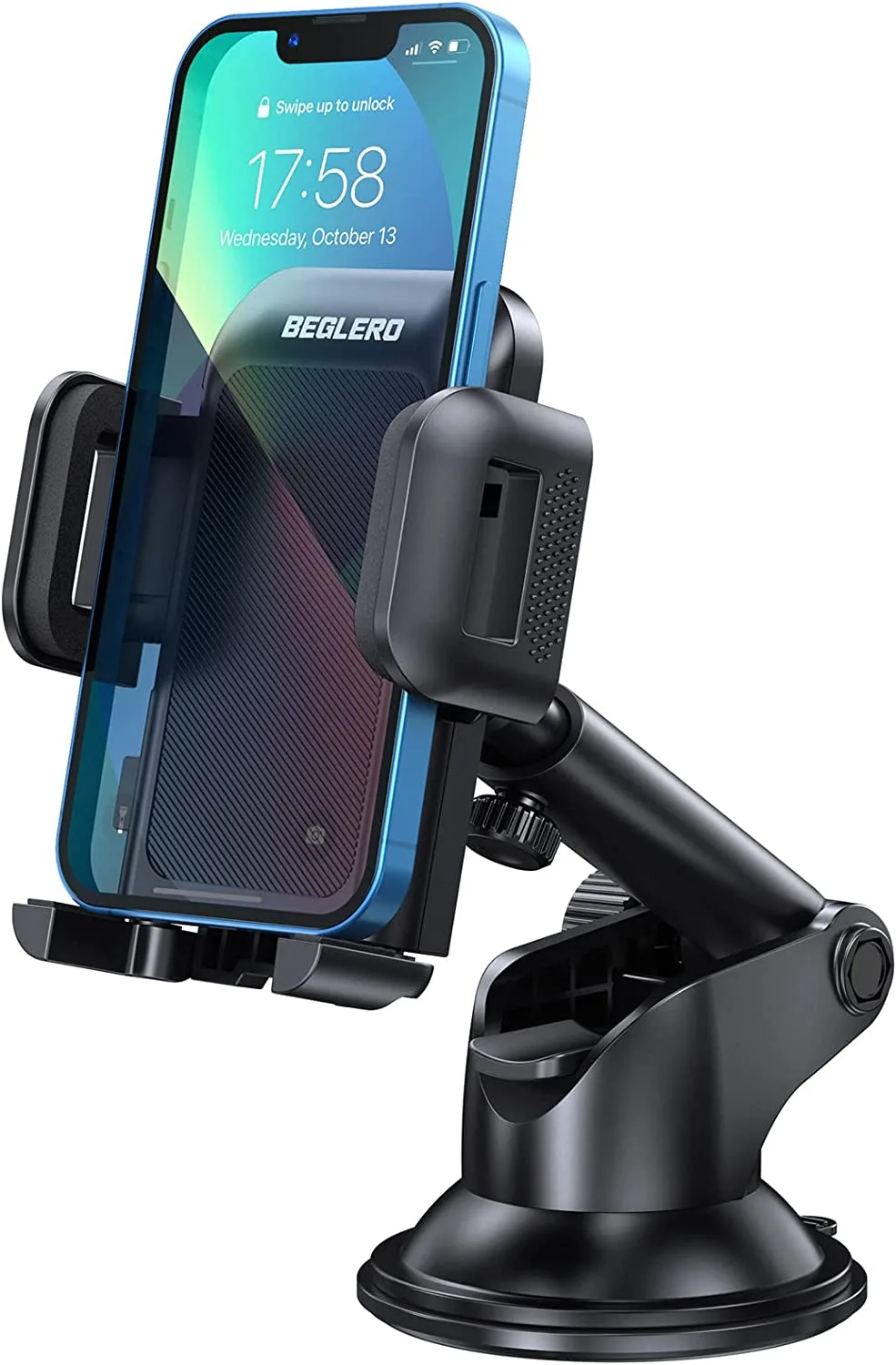
Mount the phone to dashboard or vent first. Pair it to Bluetooth through the stereo or earpiece.
Type your destination while parked, not at a stop sign. Engage voice assistant for any mid-trip change.
If you must hold the device, pull fully off the roadway. Pick a legal space, shift to park, then touch the screen.
A citation can be paid or contested in magistrate court. The Georgia Department of Driver Services tracks the points after that.
A budget coverage option won't erase a CDL strike, so stay clean from the start.
Mistakes That Get Georgia Drivers Ticketed
The shoulder cradle is the top error we see cited. Drivers think ear to shoulder is not a hand, but the code says holding.
Tapping a mounted phone to retry a route is the second big one. The mount supports it, your finger does not need to.
Teens using earbuds get stopped under Joshua's Law. Any wireless contact, even voice, is barred for under 18.
Bluetooth dropouts cause a reach across the cabin. That instant hand on phone is all an officer needs.
Some skip the license address updates after a move and miss court mail. The fine then balloons with a failure to appear.
Fines, License Points, and Court Costs by Offense
The base numbers are small, the stacked costs are not. Here is the offense ladder.
| Offense | Base fine | License points |
|---|---|---|
| First | $50 | 1 |
| Second | $100 | 2 |
| Third plus | $150 | 3 |
Court costs add roughly $30 to $75 on top in most counties. A third strike with fees nears $225 out of pocket.
Points hit your record for two years. Insurance carriers pull the report and adjust rates upward.
A defensive driving course through DDS can cut a point. The fine still stands, but the rate hike eases.
How a Hands-Free Setup Compares to Hand-Held Use
A true hands-free rig keeps your hands on the wheel and your record clean. Hand-held use fails the law the moment the car moves.
We compared the two setups across enforcement risk and daily use. The table below shows where each one fits.
| Setup type | Best for | Legal risk |
|---|---|---|
| Mounted plus Bluetooth | Adult commuters | Low |
| Hand-held at stop | No one | High |
| Earbud voice only | Rideshare adults | Low |
| Shoulder cradle | No one | High |
Windshield mounts work if they sit in the lower corner. Federal obstruction rules bar full coverage of the view.
Vent mounts avoid the glass issue but can block airflow. Pick a cradle that locks the phone without finger contact.
Commercial drivers need a fixed install. The federal carrier rules ban hand-held for interstate truckers outright.
Out-of-State Drivers and Georgia's Border Rules
Georgia enforces the ban on any public road, resident or not. A Florida tag does not earn a pass on I-75.
Travelers from Tennessee or Alabama often carry looser habits. The moment wheels cross the state line, OCGA 40-6-241 applies.
Atlanta's dense interstates see the most stops. Rural two-lanes get less patrol but the same penalty.
Rental car users get cited like owners. The rental agreement will not shield you in magistrate court.
Plan your mount setup before leaving the hotel lot. A quick pairing session saves a roadside citation.
Expert Tips From the Driver's Seat
Our research points to a few habits that cut stop risk to near zero. None take more than a minute at the curb.
Set the phone to Do Not Disturb While Driving before you start. The system auto-replies and silences buzzes.
Use a voice assistant for texts, not a glance down. Siri and Google Assistant read replies aloud on most stereos.
Keep a cheap backup earpiece in the glove box. Bluetooth dropout is the top reason folks reach mid-trip.
Pair the device to the car, not just the earbud. Dual connection keeps navigation voice on the speakers.
The blog library carries more state code breakdowns if you road trip often.
FAQs on Georgia's Wireless Device Driving Ban
Can I use my phone for GPS if it's mounted?
Yes, a mounted phone for navigation is allowed under OCGA 40-6-241. You cannot hold it or swipe the screen while driving. Input the route while parked, then glance at the map.
Voice prompts keep your eyes forward and meet the law. A suction cup mount on the lower windshield corner is the safest pick.
Is it legal to hold the phone at a red light?
No, the ban applies whenever the vehicle is on a roadway with the engine running. A red light is a temporary stop, not a legal park. Put the phone down or face a first offense citation with court costs added.
Officers watch this closely at busy urban intersections across the state.
What are the rules for drivers under 18?
Joshua's Law bars all wireless use for minors, hands-free included. A teen cannot use earbuds, speakerphone, or a mounted screen. Any device contact risks permit delay or a license suspension under state rules.
Parents should enforce a zero phone policy in the car to avoid a stop.
Can a passenger hold and use a phone?
Yes, passengers may hold and use wireless devices freely under the Georgia code. The statute targets the operator, not riders in the cabin. A driver must still avoid looking at the passenger's screen to stay safe.
The ban is about the person behind the wheel, not the crew.
What happens if I'm parked but the engine runs?
You must be off the roadway in a legal parking space to count as parked. A shoulder or lane with the engine running is not a park under the law. Move to a lot or driveway before touching the device for any reason.
Only a true legal park clears the ban.
The Bottom Line on Staying Legal and Safe
Georgia's hold ban is simple in wording and strict in practice. Body contact with a device equals a citation, full stop.
Adults keep it clean with a mount and voice tools. Teens go zero device, and CDL holders answer to federal plus state.
The cost of a slip runs from $50 to $150 plus points and insurance hikes. A two minute setup beats a year of higher rates.
Stay parked for hands-on tasks, and let the car do the talking. That's the whole playbook for keeping your license clear in Georgia.