If you've just bought a new car in Arizona and it's already spent more time in the shop than in your driveway, you're not alone. That sinking feeling when a brand-new vehicle has the same problem for the third or fourth time is exactly what the Arizona lemon law for new vehicle buyers is designed to address.
Our research into Arizona's statute shows that if your vehicle has been out of service for 30 cumulative days or the dealership has failed to fix a serious safety defect after two attempts, you likely have a valid claim. As of 2026, the law still protects you within the first 24,000 miles or two years, whichever comes first. Let's walk through how it works.
Quick Answer
The Arizona lemon law covers new vehicles under warranty. You need four repair attempts for non-safety defects. Or two attempts for serious safety defects.
Or 30 total days out of service. You can then demand a buyback or replacement vehicle.
Why the Arizona Lemon Law Actually Matters (and What's at Stake)

A defective new car isn't just an inconvenience. It's a financial sinkhole. You're making monthly payments on a vehicle you can't trust.
You're burning time driving back and forth to the dealership. And every time the same problem reappears, that car loses value faster than it should.
Here's what's at stake:
- Your safety, recurring brake failures, steering issues, or electrical problems aren't minor annoyances
- Your wallet, depreciation hits harder when a car has a documented repair history
- Your time, Arizona's lemon law counts every day the car is in the shop, but you still have to manage those trips
The law shifts the burden back to the manufacturer. They made the car. They should fix it or replace it.
Without this protection, you'd be stuck negotiating with a dealer who has no legal obligation to buy back your vehicle. The statutory framework gives you real leverage, but only if you know how to use it.
Our research across Arizona consumer forums and legal cases shows that many buyers lose their claims simply because they didn't know the rules. They gave up after three repair attempts when the law required four. Or they accepted a settlement that deducted too many miles.
Read our main blog for more on protecting your investment.
Who Qualifies — New Vehicles, Leases, and the 2-Year / 24,000-Mile Window
The Arizona lemon law covers two groups of people: purchasers and lessees. If you signed a lease on a new car, you're protected the same way as someone who wrote a check. The manufacturer owes you the same buyback or replacement rights.
Here's what qualifies a vehicle:
- The vehicle must be new at the time of purchase or lease
- It must be covered by the manufacturer's express warranty
- The defect must first be reported within 24,000 miles or 2 years (whichever hits first)
That last point catches a lot of people. If your problem shows up at 25,000 miles, the law no longer applies. The warranty window for protection is strict.
Even if your extended warranty is still active, the lemon law clock has run out.
What doesn't qualify:
- Used cars (no dedicated used-vehicle lemon law in Arizona)
- Motorcycles, RVs, or commercial vehicles over 10,000 pounds
- Defects caused by owner neglect, abuse, or unauthorized modifications
Check your original purchase date and mileage. As long as you're inside that 2-year window, you're eligible to pursue a claim. Taking proper care of your vehicle, like learning how to hand wash a new black Mercedes car, can help avoid disputes about neglect.
What Legally Counts as a Lemon in Arizona
This is where most of the confusion lives. People assume one bad repair trip qualifies them. It doesn't.
Arizona law is specific about the thresholds you need to hit. You must meet one of three conditions.
The 4-Repair Attempt Rule (Non-Safety Defects)
For problems that aren't life-threatening, like transmission shudder or a persistent check engine light, the dealer needs four attempts to fix the same issue. And the issue needs to be substantially the same defect each time. You can't count a radio failure and a brake problem as the same claim.
The 2-Repair Attempt Rule (Serious Safety Defects)
If the defect could cause death or serious injury, like brake failure or steering loss, the threshold drops to two repair attempts. Arizona takes safety defects seriously. The law gives manufacturers fewer chances to fix problems that put you at risk.
The 30-Calendar-Day Out-of-Service Threshold
Even if you haven't hit the repair attempt numbers, the law covers you if your vehicle has been in the shop for 30 cumulative calendar days. This doesn't mean 30 consecutive days. It adds up over multiple visits.
| Condition | Threshold | Example |
|---|---|---|
| Non-safety defect | 4 repair attempts | Engine stalling repeatedly |
| Serious safety defect | 2 repair attempts | Brake pedal goes to floor |
| Out of service | 30 cumulative days | 10 days here, 12 there, 8 more |
The 30-day clock starts ticking the first time you drop the car off. If you're concerned about vehicle care during this process, our guide on swirling car wash brush damage covers how to avoid disputes about paint condition.
Substantial Impairment — What That Means and Why It's Tricky
Even if your car has been in the shop four times, the defect must cause a substantial impairment to use, value, or safety. A minor cosmetic issue like a loose trim piece probably won't qualify.
Arizona courts look at this from a reasonable person standard. Would the average buyer think twice about purchasing this car if they knew about the problem? If yes, it's substantial.
Examples that typically pass the test:
- The car stalls unpredictably at highway speed
- The transmission jerks or refuses to shift
- The AC system fails repeatedly in Phoenix summer heat
- The electrical system drains the battery overnight
Examples that usually fail:
- A sunroof that squeaks when opened
- Paint with minor imperfections
- A stereo that resets occasionally
The key is documentation. If you can show how the defect affects daily driving or safety, you have a stronger case. Frame your complaint around how the defect impacts use or safety.
How the Process Works: From Repair Log to Buyback Offer
The lemon law process in Arizona follows a specific sequence. Skip a step and you can lose your claim.
Step 1 — Document Every Single Repair Visit
This is the foundation of your case. Without proof, you have nothing. Every time you visit the dealership, get a work order or repair invoice.
Keep them all in a folder.
What to track on each visit:
- Date you dropped the car off
- Mileage at drop-off
- Specific complaint you reported
- What the dealer said they did
- Date you picked the car up
- Mileage at pickup
Do not rely on the dealer to keep perfect records. If they lose a repair order on your fourth visit, you need your copy.
Step 2 — Count the Days and Track the Mileage
Get a calendar. Mark every day the car was at the dealership. Add them up.
If you hit 30 cumulative days, you meet the out-of-service threshold. Also track the total mileage at the time of the first repair complaint.
Step 3 — Notify the Manufacturer in Writing (Certified Mail)
This is the step most people miss. You need to send a written notice to the manufacturer, not the dealer. They need to know you're having a problem and have one last chance to fix it.
Send it via certified mail with return receipt. Keep a copy.
Step 4 — Give the Manufacturer a Final Shot (If They Ask)
Once the manufacturer gets your notice, they may request a final repair attempt. Legally, you have to allow it. If they fix the problem, your claim may be resolved.
If not, you move to the next step.
Step 5 — File a Complaint or Demand a Buyback
You have two options. File a complaint with the Arizona Attorney General's consumer protection division. Or demand a buyback or replacement directly from the manufacturer through arbitration.
Most manufacturers require arbitration under their warranty terms.
If you win, the manufacturer must refund the purchase price minus a usage offset, or provide a replacement vehicle. Your attorney's fees may also be covered.
What You Actually Get Back — and What the Manufacturer Deducts
If you win your claim, the manufacturer doesn't just hand you a check for the full sticker price. They deduct a usage offset based on miles you drove before the first repair attempt.
The Usage Offset Formula (the Miles You Pay For)
Take the miles driven before the first documented repair visit. Multiply by a per-mile rate set by the manufacturer. That amount gets subtracted from your refund.
| Element | Value |
|---|---|
| Purchase price | $35,000 |
| Miles before first repair | 4,500 |
| Per-mile offset rate | $0.20 |
| Total offset | $900 |
| Your refund | $34,100 |
The offset rate varies by manufacturer. Some use $0.15 per mile. Others use $0.25.
Most Arizona arbitration awards apply rates between those figures.
Refund vs. Replacement — Which Is Better for You?
You have the right to choose a refund or a replacement vehicle.
- Refund, You get your money back minus the usage offset. You walk away clean. You can buy a different make or model.
- Replacement, You get a similar new vehicle from the same manufacturer. You start over with a fresh warranty. But you don't get your taxes and fees back unless the replacement is cheaper.
Most buyers in our research chose the refund. It gives you freedom. A replacement ties you to the same brand that already sold you a defective car.
The Most Common Mistakes That Sink a Lemon Law Claim

Our research across Arizona arbitration records reveals the same errors happening again and again.
Mistake 1: Not sending the written notice by certified mail.
You told the dealer about the problem twelve times. That doesn't count. The manufacturer needs a formal written notice with proof of delivery.
Mistake 2: Accepting a buyback offer without reading the fine print.
Some manufacturers offer a settlement before you file. They might ask you to sign a release that waives all future claims. Have a lawyer review any settlement offer.
Mistake 3: Stopping at three repair attempts when you needed four.
The four-attempt rule applies to most defects. People assume three strikes and you're out. Check your repair count carefully before you abandon your claim.
Mistake 4: Not tracking out-of-service days accurately.
Thirty days sounds like a lot. But three visits of ten days each add up fast. Many owners forget to count the days the car sat waiting for parts.
Arbitration vs. Court — Which Route Should You Take?
Your warranty likely requires you to try arbitration before going to court.
Arbitration, You present your evidence to a neutral arbitrator. The process is faster, usually 30 to 60 days from filing to decision. Most manufacturers use the BBB AUTO LINE program.
Court, You file a lawsuit against the manufacturer. This takes longer and costs more. But you can potentially recover more money and request a jury trial.
| Factor | Arbitration | Court |
|---|---|---|
| Timeline | 30 to 60 days | 6 to 18 months |
| Cost | Low (filing fees only) | High (attorney retainers) |
| Attorney fees | Awarded if you win | Awarded if you win |
| Public record | Private | Public |
If you have a clear case with solid documentation, arbitration is usually the smarter move. If the manufacturer is fighting dirty or the defect has caused significant financial harm, court may give you more leverage.
When You Need an Attorney (and When You Don't)
The Arizona lemon law allows you to file a claim without a lawyer. Many people do. If your case is straightforward and the manufacturer isn't pushing back, you can handle the arbitration yourself.
You need an attorney when:
- The manufacturer denies your claim and you need to go to court
- You have multiple defects and the manufacturer blames each on different parts
- The dealer or manufacturer accuses you of abusing the vehicle
- You're offered a settlement and you're not sure if it's fair
You can skip the lawyer when:
- Your case clearly meets the 4-attempt or 30-day threshold
- The manufacturer agrees to a buyback early in the process
- The defect is well-documented and the repair records are clean
Most lemon law attorneys work on contingency. They take a percentage of your settlement. A single consultation often costs less than $200.
It's money well spent to confirm you're on the right track.
Arizona-Specific Factors That Affect Your Claim
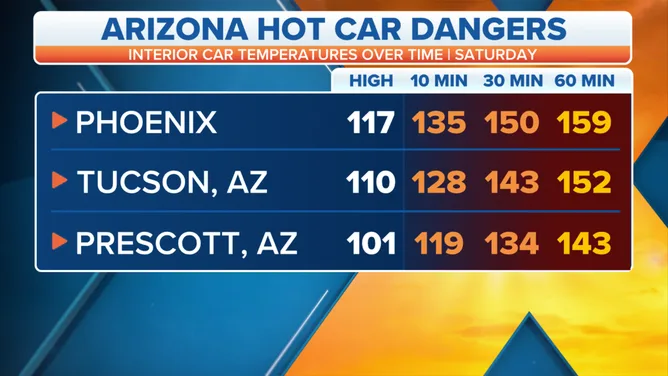
Living in Arizona comes with unique challenges. The climate can affect both your vehicle's performance and your lemon law claim.
Heat-Related Defects (AC, Electronics, Batteries)
Arizona summer heat is brutal on cars. Temperatures inside a parked vehicle can exceed 160 degrees Fahrenheit. This stress causes certain defects to appear or worsen.
Common heat-related issues in Arizona lemon law claims:
- Air conditioning failure, Works fine in a showroom. Fails during the first 115-degree day.
- Battery drain, Heat accelerates battery degradation. Some vehicles lose charge overnight.
- Dashboard and electronics, Touch screens fail. Sensors malfunction. Heat warps plastics.
If your vehicle has AC or electronic issues, document the ambient temperature during each failure. This strengthens your case. Our article on ceramic coating protection against salt discusses how heat affects vehicle surfaces and why proper maintenance matters in Arizona's climate.
Rural Owners and Limited Dealer Access
If you live in Flagstaff, Prescott, or a smaller Arizona town, your options are limited. You may have only one dealer within 100 miles.
This affects your claim in two ways. First, if the closest dealer can't fix your problem, you may need to travel to Phoenix. You still count those visits as repair attempts.
Second, shipping parts to a rural dealer takes longer. The 30-day threshold can be met faster because the car sits waiting for parts more often.
Don't let distance discourage you. The law counts every day the car is unavailable, regardless of location. Rural owners have won claims based on the 30-day rule alone.
Real Scenarios — What a Successful Claim Looks Like in Practice
A Phoenix owner bought a midsize SUV in June 2022. The transmission failed at 3,000 miles. The dealer replaced the valve body.
It failed again at 5,500 miles. Then again at 8,000 miles.
That's three repair attempts for the same defect. On the fourth visit, the owner sent a certified letter to the manufacturer. They requested a buyback.
The manufacturer settled within 45 days. The refund came to $32,400 after the usage offset.
The owner kept every work order. They logged each date and mileage. They sent the notice by certified mail.
That paper trail made the case almost automatic.
Another owner in Tucson had an AC system that failed three summers in a row. Each repair lasted a few months. The total days out of service hit 34.
The manufacturer bought the car back under the 30-day rule.
Both cases had one thing in common. The owners didn't give up. They followed the steps exactly and documented everything.
Your Final Decision Guide: Know Your Rights, Take the Right Step
Here's the short version of what to do next.
If your car has been to the shop 3 times for the same problem, Take it one more time. Document that fourth visit. Then send the certified letter.
If your car has a serious safety defect and the dealer has tried twice, Stop waiting. Send the notice today. You meet the threshold.
If your car has been in the shop for 30 days total, Count every calendar day. Add them up. Send the certified letter now.
If you're not sure where you stand, Contact the Arizona Attorney General's consumer protection division. Or pay for a one-hour consultation with a lemon law attorney.
Don't let the process intimidate you. The law is on your side if you meet the thresholds. Most manufacturers settle before arbitration when they see a well-organized case.
Your job is to be organized, patient, and persistent. For ongoing vehicle maintenance tips, our guide on car shampoo for PPF covers how to keep your car in good condition.
Frequently Asked Questions
Does the Arizona lemon law cover used cars?
No. Arizona does not have a dedicated used-vehicle lemon law. Used car purchases are covered only if the vehicle is still under the original manufacturer's warranty and the defect appeared within the first 24,000 miles or 2 years.
How long does a lemon law claim take in Arizona?
Most arbitration claims resolve within 30 to 60 days after filing. Court cases take 6 to 18 months. Early settlement offers sometimes come within a few weeks of sending your certified notice.
Can I still drive my car while waiting for a lemon law decision?
Yes. Keep driving it unless the defect is dangerous. The usage offset is calculated from your first repair visit, not from the decision date.
Parking the car doesn't improve your payout.
Will the manufacturer pay my attorney fees in Arizona?
Yes, if you win in arbitration or court. The Arizona statute requires the manufacturer to pay reasonable attorney fees and costs. This applies whether you get a refund or a replacement vehicle.
What happens if I already traded in my defective car?
You can still file a claim. The law covers the original purchase or lease. You don't need to still own the vehicle.
Your repair records and timeline still apply. The manufacturer may owe you the difference between your trade-in value and what you would have received in a buyback.