If you’ve ever wondered how long does a vehicle sit abandoned before towed in ns, the answer depends on where it’s parked. Nova Scotia’s rules vary by municipality, but most areas give 24 to 72 hours before towing kicks in.
As of 2026, Halifax moves faster than rural spots, and private property owners can tow immediately if they’ve posted the right signs. The clock starts ticking the moment a vehicle looks abandoned, no plates, flat tires, or expired registration speed up the process.
Quick Answer
In Nova Scotia, a vehicle can sit 24 to 72 hours before towing. Halifax often tows within 24 hours on public land. Private property allows immediate removal with proper signage.
Municipal bylaws set the exact timeframe.
Public vs. Private Property: The Key Difference
Public property follows municipal bylaws. Halifax, Sydney, and Truro each have their own timelines. Private property lets owners act faster if they’ve posted clear warnings.
On public roads, the province or city must give notice before towing. On private land, the owner can call a tow truck right away if the vehicle violates posted rules.
Municipal Rules in Nova Scotia (Halifax, Sydney, Truro & More)

Halifax Regional Municipality (HRM) typically tows after 24 to 48 hours. Sydney in Cape Breton often waits 72 hours. Truro moves within 24 hours for obvious violations.
Here’s a quick breakdown of common municipal timeframes:
| Municipality | Public Property Timeframe | Private Property Rule |
|---|---|---|
| Halifax (HRM) | 24–48 hours | Immediate with proper signage |
| Sydney (CBRM) | 72 hours | Immediate with proper signage |
| Truro | 24 hours | Immediate with proper signage |
Smaller towns may follow provincial defaults or set their own rules. For the most accurate details, the Nova Scotia Department of Transportation and Infrastructure Renewal provides official guidance.
What Counts as an “Abandoned” Vehicle?
A vehicle is usually considered abandoned if it’s left in one spot for the local timeframe without moving. Common signs include expired registration, missing plates, flat tires, or visible damage.
Municipalities may also tag vehicles that:
- Block fire hydrants, driveways, or emergency access
- Lack valid insurance or registration
- Are inoperable (no keys, dead battery, mechanical failure)
- Have been reported as abandoned by a resident
The Step-by-Step Towing Process
Reporting an Abandoned Vehicle
Residents can report a suspected abandoned vehicle to their local municipality. Halifax uses a 311 service for such complaints. Provide the location, license plate (if visible), and description.
Notice Requirements Before Towing
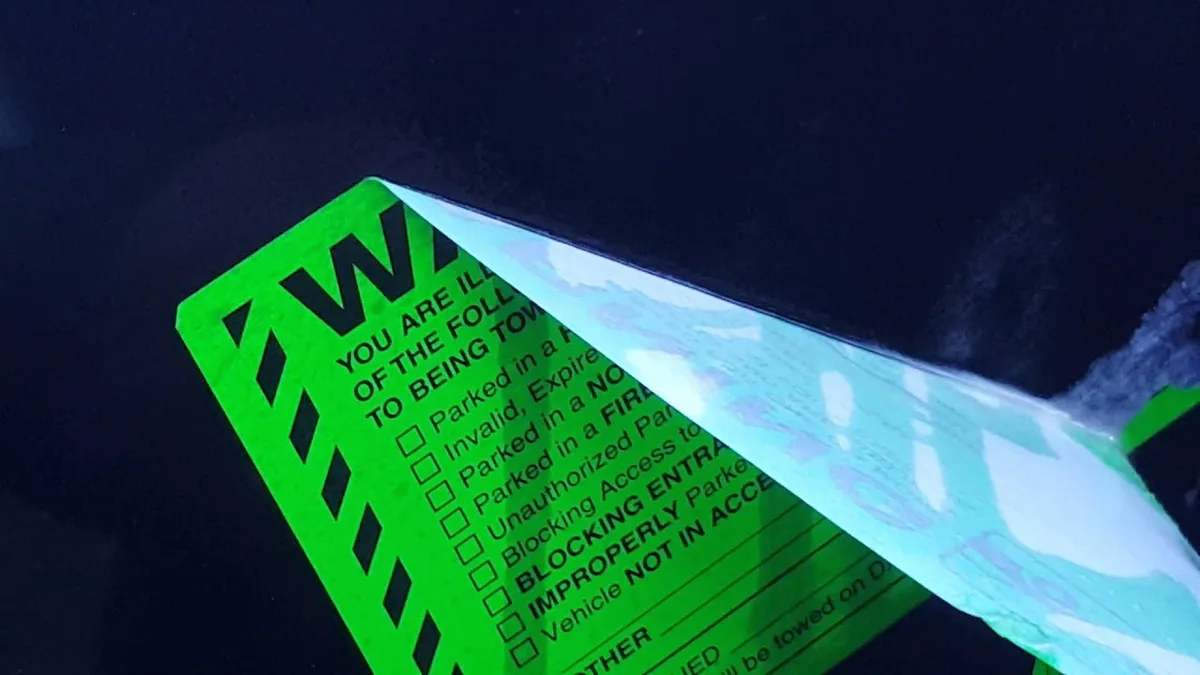
Most municipalities require a notice be placed on the vehicle. This gives the owner a final warning. The notice period aligns with local bylaws, 24 to 72 hours is typical.
In Halifax, bylaw officers may tag the vehicle first. If it’s not moved within the notice period, towing follows.
How the Towing Actually Happens
Authorized tow companies handle the removal. They’ll transport the vehicle to an impound lot. Owners can reclaim it by proving ownership and paying fees.
How to Reclaim a Towed Vehicle in NS

You’ll need proof of ownership to get your car back. Bring your driver’s license, registration, and insurance papers to the impound lot.
Fees add up fast. Towing costs start around $100, and storage runs $20 to $50 per day. Call the local police non-emergency line or check the municipality’s website to find where your car was taken.
Costs You Might Face (Towing, Storage, Fees)
Towing a standard car in Nova Scotia typically costs $100 to $250. Larger vehicles or difficult removals can push this higher. Storage fees kick in immediately and accrue daily.
Here’s a typical breakdown:
| Fee Type | Estimated Cost |
|---|---|
| Towing (base) | $100–$250 |
| Storage (per day) | $20–$50 |
| Admin fee | $50–$100 |
Payments are usually cash or credit only. Always confirm accepted payment methods before heading to the lot.
Common Mistakes That Get Cars Towed Faster
Parking without a valid permit in designated zones is an easy way to get towed. Expired registration or insurance also speeds up the process.
Leaving a car with flat tires or broken windows makes it look abandoned. Ignoring posted signs on private property is another quick path to towing.
Legal Protections & Your Rights as a Vehicle Owner
Nova Scotia’s Motor Vehicle Act protects owners from predatory towing. Tow companies must follow strict rules about notices and fees.
If you believe your car was towed unfairly, you can dispute it. Contact the municipality or the Nova Scotia Barristers’ Society for guidance.
What Property Owners Need to Do Before Towing
Post clear, visible signs stating towing rules. The signage must meet municipal standards for size, placement, and wording.
Take photos of the vehicle and the posted signs before calling a tow truck. Use a licensed towing company to avoid legal trouble.
Frequently Asked Questions
How do I report an abandoned vehicle in Halifax?
Call HRM’s 311 service or use their online form. Provide the exact location, license plate, and vehicle description.
Can a tow company tow my car without notice in Nova Scotia?
On private property with proper signage, yes. On public land, they must follow municipal notice rules.
What happens if I don’t reclaim my towed car?
After 30 to 60 days, the lot can sell it at auction. You’ll lose the vehicle and still owe any unpaid fees.
Do I need insurance to get my car back from impound?
You’ll need proof of ownership and valid registration. Insurance isn’t always required for release but may be needed to drive it away.
Are towing fees regulated in Nova Scotia?
Yes, but limits vary by municipality. Halifax caps towing fees for certain situations. Always ask for an itemized receipt.
Can I dispute a towing charge?
Yes, if you believe the tow was unlawful. Contact the municipality or the Nova Scotia Barristers’ Society for guidance.