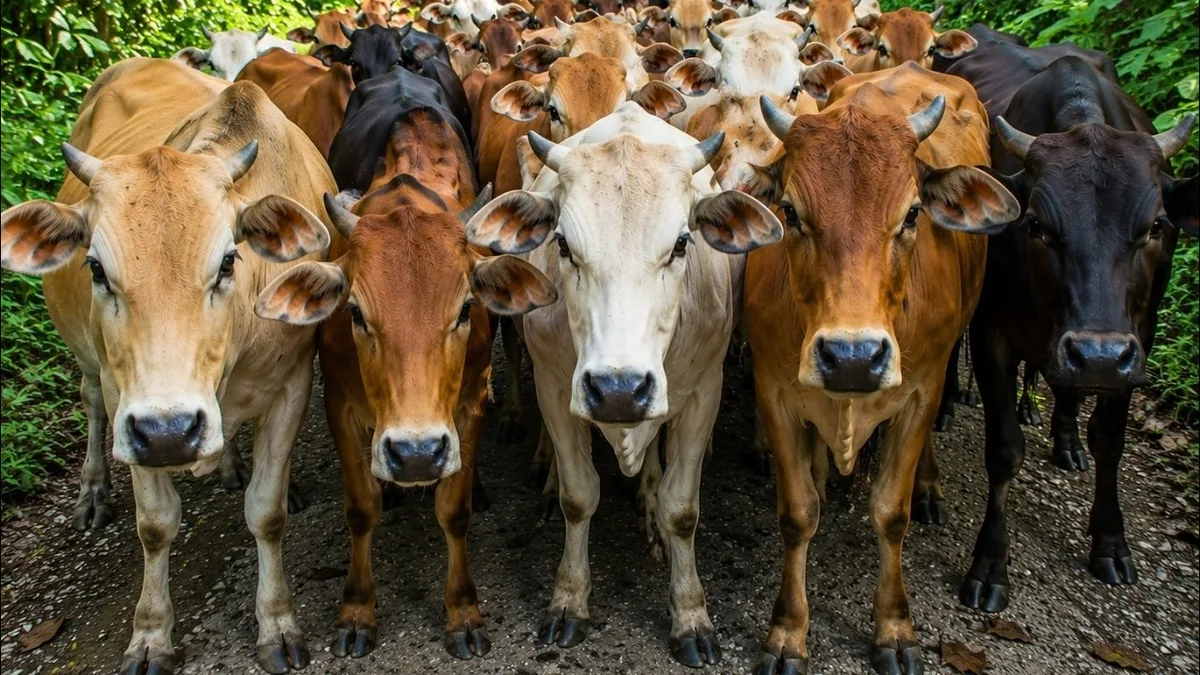
Livestock on roadways isn’t just a rural nuisance, it’s a real danger. Every year, collisions with animals like cattle, horses, or sheep cause serious injuries, fatalities, and thousands in vehicle damage. The risk spikes in open-range states where laws often favor livestock over drivers.
Per USDOT data, these crashes result in over 200 human deaths annually in the U.S. alone. Knowing the rules and how to react can mean the difference between a close call and a life-changing accident.
Quick Answer
Livestock on roadways is a legal and safety issue. Drivers must slow down in rural areas. Farmers are often liable in closed-range states.
Open-range states shift responsibility to drivers. Always check local laws.
Why Livestock on Roadways Is a Serious Risk (And Who’s Responsible)
This isn’t just about inconvenience. A 1,200-pound cow can total a car and hospitalize its occupants. The real danger comes from the unpredictability, animals don’t follow traffic rules.
In rural areas, roads often cut through grazing land. As of 2026, states like Texas and Montana still operate under open-range laws, meaning livestock can legally roam onto public roads. This makes driver awareness critical.
The Hard Truth About Vehicle-Livestock Collisions
Most collisions happen at dawn, dusk, or night when visibility is poor. Animals are most active during these times, and their dark coats blend into the road.
The impact isn’t just physical. Repair costs average $3,000 to $10,000 per incident. Insurance claims can spike premiums, and legal battles over liability drag on for months.
Open-Range vs. Closed-Range Laws: What Changes by State
Open-range states give livestock the right of way. If you hit an animal, you’re likely responsible for damages. These laws exist in places like Wyoming, Nevada, and parts of Texas.
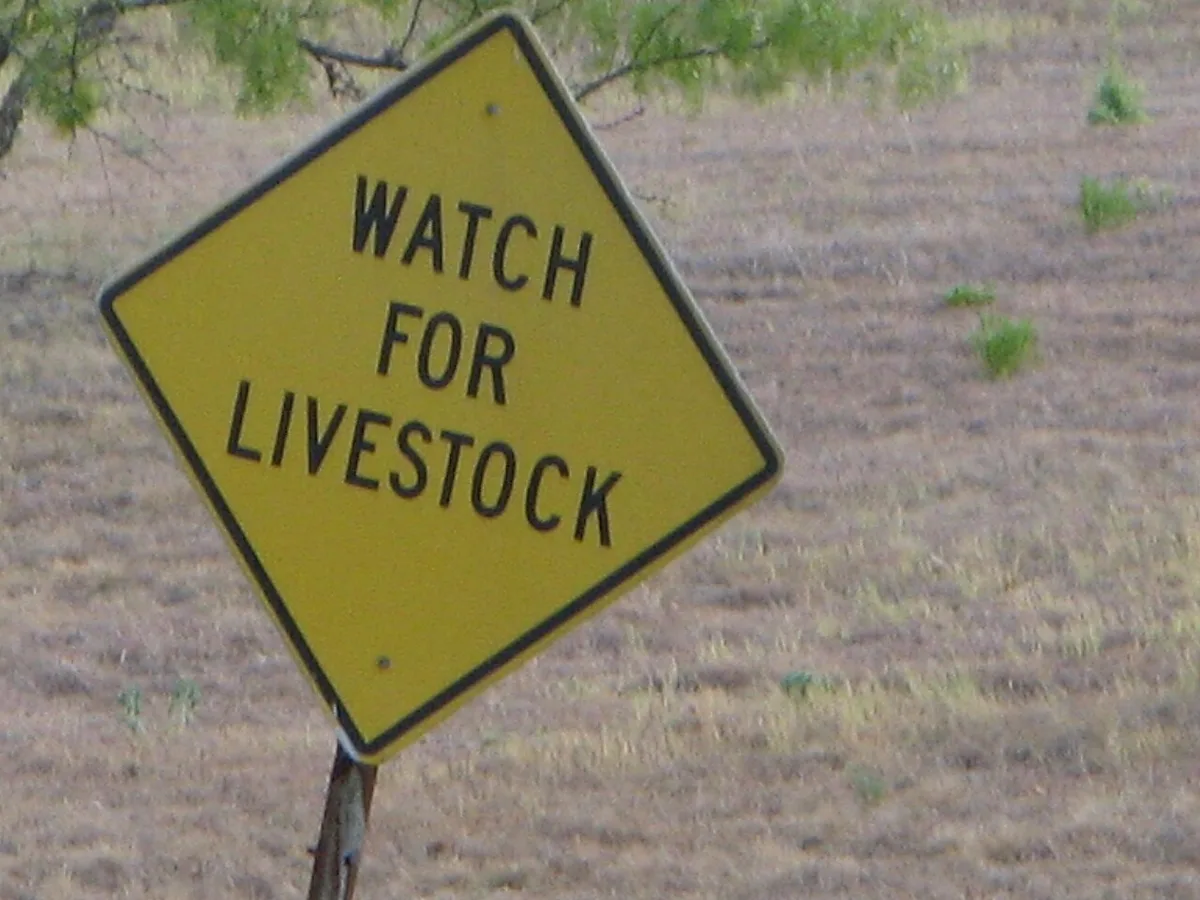
Closed-range states require farmers to contain their animals. If livestock escape and cause an accident, the owner is usually liable. California and New York follow this model.
A few states use a hybrid approach. Texas has both open and closed-range counties. Always check local ordinances before driving through rural areas.
| State Type | Liability | Examples |
|---|---|---|
| Open-range | Driver | Montana, Nevada, Wyoming |
| Closed-range | Farmer/Rancher | California, New York |
| Hybrid | Varies by county | Texas, Arizona |
Who’s Liable If You Hit a Cow, Horse, or Other Animal?
In open-range states, the answer is usually the driver. Courts often rule that motorists must exercise caution in areas where livestock are known to roam.
In closed-range states, the farmer typically bears responsibility. They’re expected to maintain proper fencing and control their animals.
There are exceptions. If a farmer was negligent, say, with a broken fence, liability might shift even in open-range areas. Conversely, if a driver was speeding or distracted, they could be at fault regardless of state laws.
How to Drive Safely in Livestock Areas (And What Not to Do)
Slow down. Speed limits in rural zones exist for a reason. Reducing speed gives you more time to react.
Scan the road ahead. Look for movement in fields or along the shoulders. Animals often gather near water sources or shade, which may be close to the road.
Don’t swerve. Hitting an animal is bad, but swerving can cause a rollover or a collision with oncoming traffic. Brake firmly and stay in your lane.
Use high beams when possible. At night, they help you spot animals sooner. Just remember to dim them for oncoming traffic.
If you see livestock on the road, stop at a safe distance. Honk your horn in short bursts to encourage them to move. Never assume they’ll react predictably.
What Farmers and Ranchers Must Do to Prevent Roadway Incidents
Proper fencing is the first line of defense. Barbed wire, electric, or high-tensile fences should be checked weekly for gaps or damage. A single broken section can let livestock wander onto roads.
Post clear warning signs. The Manual on Uniform Traffic Control Devices requires reflective livestock crossing signs in known areas. These give drivers advance notice to slow down.
Train herding dogs or use ATVs to move animals away from roads. Quick action prevents prolonged roadblocks. Some ranches now use GPS collars to track livestock near high-traffic zones.
Fencing, Guards, and Signs: The Best Ways to Keep Livestock Off Roads
Cattle guards are a permanent solution at road entry points. They allow vehicles to pass but stop livestock. Installation costs range from $1,000 to $5,000 depending on size and materials.
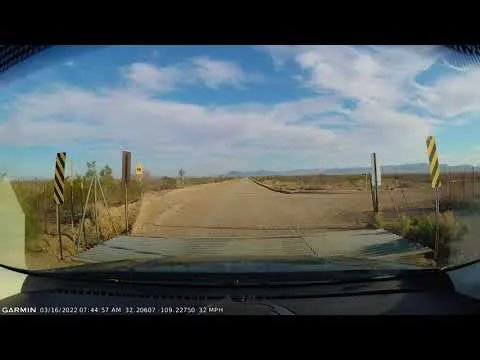
Electric fencing works well for temporary or rotational grazing. It’s cheaper than permanent fences but requires regular maintenance. A single hot wire at nose height is often enough to deter cattle.
Signs should be placed 500 feet before known crossing areas. They must meet MUTCD standards for reflectivity and size. Poorly maintained signs lose effectiveness at night.
What to Do If You See Livestock on the Road Right Now
Stop your vehicle completely. Turn on your hazard lights to alert other drivers. Do not attempt to drive through or around the animals.
Call local law enforcement or the nearest farm if you can safely identify one. Many rural areas have hotlines for stray livestock reports. In Texas, for example, you can dial 311 for non-emergency animal issues.
Stay in your vehicle. Attempting to herd animals yourself can spook them and cause more danger. Wait for trained personnel to arrive.
The Real Costs of Livestock Collisions (Repairs, Fines, and More)
The average repair cost for a vehicle-animal collision is between $3,000 and $10,000. Larger animals like cattle or horses can total a car. Insurance may cover damage, but premiums often rise afterward.
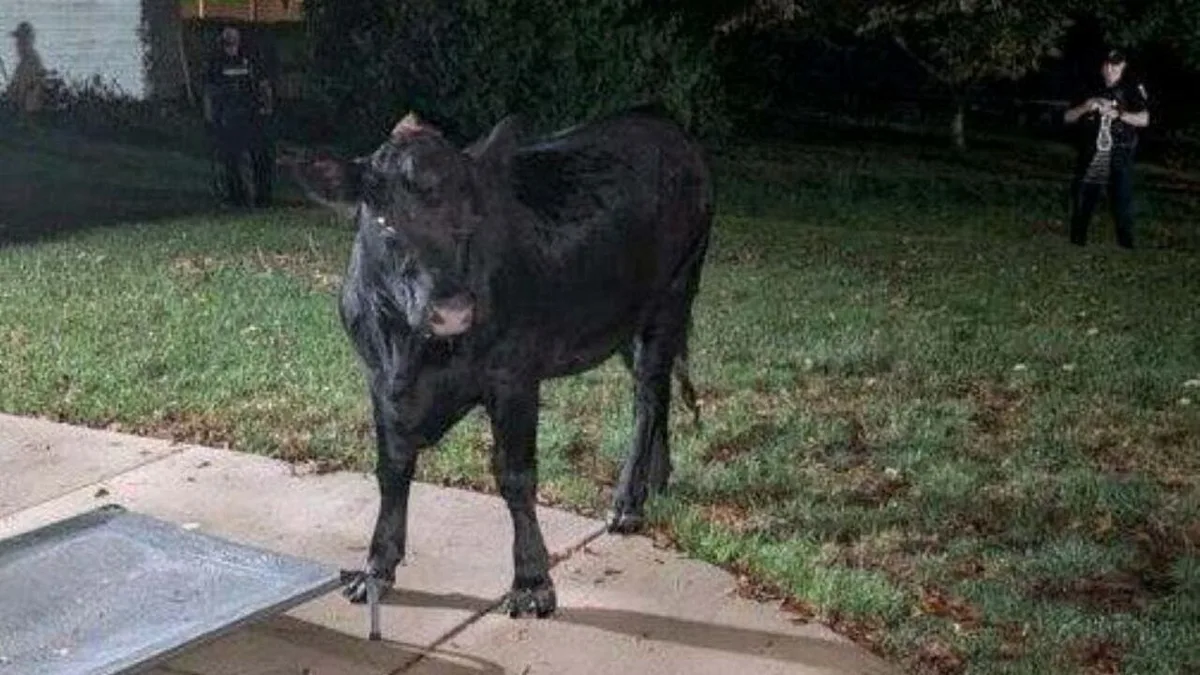
Medical costs add up quickly. Hospital bills for injuries from these crashes average over $50,000 per incident. Some states also impose fines for hitting livestock in open-range areas.
Legal fees can be substantial if liability is disputed. Farmers may face lawsuits if negligence is proven. Drivers could be sued if they were speeding or distracted.
Nighttime and Low-Visibility Risks: Extra Precautions That Save Lives
Animals are most active at dusk, dawn, and night. Their dark coats make them nearly invisible on unlit roads. Slowing down by 10-15 mph in these conditions can be the difference between stopping in time and a collision.
Use high beams when no oncoming traffic is present. They extend your visibility range from about 250 feet to nearly 500 feet. This extra time to react can prevent an accident.
Watch for eye shine. Animal eyes reflect headlights differently than road signs or other objects. If you see glowing dots ahead, assume it’s an animal and slow down immediately.
State-by-State Rules: Where Livestock Have the Right of Way
Open-range laws dominate in Western states. Montana, Nevada, and Wyoming let livestock roam freely on public roads. Drivers in these areas must yield to animals.
Closed-range states like California and New York require farmers to fence in their livestock. If animals escape and cause damage, the owner is typically liable.
Some states mix both systems. Texas has open-range counties and closed-range counties. Always check county ordinances when traveling through rural areas.
| State | Range Type | Who’s Liable? |
|---|---|---|
| Montana | Open | Driver |
| Nevada | Open | Driver |
| Wyoming | Open | Driver |
| California | Closed | Farmer |
| New York | Closed | Farmer |
| Texas | Mixed | Varies by county |
FAQs About Livestock on Roadways (Answered by Experts)
What should I do if I hit a cow on the road?
Pull over safely and call local law enforcement immediately. Document the scene with photos and exchange information with the animal’s owner if present. Never leave without reporting it.
Are farmers always responsible for livestock on roads?
No. In open-range states, drivers often share or bear full liability. In closed-range states, farmers are usually responsible.
Local laws determine the exact rules.
How can I avoid hitting livestock at night?
Slow down and use high beams when no oncoming traffic is present. Scan for eye shine, which often appears as glowing dots ahead. Assume any movement near the road could be an animal.
What’s the difference between a cattle guard and a fence?
A cattle guard is a grid installed across a road that stops livestock from crossing while allowing vehicles to pass. A fence is a physical barrier that keeps animals contained. Guards are permanent, while fences can be temporary or permanent.
Can I be fined for hitting livestock?
Yes, in some open-range states. Drivers may face fines if they fail to exercise caution in areas with known livestock activity. Always follow posted speed limits and warning signs.
Do insurance policies cover livestock collisions?
Most comprehensive auto insurance policies cover damage from hitting livestock. However, liability for injuries or property damage varies by state laws. Check your policy details and local regulations.