ByMax Lee
Minnesota Radar Detector Laws: Passenger vs Commercial Use
Minnesota radar detector legality in passenger and commercial vehicles is one of the most misrepresented traffic topics for Minnesota drivers. You’ll find vague forum posts claiming they’re fully legal statewide, but that answer only applies to personal cars, not work vehicles. Many drivers accidentally break the law because no one clarifies the critical split between use cases.
Per Federal Motor Carrier Safety Administration (FMCSA) § 392.42, a federal ban overrides state permission for all commercial motor vehicles as of 2026. That means a ticket for a commercial driver carries far steeper penalties than a standard speeding citation. We’ll break down the exact rules for your vehicle type next.
Quick Answer
Radar detectors are legal for personal passenger vehicles in Minnesota. They are illegal for all commercial motor vehicles under federal law. This split applies to all drivers, including out-of-state operators transiting the state.
Commercial violations carry fines starting at $100 and 2 CDL points.
Quick Key Takeaway: Your Minnesota Radar Detector Legality Depends 100% on Your Vehicle Use Case
Minnesota allows radar detectors in personal vehicles but bans them in commercial motor vehicles under federal law
The most common mistake Minnesota drivers make is assuming radar detector rules apply equally to all vehicles. Your eligibility depends entirely on whether your vehicle qualifies as a commercial motor vehicle under federal and state definitions. We’ll walk you through the classification step first, then break down the rules for each vehicle type.
The Two Governing Rules That Create the Legal Split
Minnesota traffic code splits radar detector rules into two clear categories under Minnesota Statute 169.72: permitted for personal passenger vehicles, banned for commercial motor vehicles. A separate federal rule overrides state permission for all CMVs. FMCSA § 392.42 bans radar detectors in any commercial motor vehicle operating in U.S. jurisdiction.
That means even CMVs registered in states that allow detectors can get ticketed in Minnesota. You can review comparable state rules in Michigan for a similar legal split in a neighboring state. To apply these rules to your situation, you first need to confirm your vehicle’s classification.
Step 1: Classify Your Vehicle – Passenger or Commercial Motor Vehicle (CMV)?
CMV Classification Thresholds: GVWR, Passenger Capacity, and Hazardous Material Rules

Federal CMV classification depends on gross vehicle weight rating, passenger capacity, or hazardous material transport
Your vehicle counts as a CMV if it meets any one of three federal criteria. These thresholds apply to all vehicles operating in Minnesota, no matter where they are registered.
| Classification Criterion | CMV Threshold | Example Vehicles |
|---|---|---|
| Gross Vehicle Weight Rating (GVWR) | Over 10,000 lbs | Semi-trucks, large box trucks, RVs over 10k lbs |
| Passenger Capacity | 16 or more people (including driver) | City buses, shuttle vans, large tour buses |
| Hazardous Material Transport | Any quantity requiring placards | Tanker trucks, hazmat delivery vehicles |
A 12-passenger van used for family vacations is not a CMV. The same van used for paid airport shuttles is a CMV due to its 15-passenger capacity (excluding driver) and commercial use. In practice, the factory GVWR sticker on the driver’s door jamb is the definitive source for weight classification—never rely on curb weight or payload estimates. For vehicles modified after purchase, the highest weight rating from either the original manufacturer or the upfitter’s certification applies.
If you operate a motor home that crosses state lines, review comparable RV classification rules for similar guidelines.
If you're registering a new commercial vehicle, check state registration timelines for comparable deadlines. Per the FMCSA's official CMV classification guidelines, these thresholds apply nationwide, not just in Minnesota.
Decision Branch 1: You Drive a Personal Passenger Vehicle in Minnesota
Permitted Use Cases and RDD (Radar Detector Detection) Notes for Passenger Drivers
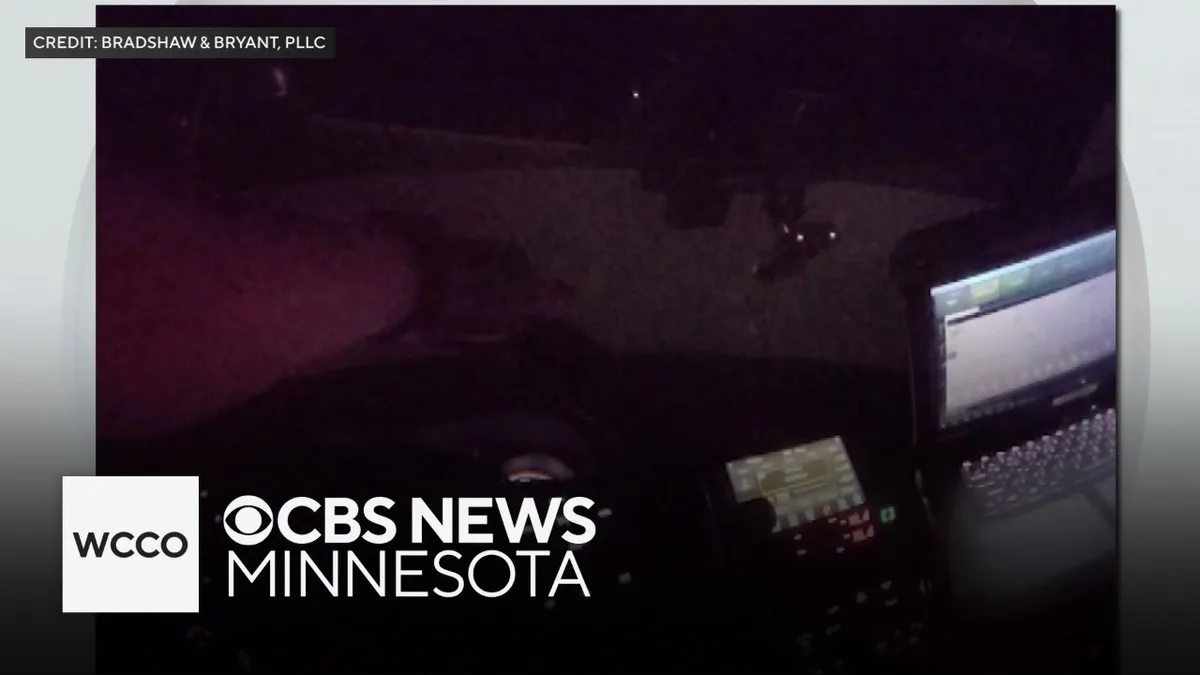
Minnesota State Patrol uses RDD devices to identify active radar detectors during traffic stops
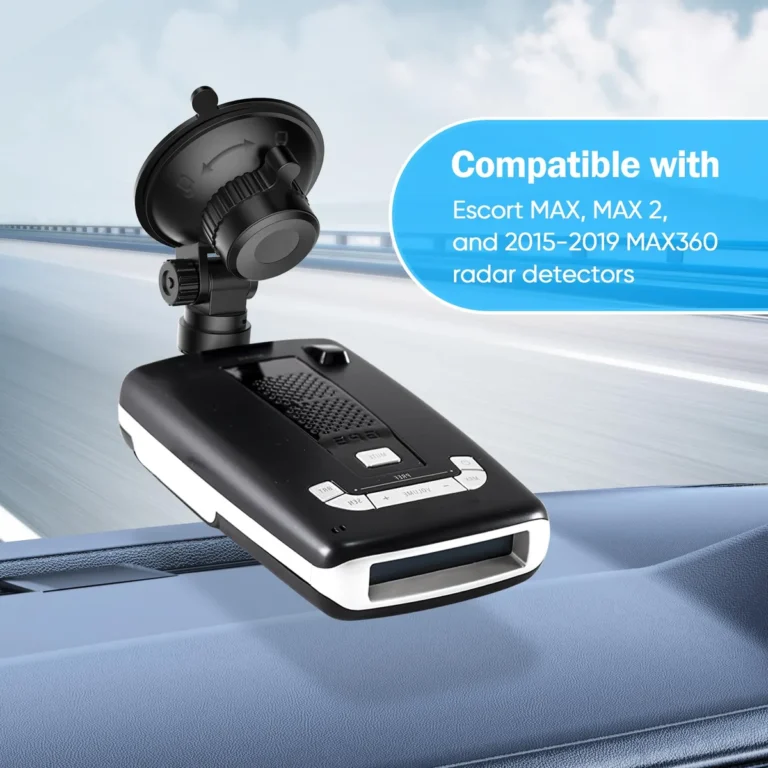
If your vehicle does not meet CMV classification criteria, you can use a radar detector legally anywhere in Minnesota. This covers personal cars, trucks, SUVs, and motorcycles. Minnesota does not restrict windshield mounting of detectors, unlike states such as California.
Common permitted use cases include:
- Daily commuting on Minnesota highways
- Long road trips across the state
- Driving through high-enforcement construction zones
- Recreational travel in personal vehicles
A common mistake is assuming that a detector mounted high on the windshield is invisible to RDD devices—this is false. RDD systems can detect active detectors regardless of placement, though a lower dash mount may reduce the detection range slightly.
Minnesota State Patrol uses Radar Detector Detection (RDD) devices to spot active detectors during traffic stops. Having a detector in your personal vehicle is not a violation, and officers cannot ticket you solely for owning one. RDD alerts only flag that you have an active detector, not that you’re speeding, so they do not trigger detector tickets.
Laser and radar jammers are illegal in all U.S. states per FCC 47 CFR § 15.205. You can face federal fines for using a jammer even in a personal vehicle. In practice, officers often confuse radar detectors with jammers during stops, so carrying your detector’s manual or purchase receipt can help clarify the distinction and avoid unnecessary citations.
Excessive vehicle noise can also trigger traffic stops, so review Michigan's exhaust noise regulations to avoid unrelated citations.
The Minnesota Department of Public Safety confirms radar detectors are permitted for personal passenger vehicles statewide.
Decision Branch 2: You Drive a Commercial Motor Vehicle (CMV) in Minnesota
Federal Penalties for CMV Radar Detector Violations in Minnesota
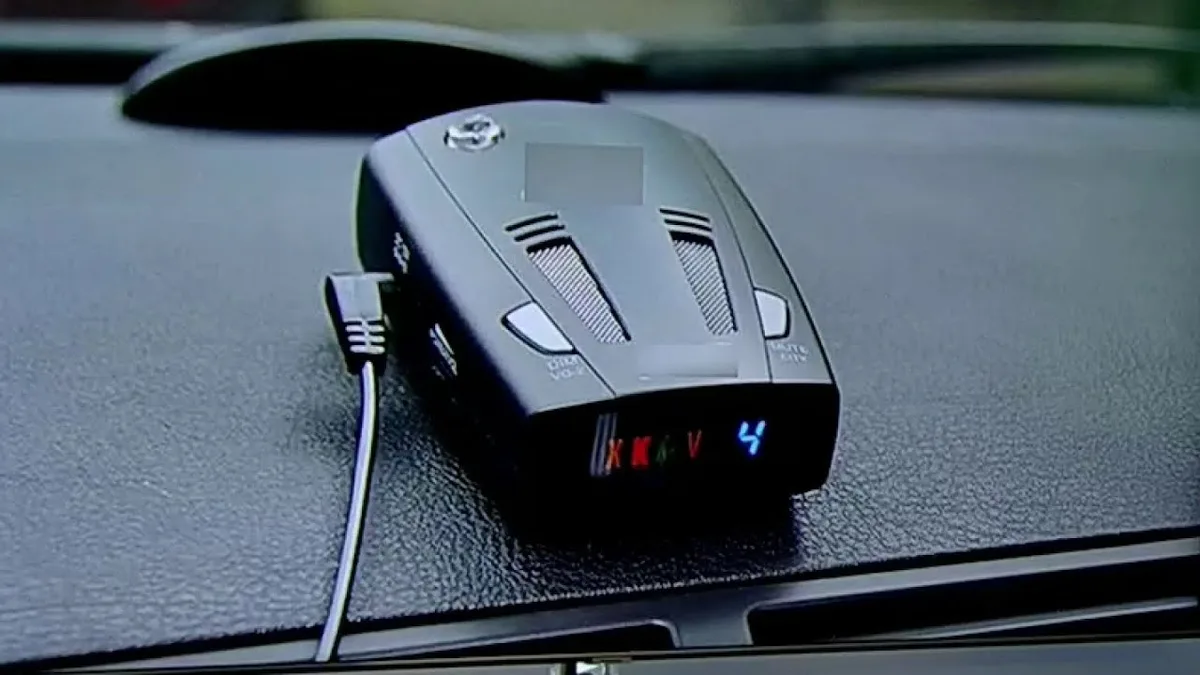
Minnesota enforces federal bans on radar detectors in CMVs with fines and CDL points
If your vehicle qualifies as a CMV, radar detectors are illegal under federal law, full stop. This ban applies to all CMVs operating in Minnesota, regardless of your home state’s rules or your employer’s policies.
| Violation Type | Penalty |
|---|---|
| First-time CMV radar detector ticket | $100–$300 fine + 2 CDL points |
| 2 commercial moving violations in 3 years | 60-day CDL disqualification |
| Fleet operator allowing CMV radar detectors | Up to $2,500 per vehicle fine (per FMCSA) |
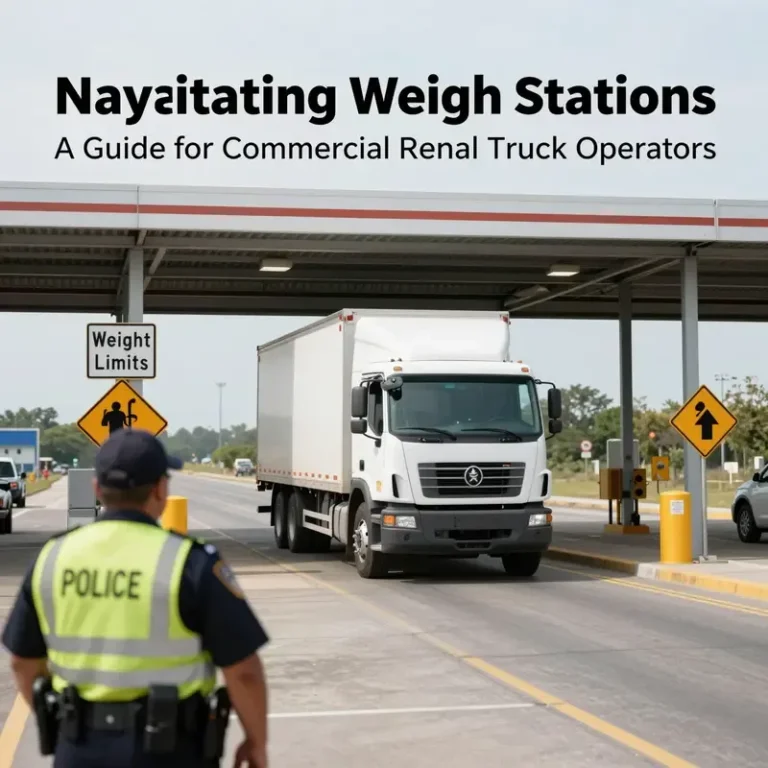
Minnesota State Patrol actively screens CMVs at weigh stations along I-90, I-35, and I-94 using RDD devices. A single detector violation adds 2 points to your Commercial Driver’s License (CDL). Two moving violations in a 3-year window triggers a 60-day CDL suspension, per Minnesota CDL guidelines.
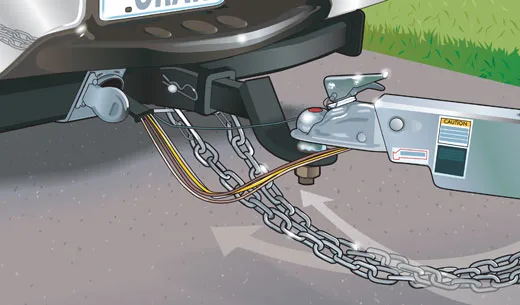
If you haul trailers through the upper Midwest, follow Michigan's trailer lighting rules to avoid separate equipment citations. A practical tip for fleet managers: include radar detector checks in pre-trip inspections, as drivers may unknowingly bring personal detectors from their cars into CMVs. The full text of the FMCSA § 392.42 commercial vehicle equipment ban is available on the agency’s official site.
Common High-Cost Mistakes Even Eligible Drivers Make
Even drivers who follow the basic rules can stumble on less obvious pitfalls. These errors cost Minnesota drivers hundreds of dollars and CDL points every year.
Misclassifying a vehicle as personal when it meets CMV criteria. A 15-passenger van used for paid airport shuttles counts as a CMV, even if you only drive it 5 hours a week. GVWR and passenger capacity thresholds come from factory specs, not how often you use the vehicle for work.
Assuming out-of-state CMV rules apply in Minnesota. If your home state allows commercial radar detectors, that permission does not transfer here. Federal preemption overrides all state laws for CMVs operating in Minnesota.
Using radar or laser jammers in any vehicle. The FCC bans these devices nationwide under 47 CFR § 15.205. Penalties for jammers start at $10,000 per violation, far steeper than standard radar detector fines.
Mounting a detector to block your windshield view. Minnesota does not restrict detector placement, but obstructing your view can lead to a separate citation under state windshield obstruction rules.
Ignoring RDD alerts from Minnesota State Patrol. RDD devices only flag that you have an active detector, not that you’re speeding. Officers may use that as probable cause to pull you over and check for other violations.
For commercial drivers, detector use can also trigger employer disciplinary action. Most fleet policies ban detectors outright to stay compliant with federal rules. A single violation can put your CDL and livelihood at risk.
Action Steps: What to Do If You’re Issued a Radar Detector Ticket in Minnesota
A radar detector ticket in Minnesota is not automatically final. Your response depends on your vehicle classification.
If you drive a personal passenger vehicle, first confirm the officer did not mistake your detector for a jammer. Radar detectors are legal, but jammers are not. Gather your purchase receipt and vehicle registration to prove your detector is a passive receiver, not an active jammer.
You can usually contest the ticket in Minnesota traffic court with this documentation.
If you drive a CMV, the ticket is likely valid under federal law. Do not ignore it. Unpaid commercial traffic tickets can lead to CDL suspension and increased insurance premiums.
You have 30 days to respond to the citation. You can pay the fine, contest it if you believe your vehicle does not qualify as a CMV, or attend a defensive driving course to reduce points. For CMV drivers, consulting a traffic attorney familiar with FMCSA regulations can be worthwhile, as federal preemption arguments are complex and often require legal expertise to navigate successfully.
If you plan to contest, pull your vehicle's factory GVWR and passenger capacity specs from the manufacturer's website to prove it does not meet CMV thresholds.
For both vehicle types, keep records of all court filings and correspondence with the Minnesota Department of Public Safety. You can appeal a denied contest to the Minnesota Court of Appeals if you have new evidence.
Edge Case Scenarios: Rideshare Drivers, Out-of-State CMVs, and Fleet Operators

Rideshare vehicles typically do not meet CMV thresholds unless they exceed weight or passenger limits
Rideshare and delivery drivers often fall into a gray area for CMV classification. If you use a personal car, SUV, or minivan for Uber, Lyft, DoorDash, or Grubhub, your vehicle is not a CMV as long as it has a GVWR under 10,000 lbs and carries fewer than 16 passengers. You can use a radar detector legally in these vehicles.
If you use a 15-passenger van for paid shuttle work, that vehicle counts as a CMV, and detectors are banned.
Out-of-state CMVs transiting Minnesota are subject to the same federal ban. It does not matter if your home state allows commercial radar detectors. Minnesota State Patrol can ticket you at weigh stations along I-35, I-90, and I-94.
RDD checks are standard at most Minnesota weigh stations for CMVs.
Fleet operators bear full responsibility for CMV equipment compliance. If your fleet allows drivers to use radar detectors, you can face fines up to $2,500 per vehicle per FMCSA rules. A best practice for fleets is to include explicit radar detector prohibitions in driver handbooks and conduct periodic vehicle inspections to ensure compliance, as drivers may not realize the federal ban applies regardless of state laws.
If you operate fleets across state lines, review comparable commercial vehicle safety rules for similar compliance requirements.
Legal Alternatives to Radar Detectors for Minnesota Drivers

Crowdsourced GPS apps provide legal speed trap alerts for all Minnesota drivers
If you can't use a radar detector, crowdsourced speed alert apps are a fully legal alternative for all Minnesota drivers, including CMV operators. Waze, Google Maps, and Radarbot all alert you to speed traps, speed limit changes, and police presence reported by other users. These apps use GPS, not radar detection, so they do not trigger RDD devices and are not banned for commercial use.
For personal passenger vehicle drivers, these apps work well as a supplement to a radar detector. They do not detect non-active speed traps, like unmarked cars with laser guns, as reliably as a dedicated detector. In practice, crowdsourced apps can produce false positives, as user reports may include outdated or inaccurate information—always verify alerts with posted speed limits and road conditions.
For CMV drivers, they are the only legal speed alert option, as radar detectors are banned outright.
Other legal alternatives include:
- Using a GPS with built-in speed trap alerts
- Following posted speed limits strictly in high-enforcement corridors
- Checking Minnesota State Patrol's official speed enforcement schedule, published weekly on the Minnesota DPS website
Never use a radar or laser jammer as an alternative. These are illegal in all vehicles, per FCC rules, and carry fines up to $10,000.
Final 30-Second Decision Guide: Confirm Your Radar Detector Status
Follow this quick flow to confirm your radar detector status in Minnesota, no guesswork required.
First, check your vehicle's GVWR. Is it over 10,000 lbs? If yes, detectors are banned. Move to step 3. If no, move to step 2.
Next, check your passenger capacity. Does your vehicle carry 16 or more people (including driver)? If yes, detectors are banned. If no, move to step 3.
Next, do you transport hazardous materials requiring placards? If yes, detectors are banned. If no, move to step 4.
Finally, confirm your use case. Is your vehicle used for commercial paid work (rideshare, delivery, fleet operations, freight)? If yes, detectors are banned. If no, detectors are legal for personal use in Minnesota.
If you answered "yes" to any of the first three questions, you drive a CMV, and radar detectors are illegal. If you answered "no" to all three and only use your vehicle for personal use, radar detectors are legal. When in doubt, contact the Minnesota DPS traffic division directly for a formal vehicle classification.
Comparison: Minnesota vs. Neighboring States
To help drivers who frequently cross state lines, the table below compares Minnesota’s radar detector laws with those of neighboring states for both passenger and commercial vehicles.
| State | Passenger Vehicles | Commercial Vehicles (CMV) | Notes |
|---|---|---|---|
| Minnesota | Legal | Illegal (federal ban) | Federal law overrides state permission for CMVs |
| Wisconsin | Legal | Illegal (federal ban) | Same federal preemption applies |
| Iowa | Legal | Illegal (federal ban) | No additional state restrictions |
| South Dakota | Legal | Illegal (federal ban) | Weigh stations enforce federal rules |
| North Dakota | Legal | Illegal (federal ban) | State patrol uses RDD devices |
For drivers traveling to Michigan, the legal split mirrors Minnesota’s: detectors are permitted for personal use but prohibited in CMVs under federal law.
Frequently Asked Questions
Are radar detectors legal in Minnesota for personal cars?
Yes. Radar detectors are fully legal for personal passenger vehicles in Minnesota under state statute 169.72. This covers cars, trucks, SUVs, and motorcycles for private use.
You can mount them on your windshield without restriction. Only laser and radar jammers are banned statewide for all vehicles.
Are radar detectors legal in Minnesota for commercial trucks?
No. Federal law via FMCSA § 392.42 bans radar detectors in all commercial motor vehicles, including semi-trucks, box trucks, and buses. This applies to all CMVs operating in Minnesota, regardless of home state rules.
Violations carry $100–$300 fines and 2 CDL points per offense.
What is the CMV GVWR threshold for radar detector bans in Minnesota?
The threshold is a gross vehicle weight rating over 10,000 lbs. Any vehicle with a factory GVWR above this limit counts as a CMV for radar detector rules, even if you use it for personal travel. This includes large RVs, box trucks, and semi-trucks.
Can out-of-state commercial drivers use radar detectors in Minnesota?
No. Federal preemption overrides all state radar detector laws for CMVs. Even if your home state allows commercial radar detectors, you can be ticketed in Minnesota.
Minnesota State Patrol checks for detectors at weigh stations along I-35, I-90, and I-94.
Are radar detector detector (RDD) scanners illegal in Minnesota?
No. RDD scanners are legal for personal passenger vehicle drivers in Minnesota. They alert you when law enforcement uses RDD devices to detect active radar detectors.
RDD scanners do not interfere with police radar signals and are not considered jamming devices under FCC rules.
What are the penalties for using a radar detector in a Minnesota CMV?
First-time violations carry $100–$300 fines and 2 CDL points. Two commercial moving violations in 3 years trigger a 60-day CDL suspension. Fleet operators that allow CMV radar detectors can face up to $2,500 in fines per vehicle under FMCSA rules.
Can I use a radar detector in my RV in Minnesota?
It depends on your RV’s classification. If your RV has a GVWR over 10,000 lbs, it is considered a CMV, and radar detectors are banned. For RVs under 10,000 lbs used for personal travel, detectors are legal. Always check your vehicle’s factory GVWR sticker to confirm.
Do Minnesota weigh stations check for radar detectors?
Yes. Minnesota State Patrol actively uses RDD devices at weigh stations along I-35, I-90, and I-94 to screen CMVs for active radar detectors. If detected, you may face a citation and CDL points.
Are there any exceptions to the CMV radar detector ban in Minnesota?
No. The federal ban under FMCSA § 392.42 applies to all CMVs without exception, regardless of vehicle type, home state, or employer policies. Even emergency vehicles classified as CMVs must comply with the ban.
Conclusion
Minnesota’s radar detector laws hinge on a clear but often overlooked distinction: personal passenger vehicles can legally use radar detectors, while all commercial motor vehicles are prohibited under federal law. This split applies regardless of where your vehicle is registered or where you’re traveling, and violations for CMVs carry serious penalties, including fines and CDL points.
Your next step is simple: verify your vehicle’s classification using the GVWR, passenger capacity, and hazardous material thresholds outlined above. If you’re unsure, check your vehicle’s factory specifications or consult the Minnesota Department of Public Safety for a formal ruling. For CMV drivers, the safest and only compliant choice is to avoid radar detectors entirely and rely on legal alternatives like GPS-based speed alert apps.