ByMax Lee
Northern Mariana Islands Trailer Registration: 5 & 10-Year
Registering a utility trailer in the Northern Mariana Islands doesn't have to be a headache. The CNMI offers both 5-year and 10-year registration options, and picking the right one saves you time and money. Understanding how each option works and what it costs lets you make the call that fits your situation best.
Per CNMI Division of Motor Vehicles guidelines, most utility trailers qualify for multi-year registration. A 10-year term costs roughly twice the 5-year fee upfront but cuts your renewal hassle in half over the long run.
Quick Answer
The Northern Mariana Islands 5 year and 10 year registration options for utility trailers both exist and serve different owners. A 5-year registration runs about $10 to $20 total. A 10-year registration costs roughly $20 to $35.
You pay more upfront with the longer term but skip annual visits to the DMV. Either option requires a valid title and current registration sticker on the trailer.
How CNMI Utility Trailer Registration Works
Utility trailers in the Northern Mariana Islands fall under the same registration system as other towable vehicles. You register through the CNMI Division of Motor Vehicles, which operates out of Saipan with satellite services available on Tinian and Rota when scheduled.
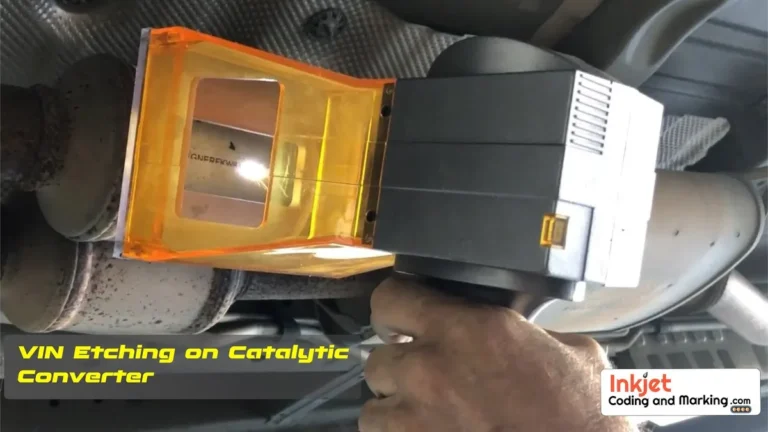
The process starts with ownership proof. You need the manufacturer's certificate of origin or a properly assigned title from the previous owner. Out-of-state trailers require a VIN verification before CNMI will issue a local title.
Once you submit your paperwork and pay the fee, the DMV issues a registration sticker. This sticker goes on the trailer frame and shows the month and year your registration expires. You must display it clearly for any law enforcement officer to see.
YouTube / PulanSpeaks (YouTube thumbnail (fair-use with source credit))
Registration is mandatory for any utility trailer operated on public roads in CNMI. The DMV enforces this the same way they enforce car registration. Driving an unregistered trailer can result in fines and possible impound.
If you're transferring an out-of-state trailer registration, the process for handling title transfers is straightforward once you understand the documentation needed. The CNMI requires the same basic steps: valid title, bill of sale, and proof of identity.
The DMV also offers online renewal for eligible trailers. You can pay by credit card or check through their portal. However, first-time registrations and title transfers typically require an in-person visit.
YouTube / Lowe's Product Guides (YouTube thumbnail (fair-use with source credit))
The Decision Tree: 5-Year vs. 10-Year Registration Criteria
Picking between a 5-year and 10-year registration comes down to how you plan to use the trailer and how long you expect to keep it.
First, consider your ownership timeline. If you bought the trailer used or plan to sell within five years, the shorter registration makes more sense. You won't lose money on an unused registration term.
A 5-year registration transfers to the new owner automatically when you sell, which simplifies the sale process.
Second, look at the cost difference. The 10-year option costs roughly double the 5-year fee. For most utility trailers, that's a difference of about $15 to $20 total.
If saving that upfront cash matters to you, the 5-year term is the practical choice.
Third, think about convenience. The 10-year registration means one trip to the DMV instead of two or three over a decade. If you live on Rota or Tinian, where the DMV office isn't always available, that convenience adds up fast.
Fewer trips mean less time off work and less hassle.
Here's a quick breakdown to help you decide:
- Choose 5-year registration if: you plan to sell the trailer within five years, you want to minimize upfront costs, or you're unsure about your long-term plans.
- Choose 10-year registration if: you own the trailer outright and plan to keep it for many years, you value fewer DMV visits, or you live on an outer island with limited DMV access.
Bing (Web (fair-use with source credit))
Another factor worth considering is whether your trailer's status might change. If you plan to modify the trailer significantly, get a lien released, or change its use from personal to commercial, a shorter registration term gives you more flexibility.
Step-by-Step: Registering Your Utility Trailer in the Northern Mariana Islands
Getting your utility trailer registered in CNMI is a straightforward process if you have the right documents. Here's exactly what you need to do, in order.
Step 1: Gather Your Documents
You need the following before visiting the DMV:
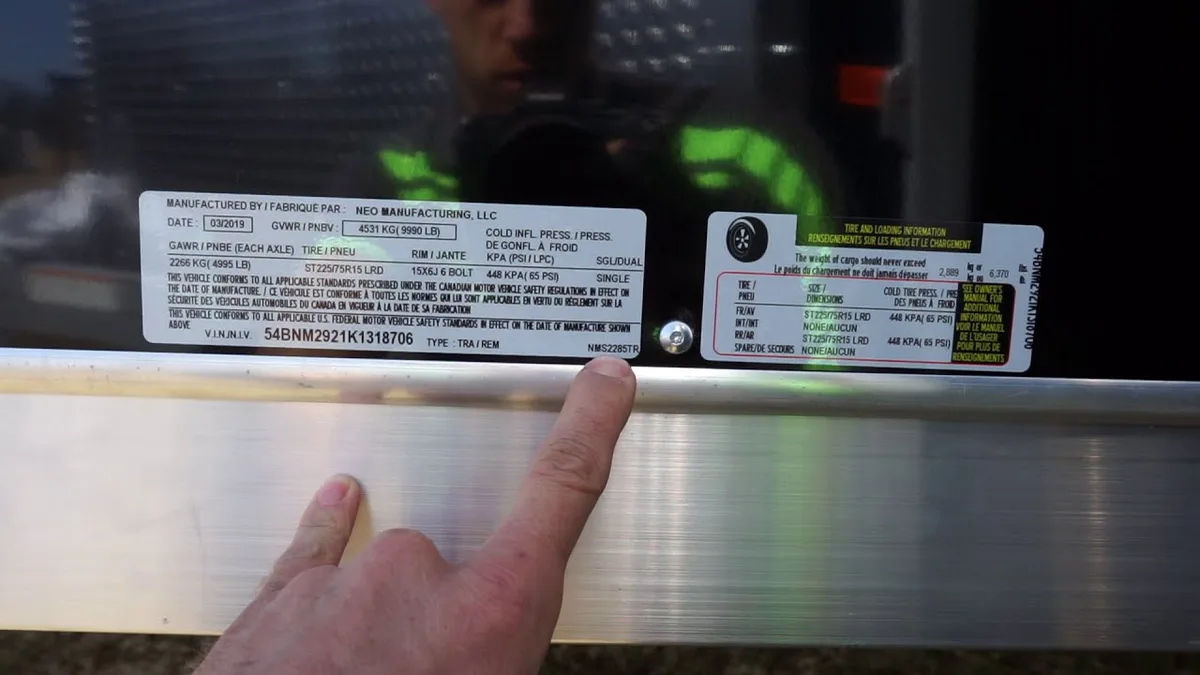
- The manufacturer's certificate of origin or the assigned title
- A bill of sale if you purchased the trailer recently
- A valid government-issued photo ID
- Proof of CNMI residency if you're a new resident
- VIN verification form (required for out-of-state trailers)
Step 2: Complete a VIN Verification
If your trailer came from outside the Northern Mariana Islands, an official VIN verification is mandatory. You can get this done at a DMV office, by a law enforcement officer, or through an authorized inspection station.
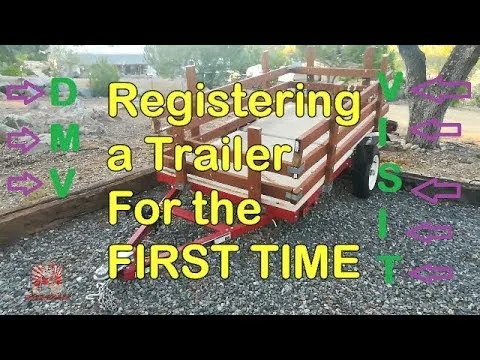
Step 3: Visit the DMV Office
Head to the main DMV office in Saipan or check if satellite services are running on Tinian or Rota. Arrive during business hours, typically 8 AM to 4 PM, Monday through Friday.
YouTube / RANDOMFIX (YouTube thumbnail (fair-use with source credit))
Step 4: Submit Paperwork and Pay Fees
Hand your documents to the clerk. They'll review everything, calculate your fees, and issue your registration. You can pay by cash, check, or credit card depending on the office.
Step 5: Attach Your Registration Sticker
Once you receive your registration sticker, attach it to the trailer frame in a visible location. Most owners use the tongue or a flat area near the coupling. The sticker must face outward so officers can read it without opening any compartments.
The entire process usually takes 30 to 45 minutes if you have all your documents in order.
CNMI Trailer Registration Fees: 5-Year vs. 10-Year Cost Breakdown
Registration fees in the Northern Mariana Islands depend on your trailer's weight and the registration term you choose.
The base registration fee for utility trailers under 2,000 pounds runs approximately $10 for a 5-year term. The 10-year option for the same weight class costs around $20. These are estimated ranges based on current CNMI fee schedules.
Trailers weighing between 2,001 and 5,000 pounds typically see the 5-year fee rise to about $15. The 10-year fee for that weight range lands near $30. Heavier trailers over 5,000 pounds may fall into a different fee bracket altogether.
| Trailer Weight | 5-Year Registration | 10-Year Registration |
|---|---|---|
| Under 2,000 lbs | ~$10 | ~$20 |
| 2,001–5,000 lbs | ~$15 | ~$30 |
| Over 5,000 lbs | Variable | Variable |
These fees cover the registration only. Additional costs may apply if you need a duplicate title, a lien recording, or a VIN verification performed by the DMV.
If you're comparing this to mainland US states, CNMI rates are generally lower. Understanding both systems helps if you're moving a trailer between territories.
The key takeaway is that the 10-year option roughly doubles the upfront cost but eliminates three renewal cycles over the following decade. For a trailer you plan to keep long-term, that math works out in your favor.
Common Mistakes When Registering Trailers in CNMI
Even a straightforward process can go sideways if you miss a key detail.
Starting with incomplete paperwork is the number one mistake. You might assume a bill of sale alone is enough, but the DMV requires a properly assigned title or manufacturer's certificate of origin. Without it, they won't process your registration.
Another common trap is forgetting the VIN verification requirement for out-of-state trailers. If you bought your trailer from Guam, Hawaii, or mainland US, the CNMI DMV won't register it without a completed VIN verification form.
People also frequently mix up registration terms at the counter. Some assume they're getting an annual registration when they actually signed up for five years. Others don't realize the 10-year option exists and pay for five years only to wish they'd gone longer.
Payment confusion causes problems too. Not all DMV offices accept credit cards, and satellite offices on outer islands often run cash-only. Bring exact change or confirm accepted payment methods beforehand.
Missing the sticker placement requirement is another oversight. The registration sticker must face outward on the trailer frame or tongue. If you stick it inside a compartment or cover it with tape, it doesn't count.
Finally, some owners ignore renewal reminders and let their registration lapse. The DMV doesn't send automatic warnings for multi-year registrations. Write the expiration date on your phone or calendar immediately after registration.
Which Registration Term Fits Your Trailer and Use Case
Picking the right registration length comes down to matching your trailer's role to the term that makes the most sense.
If you tow your utility trailer a few times a year for personal projects, a 5-year registration is usually the smart move. You don't need the long-term commitment, and the lower upfront cost keeps things simple.
For commercial use, the math shifts. Contractors and landscaping businesses that run trailers daily benefit from the 10-year option. Fewer DMV visits mean less downtime, and the per-year cost drops slightly when you factor in time savings.
YouTube / Steedster Productions (YouTube thumbnail (fair-use with source credit))
Outer island residents should strongly consider the 10-year term. If you live on Rota or Tinian, a DMV visit might require a boat or plane trip from Saipan. Locking in a decade of registration means you won't have to plan that journey again for ten years.
New owners of used trailers often benefit from the 5-year option. You never know how long you'll keep a used trailer or what condition it'll be in. A shorter term gives you flexibility if the trailer needs major repairs, gets sold, or changes hands unexpectedly.
Here's a quick reference for typical use cases:
- 5-year registration works best for: occasional personal use, budget-conscious owners, trailer buyers planning to sell within five years, and those unsure about long-term plans.
- 10-year registration works best for: commercial operators, full-time trailer owners, outer island residents, and anyone who values skipping annual renewals.
Your trailer's weight class can also influence the decision. Heavier trailers often sit in higher fee brackets regardless of term length. Check the current fee schedule before deciding.
Legal Requirements and Safety Standards for CNMI Trailers
Registering your trailer is only half the equation. CNMI law also requires your trailer to meet specific safety and equipment standards.
All utility trailers operating on public roads must have working brake lights, tail lights, and turn signals. The lighting system must be wired to your towing vehicle and pass a basic visual inspection.
Side reflectors are also mandatory. Trailers over 48 inches wide need amber reflectors on each side and red reflectors on the rear. Smaller trailers still need at least one red reflector on each side and one on the rear.

YouTube / AgriEyes (YouTube thumbnail (fair-use with source credit))
Hitch and coupler integrity matters too. The coupling mechanism must securely attach to the tow vehicle without excessive play. A worn coupler or cracked hitch can detach while driving, creating a serious hazard.
Tire condition is another area of scrutiny. Cracked, bald, or mismatched tires can result in a citation. Check your tires annually and replace any showing significant wear or age-related damage.
Windshield requirements don't apply to utility trailers, but side mirrors on the tow vehicle must provide adequate rear visibility. If your trailer blocks your view, you need extended mirrors to compensate.
The CNMI follows federal Department of Transportation standards for trailer safety equipment. These standards align with general US requirements. The enforcement style is what differs, with local officers conducting routine trailer inspections during traffic stops.
Frequently Asked Questions About CNMI Trailer Registration
Can I register my trailer online in the Northern Mariana Islands?
You can renew an existing registration online if your trailer is already registered in CNMI. First-time registrations and title transfers require an in-person visit to the DMV.
How long does the registration process take?
A complete registration with all documents in order typically takes 30 to 45 minutes. If you're missing paperwork or need a VIN verification, expect to return for a second visit.
Do I need insurance to register a utility trailer in CNMI?
No, the CNMI does not require trailer insurance for registration. However, some private landlords and job sites may require proof of insurance before allowing trailer access.
What happens if my registration expires while I'm on an outer island?
You'll need to travel to Saipan to renew before the expiration date. The DMV occasionally holds satellite registration events on Tinian and Rota, but these are scheduled infrequently.
Can I transfer my registration if I sell the trailer?
Yes, the registration transfers to the new owner along with the trailer. You should both sign the title over properly, and the new owner can continue using the existing registration until it expires.
Is there a grace period for late registration renewal?
The CNMI does not offer a formal grace period for trailer registration. Operating an expired registration can result in fines ranging from $50 to $200 depending on how long it's been expired.
Final Decision Guide: Your Next Steps
You now have the full picture of how CNMI trailer registration works and which term fits your situation. Here's a quick action plan to get you moving.
First, gather your paperwork before doing anything else. Locate your title or certificate of origin, pull your bill of sale, and grab a valid photo ID. If your trailer is out-of-state, schedule a VIN verification immediately.
Next, decide on your registration term based on the decision tree we covered. Consider how long you'll keep the trailer, where you live, and how much convenience matters to you.
Visit the DMV office with all documents ready. If you live on an outer island, call ahead to confirm when satellite services are available. Arrive early in the morning to avoid peak wait times, and bring exact cash in case the office doesn't accept cards.
After registration, attach the sticker properly and write down the expiration date. Set a calendar reminder for three months before renewal to give yourself plenty of time.
If your trailer needs any safety equipment upgrades, handle those before the registration appointment. Fixing everything upfront saves headaches down the road.