ByMax Lee
Northern Mariana Islands Salvage Title Requirements
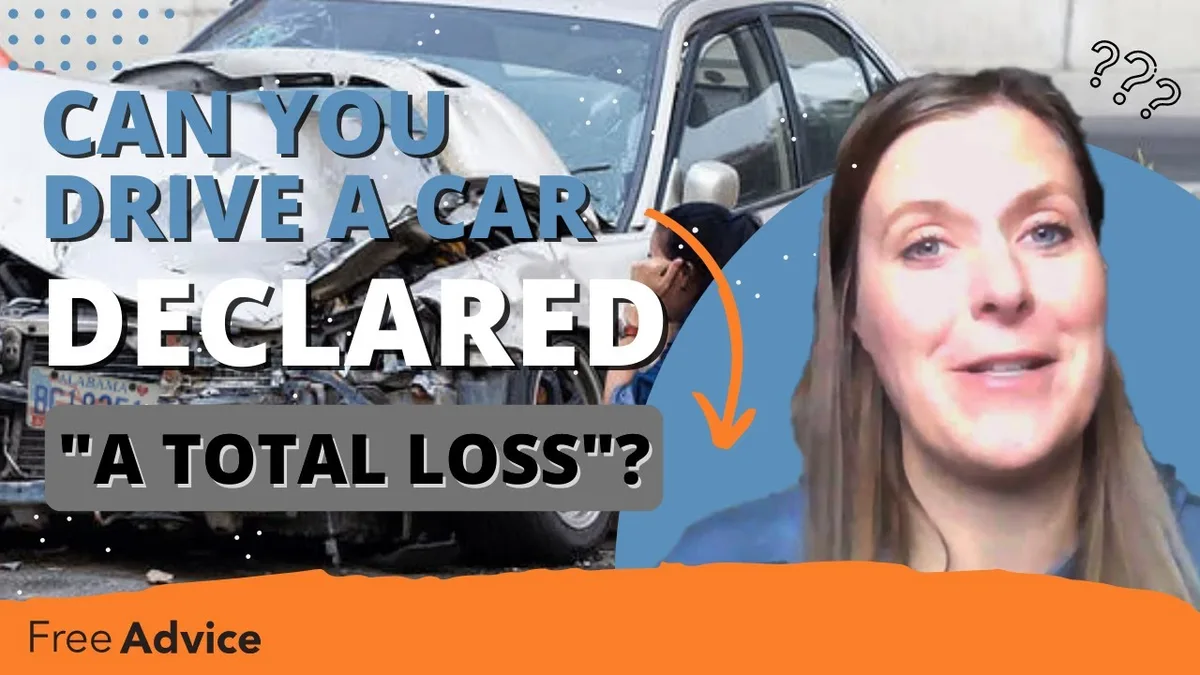
If your car’s been declared a total loss in the Northern Mariana Islands, you’re likely wondering about the Northern Mariana Islands salvage title requirements for wrecked or destroyed vehicles. The process isn’t automatic, and missing a step can leave you stuck with a car you can’t legally sell or rebuild.
Per CNMI’s Department of Public Works, salvage titles are required for any vehicle deemed a total loss by an insurer or with damage exceeding 75% of its value. That threshold is the first thing you’ll need to confirm before moving forward.
Quick Answer
The Northern Mariana Islands requires a salvage title for wrecked or destroyed vehicles. You must submit an application to the DPW Motor Vehicle Division. The vehicle must pass an inspection if you plan to rebuild it.
Fees and processing times vary by island.
The Salvage Title Problem in CNMI
A wrecked vehicle in CNMI isn’t just a hassle, it’s a legal issue if you don’t follow the salvage title process. Without the proper title branding, you can’t legally sell, scrap, or rebuild the car.
Insurance companies often declare a total loss when repairs exceed 75% of the vehicle’s value. But the real problem comes when owners assume they can skip the paperwork or misclassify the damage. CNMI’s DPW doesn’t allow unrepaired salvage vehicles on public roads, and selling one without disclosure can lead to fines or legal trouble.
Even if you plan to part out the car, you’ll need the salvage title to do it legally.
How Salvage Titles Work in the Northern Mariana Islands
A salvage title is a legal designation for vehicles that have been damaged to the point where they’re no longer roadworthy or economically repairable. In CNMI, this process is managed by the Department of Public Works Motor Vehicle Division.
Here’s how it works in practice. Your insurer declares the vehicle a total loss, or you determine the damage meets CNMI’s threshold. You then submit an application to the DPW, including the vehicle’s title, proof of ownership, and a damage assessment.
If approved, the DPW issues a salvage certificate, which replaces your standard title.
This certificate is your proof of ownership for a wrecked vehicle. It allows you to sell the car for parts, scrap it, or begin the process of rebuilding it, if it’s repairable.
Step-by-Step: Applying for a Salvage Title
The process starts with confirmation that your vehicle qualifies. If your insurer has already declared it a total loss, they’ll typically provide the necessary paperwork. If not, you’ll need an appraisal showing the damage exceeds 75% of the car’s value.
Once you’ve confirmed eligibility, gather these documents:
- The vehicle’s original title (or a court order if the title is lost)
- A completed CNMI Salvage Title Application
- Proof of ownership (registration, bill of sale, or insurance documents)
- A damage assessment report (from an insurer, appraiser, or DPW-approved inspector)
- Payment for the salvage title fee (varies by island, typically $25, $50 as of 2026)
Submit everything to your local DPW Motor Vehicle Division office. If the vehicle is repairable and you plan to rebuild it, you’ll need to schedule an inspection after repairs are complete. This inspection ensures the car meets CNMI’s safety standards before it can be re-titled as "rebuilt."
For non-repairable vehicles, the process stops here. You’ll receive a salvage certificate, and the vehicle can only be sold for parts or scrap.
Decision Branches: When Requirements Change Based on Your Situation
Not all wrecked vehicles follow the same path. The requirements depend on the damage severity, your plans for the car, and whether you have the proper documentation.
If your vehicle is repairable:
You’ll need to apply for a salvage title first, then complete repairs. After repairs, schedule a DPW inspection. If the vehicle passes, you can apply for a rebuilt title, which allows you to register and drive the car again.
If your vehicle is non-repairable:
You’ll receive a salvage certificate, but the vehicle can never be legally driven on CNMI roads. It can only be sold for parts or scrap.
If you don’t have the title:
You’ll need to provide proof of ownership, such as a court order or a surety bond. The DPW may require additional verification before issuing a salvage title.
If the vehicle was abandoned or purchased as a project:
You’ll need to prove ownership and provide a damage assessment. Without these, the DPW won’t process your application.
The key takeaway is that your next steps depend on the vehicle’s condition and your intentions. Misclassifying the damage or skipping steps can lead to delays, fines, or even the loss of your right to title the vehicle.
Common Mistakes That Delay or Deny Your Salvage Title
Even when you follow the basic process, a few common missteps can derail your salvage title application. The DPW is strict about documentation, and missing a single item can push your timeline back by weeks.
Submitting incomplete paperwork is the #1 reason applications get rejected. The DPW requires the original title, proof of ownership, a damage assessment, and the completed application form. If any of these are missing, you'll receive a notice to resubmit.
Another frequent mistake is misclassifying the vehicle's damage. Some owners assume a salvage title isn’t necessary if the car can still be driven. But if the damage exceeds the 75% threshold, the vehicle must be branded as salvage regardless of whether it starts or rolls.
What about owners who buy a salvaged car without verifying the title brand first?
Buying a salvage-branded vehicle without checking its history can cost you thousands. Some sellers attempt to sell a salvage car as a clean-title vehicle, especially on private marketplaces. Always verify the title brand through the DPW before transferring ownership.
One more trap to avoid is attempting to rebuild a non-repairable vehicle. If the DPW or your insurer has branded the car as "non-repairable" or "junk," you cannot legally rebuild it for road use. Some owners try to circumvent this by submitting fake repair receipts or bypassing inspections.
That’s fraud, and CNMI takes it seriously.
Salvage Title vs. Rebuilt Title vs. Junk Title: Which One Applies?
Not all salvage vehicles end up with the same title brand. The distinction matters because it determines what you can legally do with the vehicle afterward.
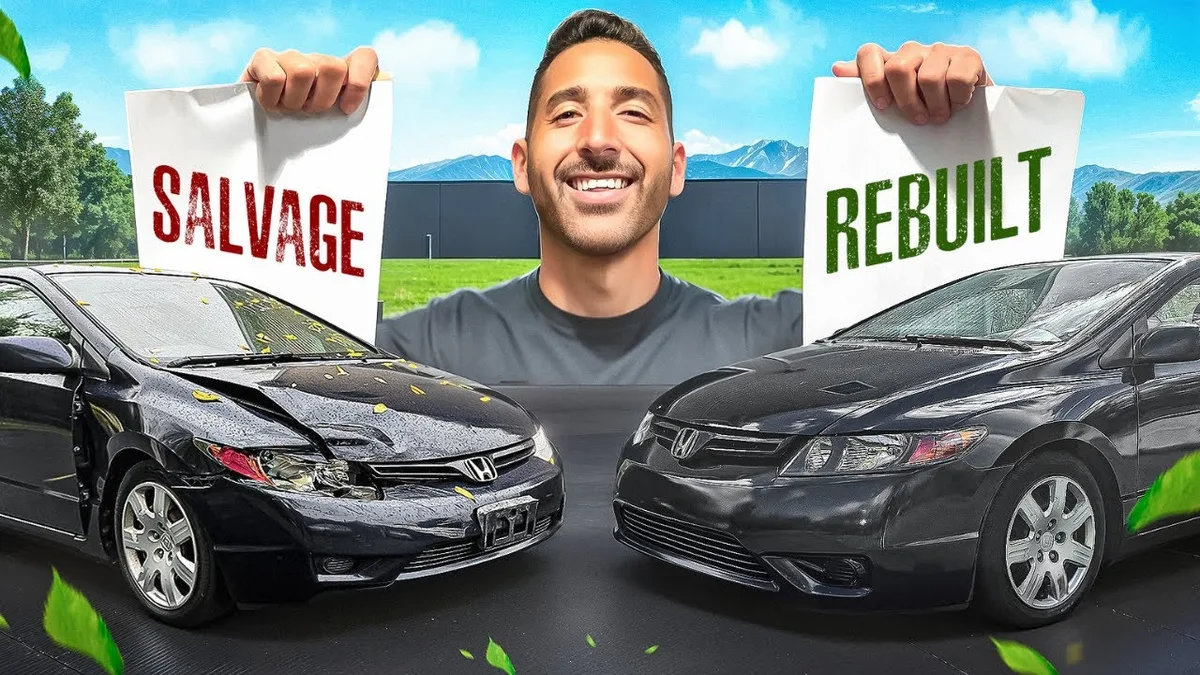
Salvage Title
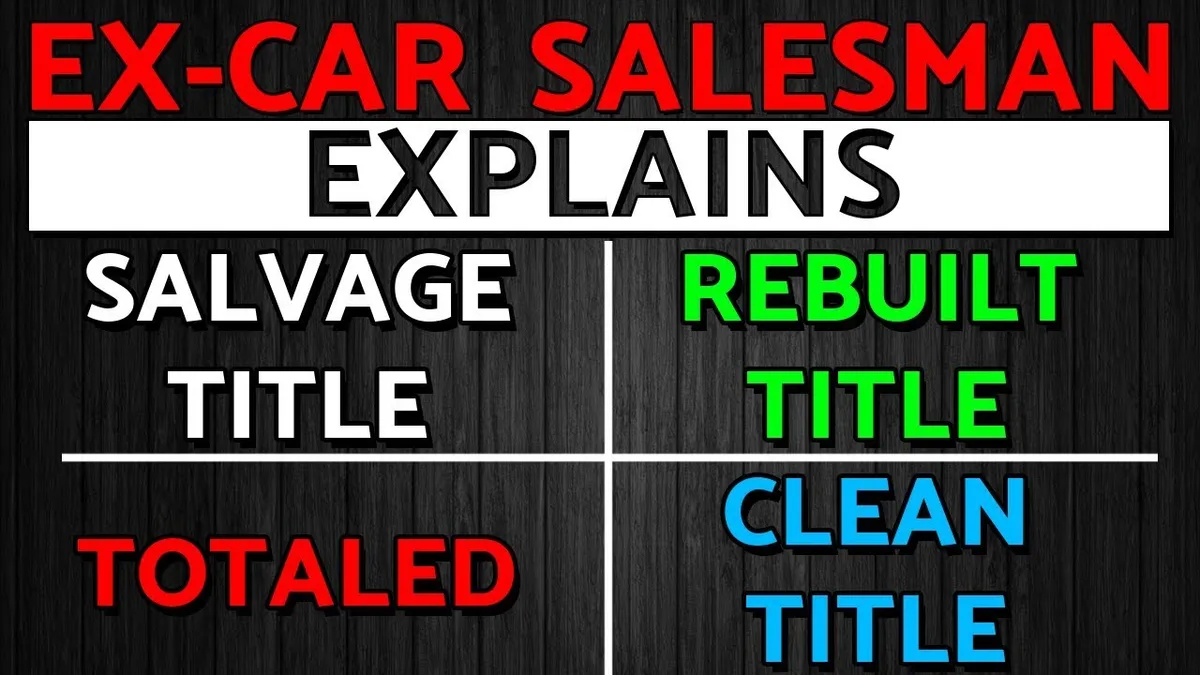
A salvage title is issued when a vehicle is declared a total loss but is still considered repairable. The car can be sold for parts or used as a project vehicle. You cannot drive it on public roads until it passes inspection and receives a rebuilt title.
Rebuilt Title
A rebuilt title is what a salvage vehicle receives after successful repairs and a passing inspection. The car is legally roadworthy again, but the "rebuilt" brand stays on the title permanently.
Junk or Non-Repairable Title
A junk or non-repairable title means the vehicle cannot be legally driven on CNMI roads under any circumstances. It’s typically issued when the damage is so severe that repair costs far exceed the vehicle’s value, or when the car has suffered catastrophic structural or flood damage.
Here’s a quick comparison:
| Title Brand | Road Legal? | Can Be Sold for Parts? | Permanent Brand? |
|---|---|---|---|
| Salvage | No | Yes | Yes |
| Rebuilt | Yes | Yes | Yes |
| Junk / Non-Repairable | No | Yes | Yes |
The brand you receive depends on the damage severity and the outcome of any required inspections.
Who Should Pursue a Salvage Title in CNMI?
A salvage title isn’t for everyone, but it serves a specific set of vehicle owners in the Northern Mariana Islands.
You should pursue a salvage title if you own a vehicle that has been declared a total loss. This is the most common scenario. Your insurer may have already sent you a total-loss settlement, which triggers the salvage title requirement.
You may also need a salvage title if you purchased a wrecked vehicle at auction or from a private seller. If the vehicle still has a clean title in the seller’s name, you’ll need to apply for a salvage title yourself before you can legally transfer ownership in CNMI.
Owners of classic or project cars sometimes seek salvage titles intentionally. If you’re buying a vintage vehicle that needs significant restoration, a salvage title can make the purchase cheaper and simpler.
On the other hand, a salvage title isn’t ideal if you plan to resell the vehicle quickly. The branded title reduces resale value, and some buyers are hesitant to purchase a car with a salvage history.
Fees, Timelines, and Key Numbers You Should Expect
Dealing with a salvage title in CNMI involves specific costs and processing times that you should plan for upfront.
| Item | Estimated Cost | Processing Time |
|---|---|---|
| Salvage Title Application | $25–$50 | 10–20 business days |
| Rebuilt Title Inspection | $50–$100 | Same day or next visit |
| Rebuilt Title Issuance | $25–$50 | 5–10 business days |
| Non-Repairable Branding | Included in application | 10–20 business days |
The biggest cost variable is the inspection fee if you plan to rebuild the vehicle. Inspections are conducted by DPW-approved personnel, and the fee depends on the island and the inspector’s schedule.
Processing timelines also vary by location. Saipan, being the most populated island, tends to process applications faster than Tinian or Rota.
Legal Requirements and Safety Warnings to Avoid Trouble
Navigating the salvage title process in CNMI isn’t just about paperwork. There are legal obligations and safety warnings you need to understand to stay compliant.
Operating a salvage vehicle on public roads without proper branding or inspection is illegal. The DPW enforces this rule strictly, and violations can result in fines, vehicle impoundment, and even charges for driving an unregistered vehicle.
Selling a salvage vehicle without disclosing its title brand is a serious offense. CNMI law requires sellers to inform buyers of any salvage, rebuilt, or non-repairable branding on a vehicle’s title.
Here are the key legal requirements:
- Salvage vehicles must be titled before they can be legally sold or transferred
- Rebuilt vehicles must pass a DPW safety inspection before receiving a rebuilt title
- Non-repairable vehicles can never be rebranded as roadworthy
- All title brands remain permanent and must be disclosed in any future sale
From a safety perspective, rebuilt vehicles deserve extra scrutiny. Even after a passing inspection, some structural or electrical issues may not be immediately visible.
Final Decision Guide: Which Path Is Right for Your Vehicle?
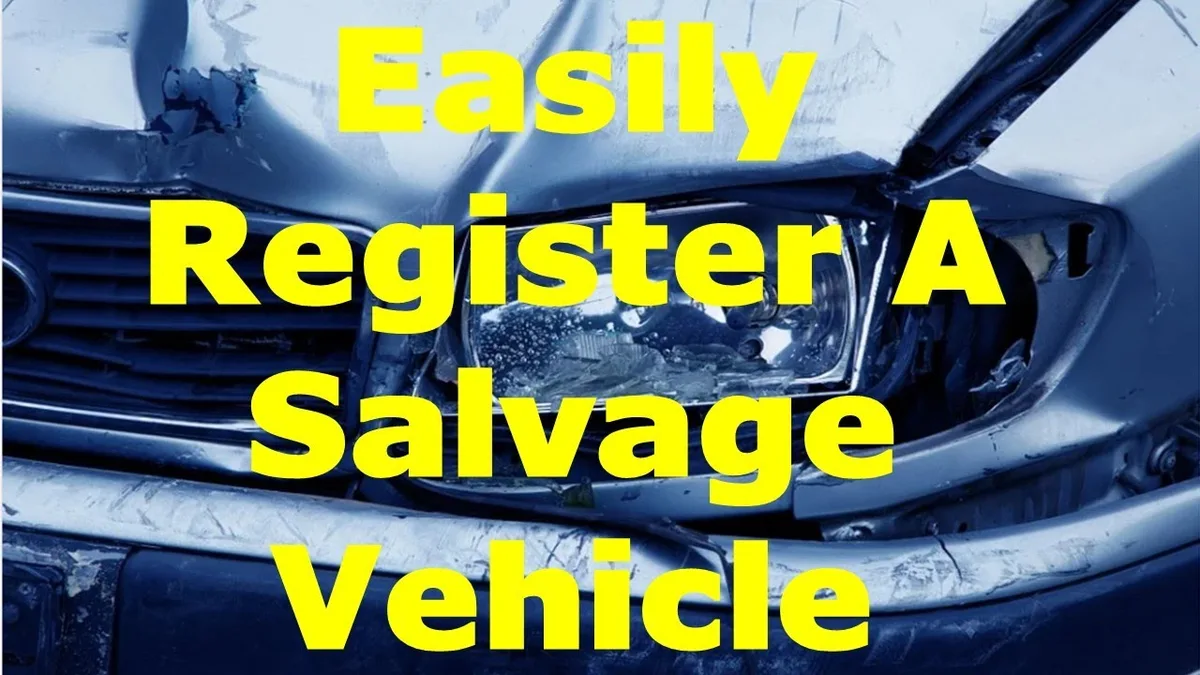
If your car is repairable and you want to drive it again, the path is clear. Apply for a salvage title first, complete the repairs, then schedule a DPW inspection. Once it passes, you can get a rebuilt title and register the vehicle.
If the damage is too severe for safe repair, the decision is simpler. Apply for a non-repairable title and sell the vehicle for parts or scrap.
For project cars or classics, the choice depends on your goals. If you’re restoring a vintage vehicle, a salvage title can make the purchase more affordable. Just remember the rebuilt title process will apply if you ever want to drive it legally.
Frequently Asked Questions
What’s the difference between a salvage title and a rebuilt title?
A salvage title means the vehicle was declared a total loss and isn’t road-legal. A rebuilt title is issued after a salvaged vehicle passes inspection and is deemed safe to drive again.
How long does it take to get a salvage title in CNMI?
Processing typically takes 10 to 20 business days. Inspections for rebuilt titles may add another week or two depending on scheduling.
Can I drive a car with a salvage title in the Northern Mariana Islands?
No. A salvage-branded vehicle cannot be driven on public roads until it passes inspection and receives a rebuilt title.
What happens if I don’t disclose a salvage title when selling my car?
Failing to disclose a salvage brand is illegal. You could face fines, civil liability, or fraud charges.
Do I need an inspection for a non-repairable vehicle?
No. Non-repairable vehicles only require the salvage title application and branding. Inspections are only for vehicles being rebuilt.