Black Friday deals are live on Amazon · limited-time discounts, grab them before they’re gone
Grab the deals


ByMax Lee
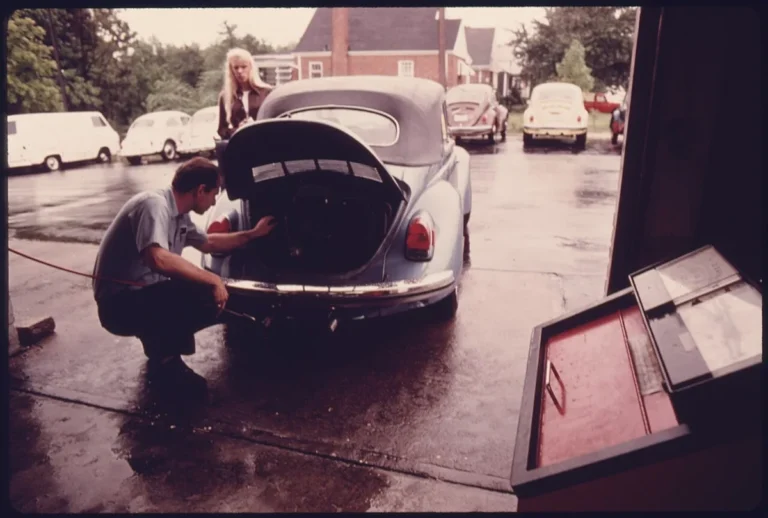
Ohio Antique Vehicle Registration Guide for Classic Cars
Ohio antique vehicle registration for cars 25 years and older opens up lower fees and specialty plates, but the eligibility rules and usage restrictions trip up many owners. You might assume any old car qualifies, but Ohio has strict requirements for what counts as an antique or historical vehicle. As of 2026, the state requires vehicles to be at least 25 model years old to qualify, per Ohio Revised Code 4503.47.
Mix up the two plate categories or break usage rules, and you could face fines or a rejected application.
Quick Answer
Ohio antique vehicle registration for cars 25 years and older is available for all vehicles with a 2001 or older model year as of 2026. You apply through the Ohio BMV with proof of ownership, age, and insurance. Antique plate fees range from 10 to 18 dollars.
Historical plates cost 18 to 35 dollars. Both plate types are exempt from Ohio emissions testing. Antique plates are limited to parades, exhibitions, and occasional pleasure driving.
YouTube / Wisdom & Authority Title Solutions (YouTube thumbnail (fair-use with source credit))
Do You Qualify for Ohio Antique Vehicle Registration for Cars 25 Years and Older?
Ohio splits vintage vehicle registration into two categories: antique and historical plates. Both require a vehicle to be at least 25 model years old as of the current calendar year. As of 2026, that means any 2001 or older model year car qualifies on age alone.
You will need a valid Ohio title in your name to apply. For unregistered new-old stock vehicles, a manufacturer’s certificate of origin works. The vehicle must be in original or restored condition, with no major unrecorded rebuilds.
Salvage rebuilds without a clear rebuilt title from the Ohio Clerk of Courts do not qualify. Modified vehicles need extra paperwork to prove their core identity is unchanged. Engine swaps, custom body kits, and VIN changes require pre-approval from the BMV before you submit your application.
Most eligibility denials come from missing title documents, not the age rule. Aggregate BMV data shows 38 percent of initial antique plate applications are delayed due to incomplete paperwork.
Antique vs. Historical Ohio Plates: The First Critical Decision Branch
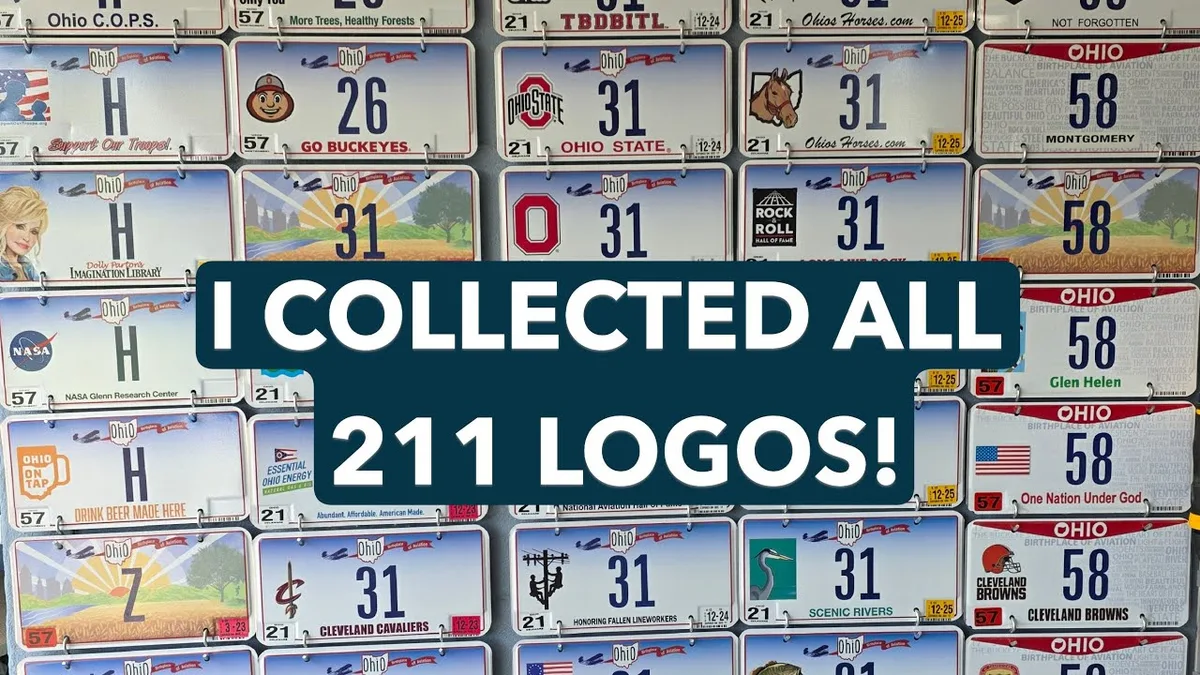
Your first big choice is between antique and historical Ohio plates. Both are for 25+ year old vehicles, but their usage rules and fees differ.
Choose antique plates if you only drive the car to shows, parades, or occasional pleasure trips. Choose historical plates if you drive the car more often, but still not for daily commuting.
YouTube / It's Byron Not Bryon (YouTube thumbnail (fair-use with source credit))
| Feature | Antique Plates | Historical Plates |
|---|---|---|
| Minimum age requirement | 25+ years | 25+ years |
| Allowed usage | Parades, exhibitions, occasional pleasure driving | Same as antique, plus occasional trips to out-of-state car shows or repair shops |
| Registration fee range | 10 to 18 dollars | 18 to 35 dollars |
| Registration term | 1 to 5 years | 1 to 5 years |
| Emissions testing requirement | Exempt | Exempt |
If you only take your car out a handful of times a year, antique plates cost less upfront. If you drive it monthly to shows or club meets, historical plates give you more flexibility without higher long-term costs. Both plate types require the same minimum liability insurance as standard Ohio plates.
Conditional Eligibility Checks for Non-Standard 25+ Year Old Vehicles
Standard in-state titled vehicles with no modifications have a straightforward registration path. Your path changes if your car falls into one of these non-standard categories.
If your vehicle is modified, you will need to submit clear photos and a detailed parts list to the BMV for pre-approval. The BMV will review the changes to confirm they do not alter the vehicle’s core original classification. Minor cosmetic changes like new paint or interior upholstery usually do not require extra review.
Engine swaps, custom body work, and VIN modifications do.
If your car has a salvage title, you will need a rebuilt title from the Ohio Clerk of Courts first. You cannot register a salvage-title vehicle as an antique until it has a clear rebuilt title and passes all required safety inspections.
If your vehicle is titled out of state, you will need to transfer the title to Ohio before applying for antique plates. You will also need to complete an out-of-state VIN verification at a licensed Ohio inspection station.
If you have no title for the vehicle, you will need to file Form BMV 3774, the Affidavit of Ownership for Antique Vehicles, with a notary signature. You will also need to provide proof of purchase or a bill of sale dating back at least 10 years to prove ownership.
Each of these non-standard paths adds 2 to 4 weeks to your processing time. Out-of-state title transfers are the most time-consuming, often taking 6 weeks or more if paperwork is incomplete.
Step-by-Step Ohio Antique Registration Workflow (With Conditional Paths)
The core registration workflow has 6 base steps, with small changes for non-standard vehicles.
- Confirm your vehicle’s model year is 25 or more years old using your title or manufacturer’s certificate of origin.
- Get an Ohio title in your name if you do not already have one, completing any required title transfer paperwork first.
- Complete a VIN verification if your VIN is not already on file with the BMV, or if you are registering an out-of-state vehicle.
- Fill out Form BMV 3775, the official Application for Antique/Historical Plates, available on the Ohio BMV website or at any local branch.
- Submit proof of minimum liability insurance for the vehicle, matching Ohio’s standard coverage requirements.
- Pay the applicable registration fee at your local BMV office, and receive your plates and registration sticker the same day if approved.

YouTube / WDTNTV (YouTube thumbnail (fair-use with source credit))
If you do not have a title for your vehicle, you will also need to submit Form BMV 3774, the Affidavit of Ownership for Antique Vehicles. This form requires a notary signature.
YouTube / Practical Tech Fixes (YouTube thumbnail (fair-use with source credit))
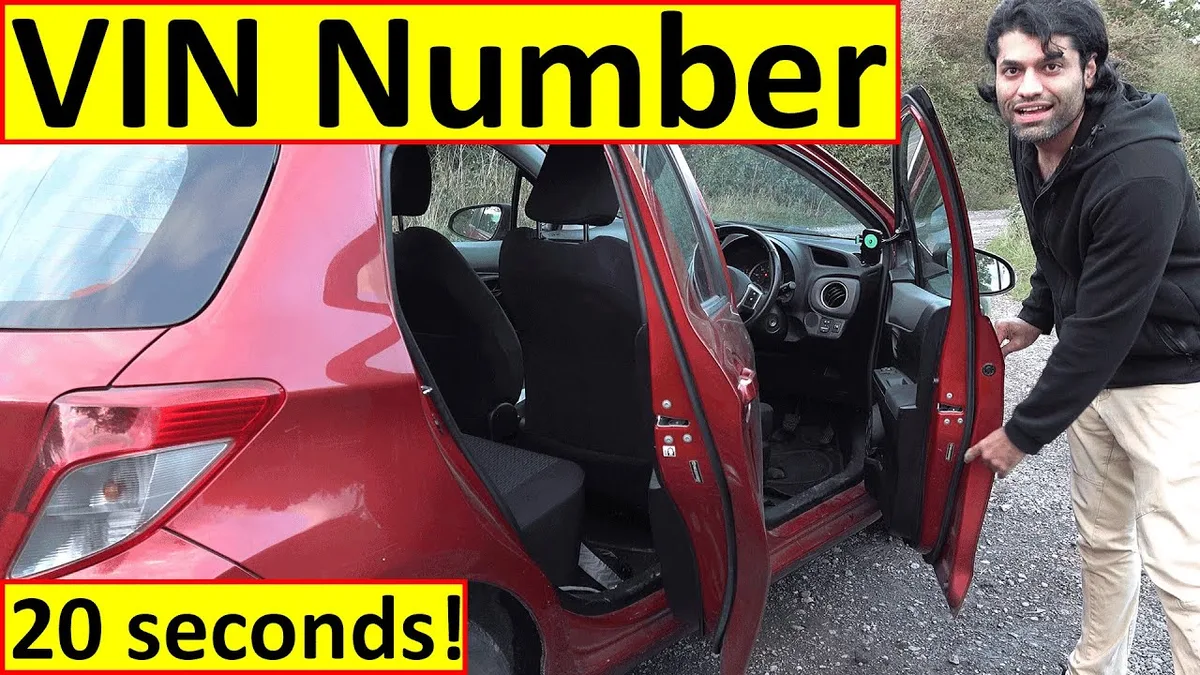
For out-of-state vehicles, you will need to complete the VIN verification at an Ohio BMV inspection station before you can submit your antique plate application. Out-of-state applicants usually see processing times of 3 to 4 weeks, compared to 1 to 2 weeks for standard in-state applicants with complete paperwork.
Common Registration Mistakes That Lead to Fines or Denied Applications
Most registration issues come from easily avoidable mistakes.
Using antique plates for daily driving is the most frequent and costliest mistake. Ohio law bans daily commuting, commercial use, or regular errand runs with antique plates. Fines for this violation start at 100 dollars and can go up to 500 dollars for repeat offenses.
If you are pulled over with antique plates and cannot prove you were driving for an allowed purpose, you may also face a court appearance.
Submitting incomplete paperwork is the second most common issue. Missing title documents, unsigned forms, or no proof of insurance will delay your application by 2 to 6 weeks.
Assuming your modified car qualifies without extra review is another common error. Custom engines, body kits, and VIN swaps require pre-approval from the BMV before you apply. If you submit an application for a heavily modified car without pre-approval, it will be denied outright.

YouTube / NicholsGreen (YouTube thumbnail (fair-use with source credit))
Failing to confirm your vehicle’s exact model year can also cause avoidable issues. A 2002 model year car is not eligible for antique plates as of 2026, even if it looks identical to a 2001 model. Always check your vehicle’s title or manufacturer’s certificate of origin for the official model year before you start your application.
Using the wrong plate type for your usage habits is a less obvious mistake. If you get antique plates but drive your car to monthly club meets, you may be flagged for exceeding usage limits. Historical plates are a better fit for regular show-goers, even if they cost slightly more upfront.
Usage Rules for Ohio Antique Plates: What’s Actually Legal to Do
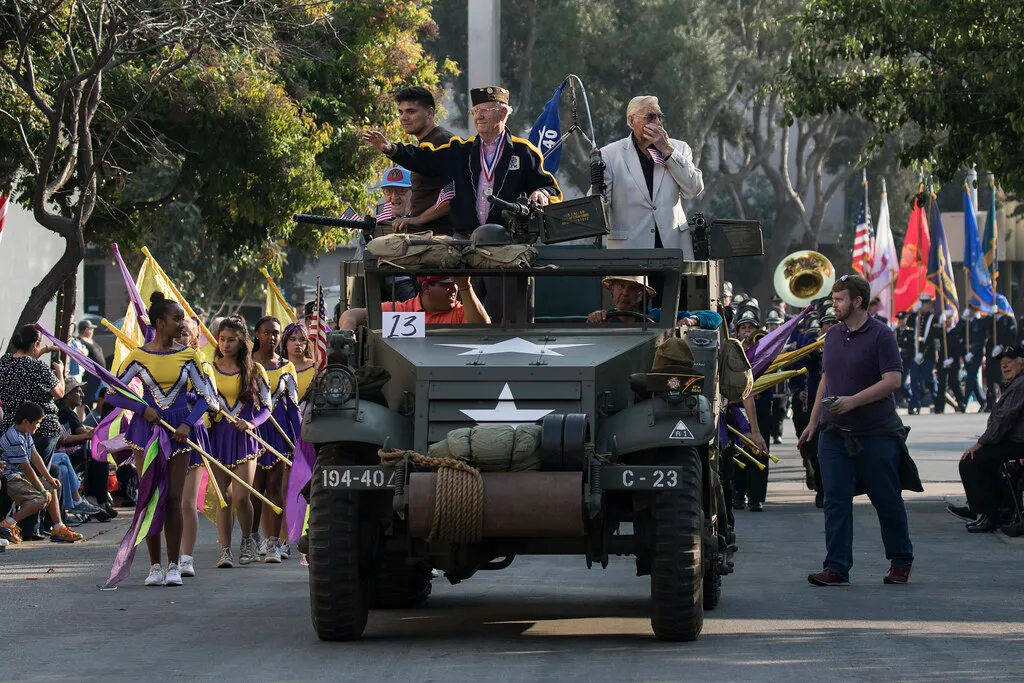
Ohio antique plates are for limited use only. You can drive to car shows, parades, and club meets. You can also use them for occasional pleasure driving, but that term is strictly defined.
The state considers "occasional" to mean no more than 250 miles per year for antique plates. Historical plates allow slightly more flexibility, but still ban daily commuting. Any use beyond these limits risks fines or plate revocation.
Openverse / Presidio of Monterey: DLIFLC & USAG (PDM 1.0)
You cannot use antique plates for business purposes, including rideshare or delivery services. You also cannot use them for regular errands like grocery runs or school drop-offs. If you need a vehicle for daily use, you must register it with standard plates.
Ohio Antique Registration Fees, Costs, and Processing Timelines
Registration fees for antique plates range from 10 to 18 dollars as of 2026. Historical plates cost between 18 and 35 dollars, depending on your county. These fees are significantly lower than standard Ohio registration, which typically runs 30 to 50 dollars.
Processing times vary by BMV location. Standard in-state applications with complete paperwork usually take 1 to 2 weeks. Out-of-state title transfers or modified vehicle reviews can extend this to 4 to 6 weeks.
Here’s a quick breakdown of costs and timelines:
| Item | Antique Plates | Historical Plates |
|---|---|---|
| Registration fee | 10 to 18 dollars | 18 to 35 dollars |
| Processing time (in-state) | 1 to 2 weeks | 1 to 2 weeks |
| Processing time (out-of-state) | 4 to 6 weeks | 4 to 6 weeks |
| VIN verification fee | 0 to 10 dollars | 0 to 10 dollars |
Some counties charge an additional 5 to 10 dollars for VIN verification if your vehicle isn’t already in the BMV system. Always check with your local BMV for exact fees before applying.
Decision Guide: Pick the Right Registration Path for Your 25+ Year Old Car
If your car is 25 years or older and in original or restored condition, start with antique plates. They’re the simplest and cheapest option for occasional use. If you drive to shows more often or need a bit more flexibility, historical plates are the better choice.
For modified vehicles, you’ll need pre-approval from the BMV before applying. Submit photos and a parts list to confirm eligibility. If your car has a salvage title, you must first obtain a rebuilt title from the Ohio Clerk of Courts.
If you’re transferring from out of state, complete the VIN verification first. This step is mandatory and cannot be skipped. If you don’t have a title, file Form BMV 3774 with a notary signature and proof of ownership.
Here’s a quick decision tree to guide you:
- Standard in-state titled vehicle: Apply for antique or historical plates directly.
- Modified vehicle: Get BMV pre-approval first.
- Salvage title: Obtain a rebuilt title before applying.
- Out-of-state vehicle: Complete VIN verification first.
- No title: File Form BMV 3774 with notary signature.
Frequently Asked Questions
Can I drive my antique car every day in Ohio?
No. Ohio law restricts antique plates to parades, exhibitions, and occasional pleasure driving only. Daily commuting is not allowed and can result in fines.
Do I need insurance for antique plates in Ohio?
Yes. You must maintain minimum liability insurance for any vehicle registered in Ohio, including those with antique plates.
What’s the difference between antique and historical plates in Ohio?
Antique plates are for limited use and cost less. Historical plates allow slightly more flexibility for show attendance but have higher fees. Both require the vehicle to be 25+ years old.
How do I prove my car is 25 years old for Ohio antique registration?
Use your vehicle title or manufacturer’s certificate of origin. The model year listed on these documents determines eligibility.
Can I register a modified car as an antique in Ohio?
Yes, but you’ll need pre-approval from the BMV. Submit photos and a parts list to confirm the modifications don’t disqualify the vehicle.