ByMax Lee
Tropical Driving Rules for the Northern Mariana Islands
Driving in the Northern Mariana Islands means preparing for sudden tropical downpours, high winds, and flash floods that can turn routine trips into hazards. The Northern Mariana Islands tropical driving requirements and weather-related regulations exist to keep drivers safe when roads become unpredictable.
With an average annual rainfall of 2,000, 2,500 mm and a typhoon season running June through December, ignoring these rules isn’t just risky, it’s illegal.
YouTube / Black Sea Truck POV (YouTube thumbnail (fair-use with source credit))
Quick Answer
The Northern Mariana Islands require headlights on in rain and reduced speeds in adverse weather. Flooded roads are off-limits. Typhoon warnings trigger mandatory road closures.
Fines apply for non-compliance. Always check CNMI Emergency Management Office alerts before driving.
The Core Driving Requirements You Must Follow in CNMI
CNMI’s traffic laws are strict about weather-related safety. Headlights must be on whenever rain reduces visibility, even during daylight. Speed limits drop automatically in heavy rain, typically to 25 mph in school zones and 35 mph on main roads.
You’re also required to yield to emergency vehicles, and driving through flooded areas is illegal. These rules are enforced by the CNMI Department of Public Safety.
YouTube / Road Safety Procedures (YouTube thumbnail (fair-use with source credit))
Local road signs mark flood-prone areas. Ignoring them can lead to fines or vehicle impoundment. If you’re unsure about a road’s safety, the rule is simple: don’t risk it.
How Tropical Weather Affects Roads on Saipan, Tinian, and Rota
Saipan has the most developed roads but still suffers from poor drainage in heavy storms. Tinian’s rural routes often lack street lighting, making night driving in rain especially dangerous. Rota’s steep terrain increases the risk of landslides after prolonged downpours.
Typhoons can flood roads within minutes, and crosswinds may push lighter vehicles off course. The CNMI Emergency Management Office issues warnings when conditions turn hazardous.
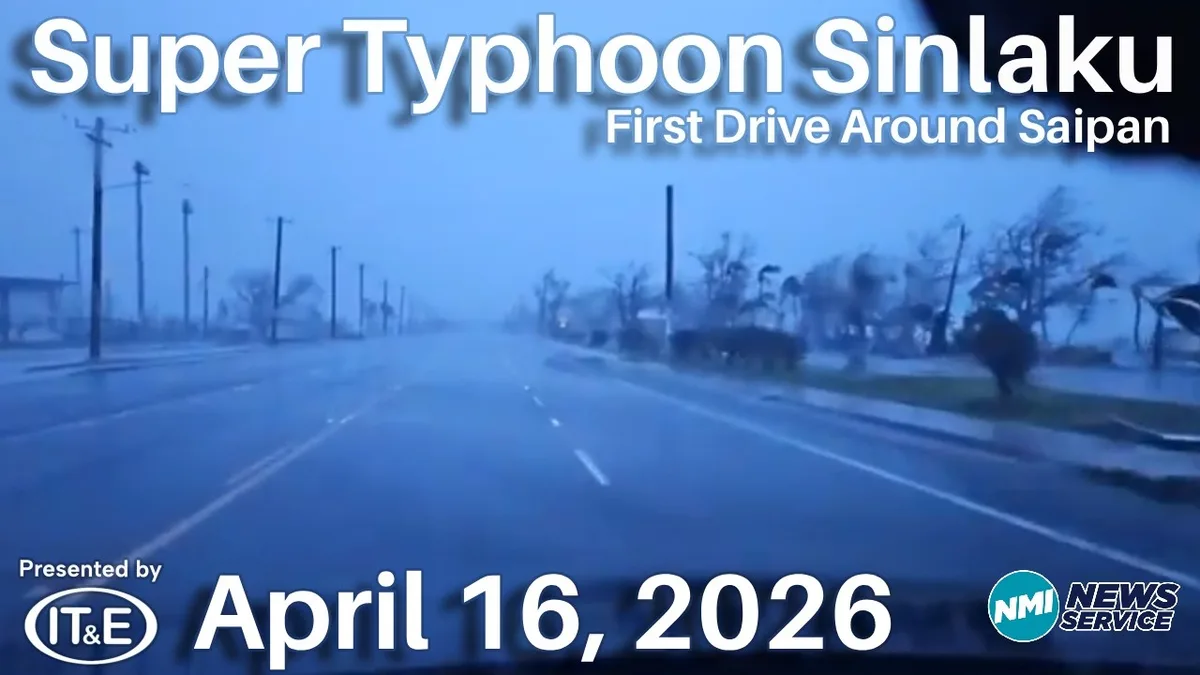
YouTube / NMI News Service (YouTube thumbnail (fair-use with source credit))
Even after a storm passes, debris and standing water can linger for hours. Always assume roads are unsafe until official updates confirm otherwise.
CNMI’s Official Weather-Related Traffic Laws and Penalties
The CNMI Commonwealth Code outlines specific penalties for weather-related violations. Driving through a flooded road can result in a $200 fine. Speeding in adverse conditions may double the standard ticket amount.
Emergency vehicle right-of-way laws carry even steeper penalties.
The CNMI Division of Motor Vehicles also mandates that all vehicles pass inspections, including checks for functional headlights, brakes, and windshield wipers.
YouTube / PulanSpeaks (YouTube thumbnail (fair-use with source credit))
If you’re pulled over for a weather-related infraction, officers won’t accept “I didn’t know” as an excuse. The laws are clearly posted, and ignorance doesn’t waive responsibility.
Vehicle Checks for Tropical Driving (Tires, Brakes, Lights, and More)
Tires are your first line of defense in wet conditions. Tread depth should be at least 4/32 of an inch for safe traction in heavy rain. Brakes must be responsive, and all lights, headlights, taillights, and turn signals, need to be functional.
Windshield wipers should be in good condition, and your defroster must work to prevent fogging.
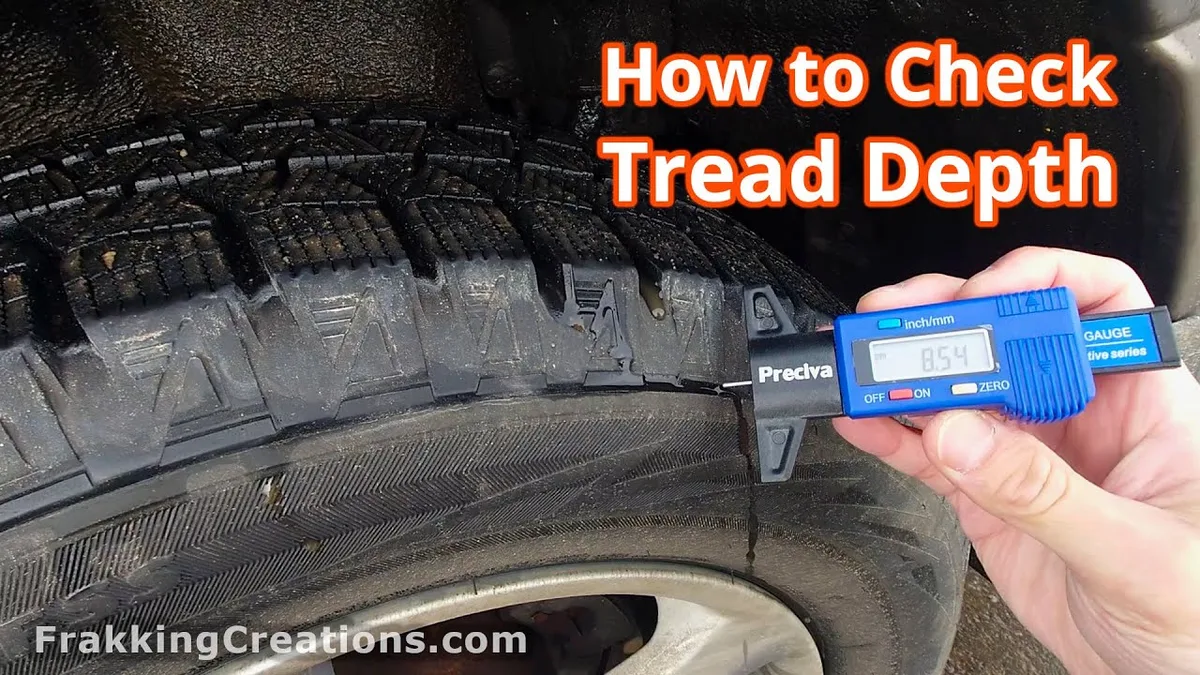
YouTube / Frakking Creations (YouTube thumbnail (fair-use with source credit))
Don’t forget your emergency kit. Include a flashlight, first-aid supplies, and extra water, especially if you’re driving in remote areas like Rota or Tinian.
What to Do Before, During, and After a Typhoon or Heavy Storm
Before a typhoon hits, monitor official warnings from the CNMI Emergency Management Office. If a typhoon warning is active, delay all non-essential travel. Park your vehicle in a sheltered area away from trees or unstable structures.
During a storm, stay off the roads unless you’re evacuating. If you’re caught driving in heavy rain, turn on your headlights and reduce speed immediately. Pull over only if visibility drops to near zero.
After the storm passes, road conditions can remain hazardous. Flash floods may have washed out sections of pavement. Standing water can hide deep potholes.
Wait for official all-clear messages before resuming regular driving.
Where and When Roads Flood—And How to Avoid Getting Stuck
Low-lying roads near the coast and intersections with poor drainage are common flood zones in Saipan. Tinian and Rota have fewer escape routes if water rises quickly.
Roads typically flood within minutes during intense rainfall. If water covers the road surface, assume it’s too deep to drive through. Even six inches of moving water can stall most vehicles.
Check local alert channels for real-time road closure updates before setting out.
Rental Car Rules: What Tourists Often Miss
Renting a car in the Northern Mariana Islands is convenient, but it comes with responsibilities tourists frequently overlook. Most rental agreements require you to follow local traffic laws, including weather-related regulations.
You’re still liable for fines if you’re caught driving through a flooded road, even if you didn’t realize the danger. Some rental companies in Saipan provide updated road condition alerts, but relying on them alone isn’t enough.

YouTube / Natalie Gaspar (YouTube thumbnail (fair-use with source credit))
Always inspect the vehicle’s tires, brakes, and lights before driving off the lot. Make sure your rental insurance covers weather-related incidents. Some policies exclude flood damage, so read the fine print.
Common Mistakes That Lead to Fines or Accidents
One of the most costly mistakes is driving through a flooded zone. Many drivers underestimate how quickly water can rise, and the consequences range from vehicle loss to rescue bills. Speeding in rain is another frequent offender.
Wet roads reduce traction, and going even ten miles over the limit can cause a loss of control.
Another common error is ignoring weather warnings. Some drivers assume they can wait out a storm at their destination, but being caught on the road during a typhoon is dangerous and illegal.
Finally, many tourists skip basic vehicle checks. Worn tires or broken wipers turn a light shower into a serious hazard.
Emergency Contacts and How to Report Hazardous Conditions
If you encounter a hazard on the road, report it immediately. The CNMI Department of Public Safety handles road safety complaints and emergencies.
Call 911 for immediate dangers, such as vehicles stranded in water or active landslides. For non-emergency issues like potholes or downed power lines, contact the CNMI Department of Public Works or local police non-emergency lines.
Keep these numbers saved in your phone before you drive. In remote areas, a quick report can prevent accidents for other drivers.
Real-Life Scenarios: What Happens If You Ignore the Rules
A tourist who ignores a flood warning and drives through a washed-out road near Saipan’s coast may find their vehicle stalled in rising water. Insurance often denies the claim because the driver violated a clear warning, leaving them responsible for tow and repair costs that can exceed $2,000.
Speeding during heavy rain can lead to a loss of control. A driver traveling 50 mph on a road with a 35 mph rain limit might skid into a barrier, causing injuries and a $500 fine for the speed violation alone.
Ignoring emergency vehicles during a storm delays first responders. Penalties for not yielding can be steep, and the Northern Mariana Islands enforce these rules with zero tolerance.
| Scenario | Likely Outcome | Estimated Cost or Penalty |
|---|---|---|
| Driving through flooded road | Vehicle loss, rescue needed | $200 fine + insurance denial |
| Speeding in heavy rain | Loss of control, crash | $500 fine + medical/legal bills |
| Ignoring emergency vehicles | Dangerous obstruction | Heavier fines, possible charges |
These examples happen every typhoon season. They’re entirely preventable. The safest drivers in CNMI treat weather alerts as hard boundaries, not suggestions.
Frequently Asked Questions
Is it illegal to drive through flooded roads in CNMI?
Yes. Driving through a flooded road is a traffic violation that can result in a $200 fine. If the flood is marked with a closure sign, the penalty increases.
Do I need to turn on my headlights when it’s raining in daylight?
Yes. CNMI law requires headlights whenever rain reduces visibility, regardless of the time of day. Failing to do so is a citeable offense.
What happens if I get a tire blowout during a tropical downpour?
Pull over safely as soon as you can, turn on your hazard lights, and call for assistance. Don’t attempt to change the tire on a wet, busy road.
Can I be fined for not having functional windshield wipers?
Yes. Windshield wipers are part of the mandatory vehicle inspection. Driving with broken wipers in heavy rain is extremely dangerous and can lead to a reckless driving charge.
Are there special driving rules for Tinian and Rota compared to Saipan?
The traffic laws are the same across all three islands. The difference is in road conditions. Tinian and Rota have fewer lit roads and more rural stretches, so extra caution is necessary.
How do I know if a road is safe to drive on after a typhoon?
Wait for an official all-clear from the CNMI Emergency Management Office. Even after skies clear, roads may have hidden damage, standing water, or debris.
Do rental cars in CNMI come with emergency road assist?
Most do, but coverage varies by company. Ask about this before signing the rental agreement, and keep the company’s emergency number saved in your phone.