If your outboard motor cranks but won’t fire up, knowing where to spray starting fluid on outboard motor can save you time and frustration. Starting fluid is a quick fix for cold or flooded engines, but only if you apply it in the right spot.
Manufacturer specs confirm that ether-based starting fluid has a flash point around -49°F, making it effective for cold starts. The key is getting it into the air intake, not just anywhere under the hood.
Quick Answer
Spray starting fluid directly into the carburetor air intake. Use short bursts of 1-2 seconds. Avoid spark plugs and electrical components.
Never use on fuel-injected outboards.
When You Actually Need Starting Fluid
Starting fluid isn’t a magic fix for every no-start situation. It’s designed for cold engines or when fuel delivery is the issue. If your outboard is flooded, a quick spray can help clear excess fuel.
You’ll know it’s needed when the engine cranks but doesn’t turn over, especially in temperatures below 50°F. As of 2026, most modern outboards start reliably without it, so frequent use suggests a deeper problem.
How Outboard Motors Take in Starting Fluid
Outboard motors pull in starting fluid the same way they pull in air and fuel. In carbureted models, the fluid enters through the air intake, mixes with air, and reaches the combustion chamber. Fuel-injected systems don’t rely on this method, which is why starting fluid can cause issues.
The carburetor’s job is to mix air and fuel in the right ratio. Starting fluid temporarily replaces the fuel in this mix, providing an easier ignition source.
Where to Spray Based on Your Outboard Type
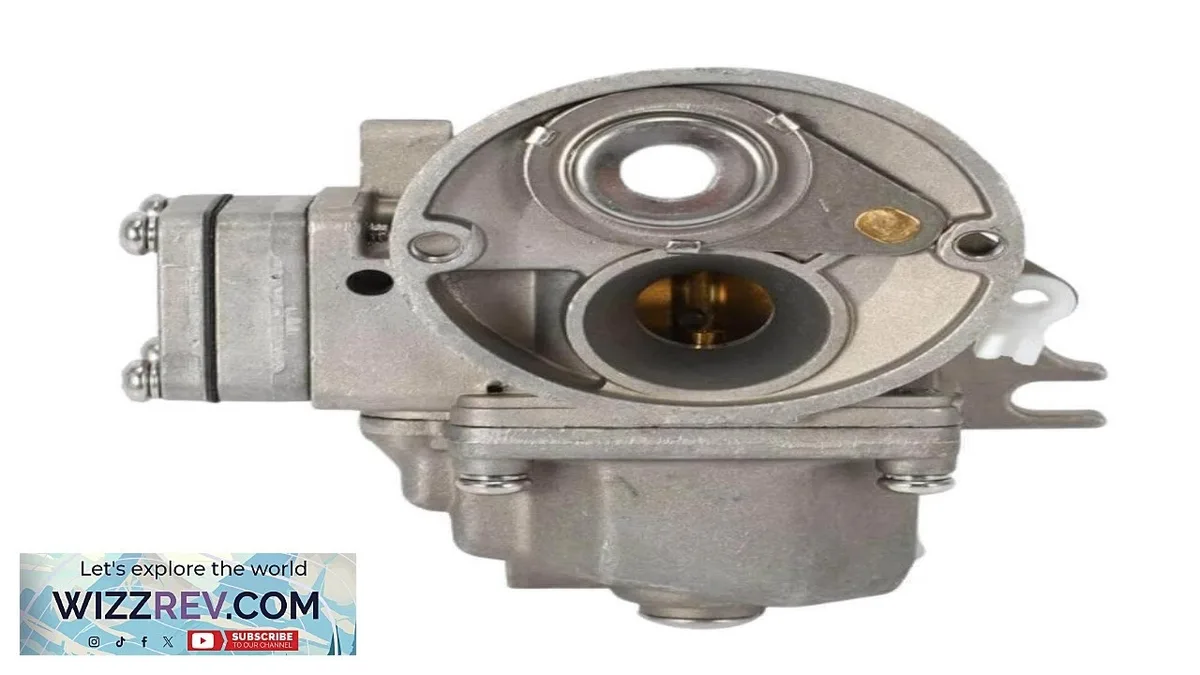
Carbureted 2-Stroke Outboards
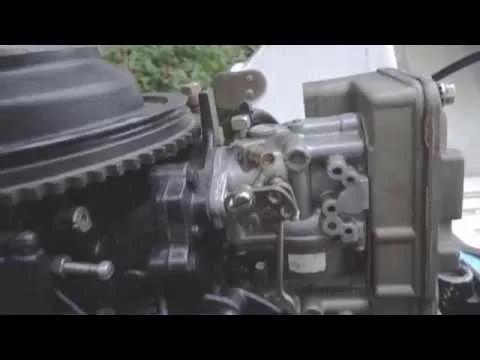
For 2-stroke carbureted outboards, spray the starting fluid directly into the carburetor’s air intake. Remove the air filter if it’s in the way, but replace it after spraying. These engines are the most forgiving for starting fluid use.
Carbureted 4-Stroke Outboards
4-stroke carbureted models also accept starting fluid in the air intake. However, they’re more sensitive to overuse. A single 1-2 second burst is usually enough.
If the engine doesn’t start after two attempts, the issue likely isn’t fuel-related.
Fuel-Injected Outboards (When to Avoid It)
Fuel-injected outboards don’t have a traditional carburetor, so starting fluid can damage sensors or leave residue in the intake system. Avoid using it unless the manufacturer explicitly approves it.
Step-by-Step: How to Spray Starting Fluid Safely
First, locate the air intake on your carbureted outboard. It’s usually near the top of the engine, often covered by an air filter housing. If you’re unsure, consult your outboard’s service manual.
Use short bursts of starting fluid, no longer than 2 seconds. Spray directly into the intake, then immediately attempt to start the engine. If it doesn’t start on the first try, wait a few seconds before spraying again.
Keep the can upright and use the straw nozzle for precision. Never spray near spark plugs, electrical connections, or open flames.
Common Mistakes That Damage Your Motor
Over-spraying is the most common error. More than 2-3 seconds of fluid can flood the engine, making the problem worse. Always count the spray time to avoid this.
Spraying near spark plugs or electrical components risks fire. Ether-based fluid ignites instantly, and a stray spark can cause a dangerous backfire. Keep the can aimed at the intake only.
Using starting fluid on fuel-injected outboards can damage oxygen sensors. These systems rely on precise fuel-air mixtures, and the fluid disrupts that balance.
When Starting Fluid Isn’t the Fix
If the engine doesn’t crank at all, the issue is likely electrical. Starting fluid won’t help a dead battery or faulty starter. Test the battery voltage first.
A clogged fuel filter or bad fuel pump also prevents starting. If the engine cranks but doesn’t catch, check the fuel system before reaching for starting fluid. Old or contaminated fuel is a common culprit.
Persistent hard starting usually points to a carburetor problem. Dirty jets or a stuck float can starve the engine of fuel.
Safety Warnings You Can’t Ignore
Starting fluid is extremely flammable. Never use it near open flames, sparks, or hot surfaces. Even a small static charge can ignite the vapor.
Inhaling the fumes can cause dizziness or nausea. Always use it in a well-ventilated area, preferably outdoors. Avoid breathing in the spray.
The can itself can explode if exposed to heat. Store it in a cool, dry place away from direct sunlight. Never puncture or incinerate the can.
Pro Tips for Hard-Starting Outboards
Warm the engine first if possible. A brief run at idle or a few minutes in the sun can make starting easier. Cold metal doesn’t vaporize fuel as efficiently.
Check the choke setting. If your outboard has a manual choke, ensure it’s engaged for cold starts. Starting fluid works best when the choke is closed.
Inspect the spark plugs. Fouled or worn plugs can prevent ignition even with starting fluid.
Frequently Asked Questions
Can I use starting fluid on a 4-stroke outboard?
Yes, but only if it’s carbureted. Spray into the air intake, not the spark plug holes. Fuel-injected 4-strokes should avoid it.
How often can I use starting fluid?
Use it sparingly. If you need it more than once or twice a season, there’s likely an underlying issue. Frequent use can mask problems like a failing carburetor.
What’s the difference between starting fluid and carb cleaner?
Starting fluid is designed for ignition assistance. Carb cleaner is harsher and meant for cleaning, not starting. Never substitute one for the other.
Is starting fluid bad for my outboard?
Occasional use won’t harm a carbureted engine. Overuse can leave residue or damage sensors in fuel-injected models.
Why does my outboard need starting fluid in cold weather?
Cold temperatures reduce fuel vaporization. Starting fluid provides an easier-to-ignite alternative. Once the engine warms up, it should run normally.