The car engine bay is the heart of your vehicle, housing everything from the engine to fluids and electrical systems. It’s where power, cooling, and control come together to keep your car running. ASE-certified mechanics report that regular checks under the hood can prevent up to 60% of common breakdowns.
As of 2026, knowing what you’re looking at makes maintenance less intimidating. A well-maintained engine bay prevents overheating, electrical failures, and fluid leaks.
Quick Answer
The car engine bay contains the engine and supporting systems. It includes the battery, radiator, and fluid reservoirs. Components are arranged for function and accessibility.
Layouts differ between gas, diesel, and electric vehicles.
What’s Inside a Car Engine Bay (And Why It Matters)
The engine bay isn’t just about the engine. It’s a carefully organized space where multiple systems work together. The correct fluid level in each reservoir keeps things running smoothly.
Here’s why it matters: a well-maintained engine bay prevents overheating, electrical failures, and fluid leaks. Ignoring it can lead to costly repairs or even total engine failure. Regular visual inspections take less than five minutes but can save you hundreds.
Key Components You’ll Find Under the Hood
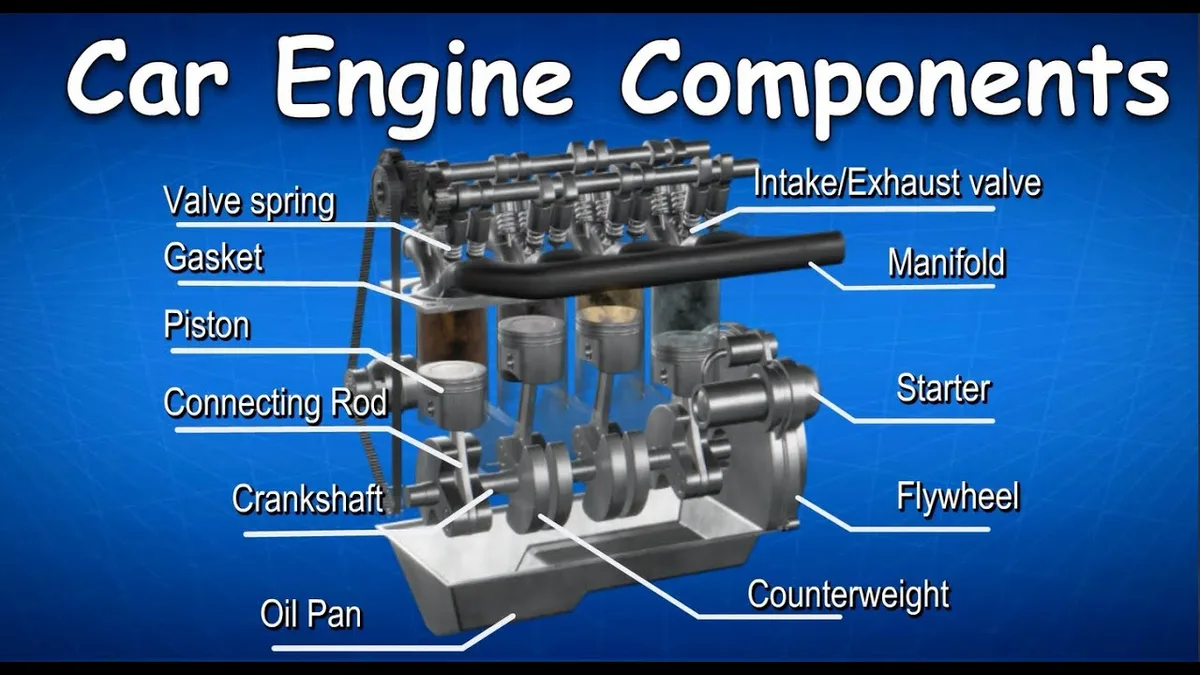
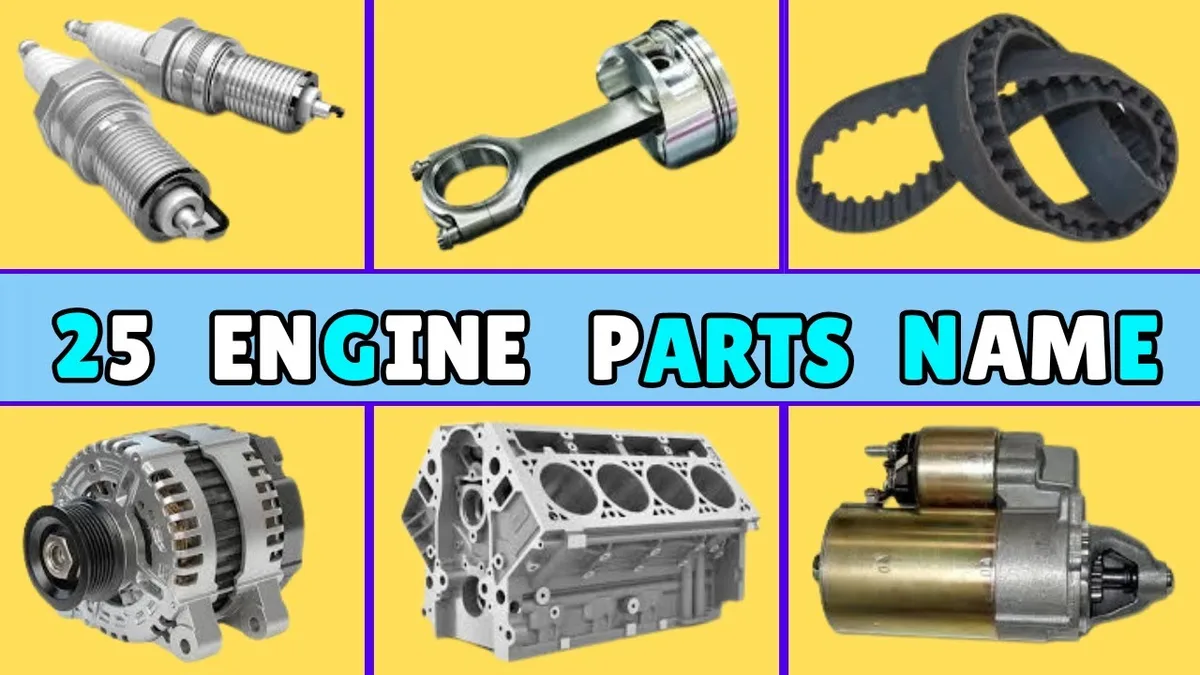
- Engine: The core component that generates power, typically a 4-cylinder, V6, or V8 in consumer vehicles.
- Battery: Provides electrical power to start the engine and run accessories. Most cars use a 12-volt lead-acid or AGM battery.
- Radiator and cooling system: Prevents overheating by circulating coolant through the engine.
- Air intake system: Filters and delivers air to the engine for combustion. A clogged air filter reduces efficiency.
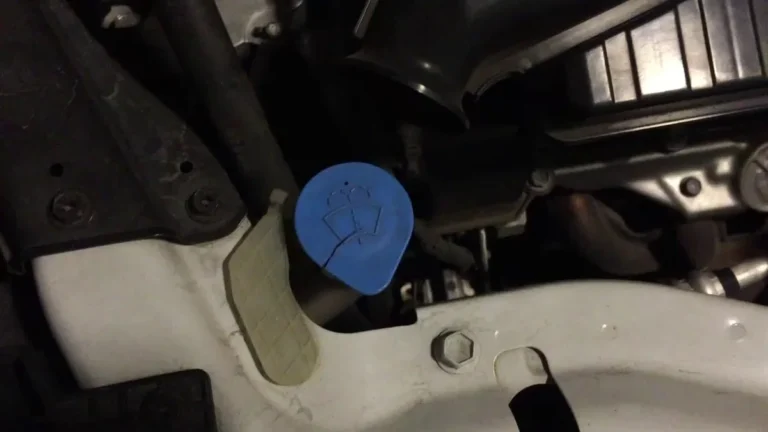
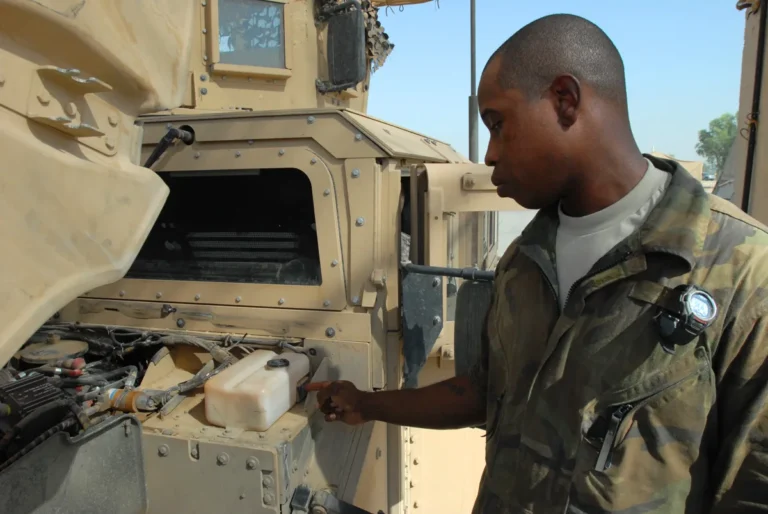
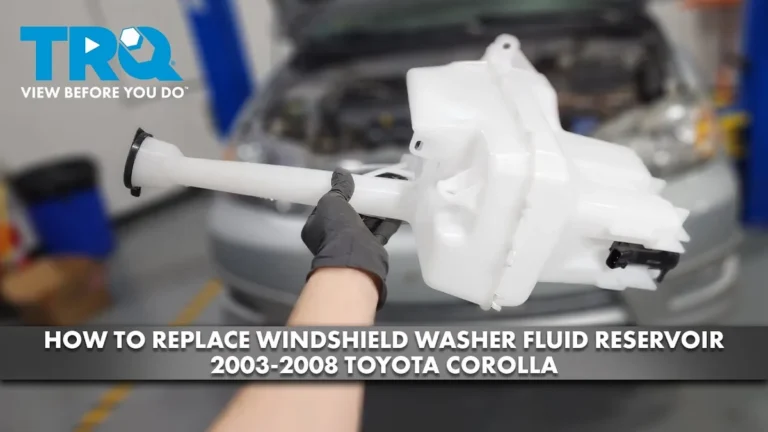
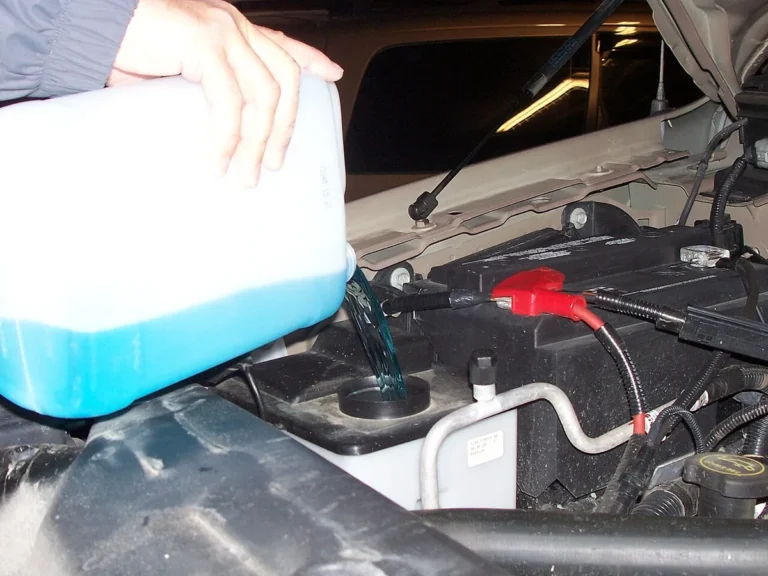
- Fluid reservoirs: Hold oil, coolant, brake fluid, power steering fluid, and windshield washer fluid. Each has a distinct color and texture for easy identification.
- Belts and pulleys: Transfer mechanical power between components. The serpentine belt is the most common in modern cars.
- Fuse box: Houses fuses and relays that protect electrical circuits.
How the Engine Bay Works as a System
The engine bay operates as an interconnected network. The engine generates power, but it can’t do it alone. The cooling system removes excess heat, while the electrical system powers everything from the starter motor to the headlights.
Fuel and air mix in the engine’s cylinders, creating controlled explosions that drive the pistons. The transmission then transfers this power to the wheels. Meanwhile, the exhaust system expels waste gases, and the cooling system circulates coolant to regulate temperature.
If one system fails, it can cascade into others. For example, a failed water pump can cause the engine to overheat, leading to a blown head gasket. Per ASE guidelines, preventive maintenance is the best way to avoid these issues.
Visual Guide: Identifying Parts at a Glance
Knowing how to spot key components saves time and confusion.
- Battery: Usually a rectangular box with two terminals, often near the front of the bay. Corrosion on the terminals is a common issue.
- Oil dipstick: A bright handle, often yellow or orange, used to check oil levels. Manufacturer specs confirm that oil should be checked when the engine is cool.
- Coolant reservoir: A translucent plastic tank with a colored liquid (usually green, orange, or pink). Never open it when the engine is hot.
- Brake fluid reservoir: A small, often white or clear plastic container near the firewall. Low levels can indicate a leak.
- Air filter housing: A black plastic box with clips or screws. A routine upkeep check ensures optimal airflow.
Color-coding helps too. Coolant is often green or orange, brake fluid is clear or light brown, and power steering fluid is usually red or clear.
Common Engine Bay Problems (And How to Spot Them)
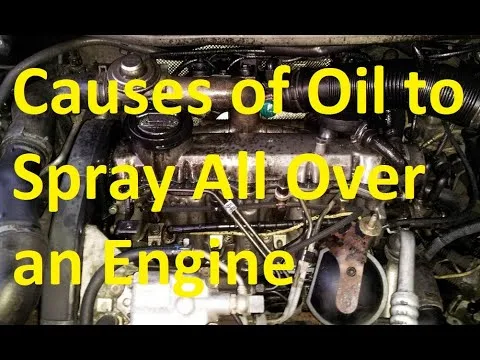
Leaks are the most obvious red flag. Oil leaks often appear as dark brown or black puddles under the car. Coolant leaks are usually green, orange, or pink and may have a sweet smell.
Overheating is another critical issue. If your temperature gauge spikes or you see steam from the hood, pull over immediately. A failed water pump or clogged radiator is often the culprit.
Electrical problems can be trickier. Corroded battery terminals or a dead battery are common. Flickering lights or a clicking sound when turning the key usually point to electrical trouble.
What does a blown head gasket look like?
White smoke from the exhaust or milky oil on the dipstick signals a blown head gasket. This happens when coolant mixes with engine oil.
Step-by-Step: Basic Checks Every Driver Should Do

Start with the oil. Park on level ground, wait 5 minutes after turning off the engine, then pull the dipstick. Wipe it clean, reinsert, and check the level against the marks.
Next, inspect the coolant. The reservoir is usually translucent with minimum and maximum lines. Only check when the engine is cool to avoid burns.
Check the battery terminals for corrosion. A white, powdery substance means it’s time for cleaning. Use a mixture of baking soda and water to scrub it off.
How often should you check these?
Manufacturer specs confirm monthly checks are ideal for oil and coolant. Battery terminals can be inspected every few months or before long trips.
When to Call a Mechanic vs. DIY Fixes
Some issues are safe to tackle yourself. Topping off fluids or replacing a fuse falls into this category. These tasks require minimal tools and carry low risk.
Other problems demand professional help. If you suspect a blown head gasket or transmission issues, don’t attempt repairs. These require specialized tools and expertise.
Electrical issues can be tricky. If you’re not comfortable with wiring, leave it to the pros. A miswired connection can cause shorts or even fires.
What’s the cost difference?
DIY fluid top-offs cost almost nothing. Professional diagnostics for complex issues can run $100 to $200 before any repairs.
Engine Bay Maintenance Schedule (By Mileage & Time)
Follow the 30-60-90 rule for basic maintenance. At 30,000 miles, replace the air filter and inspect belts. At 60,000 miles, change the spark plugs and flush the coolant.
Timing belts typically need replacement at 60,000 to 100,000 miles. Check your owner’s manual for the exact interval. A snapped timing belt can destroy your engine.
Seasonal checks matter too. Before winter, test your battery and antifreeze. In summer, ensure your cooling system is in top shape.
What about electric vehicles?
EVs have fewer fluids but still need attention. Check the coolant for the battery and motor every 15,000 miles. Focus on the high-voltage components.
Safety First: Hazards to Avoid Under the Hood
Never work on a hot engine. Coolant and oil can reach temperatures over 200°F, causing severe burns. Always wait at least 30 minutes after driving before opening the hood.
Disconnect the battery before working on electrical components. This prevents shorts and accidental starts. Remove the negative terminal first, then the positive.
Watch for moving parts. The engine fan can start unexpectedly, even when the car is off. Keep hands and tools clear of the fan blades.
What about high-voltage systems in EVs?
EV and hybrid engine bays contain high-voltage components. These are marked with orange cables or warning labels. Never touch these without proper training and insulated tools.
Pro Tips for Cleaning and Organizing Your Engine Bay
Use a degreaser for stubborn grime. Spray it on, let it sit for 5 to 10 minutes, then rinse with a low-pressure hose. Avoid high pressure, as it can damage electrical connections.
Cover sensitive components before cleaning. Use plastic bags or cling film to protect the alternator, fuse box, and battery. Water in the wrong places can cause electrical issues.
Organize with labeled ties or clips. Grouping wires and hoses makes future checks easier. It also helps you spot anything out of place quickly.
How often should you clean it?
A thorough cleaning once a year is enough for most drivers. If you drive in dusty or muddy conditions, consider cleaning it every 6 months.
FAQs
How do I know if my engine bay has a leak?
Look for puddles under the car or low fluid levels in the reservoirs. Oil leaks are dark brown or black, while coolant leaks are often colorful.
Can I use water to clean my engine bay?
Use water sparingly and avoid high pressure. A damp cloth or low-pressure hose is safer. Always cover electrical components first.
What’s the most common engine bay problem?
Oil leaks are the most frequent issue. They often come from the valve cover gasket or oil pan. Regular checks can catch them early.
How do I check my engine oil?
Park on level ground and wait 5 minutes after turning off the engine. Pull the dipstick, wipe it clean, reinsert it, then check the oil level against the marks.
Is it safe to touch the battery terminals?
Only if the engine is off and you’re not working on electrical systems. Always disconnect the negative terminal first if you need to remove the battery.