The Dalton Highway isn’t just another stretch of road, it’s a 414-mile test of skill, preparation, and compliance. Dalton Highway trucking regulations exist because one wrong move here can mean fines, impoundment, or worse. These rules cover everything from weight limits to seasonal restrictions, and they’re enforced strictly by both Alaska DOT and federal agencies.
As of 2026, the standard federal weight limit is 80,000 lbs, but Alaska’s seasonal thaw and freeze cycles change what’s allowed. Get this wrong, and you’re not just risking a ticket, you’re risking your rig, your load, and your livelihood.
Quick Answer
Dalton Highway trucking regulations enforce strict weight, size, and safety rules. Alaska DOT sets seasonal limits and permit requirements. Federal FMCSA rules apply for interstate carriers.
Violations trigger heavy fines or road bans. Compliance is non-negotiable for legal operation.
Why Dalton Highway Trucking Regulations Matter (And the Risks of Getting Them Wrong)
This isn’t a typical highway. The Dalton is 95% gravel, remote, and brutal on vehicles. One misstep with weight or permits can strand you for days, or cost thousands in fines.
The risks go beyond money. A violation can mean your truck gets impounded at Coldfoot, the last outpost for 240 miles. Or worse, an accident in Atigun Pass where help is hours away.
These regulations exist to prevent both.
The Dalton Highway: What Truckers Are Really Up Against
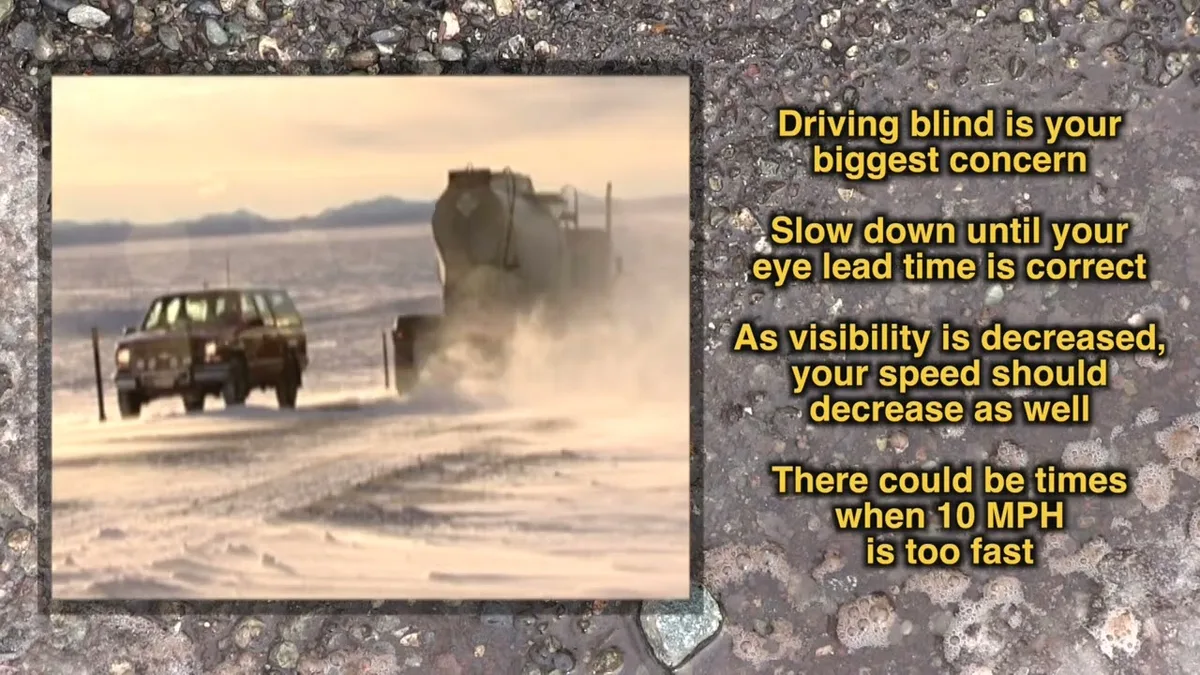
The road itself is the first challenge. It’s a mix of loose gravel, sharp curves, and steep grades like Atigun Pass at 4,800 feet. Dust storms in summer can drop visibility to zero.
Winter brings ice, snow, and temperatures below -40°F.
Then there’s the isolation. No fuel stations for long stretches. No cell service.
No tow trucks on call. If you break down, you’re on your own until help arrives, and that could take a while.
Core Alaska & Federal Trucking Rules You Can’t Ignore
Alaska DOT and the FMCSA share jurisdiction here. Alaska handles permits, weight limits, and road-specific rules. The FMCSA enforces federal standards like Hours of Service and ELD compliance.
Key rules include:
- Weight limits: 80,000 lbs standard, but lower during spring thaw and fall freeze-up
- Size limits: 8’6” width, 13’6” height, 53’ length (longer with permit)
- Permits: Required for oversize or overweight loads, with escort vehicles for the largest loads
- Safety gear: CB radio or satellite communicator, emergency survival kit, fire extinguisher
Permits: When You Need Them, How to Get Them, and What They Cost
You need a permit for any load exceeding standard limits. Single-trip permits start around $50. Annual permits for frequent haulers can run $1,000 to $5,000, depending on load type and frequency.
The application process goes through Alaska DOT’s Commercial Vehicle Enforcement. You’ll need vehicle specs, route details, and proof of insurance. Processing can take days, so plan ahead.
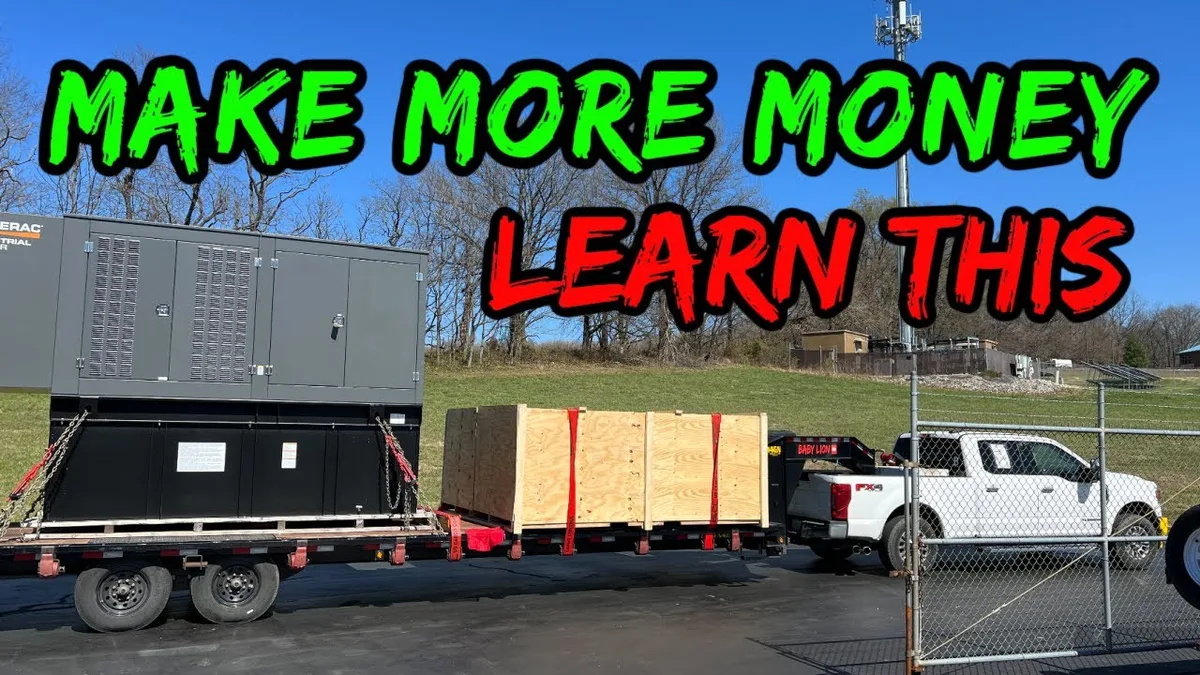
Escort vehicles are mandatory for the biggest loads. Costs vary, but expect $200, $500 per day for a certified escort.
Winter vs. Summer Restrictions
Winter brings ice roads and snowpack, but also stricter rules. From November 1 to April 15, chain laws are in effect. If you’re caught without proper traction devices, you’re not moving.
Summer has its own challenges. Spring breakup (May) and fall freeze-up (October, November) see reduced weight limits to protect the road. Dust control is also critical, uncovered loads can create visibility hazards.
Safety & Legal Requirements That Aren’t Optional
You can’t cut corners here. Alaska State Troopers and FMCSA inspectors run regular checks, especially at Coldfoot and the Yukon River crossing. They’ll verify your permits, weight, and safety gear on the spot.
Mandatory equipment includes a CB radio or satellite communicator, fire extinguisher, and emergency survival kit. In winter, add tire chains and engine heaters. Missing any of these means you’re grounded.

Penalties start at $1,000 for overweight loads and escalate quickly. Repeat offenses can lead to permit suspension or criminal charges. The FMCSA publishes the full list of federal violations.
Step-by-Step: How to Legally Haul on the Dalton Highway
Before You Hit the Road
Check your route for seasonal restrictions. Spring breakup and fall freeze-up have reduced weight limits. Verify your permits with Alaska DOT at least a week in advance.
Inspect your rig thoroughly. Tires, brakes, and lights must meet FMCSA standards. Loads must be secured and tarped to prevent dust hazards.
On the Road: Checkpoints, Escorts, and Real-Time Adjustments
Stop at every checkpoint. Officers will weigh your load and check documents. If you’re over limit, you’ll be turned back or fined.
For oversize loads, coordinate with your escort vehicle. They’ll guide you through tight sections and warn of oncoming traffic. Stay in constant radio contact.
After the Trip: Reporting and Compliance
Submit any required post-trip reports to Alaska DOT. This is especially critical for oversize or hazardous material loads. Keep copies of all permits and inspections for at least a year.
Common Mistakes That Get Truckers in Trouble
Skipping the pre-trip inspection is the top error. A loose strap or faulty brake can trigger an immediate shutdown. Always double-check before rolling out.
Ignoring seasonal weight limits is another big one. Thawing roads in May can’t handle standard loads. Alaska DOT posts updates on 511.Alaska.gov.
Underestimating fuel needs is a classic rookie move. There are no services between Coldfoot and Deadhorse. Plan for extra fuel and emergency supplies.
Costs & Fees: Permits, Fines, and Hidden Expenses
Permit fees vary by load and duration. Single-trip oversize permits start at $50. Annual permits for frequent haulers can reach $5,000.
Fines for violations aren’t cheap. Overweight loads can trigger $1,000 to $10,000 penalties. Operating without a required permit can cost even more.
Hidden expenses add up fast. Escort vehicles run $200 to $500 per day. Emergency towing in remote areas can exceed $2,000.
Always budget for the unexpected.
Expert Tips from Drivers Who’ve Done It for Decades
Monitor road conditions in real time. The Alaska DOT updates 511.Alaska.gov hourly. A sudden storm or washout can close the road without warning.
Pack for the worst. Even in summer, temperatures can drop below freezing at night. Carry extra food, water, and cold-weather gear.
Build relationships with local operators. They know the road’s quirks and can offer advice on permits, routes, and conditions. Their insights can save you time and money.
Real-World Scenarios: What Actually Happens on the Haul Road
A loaded fuel tanker hit a washout near Atigun Pass last spring. The driver walked away, but the truck was stuck for three days. The cleanup cost exceeded $50,000, and the company lost its annual permit.
Another common issue is dust storms in summer. A grain hauler was fined $3,000 for an uncovered load that created a visibility hazard. The driver also had to pay for the road cleanup.
Winter brings its own drama. A flatbed carrying drilling equipment slid off the ice near Coldfoot. The escort vehicle wasn’t properly equipped with chains.
Both trucks were impounded until the company paid the recovery fees.
Frequently Asked Questions
Do I need a special license to drive the Dalton Highway?
No special license is required beyond a standard CDL for commercial vehicles. However, you must comply with all Alaska DOT and FMCSA regulations for your load type.
What’s the maximum weight allowed without a permit?
The standard federal limit is 80,000 lbs. Alaska reduces this during spring breakup and fall freeze-up. Always check current limits before hauling.
How long does it take to get an oversize permit?
Single-trip permits typically process in 1-3 business days. Annual permits can take up to two weeks. Apply early to avoid delays.
Are there any roads on the Dalton that are completely off-limits?
Yes. Some sections close entirely during extreme weather or road damage. Alaska DOT posts real-time updates on 511.Alaska.gov.
What’s the fine for operating without a required permit?
Fines start at $1,000 and can exceed $10,000 for repeat offenses. The truck may also be impounded until the permit is obtained.
Can I haul hazardous materials on the Dalton Highway?
Yes, but with strict additional requirements. You’ll need a hazardous materials permit and must follow all FMCSA hazmat regulations. Escort vehicles are often mandatory.