You’ve probably wondered in a pinch if you can just dump shampoo into your washer fluid reservoir. The short answer to is car wiper liquid replaceable by shampoo? is no, it’s a risky shortcut that can backfire. Manufacturer specs and automotive standards exist for a reason, and washer fluid is engineered to handle road grime, bugs, and freezing temps without damaging your car.
Per SAE International’s fluid standards, washer fluid is formulated with antifreeze agents and detergents that won’t clog nozzles or degrade rubber. Shampoo, on the other hand, lacks these properties and can leave a film that impairs visibility.
Quick Answer
No, you shouldn’t replace car wiper liquid with shampoo. It can clog the system. It may leave streaks on your windshield.
It lacks antifreeze for cold weather. It can damage wiper blades over time.
The Short Answer: No, and Here’s Why
Shampoo isn’t designed for automotive systems. It’s formulated for hair, not for dissolving road grime, salt, or insect residue. Washer fluid, however, contains solvents and antifreeze agents like methanol or ethylene glycol that cut through tough debris and prevent freezing in cold climates.
Using shampoo can also void warranties or cause long-term damage to your washer system. Car manufacturers explicitly warn against using non-approved fluids. The wrong liquid can corrode plastic components, degrade rubber seals, or even trigger dashboard warning lights.
How Washer Fluid and Shampoo Actually Work
Washer fluid is a purpose-built solution. It combines cleaning agents, antifreeze, and lubricants to keep your windshield clear without harming the car’s systems. The antifreeze component prevents the liquid from freezing at temperatures as low as -20°F to -40°F, depending on the formula.
Shampoo, meanwhile, is a mild detergent designed for human hair. It contains surfactants to remove oils and dirt but lacks the solvents needed for automotive grime. It also tends to foam excessively, which can clog the washer nozzles and reduce spray effectiveness.
The pH balance is another key difference. Washer fluid is typically neutral to slightly alkaline to avoid damaging glass or rubber. Shampoo, even if pH-balanced for hair, can be too harsh for automotive materials over time.
What Happens If You Use Shampoo in Your Washer System?
First, you’ll likely notice streaking. Shampoo doesn’t rinse as cleanly as washer fluid, leaving a film that smears when your wipers activate. This reduces visibility, especially at night or in glare conditions.
Next, the nozzles may clog. Shampoo’s thicker consistency and foaming action can build up in the tiny washer jets, reducing or blocking the spray. Over time, this can require a full system flush to clear.

In cold weather, shampoo can freeze solid. Unlike washer fluid, which is formulated to stay liquid in subzero temps, shampoo will turn to ice, rendering your washer system useless when you need it most. This is a safety hazard, as clear visibility is critical for driving.
Finally, long-term use can degrade your wiper blades. The chemicals in shampoo can dry out or crack the rubber, leading to premature wear and reduced wiping performance.
The Risks: Why This Is a Bad Idea
Safety is the top concern. Reduced visibility from streaking or clogged nozzles can increase the risk of accidents. According to NHTSA, clear windshields are essential for safe driving, and improper fluids can compromise this.
Mechanical damage is another risk. The washer system isn’t designed to handle shampoo’s consistency or chemical makeup. Over time, you might face costly repairs to the pump, hoses, or reservoir.
Manufacturer warranties often exclude damage caused by improper fluids, leaving you on the hook for repairs.
There’s also the issue of residue. Shampoo can leave a soapy film on your windshield that attracts dirt, making your glass dirtier faster.
When You Might Get Away with It (And When You Won’t)
In an absolute emergency, say, you’re stranded with an empty reservoir and no washer fluid in sight, you might use a tiny amount of shampoo diluted with water. But this is a last resort, not a solution.
Even then, it’s only viable in warm weather. If temperatures are near freezing, the shampoo-water mix will likely freeze, making the problem worse. And even in ideal conditions, you’ll still risk streaking, clogging, and residue.
Safer Alternatives If You’re in a Pinch
If you’re out of washer fluid, water is the least harmful substitute. It won’t clean as well or prevent freezing, but it won’t damage your system either. Use distilled water to avoid mineral deposits in the nozzles.
A diluted dish soap solution can work in warm weather. Mix a teaspoon of mild dish soap with a gallon of water. This cuts grease better than shampoo but still lacks antifreeze properties.
For cold climates, add a splash of rubbing alcohol to the water. This lowers the freezing point slightly, though it won’t match commercial washer fluid. Avoid vinegar or ammonia-based cleaners, as they can damage seals and hoses.
How to Fix It If You Already Tried Shampoo
First, flush the system. Fill the reservoir with clean water and spray until the nozzles run clear. Repeat if you still see suds or residue.
If the nozzles are clogged, use a pin or needle to clear them. Insert it gently into the nozzle opening to dislodge buildup. Avoid excessive force to prevent damage.
For stubborn residue, run a cycle with a 50/50 water-vinegar mix. This helps dissolve soap scum but shouldn’t be used regularly. After flushing, refill with proper washer fluid.
The Right Way to Refill Your Washer Fluid
Start with the right product. Choose a washer fluid that matches your climate. Summer formulas focus on cleaning, while winter blends include antifreeze.
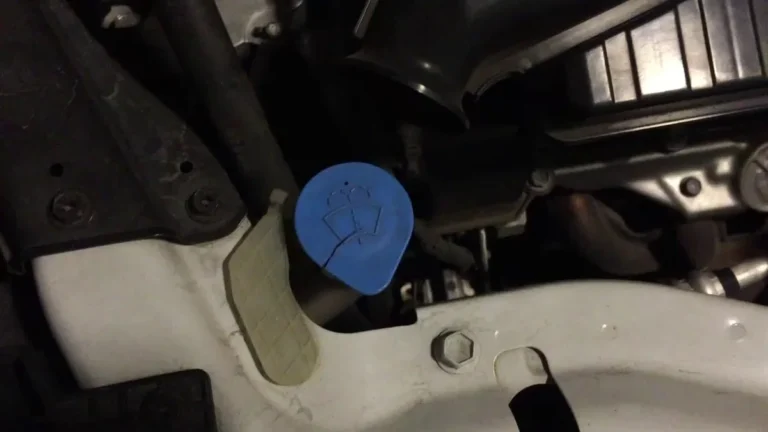
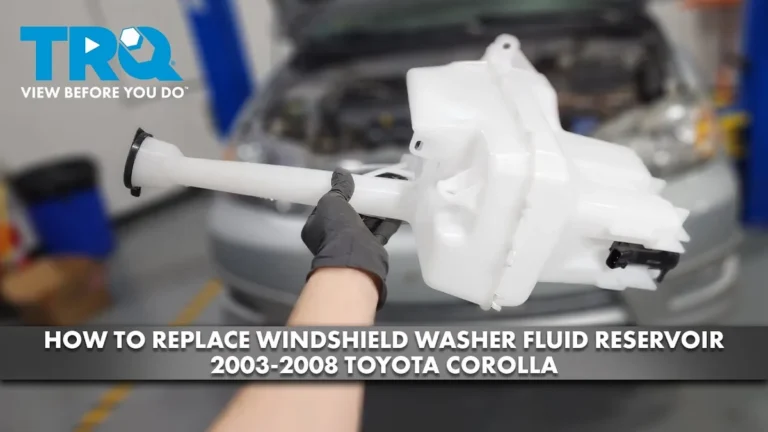
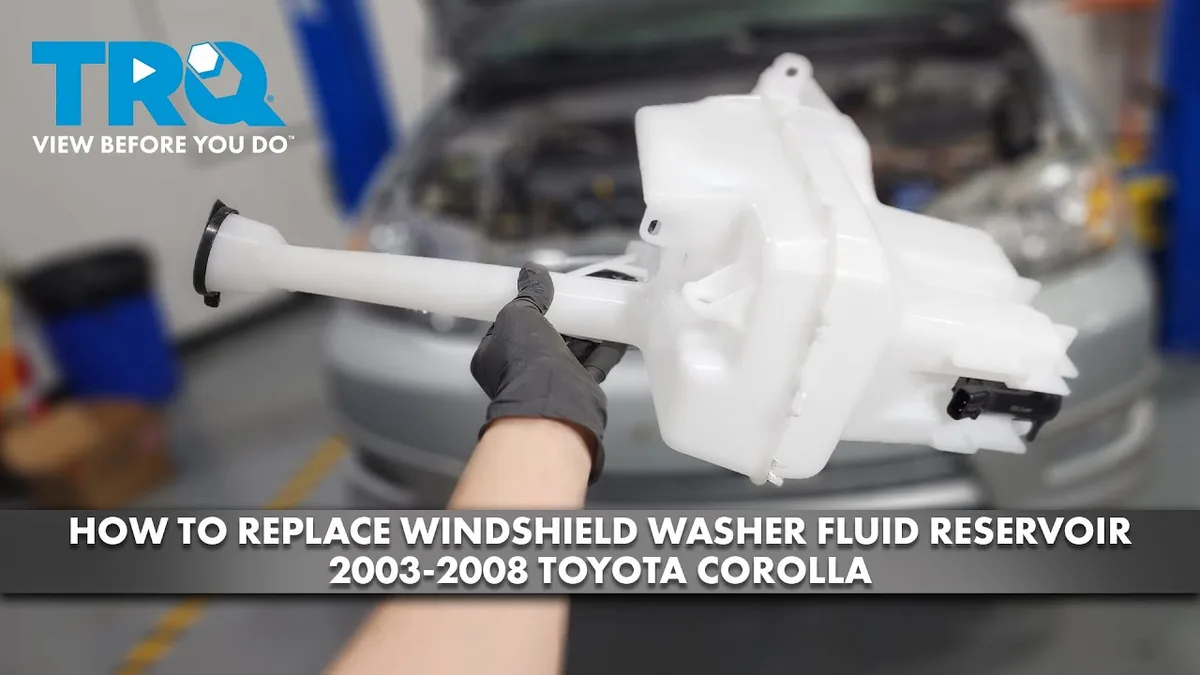
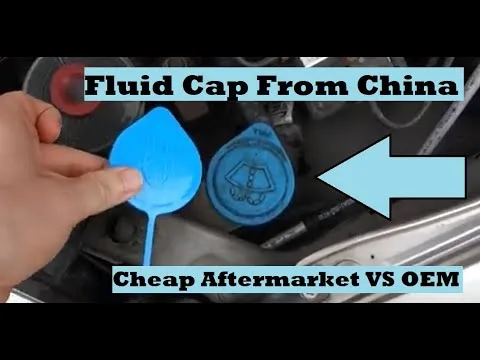
Locate the reservoir under the hood. It’s usually a white or translucent plastic tank with a windshield symbol on the cap. Check your owner’s manual if unsure.

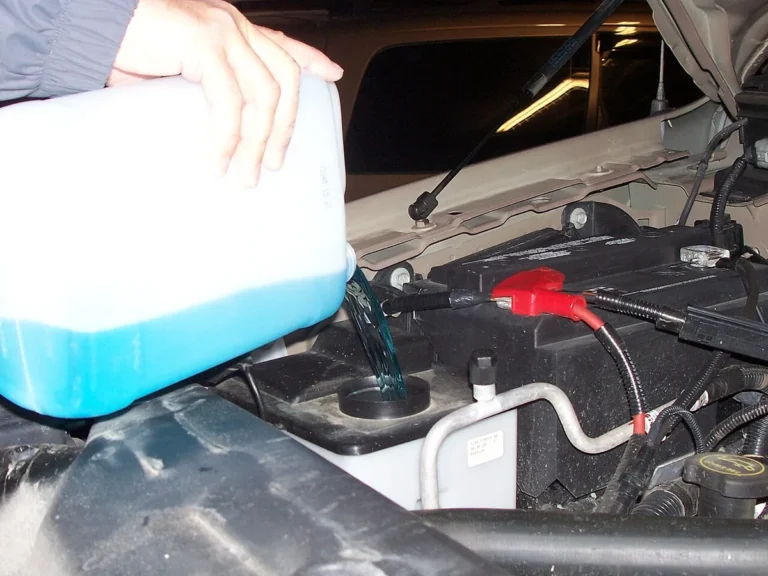
Pour the fluid slowly to avoid spills. Fill to the marked line but don’t overfill. Wipe up any drips to prevent corrosion or paint damage.
What the Experts (and Your Car Manual) Say
Car manufacturers are clear. Ford, Toyota, and GM all specify using only approved washer fluids. They warn that improper liquids can damage the system and void warranties.
SAE International sets standards for automotive fluids. Their J800 specification covers washer fluid performance, including cleaning ability and freeze protection. Shampoo doesn’t meet these criteria.
Mechanics report the same issues. Shops see clogged nozzles, streaked windshields, and premature wiper blade wear from DIY fluid substitutes. The consensus is simple: stick to the real thing.
FAQs About Washer Fluid Substitutes
Can I use water instead of washer fluid?
Yes, but only in warm weather. Water won’t clean as effectively or prevent freezing. It’s a temporary fix until you can get proper fluid.
Will dish soap damage my washer system?
A small amount diluted in water is safer than shampoo. But it can still leave residue and lacks antifreeze. Use sparingly and flush the system afterward.
How often should I refill washer fluid?
Check the level monthly. Top up as needed, especially before long trips or winter. A full reservoir typically lasts a few weeks with regular use.
Can I mix different brands of washer fluid?
Yes, most brands are compatible. Stick to the same type (summer or winter) to avoid chemical reactions. If unsure, flush the system first.
What’s the best washer fluid for cold climates?
Look for fluids rated for subzero temperatures. Brands like Prestone and Rain-X offer winter blends with antifreeze down to -20°F or lower.
Final Verdict: Just Don’t Do It
Shampoo isn’t a viable substitute for washer fluid. The risks far outweigh any short-term convenience. You’ll compromise visibility, damage components, and create more problems than you solve.
Stick to proper washer fluid. It’s cheap, widely available, and formulated for the job. The few dollars you save by using shampoo aren’t worth the potential costs in safety and repairs.
If you’re in a bind, water or a diluted dish soap mix is a better temporary fix. But always flush the system and refill with the real thing as soon as possible.