If your windshield washer fluid runs dry, you’re driving blind in rain or road grime. Knowing how to fill windshield fluid in car keeps your visibility sharp and your system running smooth. It’s a five-minute job, but doing it wrong can clog nozzles or freeze in cold weather.
Manufacturer specs confirm most reservoirs hold 1.5 to 2 gallons, and the wrong fluid can damage pumps or seals. Here’s how to do it safely and correctly.
Quick Answer
How to fill windshield fluid in car starts with the right fluid. Locate the reservoir under the hood. Unscrew the cap and pour until full.
Test the sprayers before driving.
What You’ll Need (Tools & Fluid Types)
You only need a few things to get this done. A funnel helps avoid spills, though most reservoir openings are wide enough to pour directly. Gloves are optional but useful if you’re handling concentrated fluid.
| Item | Purpose | Notes |
|---|---|---|
| Washer fluid | Cleans windshield | Pick summer, winter, or all-season |
| Funnel | Prevents spills | Not always necessary |
| Rag | Wipes up drips | Keep one handy |
| Water (if diluting concentrate) | Mixes with concentrate | Use distilled to avoid mineral buildup |
For cold climates, choose a fluid rated for at least -20°F as of 2026. Check the label for the temperature range. Avoid tap water, it freezes and leaves mineral deposits.
How to Find Your Washer Fluid Reservoir
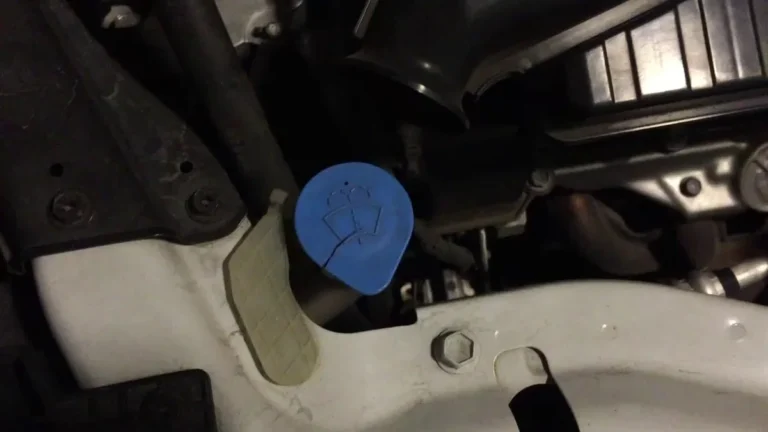
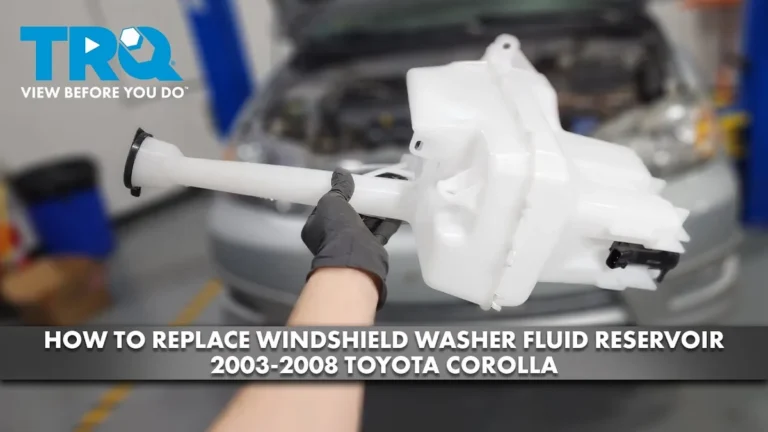
The reservoir is usually a white or translucent plastic tank with a windshield symbol on the cap. It’s often near the firewall on the driver’s side, but this varies by make and model. Your owner’s manual will have the exact location.
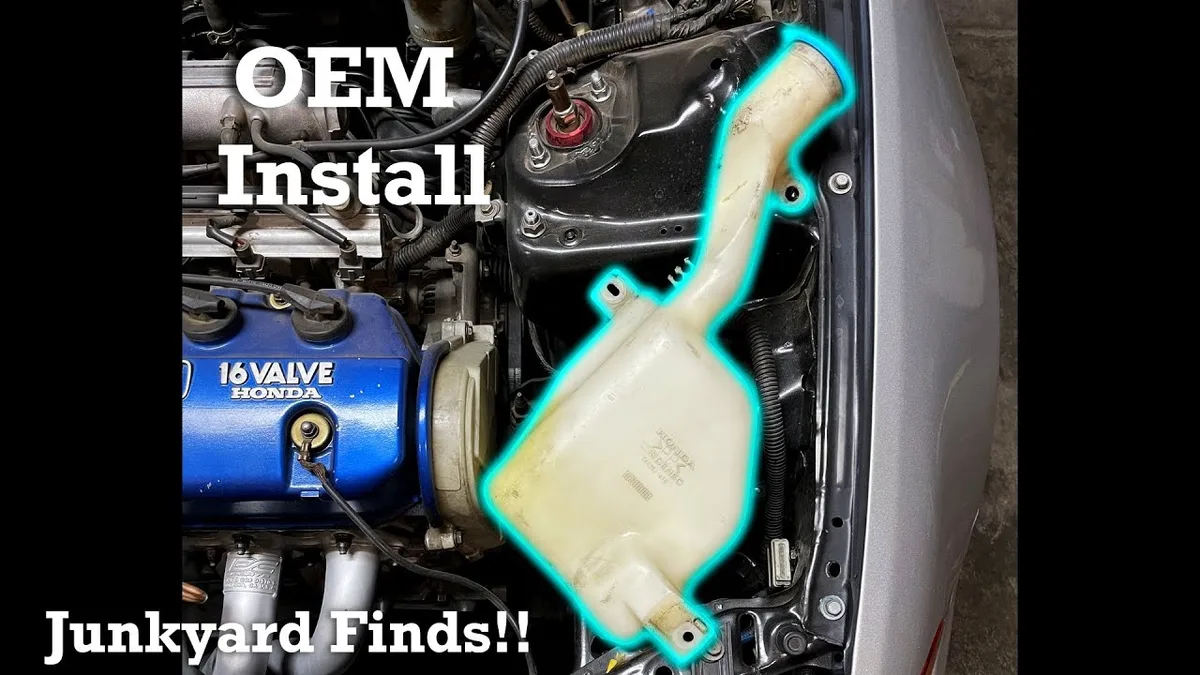
If you can’t find it, look for a cap with a windshield icon or the word “washer.” Some European cars have the reservoir under a panel in the trunk or near the spare tire.
Step-by-Step: Filling the Reservoir the Right Way
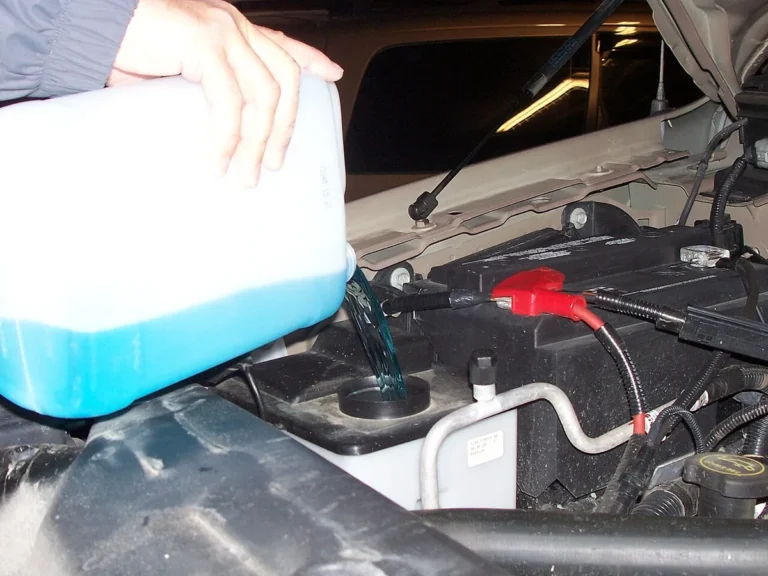
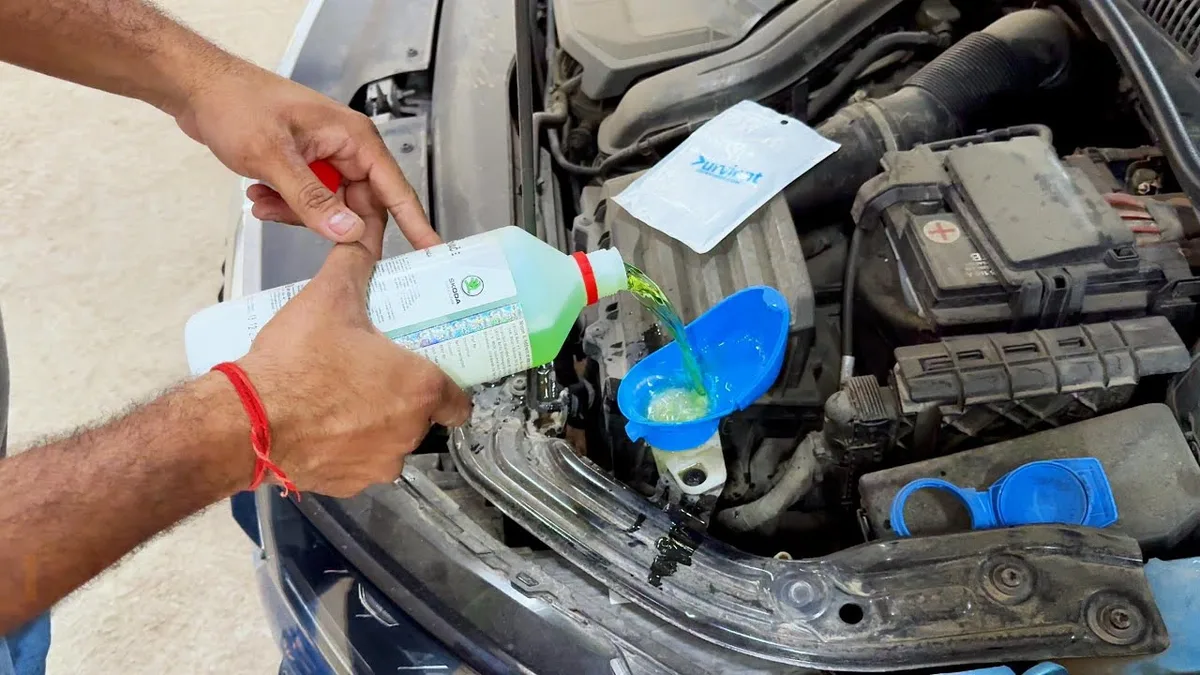
Start with the car parked on a level surface and the engine off. Open the hood and secure it. Locate the reservoir and remove the cap.
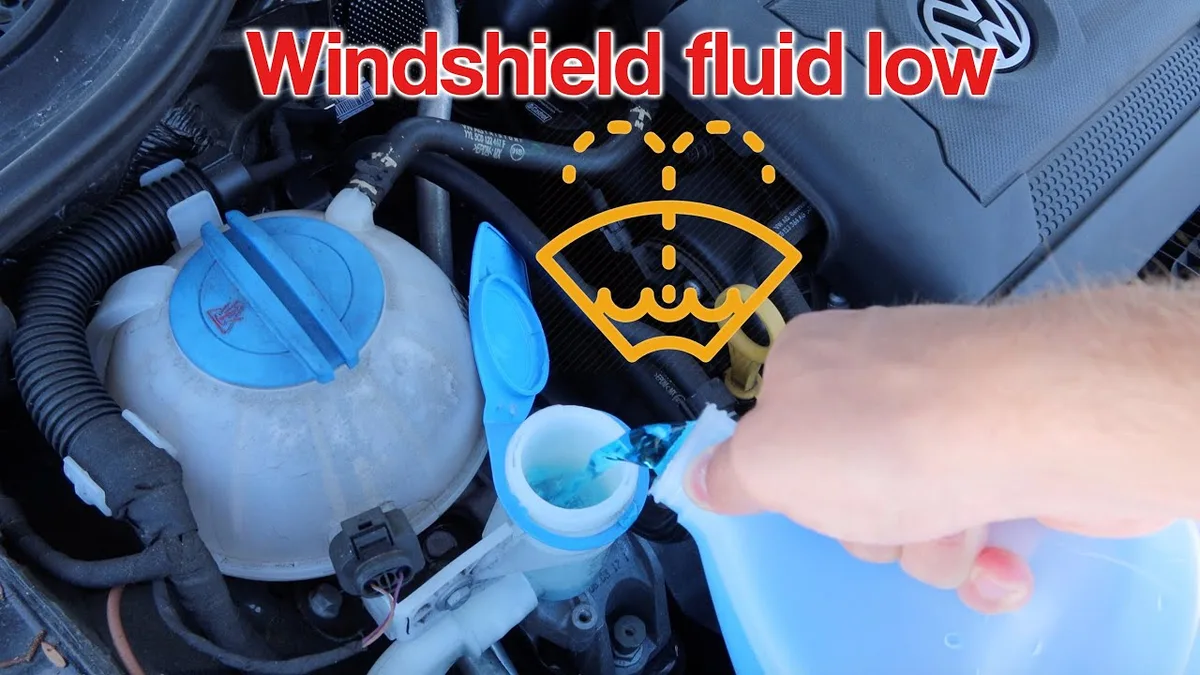
Pour the fluid slowly to avoid overfilling. Most reservoirs have a “full” line, but if not, stop when the fluid is about an inch from the top. If you’re using a concentrate, mix it with distilled water per the bottle’s instructions, usually a 1:1 ratio.
Replace the cap tightly and close the hood. Before driving, test the sprayers by pulling the washer lever. If the fluid doesn’t spray, check for clogs or a loose connection.
Why Filling Windshield Fluid Correctly Matters
Visibility is non-negotiable when you’re behind the wheel. A dry washer system leaves you unable to clear mud, salt, or bug splatter, which can obscure your view in seconds. Using the wrong fluid can also cause problems.
For example, summer fluid may freeze in winter, while winter fluid might not clean as effectively in warm weather.
Per NHTSA guidelines, maintaining clear visibility is a key safety practice. A properly filled washer system ensures you can react quickly to road debris or sudden weather changes.
Summer vs. Winter Washer Fluid: Which to Use
Summer fluids excel at cutting through bug splatter and road tar. Winter fluids contain antifreeze to prevent freezing down to -20°F or lower. All-season fluids split the difference but may not perform as well in extremes.

Check your local climate. If temperatures drop below freezing, winter fluid is a must. In warmer areas, summer fluid keeps your windshield cleaner with less streaking.
Common Mistakes That Damage Your System
Using tap water is the top offender. Minerals build up in the nozzles and pump, leading to clogs or failure. Mixing fluid types can cause chemical reactions that gel or lose effectiveness.
Overfilling the reservoir creates pressure issues and potential leaks. Ignoring a clogged nozzle means reduced spray power when you need it most.
What to Do If the Fluid Won’t Spray
First, check the reservoir level. If it’s full but nothing comes out, the nozzles may be clogged. Use a pin or needle to clear the tiny holes at the nozzle tips.
If the pump isn’t running, listen for a humming sound when you pull the washer lever. No sound often means a blown fuse or faulty pump.
Safety & Maintenance Tips to Avoid Costly Repairs
Never use undiluted concentrate. It can damage seals and hoses over time. Stick to pre-mixed fluid unless you’re certain of the correct ratio.
Inspect the reservoir and hoses for cracks or leaks during regular maintenance. Replace any damaged parts immediately.
When to See a Mechanic Instead of DIY
If the washer pump fails to activate, it may need replacement. This job often requires removing interior panels or the bumper, which is best left to professionals.
Persistent clogs in the system or multiple nozzle failures suggest deeper issues. A mechanic can flush the entire system and replace damaged components.
Frequently Asked Questions
Can I use water instead of washer fluid?
No. Tap water freezes in cold weather and leaves mineral deposits that clog nozzles. Distilled water is slightly better but still lacks cleaning power and freeze protection.
How often should I refill the washer fluid?
Check the level monthly and top off as needed. Heavy use in winter or dusty conditions may require more frequent refills.
Why does my washer fluid smell bad?
Old or contaminated fluid can develop an odor. Drain and refill with fresh fluid if the smell persists.
What if the fluid sprays unevenly?
Clogged nozzles are the usual cause. Clean them with a pin or compressed air. If the problem continues, check for a kinked hose or failing pump.
Can I mix different brands of washer fluid?
Yes, as long as they’re the same type (summer, winter, or all-season). Mixing different types can reduce effectiveness or cause gelling.