ByMax Lee
Do You Need to Turn Off Your Car at a Drive-Thru?
You’ve probably sat in a drive-thru wondering when i go through a drive though car was do i need to turn my car off. The short answer is it depends on your car, the wait time, and local rules. Most modern gas cars can idle briefly without harm, but EVs and hybrids have different considerations.
In our research, the U.S. Department of Energy notes that idling for more than 10 seconds uses more fuel than restarting the engine. That’s a key factor when deciding whether to shut it down.
YouTube / MagicofRahat (YouTube thumbnail (fair-use with source credit))
Quick Answer
When i go through a drive though car was do i need to turn my car off? It depends.
Turn it off for long waits.
Leave it running for short stops.
EVs and hybrids may need special handling.
Why Idling in a Drive-Thru Even Matters
Idling wastes fuel and creates unnecessary emissions. The U.S. Department of Energy states that idling for more than 10 seconds burns more fuel than restarting your engine.
This is especially relevant in drive-thrus where wait times can stretch beyond a minute or two.

Wikimedia Commons / Bambizoe from Dresden, Germany This image was originally posted to Flickr by Bambizoe at https://flickr.com/photos/30533963@N02/49131913808 (archive). It was reviewed on 5 December 2019 by FlickreviewR 2 and was confirmed to be licensed under the terms of the cc-zero. 5 December 2019
Carbon monoxide from idling can also be a health risk in enclosed or poorly ventilated drive-thrus. While rare, prolonged exposure in tight spaces can lead to headaches or dizziness. Staff at drive-thrus often prefer you turn off your engine to reduce fumes in their workspace.
When You Should Turn Your Car Off
If you’re waiting more than 30 seconds, turn off the engine. This saves fuel and reduces emissions, aligning with recommendations from the EPA. It’s also the polite choice if you’re in a crowded or enclosed drive-thru lane.
For older cars, idling can cause unnecessary wear on the engine over time. Modern fuel-injected engines are designed to handle frequent restarts without damage. If you’re in a hybrid, turning off the engine at a stop is already part of its design.
When It’s Fine to Leave It Running
For very short stops, like pulling up to the speaker or quickly paying, leaving the car running is fine. The fuel used in those few seconds is minimal, and restarting the engine isn’t worth the hassle.
If you’re in an open-air drive-thru with no one nearby, idling briefly won’t cause harm. Some drive-thrus even have signs asking you to keep your engine running for efficiency. In cold weather, leaving the car on to maintain heat or defrost the windows is understandable.
Special Cases: EVs, Hybrids, and Long Waits
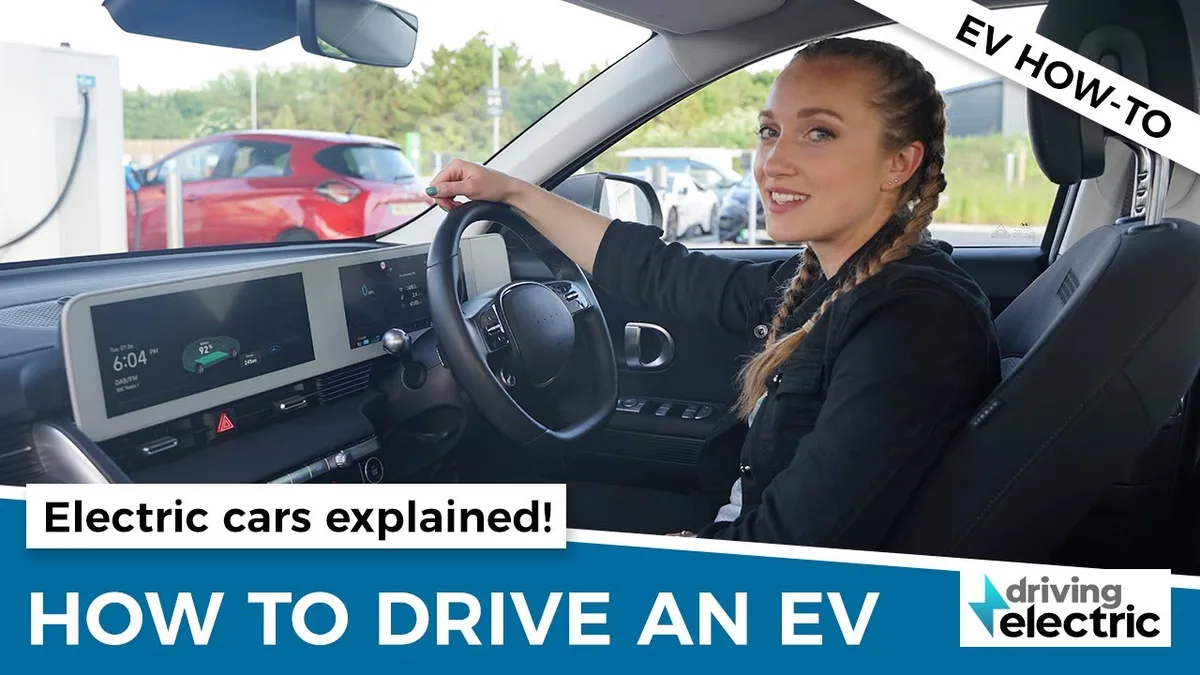
Electric vehicles (EVs) don’t idle in the traditional sense, but they still consume battery power if accessories like the radio or AC are on. If you’re in an EV and the wait is long, turning off the climate control can preserve range.
YouTube / DrivingElectric (YouTube thumbnail (fair-use with source credit))
Hybrids often automatically shut off the engine when stationary, so you may not need to do anything. However, if your hybrid doesn’t have this feature, the same rules apply as for gas cars. For long waits in any vehicle, turning off the engine is the most efficient choice.
What Happens If You Don’t Turn It Off?
You’ll burn unnecessary fuel. A typical gas engine consumes about 0.1 to 0.2 gallons of fuel per hour while idling. That adds up over multiple drive-thru visits.
You’ll also contribute to air pollution. The EPA estimates that idling from personal vehicles produces millions of tons of CO2 annually. In enclosed drive-thrus, this can create poor air quality for both you and the staff.
Drive-Thru Etiquette: What Staff Actually Want You to Do
Most drive-thru employees prefer you turn off your engine. It reduces fumes in their workspace and keeps the line moving efficiently. Some locations even post signs asking customers to do so.
YouTube / Digital Dreams (YouTube thumbnail (fair-use with source credit))
If you’re unsure, watch what other drivers do. In busy urban areas, turning off your car is often the norm. In rural drive-thrus with shorter waits, leaving it running may be acceptable.
Local Laws: Where Idling Is Illegal (or Frowned Upon)
Some states and cities have strict idling laws. In California, idling for more than 30 seconds is illegal in most cases. New York City has similar restrictions, with fines for excessive idling.
Other areas may not have laws but still discourage idling. Schools, hospitals, and government buildings often have their own rules. Always check local regulations if you’re unsure.
How to Decide in 10 Seconds or Less
Ask yourself three quick questions. Is the wait longer than 30 seconds? Are you in an enclosed space?
Is your car an EV or hybrid?
If you answered yes to any of these, turn off your engine. Otherwise, leaving it running is usually fine. This simple rule keeps you efficient and considerate.
Common Mistakes People Make in Drive-Thrus
Many drivers leave their car running out of habit. This wastes fuel and creates unnecessary emissions. Others turn off their engine but forget to restart it when it’s time to move, causing delays.
Some EV owners don’t realize their climate control still drains the battery. Always check your settings if you’re waiting longer than expected.
Pro Tips for a Smoother Drive-Thru Experience
Use your car’s auto start-stop feature if it has one. This automatically shuts off the engine when stationary and restarts it when you press the gas. It’s designed for exactly these kinds of situations.
If you’re in a manual transmission, put the car in neutral and engage the parking brake. This prevents accidental rolling while you wait. For automatics, just keep your foot on the brake.
Frequently Asked Questions
Does idling damage my engine?
No, brief idling won’t harm a modern engine. However, excessive idling can cause unnecessary wear over time. The EPA recommends turning off your engine if you’ll be stopped for more than 30 seconds.
Should I turn off my car if I’m using the AC?
It depends on the wait time. For short stops, leaving the AC on is fine. For longer waits, consider turning it off to save fuel and reduce emissions.
Can I get a ticket for idling in a drive-thru?
In some areas, yes. Cities like New York and states like California have strict idling laws. Fines can range from $50 to several hundred dollars for repeat offenses.
Is it rude to leave my car running?
It can be. Drive-thru staff often prefer you turn off your engine to reduce fumes. If you’re in an enclosed space, it’s especially considerate to shut it down.
What about electric cars?
EVs don’t idle like gas cars, but accessories like AC still drain the battery. If you’re waiting a while, turn off climate control to preserve range. Some newer EVs have a "drive-thru mode" that optimizes power use.