White cars don’t show all dirt the same way. The answer to “do white cars show dirt” depends on the type of grime and the paint finish. Light-colored dust blends in, but dark mud or water spots stand out.
Manufacturer paint specs and real-world tests confirm this: white hides pollen and road dust better than dark colors, but struggles with tar, bird droppings, and wet stains.
Quick Answer
White cars hide light dirt well. Dark dirt shows up fast. Glossy finishes make it worse.
Matte white hides more.
The Quick Answer: It Depends on the Dirt
White cars are a mixed bag. They excel at hiding light-colored debris like dust and pollen, which scatter less against the bright surface. But dark stains, mud, tar, or bird droppings, pop immediately.
The science is simple: contrast. White reflects most light, so dark particles create sharp visual edges. Lighter grime, like road dust, blends into the paint.
As of 2026, automotive paint standards from organizations like SAE International still use this contrast principle for visibility testing.
Why White Cars Hide Some Dirt (But Not All)
White paint reflects up to 80% of sunlight. That means light-colored dirt, which also reflects light, doesn’t create much contrast. Dust, pollen, and light road grime often disappear against white until they build up.
But dark dirt tells a different story. Mud, tar, and wet stains absorb light, creating high contrast against the reflective white surface. That’s why a white car can look clean after a dusty drive but filthy after a rainstorm.
The Two Types of Dirt That Matter Most
Light-colored dirt
- Dust
- Pollen
- Dry road grime
- Salt residue (when dry)
Dark-colored dirt
- Mud
- Tar
- Bird droppings
- Wet stains
- Water spots
White cars handle the first group well. The second group is their weakness.
How Paint Finish Changes the Game
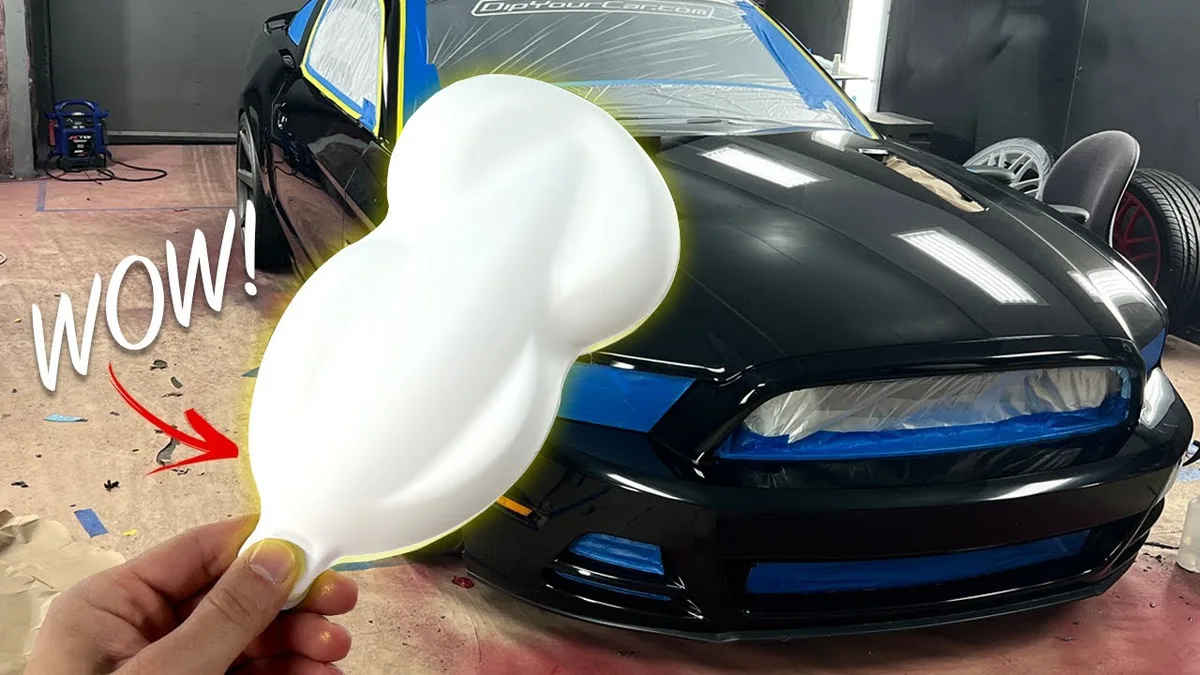
Glossy white paint amplifies visibility of all dirt. The smooth, reflective surface makes every speck stand out, especially under direct sunlight. That’s why a reliable wash setup helps maintain the finish.
Matte or satin white finishes scatter light differently. They hide minor scratches and light dirt better but show water spots more clearly. The trade-off is real: less shine, but more forgiveness for daily grime.
White vs. Dark Cars: The Real Visibility Test
Dark cars show light dirt immediately. A black car covered in dust looks gray within hours. White cars, on the other hand, can go days without looking dirty in the same conditions.
But flip the script. After a muddy off-road trip or a drive through fresh rain, the white car will look worse faster. Dark cars hide dark dirt better, just like white cars hide light dirt.
When White Cars Do Look Dirty Faster
Mud is the worst offender. A single splash of dark mud on white paint creates an immediate eyesore. Tar and bird droppings follow close behind, as their dark pigments contrast sharply against the bright surface.
Wet conditions make it worse. Water spots from hard water leave mineral deposits that stand out on white. Even light rain can turn dust into visible streaks.
The Best (and Worst) Conditions for White Cars
Urban driving favors white. Dust and light pollution blend in better than on dark cars. Rural roads with mud or gravel are less forgiving.
Seasonal changes matter too. Pollen in spring and road salt in winter both show up more on white. But in dry, dusty climates, white cars often stay looking cleaner longer than dark ones.
How to Keep a White Car Looking Cleaner Longer
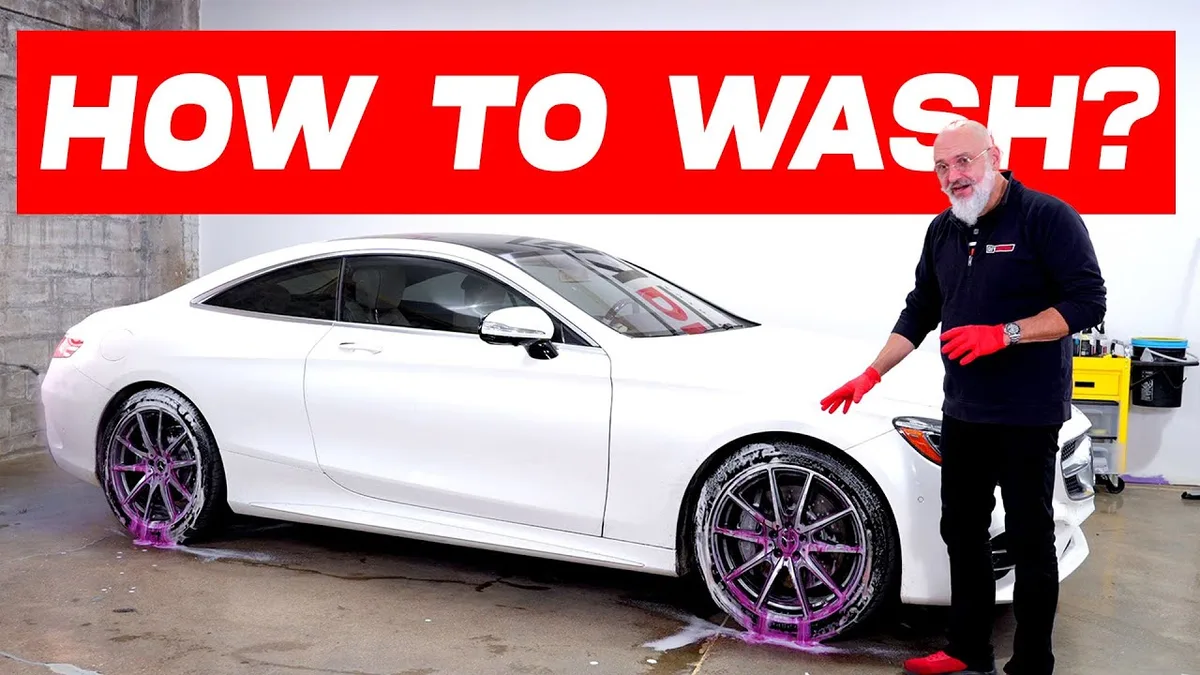
Regular washing is key. A weekly rinse removes light dirt before it builds up. Use a quality soap for the best results.
Drying technique prevents water spots. Microfiber towels and a quick dry after washing stop minerals from settling. Waxing every few months adds a protective layer that repels dirt.
Common Mistakes That Make White Cars Look Worse
Using harsh brushes or sponges creates swirl marks. These fine scratches catch light and make the car look dull even when clean.
Skipping the rinse before washing grinds dirt into the paint. Always pre-rinse to lift loose grime. Letting bird droppings sit too long can etch the clear coat, leaving permanent marks.
White Car Maintenance: What Actually Works
Ceramic coatings offer the best long-term protection. They create a hydrophobic surface that sheds water and dirt. But they require professional application and cost more upfront.
For DIY care, a good wash mitt and pH-balanced soap preserve the finish. Avoid automatic car washes with stiff brushes, as they can scratch the paint. Hand washing with the right tools keeps white cars looking their best.
Final Verdict: Should You Get a White Car?
If you drive mostly in dry, dusty areas, white is a smart choice. It hides light dirt better than any other color. But if you frequently deal with mud, rain, or bird droppings, expect to wash it more often.
The paint finish matters just as much as the color. Glossy white shows every imperfection, while matte or satin finishes offer more forgiveness for daily grime.
Frequently Asked Questions
Do white cars stay cleaner than black cars?
Yes, in most cases. White hides light dirt like dust and pollen, while black shows it immediately. But black hides dark dirt better, so the advantage depends on your environment.
Why do white cars show water spots so clearly?
White paint reflects light strongly. When water evaporates, it leaves mineral deposits that create high contrast against the bright surface. Hard water makes this worse.
Is matte white better at hiding dirt than glossy white?
Yes, for some types of dirt. Matte finishes scatter light, which helps hide minor scratches and light grime. But they show water spots more clearly than glossy finishes.
How often should you wash a white car?
Once a week is ideal for most conditions. In dusty areas, you might stretch it to two weeks. After rain or mud exposure, wash it immediately to prevent stains.
Does white paint scratch more easily?
No, but scratches show up more. The contrast between the white paint and the exposed primer or metal makes them more visible. Darker colors hide scratches better.