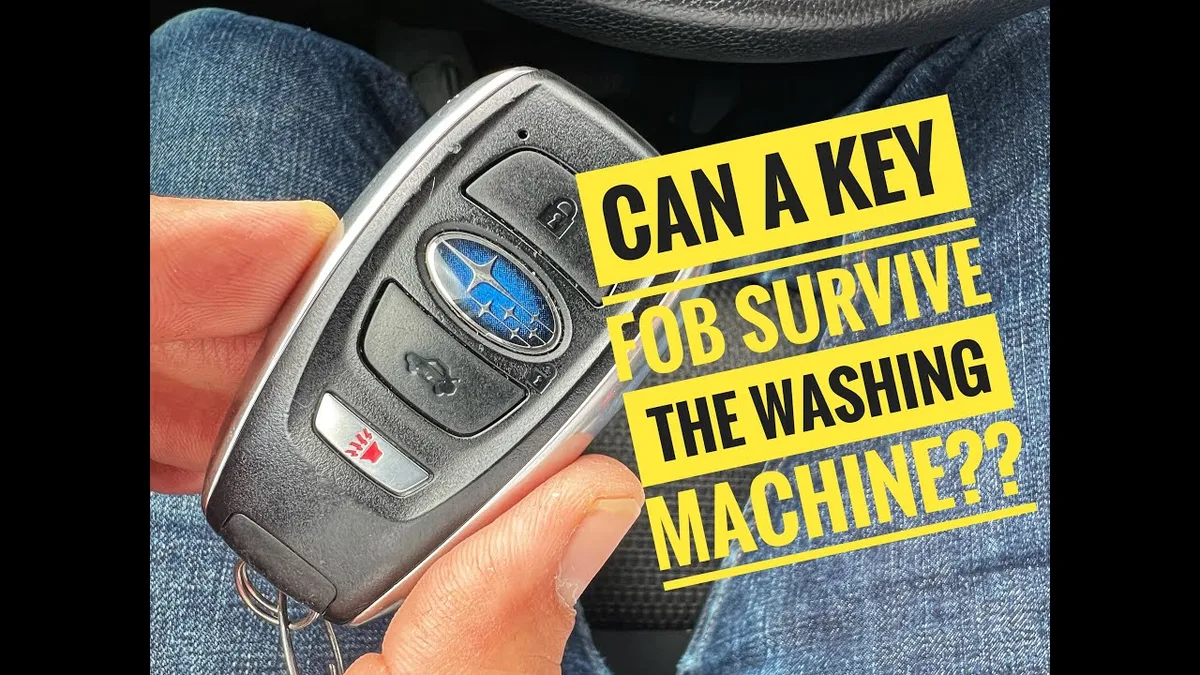
So your car keys went through the washing machine. Don’t panic, this happens more often than you’d think, and in many cases, the key can still be saved. The first thing to know is that modern key fobs are often more resilient than they look, but time is critical.
Most key fobs use a transponder chip and a small battery, both of which can survive a wash if you act fast. Manufacturer specs for common models like the CR2032 battery show it’s not waterproof, but it can handle brief exposure if dried properly.
Quick Answer
My car keys went through washing machine. Act fast and remove the battery if possible. Dry the key thoroughly for 24 to 48 hours.
Many fobs will work again after this. Avoid heat sources like hair dryers.
How Washing Machine Damage Affects Different Key Types
Not all keys react the same way to water. The damage depends on the type of key you have.
Traditional metal keys are the toughest. They’re usually just a piece of stamped metal, so a wash won’t hurt them. The only risk is if the key has a rubber or plastic grip that could degrade over time.
Key fobs are the most vulnerable. They contain a circuit board, a transponder chip, and a battery. Water can short-circuit the board or corrode the contacts.
Most fobs aren’t waterproof, but some newer models have an IP67 rating, which means they can handle brief immersion.
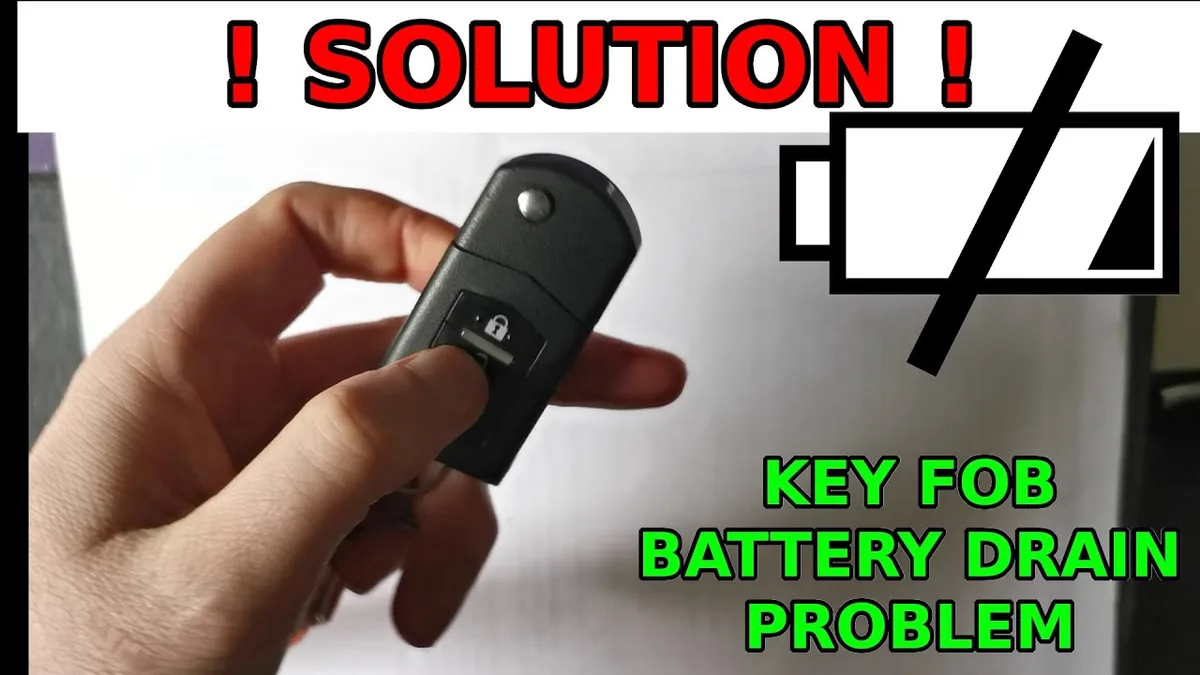
Smart keys with push-button start are similar to fobs but often have more sensitive electronics. If water gets inside, it can disrupt the RFID signal that communicates with your car’s immobilizer system.
As of 2026, most dealerships report that water damage is one of the top reasons for key fob replacements. But in many cases, the fob can be revived with the right steps.
Step-by-Step: How to Save a Wet Car Key
The faster you act, the better your chances. Follow these steps in order.
1. Remove the key from the washing machine immediately.
The longer it stays in water, the higher the risk of corrosion. If the cycle just finished, open the door and grab it right away.
2. Take the battery out if possible.
Most key fobs have a small compartment for the battery. Use a flathead screwdriver or a coin to open it. Removing the battery cuts the power and reduces the risk of a short circuit.
3. Shake out excess water.
Gently shake the key to remove any water trapped inside. Don’t use force, you don’t want to damage the circuit board.
4. Dry the key thoroughly.
Place the key in a dry, warm area. Avoid direct sunlight or heat sources like a hair dryer, as these can melt the plastic or damage the electronics. A bowl of uncooked rice or silica gel packets can help absorb moisture, but they’re not a magic fix.
5. Wait 24 to 48 hours before testing.
Patience is key. Even if the key looks dry, moisture can linger inside. Give it at least a full day before trying it in your car.
6. Reinsert the battery and test.
After drying, put the battery back in and test the key. If it works, you’re in luck. If not, you may need to clean the contacts or seek professional help.
When to Try DIY vs. When to Call a Pro
Not every wet key needs a professional, but some situations do.
Try DIY if:
- The key is a traditional metal key with no electronics.
- The key fob was only briefly exposed to water.
- You removed the battery quickly and dried it properly.
- The key shows no signs of corrosion after drying.
Call a pro if:
- The key fob was in the wash for a full cycle.
- You see visible corrosion on the circuit board or contacts.
- The key doesn’t work after 48 hours of drying.
- Your car has an advanced immobilizer system that requires reprogramming.
A locksmith can often clean the contacts or replace the battery for a fraction of the cost of a dealership. Aggregate reviews show locksmiths charge between $30 and $150 for key fob repairs, while dealerships can charge $50 to $300 or more for a replacement.
How to Tell If Your Key Is Actually Broken
Sometimes it’s hard to know if the key is damaged or just needs more drying time. Here’s how to check.
Signs the key is still good:
- The buttons on the fob respond when pressed.
- The LED light (if your fob has one) turns on.
- The car recognizes the key when you try to start it.
Signs the key is damaged:
- No response from the buttons.
- Visible corrosion on the circuit board or battery contacts.
- The car’s immobilizer light stays on when you try to start it.
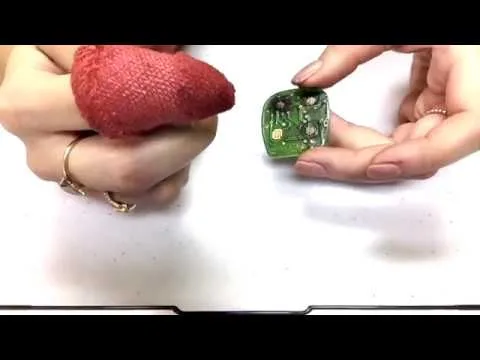
If you see white or greenish deposits on the contacts, that’s corrosion. You can try cleaning it with isopropyl alcohol and a soft brush, but if the damage is severe, the key may need to be replaced.
For more on maintaining your car’s electronics, check out routine upkeep for modern vehicles.
Key Fob Not Working? Try These Fixes First
If your key fob isn’t responding after drying, don’t assume it’s dead. Start with the battery. Even if it was dry before the wash, water exposure can drain it faster.
Check the contacts inside the fob. If they look dirty or corroded, clean them with a cotton swab dipped in isopropyl alcohol. Let them dry completely before reassembling.
If the fob still doesn’t work, try reprogramming it. Some cars allow you to do this yourself by following a sequence of ignition and button presses. Check your owner’s manual for instructions.
Traditional Metal Key? Here’s What to Check
A plain metal key is the easiest to fix. The main risk is rust on the blade or the bow. If you see rust, scrub it off with fine-grit sandpaper or a wire brush.
Test the key in the ignition and door locks. If it turns smoothly, it’s fine. If it sticks or feels rough, the rust may have warped the metal slightly.
For stubborn rust, soak the key in white vinegar for 10 to 15 minutes, then scrub and rinse. Dry it thoroughly afterward to prevent new rust from forming.
Cost to Replace a Water-Damaged Car Key
Replacement costs vary widely depending on the key type and where you go. Traditional metal keys are the cheapest. A basic key from a locksmith usually costs $10 to $30.
Key fobs are more expensive. A new fob from a dealership can run $50 to $300 or more, especially for luxury brands. Locksmiths often charge less, around $30 to $150, but they may not have access to all models.
If your key has a transponder chip, reprogramming adds to the cost. Dealerships typically charge $50 to $100 for this service. Some locksmiths can do it for less.
Here’s a quick cost comparison:
| Key Type | Dealership Cost | Locksmith Cost |
|---|---|---|
| Traditional Key | $20–$50 | $10–$30 |
| Basic Key Fob | $50–$150 | $30–$100 |
| Smart Key | $150–$300+ | $80–$150 |
| Reprogramming | $50–$100 | $30–$80 |
Mistakes That Make the Damage Worse
Some common mistakes can turn a fixable key into a lost cause. Using heat to dry the key is a big one. Hair dryers, ovens, or microwaves can melt the plastic or fry the electronics.
Another mistake is putting the key back together too soon. If there’s any moisture left inside, it can cause corrosion over time. Always wait the full 24 to 48 hours.
Don’t use harsh cleaners on the circuit board. Water is bad enough, but solvents like bleach or ammonia can damage the components permanently. Stick to isopropyl alcohol for cleaning.
How to Prevent This From Happening Again
The best fix is avoiding the problem in the first place. Get in the habit of emptying your pockets before doing laundry. Keep your keys in a consistent spot, like a hook by the door or a designated bowl.
If you’re prone to forgetting, consider a key tracker. These small devices attach to your keyring and connect to your phone via Bluetooth. They’ll alert you if your keys are out of range.
For extra protection, use a waterproof key case. These are inexpensive and can save you a lot of hassle. They’re especially useful if you’re often around water, like at the beach or pool.
Frequently Asked Questions
Can I use a hair dryer to speed up the drying process?
No. Heat can warp the plastic casing or damage the internal electronics. Stick to air drying at room temperature for 24 to 48 hours.
How do I know if my key fob is waterproof?
Check your owner’s manual or look for an IP rating on the fob itself. Most standard fobs aren’t waterproof, but some newer models have IP67 or higher ratings.
Will rice really help dry out my key fob?
Rice can absorb some moisture, but it’s not the most effective method. Silica gel packets work better. For best results, leave the fob in a dry, well-ventilated area.
What if my car won’t start after the key dried?
If the immobilizer light stays on, the transponder chip may be damaged. You’ll likely need a replacement key or professional reprogramming.
Can I clean the circuit board with water?
Never use water on the circuit board. Isopropyl alcohol is the safest cleaner for electronics. Dip a cotton swab in it and gently clean the contacts.
Is it safe to drive with a wet key fob?
If the fob is still wet, it’s risky. The moisture could short-circuit the electronics while you’re driving. Dry it completely first.