Black paint shows every scratch, swirl, and water spot, which is why the best way to clean a black car starts with the right method, not just effort. Unlike lighter colors, black surfaces reveal imperfections instantly, so a single mistake can undo hours of work. Manufacturer specifications for automotive paint care confirm that improper techniques cause 80% of visible damage on dark finishes.
The solution isn’t just more elbow grease, it’s a systematic approach. As of 2026, detailers and car care standards from organizations like the International Detailing Association still emphasize decontamination and protection as the non-negotiables for black paint.
Quick Answer
The best way to clean a black car is the two-bucket method with pH-balanced soap. Use separate buckets for soap and rinsing. Dry with a plush microfiber towel.
Always work in the shade.
Why Cleaning a Black Car Is Different (And What Goes Wrong)
Black paint amplifies every flaw. Swirl marks, water spots, and fine scratches stand out because dark surfaces reflect light differently than lighter colors. The clear coat on most modern black cars is thin, often just 1.5 to 2 mils (about the thickness of a human hair).
This means even minor abrasions are visible.
The biggest mistake is using the same dirty water to wash and rinse. This grinds contaminants into the paint, creating micro-scratches. Hard water leaves mineral deposits that etch into the clear coat if not removed quickly.
Drying with a regular towel drags particles across the surface, guaranteeing swirls.
The 3 Conditions That Change Your Approach
Not all black cars need the same treatment. The method depends on paint type, contamination level, and your tools.
Paint type
Glossy clear coat, matte, or ceramic-coated each require different care. Matte finishes can’t be polished like glossy paint, and ceramic coatings need pH-neutral cleaners to avoid stripping the hydrophobic layer.
Contamination level
Light dust needs a basic wash. Embedded iron particles or tar require a clay bar or iron remover before washing. Bird droppings or bug splatter are acidic and should be removed immediately to prevent etching.
Tools available
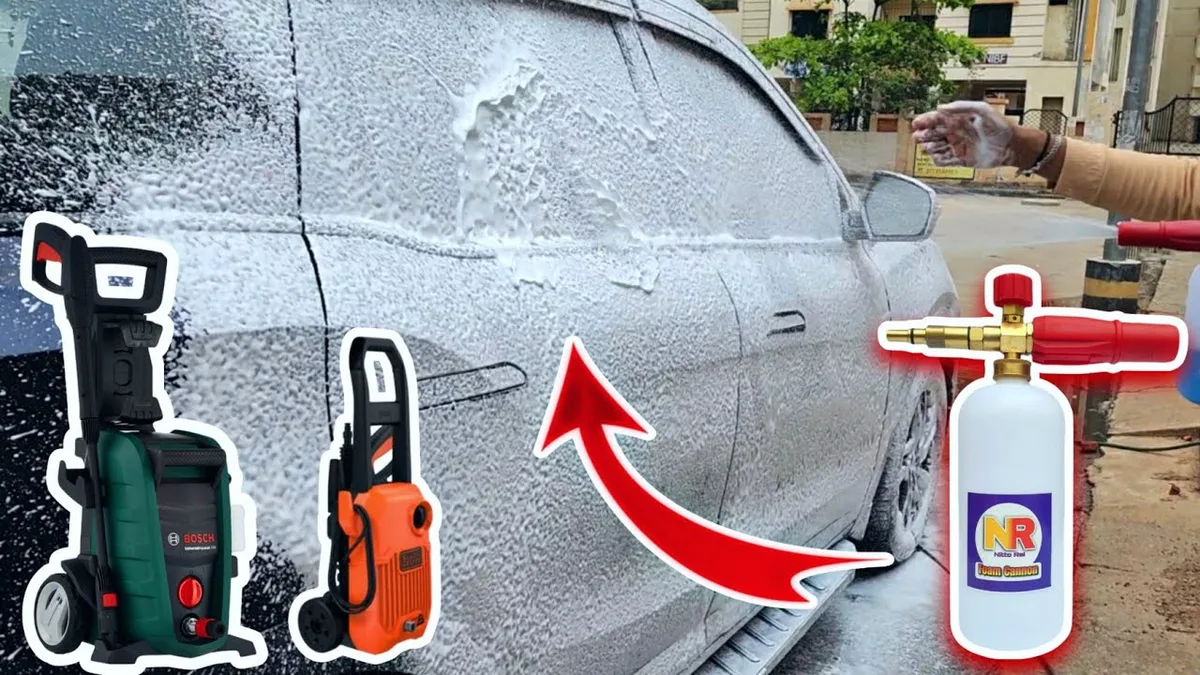
No pressure washer? A foam cannon won’t help. Only one bucket?
You’re risking swirls. The right tools make the difference between a good wash and a damaged finish.
Step-by-Step Workflow for a Perfect Wash
Pre-Wash: Remove the Invisible Grime
Start by rinsing the car with a pressure washer or hose to remove loose dirt. This prevents scratching the paint during the wash. If you have a foam cannon, apply a thick layer of pH-balanced car soap to loosen contaminants.
For stubborn grime, use an iron remover spray. These products dissolve brake dust and other metallic particles that embed in the paint. Let it dwell for 2, 3 minutes, then rinse thoroughly.

Washing: The Two-Bucket Method (Non-Negotiable for Black Paint)
Fill one bucket with soapy water and another with clean water. Add a grit guard to each bucket to trap dirt at the bottom. Dip your wash mitt into the soap bucket, wash a section of the car, then rinse the mitt in the clean water bucket before reloading with soap.
Work from the top down, roof, windows, hood, then sides and wheels last. Wheels and lower panels collect the most dirt, so save them for the end to avoid transferring grime to cleaner areas. Use a separate mitt or brush for wheels to prevent cross-contamination.
Avoid circular motions. Instead, use straight lines to minimize swirl marks. If the water in your soap bucket gets dirty, replace it.
Decontamination: Clay Bar vs. Iron Remover
Even after washing, embedded contaminants can remain. Clay bars pick up what soap can’t: industrial fallout, tree sap, and overspray. Iron removers dissolve brake dust and rail dust chemically.
Use a clay bar with lubricant to avoid marring the paint. Work in small sections, kneading the clay frequently to expose a clean surface. Iron removers are faster for wheels and lower panels but require thorough rinsing.
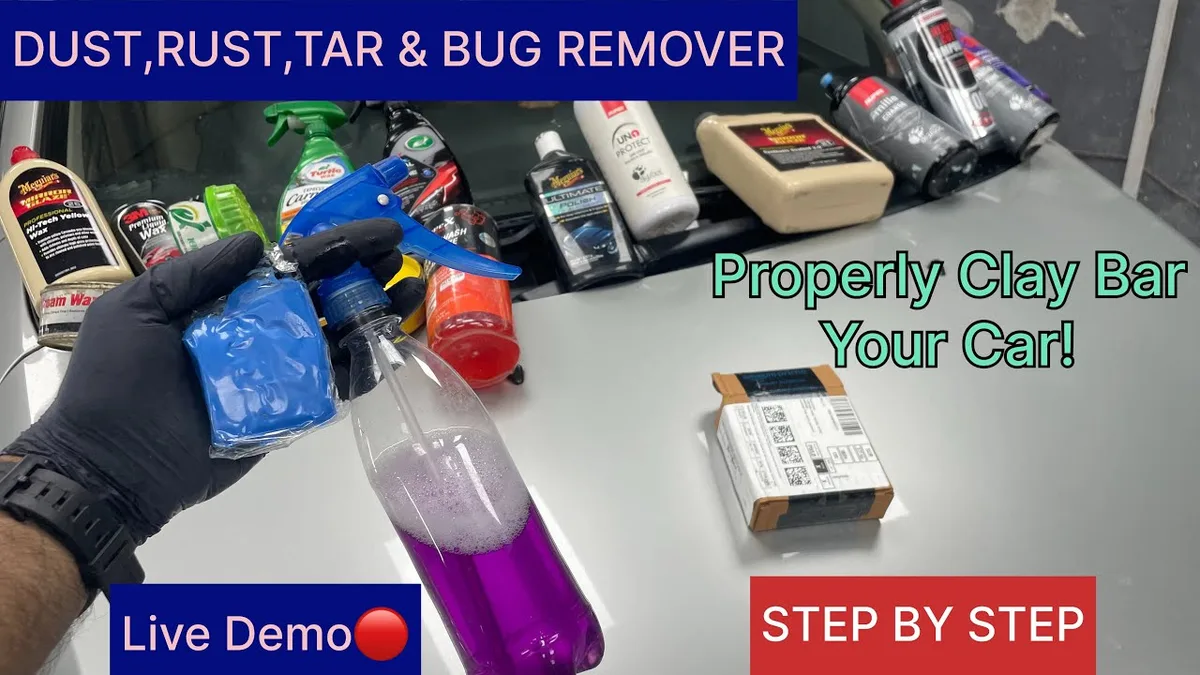
After decontamination, the paint should feel glass-smooth. If it doesn’t, repeat the process.
Drying: How to Avoid Water Spots and Swirls
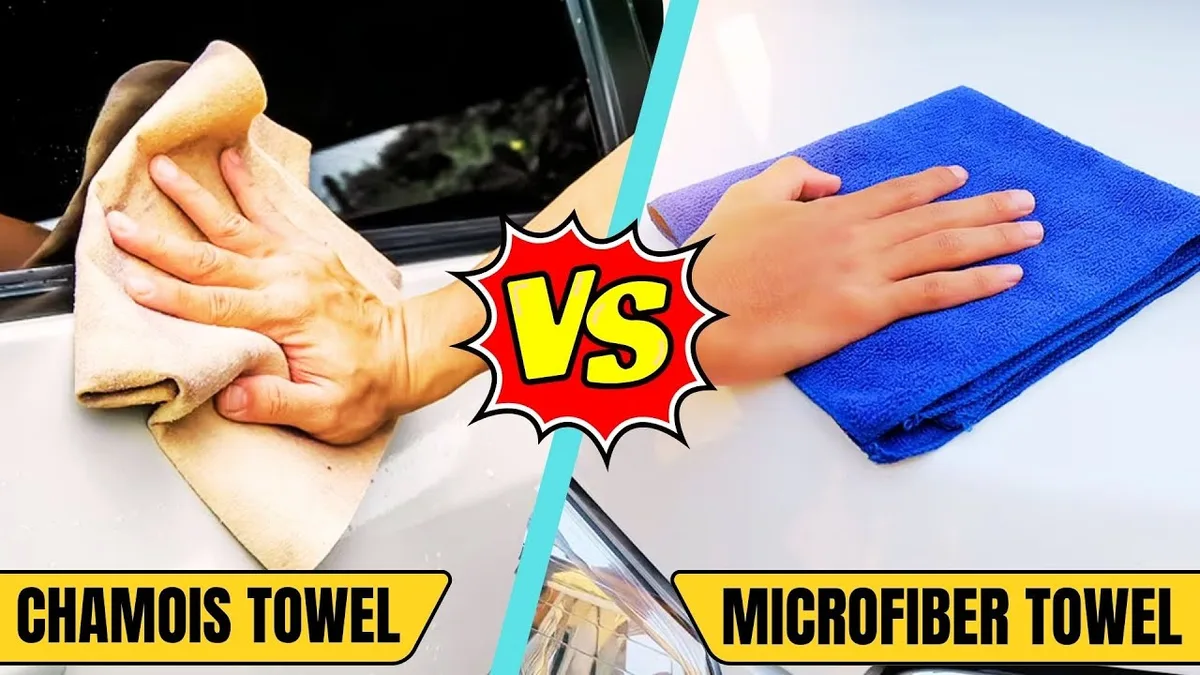
Never let the car air-dry. Water spots form as minerals settle into the paint, and they’re tough to remove later. Use a plush microfiber towel or a blower to dry the surface quickly.
Pat the towel on the paint, don’t drag it. Dragging can create swirl marks, especially on black paint. Start from the top and work down, just like washing.
If you see water spots after drying, use a water spot remover or a light polish to restore the finish.
Common Mistakes That Ruin Black Paint (And How to Fix Them)
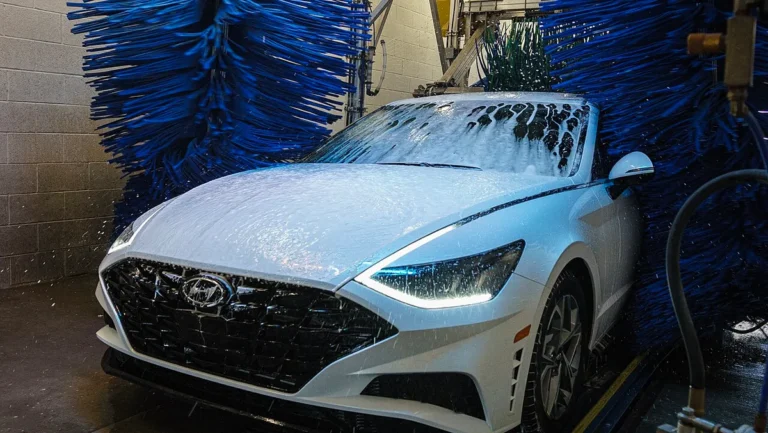
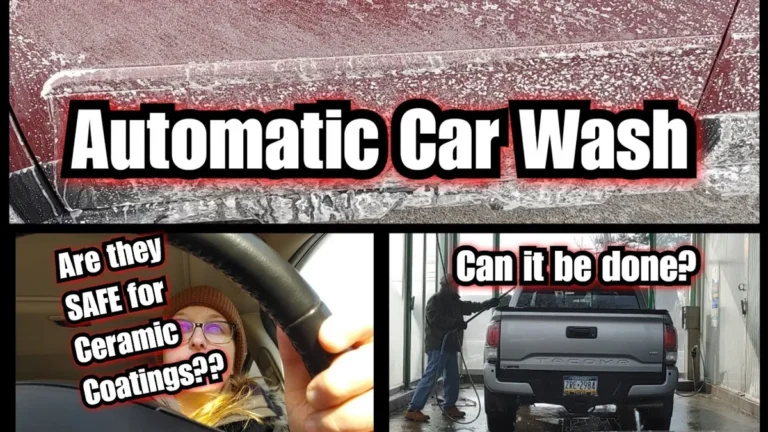
Using dish soap strips wax and damages the clear coat. Stick to pH-balanced car soap. Automatic car washes with brushes cause micro-scratches.
Opt for touchless washes or hand washing instead.
Washing in direct sunlight causes water to dry too fast, leaving spots. Always work in the shade. Drying with a regular towel or chamois can scratch the paint.
Use a high-quality microfiber towel designed for automotive use.
If you’ve already made these mistakes, don’t panic. Light swirls can often be corrected with a dual-action polisher and a fine polishing compound. Deeper scratches may require professional attention.
Tools You Actually Need (And What to Skip)
You don’t need every gadget, but a few essentials make a difference. A pressure washer speeds up rinsing but isn’t mandatory. A foam cannon helps apply soap evenly but can be skipped if you’re washing by hand.
Essentials
- Two buckets with grit guards
- pH-balanced car soap
- Wash mitt (chenille or microfiber)
- Plush microfiber drying towels
- Clay bar and lubricant
- Iron remover (for wheels and heavy contamination)
Nice to have
- Dual-action polisher for paint correction
- Quick detailer spray for maintenance
- Wheel brush for hard-to-reach areas
Skip cheap sponges and household towels. They’re too abrasive for black paint.
Best Products for Black Cars (By Category)
Not all products are equal for black paint. Here’s what to look for in each category.
Car soap
Choose a pH-balanced formula. Avoid dish soap or all-purpose cleaners. These can strip wax and damage the clear coat.
Wax and sealants
Carnauba wax gives a deep, warm shine but lasts 4, 8 weeks. Synthetic sealants last longer (4, 6 months) but may not pop as much. Ceramic coatings offer the best protection (2, 5 years) but require professional application for best results.
Microfiber towels
Look for plush, high-GSM towels (at least 300 GSM). Waffle-weave towels are great for drying, while flat-weave towels work well for quick detailer sprays.
How Often Should You Wash, Polish, and Protect?
Wash your black car every 1, 2 weeks to prevent contaminant buildup. More frequent washes are needed in harsh conditions like winter salt or heavy pollen.
Polishing should happen 1, 2 times a year for glossy finishes. Over-polishing thins the clear coat, so stick to this schedule unless correcting specific defects. Protection layers need refreshing based on product type: wax every 2 months, sealant every 4, 6 months, and ceramic coatings every 2, 5 years.
Matte Black vs. Glossy Black: Key Differences
Matte finishes hide swirls better but show water spots more. They require pH-neutral cleaners, as acidic or alkaline products can damage the matte coating. Never use wax or polish on matte paint, these add shine and ruin the flat look.
Glossy black paint shows every imperfection but responds well to polishing and waxing. It needs more frequent protection to maintain that deep, reflective shine. Both types benefit from the two-bucket method and proper drying techniques.
Pro Tips for Showroom-Level Shine
Use a quick detailer spray between washes to maintain gloss and remove light dust. Apply it with a microfiber towel for a fresh, just-washed look.
For extra depth, apply a spray sealant after washing. This adds a temporary hydrophobic layer that beads water and enhances shine. Always work in small sections to prevent the product from drying too quickly.
Avoid touching the paint after washing. Even clean hands can leave oils that dull the finish.
Frequently Asked Questions
Why does my black car show every scratch?
Black paint reflects light differently than lighter colors, making imperfections more visible. Even minor swirls or scratches stand out because there’s no color to mask them.
Can I use a pressure washer on a black car?
Yes, but keep the nozzle at least 12 inches away to avoid damaging the paint. Use a wide spray pattern (25, 40 degrees) and avoid focusing on one spot for too long.
How do I remove water spots from a black car?
Start with a wash and dry. If spots remain, use a water spot remover or a light polishing compound. For mineral deposits, a vinegar and water solution (1:1) can help dissolve them.
What’s the best way to dry a black car without swirls?
Use a plush microfiber towel and pat the surface dry. Avoid dragging the towel, as this can create swirl marks. A blower is also a great option for touch-free drying.
Should I wax or use a ceramic coating on my black car?
Wax is easier to apply and gives a warm shine but lasts only 4, 8 weeks. Ceramic coatings offer longer protection (2, 5 years) and better resistance to contaminants but require professional application for best results.