ByMax Lee
Guide to Colorado Air Care Emissions Testing Requirements for First Time Registration
Moving to Colorado and need to register a car for the first time? Maybe you just relocated for work, bought a used vehicle from an out-of-state seller, or inherited a family car you're bringing into the state. The Colorado Air Care emissions testing requirements for first time registration can feel like one more hurdle in an already long DMV to-do list.
But it doesn't have to be confusing.
Here's the short version. If you live in or are moving to any of the Front Range counties, your vehicle almost certainly needs a passing emissions test before you can get plates. As of 2026, the program covers nine counties along the urban corridor where air quality standards are federally mandated.
The test itself takes about 20 minutes and costs $25. Get it wrong, and you could face registration delays or even fines.
Quick Answer
Yes, you need an emissions test for first-time registration in Colorado. The rule covers all gasoline and diesel vehicles from model year 1975 and newer. The test costs $25 plus a $1.50 administrative fee.
You must get a passing certificate before the DMV will issue plates. The certificate is valid for one year.
Bing (Web (fair-use with source credit))
Who Needs to Test? Counties, Vehicle Types & Exemptions
Not every Colorado resident needs an emissions test. The testing program is limited to specific counties where ground-level ozone has been a persistent problem. If you live outside these areas, you can skip this step entirely.
Which Front Range Counties Require Air Care
The following counties are part of the Colorado Vehicle Emissions Inspection Program:
| County | Testing Required | Notes |
|---|---|---|
| Adams | Yes | Full county |
| Arapahoe | Yes | Full county |
| Boulder | Yes | Full county |
| Broomfield | Yes | Full county |
| Denver | Yes | Full county |
| Douglas | Yes | Full county |
| Jefferson | Yes | Full county |
| Larimer | Yes | Parts only |
| Weld | Yes | Parts only |
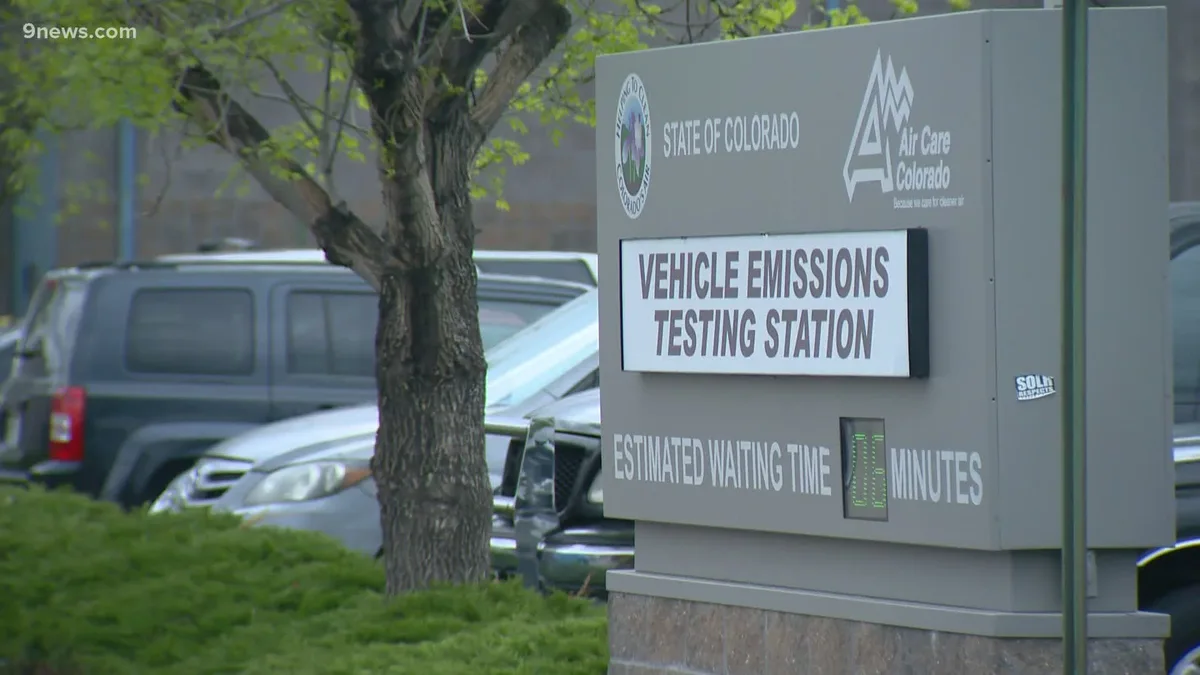
If your address falls in Larimer or Weld County, verify whether you are inside the testing zone. The local air quality programs use specific boundaries. Your street address determines eligibility.
Check your exact location on the Air Care Colorado website by entering your ZIP code.
Bing (Web (fair-use with source credit))
Collector Vehicles, Farm Trucks & Pre-1975 Cars
Some vehicles skip the test entirely. Here are the main exemptions:
- Pre-1975 vehicles: Model year 1974 or older is exempt. No test required.
- Collector vehicles: Vehicles with a collector plate designation are exempt. Apply for that plate type at the DMV first.
- Farm vehicles: Trucks registered with farm plates are exempt if they meet GVWR and use guidelines.
- Motorcycles: Motorcycles are not subject to emissions testing in Colorado.
- Electric vehicles: Full battery-electric vehicles (EVs) are exempt. Hybrids are not.
New Residents vs. In-State Purchases
If you are moving to Colorado from another state, get the emissions test before you register. The DMV will not issue plates without a passing certificate. The process is the same whether you bought the car last week or have owned it for 15 years.
If you buy a used car from a Colorado dealer, the dealer typically handles the test before delivery. Confirm this with them. Private-party sales from within Colorado also require a recent test before the title transfers.
Ask the seller for proof of a passing test within the last 90 days. Without it, you will pay for the test yourself.
Gas vs. Diesel: Which Test Does Your Vehicle Need?
The testing method depends on your fuel type. Gasoline and diesel vehicles go through different procedures.
| Vehicle Fuel Type | Test Method | What They Check |
|---|---|---|
| Gasoline (1996 and newer) | OBDII plug-in scan | Reads diagnostic trouble codes, checks monitor readiness |
| Gasoline (pre-1996) | Two-speed idle tailpipe test | Measures tailpipe emissions at idle and 2500 RPM |
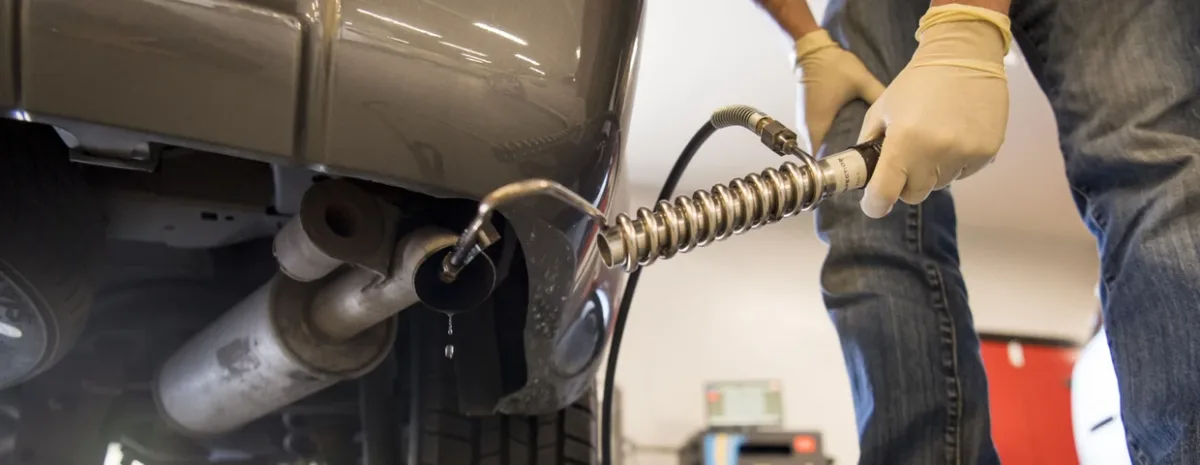
| Diesel (all model years) | Push-in tailpipe probe during moderate acceleration | Measures smoke opacity |
The OBDII test is quick and non-invasive. The technician plugs a scanner into the port under your dashboard near the steering column. The scanner reads your vehicle's onboard computer.
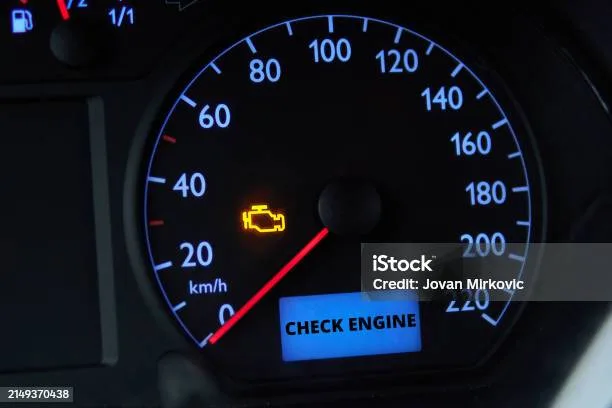
It checks for stored trouble codes and confirms all emissions monitors are ready. If your check engine light is on, you will fail.
For older gasoline vehicles without OBDII, the technician runs a tailpipe test while the engine idles and at higher RPM. This takes a few minutes longer.
Diesel vehicles get a different test. The technician places a probe in the tailpipe and asks you to accelerate moderately. The equipment measures smoke opacity.
Dirty diesel engines often fail.
Bing (Web (fair-use with source credit))
Warm your vehicle up before arriving. A cold engine runs rich and produces higher emissions. Drive for at least 15 minutes before pulling into the testing station.
The Complete Testing Process (Step-by-Step)
The actual test is simple. Preparation is where most people trip up.
Step 1: Gather Your Documents
You need proof of ownership and identification for the DMV. Bring your vehicle title or out-of-state registration, a valid driver's license, proof of Colorado insurance, a VIN verification form (if coming from out of state), an odometer disclosure statement, and a bill of sale if you purchased recently. You do not need these at the Air Care station.
But you will need them when you go to the DMV after passing the test.
Step 2: Schedule an Appointment or Walk In
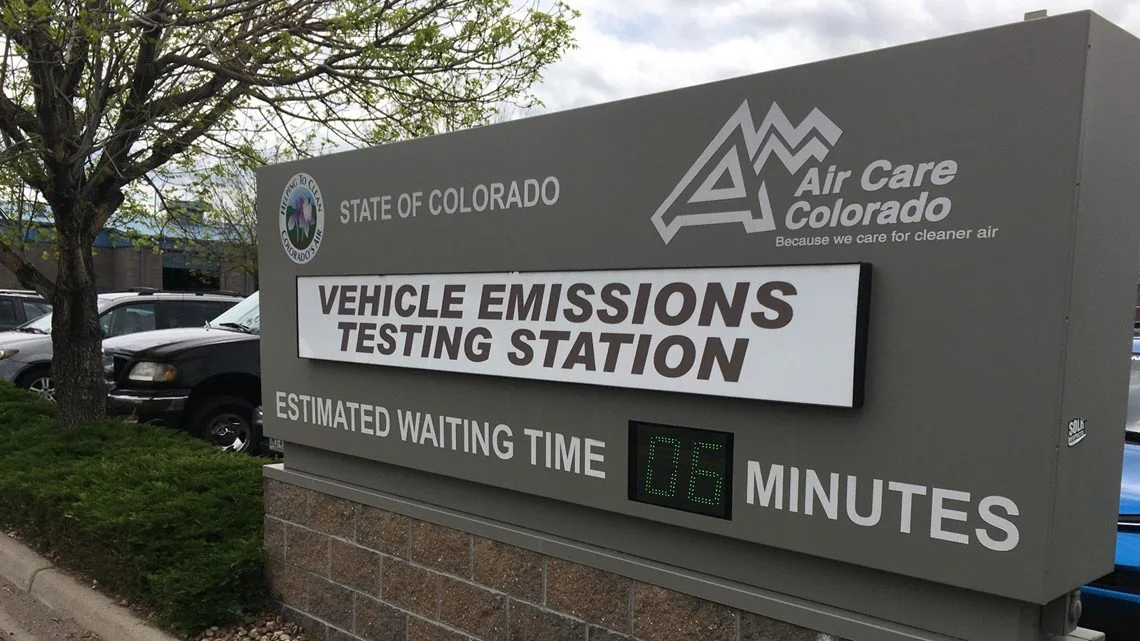
Air Care Colorado stations accept both appointments and walk-ins. Appointments are recommended. Wait times can exceed an hour during peak hours, especially on Saturdays and near month-end.
Book online through the official Air Care website at least a day in advance.
Step 3: Arrive and Check In
Park in the designated lane. Keep your engine running. A technician will come to your window, verify your VIN and vehicle information, and collect the test fee.
Step 4: The Test
Depending on your vehicle, the technician performs one of the tests described above. You stay in the driver seat. The whole process takes 10 to 20 minutes.
Step 5: Get Your Results
If you pass, you receive a printed certificate or a digital confirmation. Take that to the DMV with the rest of your registration paperwork. If you fail, the technician explains the reason and gives you a failure report.
Costs, Retest Fees & the Repair Waiver Threshold
Testing is affordable. Costs can add up if you fail.
| Fee Type | Amount | Details |
|---|---|---|
| Initial test (gasoline) | $25.00 + $1.50 admin fee | Standard fee |
| Initial test (diesel) | $25.00 + $1.50 admin fee | Same fee structure |
| Retest (within 30 days) | Free | Same station, same vehicle |
| Retest (after 30 days) | Full fee again | $26.50 |
| Waiver application | No fee | Must meet repair cost threshold |
The repair waiver is a critical protection. As of 2026, the waiver threshold is $1,000 in emissions-related repairs. If you spend at least $1,000 on qualifying repairs at a licensed shop and the vehicle still fails, you can apply for a one-year waiver.
The waiver is not a free pass. It allows you to register your vehicle for one year with a known emissions issue. After that year, you must retest and either pass or get a new waiver.
Common Registration Roadblocks (Mistakes to Avoid)
Most first-time registration delays come from preventable mistakes.
Not checking county eligibility first. You assume your address requires testing, drive 30 minutes to a station, and discover you live in a non-testing area. Or you assume you do not need testing and show up at the DMV without a certificate. Check your ZIP code on the Air Care website before doing anything else.
Bringing a cold vehicle. A cold engine runs rich. That means more fuel, less oxygen, and higher emissions readings. Drive your car for at least 15 minutes before arriving.
Ignoring the check engine light. This is the number one cause of OBDII test failures. If your check engine light is on, you will fail. Get the code read at an auto parts store or a shop before you schedule your test.
Assuming a new car is exempt. Model year 2025 still needs testing. Colorado only exempts vehicles from model year 1974 and older. Even brand-new cars must pass the OBDII scan unless they are full electric.
Forgetting your documents. You need your title, out-of-state registration, proof of insurance, and VIN verification for the DMV. The Air Care station only needs your vehicle and a payment method. But without those documents later, you cannot complete registration.
Waiting until the last minute. Registration deadlines sneak up fast. Testing stations get busy on weekends and at month-end. Book your test at least two weeks before your temporary permit expires.
Common Failure Reasons & How to Pre-Check Your Vehicle
Some failures are unavoidable. Most are preventable.
OBDII monitor not ready. After a battery disconnect or recent repair, your vehicle's onboard computer resets its emissions monitors. The computer needs to complete a specific drive cycle before it is ready for testing. If you recently replaced a battery or cleared a check engine code, drive the car normally for 50 to 100 miles before your appointment.
Check engine light on. This is an automatic fail. Get the code read at any auto parts store. Most do it for free.
If the code points to a minor issue like a loose gas cap, fixing it is cheap. If it points to a catalytic converter or oxygen sensor, budget for serious repairs.
Gas cap not sealing. A loose, cracked, or missing gas cap triggers an evaporative emissions code. That code turns on the check engine light. Tighten the cap until you hear three clicks.
If the light stays on, replace the cap. They cost about $15 at any auto parts store.
Visible smoke from the tailpipe. Blue smoke means burning oil. Black smoke means running too rich. White smoke could mean a coolant leak.
Any visible smoke during the test raises a red flag.
Aftermarket parts or tampering. Colorado enforces strict rules against removing emissions equipment. If your vehicle has a missing catalytic converter or gutted exhaust, it will fail the visual inspection.
Bing (Web (fair-use with source credit))
Here is a quick pre-check checklist:
- Confirm your check engine light is off and stays off during a 15-minute drive.
- Tighten your gas cap until it clicks.
- Check your oil level and condition. Old oil increases emissions.
- Ensure no aftermarket exhaust parts are missing or damaged.
- Drive at highway speeds for at least 20 minutes before arriving.
When You Fail: Repairs, Retests & the Waiver Path
Failing is frustrating. It is not the end of the road.
Step 1: Understand the failure report. The technician hands you a printed report with the specific reason for failure. It may list a diagnostic trouble code like P0420 for catalytic converter efficiency or a tailpipe measurement that exceeded limits. Keep that report.
You will need it for repairs and potential waiver applications.
Step 2: Get repairs from a licensed shop. Any ASE-certified repair shop can work on emissions issues. Keep the receipts. Detailed invoices showing parts and labor are essential if you later apply for a waiver.
Step 3: Retest within 30 days for free. Your first retest is free at the same station where you failed. Return within 30 days. Bring the failure report and the same vehicle.
Step 4: Consider the waiver if repairs cost too much. The Colorado repair waiver allows you to register for one year even if your vehicle still fails. You must have spent at least $1,000 on qualifying emissions-related repairs at a licensed shop.
Step 5: Plan for next year. A waiver lasts one year. When it expires, you must test again and either pass or spend more money toward a new waiver. If your vehicle is old and consistently failing, consider replacing it.
Real Scenarios: From Out-of-State to Colorado Plate
The rules make more sense when you see them applied.
Scenario 1: Moving from Texas to Denver. You drive your 2019 sedan into Colorado. You have a Texas registration that expires in three months. You cannot transfer plates.
Get an emissions test at an Air Care station, pass, and then visit a Colorado DMV office with your title, out-of-state registration, proof of insurance, VIN verification, and the emissions certificate. Total time if you prepare: about two hours split between the test and the DMV.
Scenario 2: Buying a used truck from a private seller in Nebraska. You find a 2015 diesel pickup on Craigslist. The seller has no Colorado emissions history. Before you register, get a VIN verification at a local law enforcement office or licensed VIN verifier.
Then take the truck to an Air Care station for the diesel smoke opacity test. If it passes, head to the DMV. If it fails, you are now responsible for repairs on a vehicle you just bought.
Always ask for a recent emissions test before buying out-of-state.
Scenario 3: Inheriting a classic car. Your uncle left you his 1969 Mustang. It is pre-1975 and fully exempt from emissions testing. You still need to register it.
But you can skip the Air Care station entirely. Apply for collector plates at the DMV for reduced fees and no future testing.
Expert Checklist: Your First-Time Registration Guide
Use this checklist. Print it or save it on your phone.
- Confirm your county and address require testing.
- Check your vehicle for check engine light and obvious issues.
- Drive for 15 minutes before arriving at the station.
- Bring a payment method ($25 plus $1.50 fee).
- Get your passing certificate.
- Gather your title, out-of-state registration, proof of insurance, and VIN verification.
- Visit the Colorado DMV or complete online registration.
- Keep your emissions certificate in the glovebox.
Use this checklist. Print it or save it on your phone.
- Confirm your county and address require testing.
- Check your vehicle for check engine light and obvious issues.
- Drive for 15 minutes before arriving at the station.
- Bring a payment method ($25 plus $1.50 fee).
- Get your passing certificate.
- Gather your title, out-of-state registration, proof of insurance, and VIN verification.
- Visit the Colorado DMV or complete online registration.
- Keep your emissions certificate in the glovebox.
Frequently Asked Questions
Do I need an emissions test if I am moving to Colorado from another state?
Yes. All new residents registering a vehicle in a Front Range county must get a passing emissions test. The DMV requires the certificate before issuing Colorado plates.
Plan to get the test within your first few weeks in the state.
What happens if my vehicle fails the emissions test?
You get a failure report explaining the reason. Take the vehicle to a licensed repair shop. You can retest for free within 30 days at the same station.
If repairs cost $1,000 or more and the vehicle still fails, you may qualify for a one-year waiver.
How much does the Colorado Air Care test cost?
The standard test fee is $25 plus a $1.50 administrative fee for a total of $26.50. Retests within 30 days at the same station are free. After 30 days, you pay the full fee again.
Can I register my car without an emissions test?
Only if you live outside the nine testing counties or your vehicle is exempt. Exempt vehicles include pre-1975 models, collector cars with collector plates, farm vehicles, motorcycles, and full electric vehicles.
How long is the emissions certificate valid?
The passing certificate is valid for one year from the date of the test. You must retest annually when you renew your registration in a testing county.
What should I do if my check engine light is on before the test?
Get the code read at an auto parts store or a repair shop before your appointment. A check engine light causes an automatic failure. Fix the issue first, then schedule your test.