ByMax Lee
Guide to Colorado Seven Year Emissions Inspection Exemption for New Vehicles
If you just bought a new car in Colorado, you have probably heard that you can skip the emissions test for seven years. That Colorado seven year emissions inspection exemption for new vehicles comes with some specific rules that trip up a lot of drivers. The model year on your registration matters more than when you signed the paperwork.
And if you move here from another state, the rules change completely.
As of 2026, Colorado's Air Care program covers gasoline vehicles in nine Front Range counties. The exemption sounds simple on the surface, but ownership history, fuel type, and where you bought the car all shift the math. A quick read-through can save you a surprise inspection fee down the road.
Let's walk through exactly how it works.
Problem / Pain Point: Why Colorado's 7-Year Exemption Confuses Everyone
You would think a seven-year exemption would be straightforward. New car, no test for seven years, done. But the Colorado Department of Public Health and Environment (CDPHE) ties the exemption to your vehicle's model year, not the date you bought it.
That difference catches more drivers than you might expect.
"New" to you does not mean new to Colorado. If you buy a one-year-old used car from out of state and bring it here, the exemption clock may have already started under the previous owner's name in its original state. And if it never had Colorado registration before, the whole concept of the exemption resets.
The real headache comes when you try to renew your registration online and get blocked. That is when you find out your exemption expired six months ago because you misread the date on your old registration card. Nobody wants to scramble for an Air Care appointment the day before their plates expire.
Quick Answer: Does Your New Car Qualify?
A new vehicle is exempt from Colorado emissions testing for the first seven model years after its model year. A 2024 model is exempt through the 2030 model year. The exemption follows the current owner.
It does not transfer if you move into Colorado. Gas and diesel rules differ after the exemption ends.
Core Explanation / How It Works: What "7-Year Exemption" Actually Means in Colorado
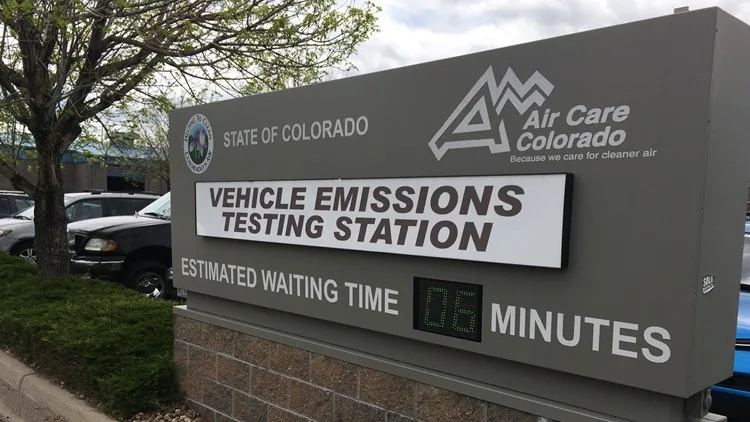
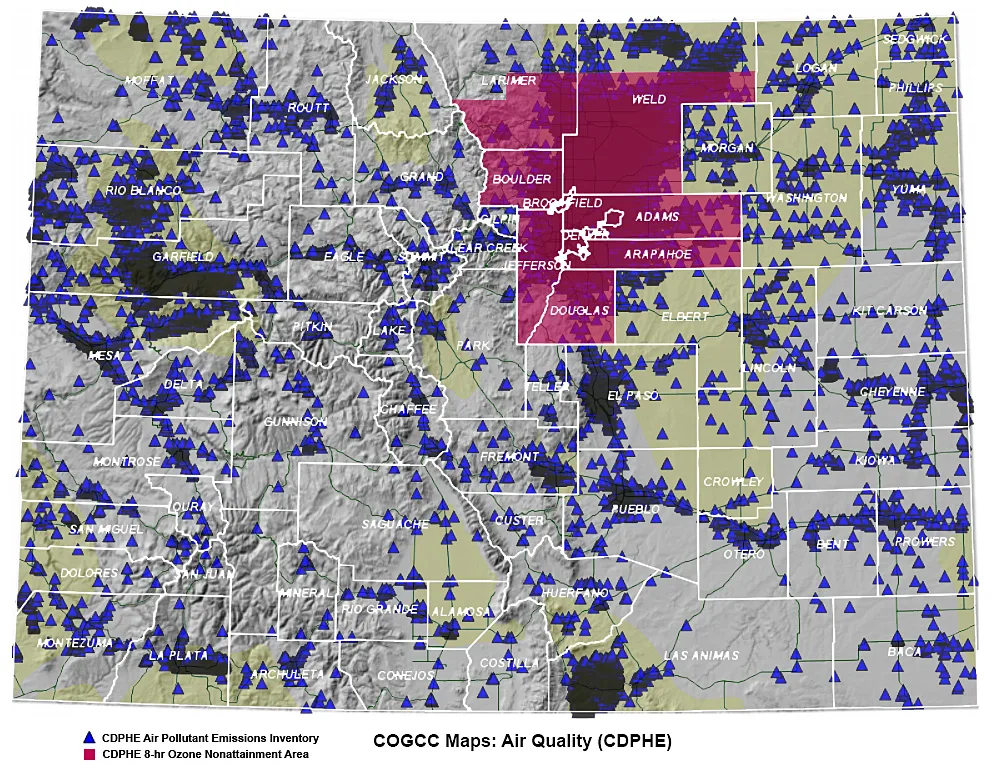
Let's clear up what the exemption actually covers. Colorado's Air Care program requires emissions testing for most gasoline vehicles registered in Adams, Arapahoe, Boulder, Broomfield, Denver, Douglas, Jefferson, Larimer, and Weld counties. Diesel vehicles follow a different schedule.
The seven-year exemption means you do not need to visit an Air Care testing station for the first seven model years of the vehicle's life. You renew your registration online like normal. No inspection paperwork is required.
But "seven model years" is where people get confused.
How Model Year vs. Purchase Date Changes Everything
Here is the rule that matters most. The exemption counts from the vehicle's model year, not the calendar year you bought it.
Say you buy a 2026 model year car in October 2025. The exemption runs from model year 2026 through model year 2032. You get seven full model years of exemption even though you bought the car in 2025.
Flip that around. You buy a 2025 model year car in January 2026. Your exemption started in model year 2025.
That means it ends after model year 2031, not 2033.
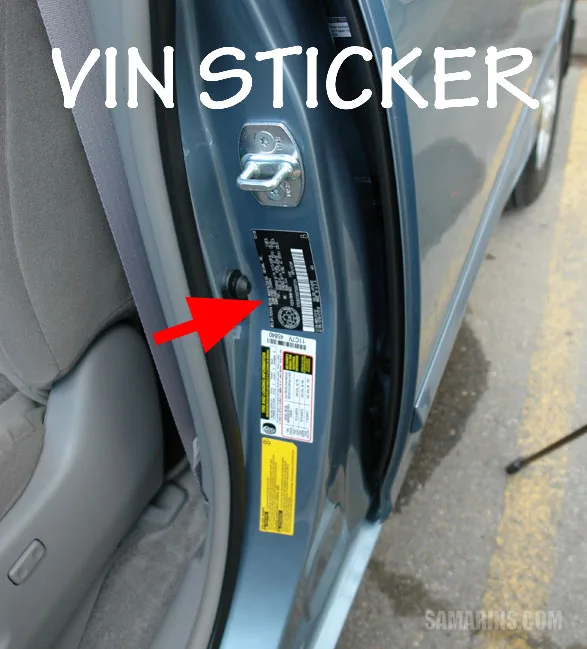
Manufacturer specifications confirm the model year is determined by the vehicle's VIN, not the dealer's invoice or your purchase contract. Check the tenth digit of your VIN. It tells you the model year.
That is the date Colorado uses.
The Consecutive Registration Rule (Trips Up New Residents)
This is the part that catches people moving to Colorado. The seven-year exemption applies to vehicles that have been continuously registered in Colorado since they were first sold as new. If you move here from Arizona with a 2023 model year car you bought new there, Colorado considers that vehicle's first registration in Colorado to be a "new" registration.
The exemption starts over from the current model year.
So a 2023 model year car brought into Colorado in 2026 gets exempt through model year 2032. You do not lose the years it spent registered out of state because Colorado never counted them. That is actually good news.
But if you bought a used 2023 model year car in Colorado in 2025 from a Colorado owner who kept it from new, the exemption does not follow you. The seven years started when the first owner registered it. You pick up the remaining years.
For a 2023 model year car bought used in 2025, you have two or three years left depending on the exact model year offset.
Gas vs. Diesel: Different Rules
Diesel vehicles get their own set of rules in Colorado. Gasoline cars follow the standard seven-year exemption. Diesel vehicles with a gross vehicle weight rating under 14,000 pounds generally face a biennial test starting at model year four or five, depending on the county.
Newer diesel models (2017 and later) follow a slightly different schedule that the CDPHE updates periodically.
If you own a diesel pickup or SUV, do not assume the seven-year exemption applies the same way as gasoline. Check the CDPHE Air Care Colorado website for your specific year and weight class.
Step-by-Step Process / How to Guide: How to Know If You're Exempt Right Now
You do not need an emissions test right now if your vehicle qualifies. Here is how to confirm in four simple steps.
Step 1: Find Your Vehicle's Model Year
Look at your registration card. The model year is listed next to the vehicle description. If you do not have the card handy, check the VIN sticker on your driver's side door jamb.
The tenth digit of the VIN tells you the model year. Use a free VIN decoder online if needed. Write that number down.
This is your starting point.
Step 2: Check How Long It Has Been Registered in Colorado
Look at the registration issue date on your Colorado registration card. If this is your first Colorado registration, you fall under the new registration rule from the previous section. If the vehicle has been continuously registered by you since new, the exemption runs from the original model year.
If you bought the vehicle used in Colorado from a private party, ask the seller for the registration history. It matters.
Step 3: Determine Your Exemption End Date
Count forward seven model years from your vehicle's model year. A 2024 model year car is exempt through the 2030 model year. Your first required test will be due when you renew your registration during the 2031 model year.
Mark your calendar. The exemption ends when the model year changes, not on your birthday or the anniversary of your purchase.
Step 4: Register or Renew Online
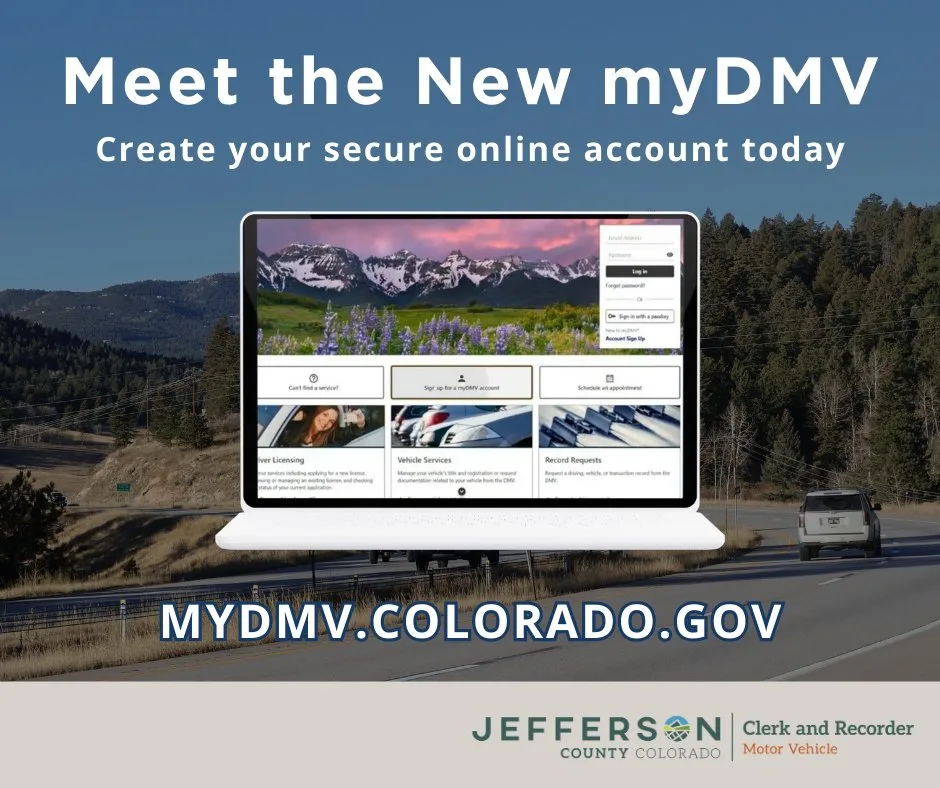
During the exemption window, you can renew your registration through the Colorado DMV myDMV portal. You will not get a block that says "emissions test required." The system knows your vehicle is exempt based on the model year and registration history.
If you get a message saying an inspection is due, check your model year again. Something might be off with the registration history. That is when you call the CDPHE or visit an Air Care station to sort it out.
Real Scenarios / Case Examples: How the Exemption Works for Different Buyers
The rules make more sense when you see them play out with real numbers. Here are four common situations Colorado car owners run into.
Scenario A: Buying a New Car at a Colorado Dealer
Emma walks into a Denver dealership in March 2026 and buys a brand new 2026 model year SUV. The dealer handles the first registration. Colorado records the vehicle's first-in-service date as March 2026 with model year 2026.
Emma is exempt through model year 2032. She can renew online without an inspection until she gets the 2033 registration renewal. No surprises.
This is the cleanest scenario.
Scenario B: Moving to Colorado with a Brand-New Car
Carlos moves from Texas to Colorado Springs in June 2026. He bought a new 2025 model year truck in Texas in November 2024. He registered it in Texas for two years.
When he registers it in Colorado for the first time, the exemption clock starts fresh. Colorado considers the vehicle's first Colorado registration as the starting point. The 2025 model year truck is exempt through model year 2031 in Colorado.
Carlos gets the full seven years from the model year even though the truck is already two years old.
Scenario C: Buying a 1-Year-Old Used Car from Out of State
Priya flies to Arizona in July 2026 and buys a used 2025 model year sedan. The original owner bought it new in Arizona in 2025. Priya drives it to her home in Boulder and registers it in Colorado.
Because the vehicle was never registered in Colorado before, the exemption resets. The 2025 model year car is exempt through model year 2031 in Colorado. Same result as Scenario B.
The out-of-state history does not matter for the exemption.
Scenario D: You Already Own a Colorado-Registered Car and Buy a New One
Marcus has owned a 2019 model year car registered in Colorado since 2019. He buys a new 2026 model year car from a Denver dealer in April 2026. The 2019 car's exemption ended after the 2025 model year.
Marcus has been getting it tested annually or biennially. The new 2026 car starts its own seven-year exemption fresh. He trades in the old car, and the new one sits exempt.
No overlap issues as long as he registers the new car correctly.
Mistakes to Avoid / Common Errors
The exemption is simple when you get it right. These four mistakes cause the most problems at renewal time.
Assuming purchase year equals model year. A 2025 model bought in 2024 starts its count in 2025. You lose a year of exemption if you count from the purchase date. Always check the VIN.
Moving to Colorado and assuming your out-of-state clock carries over. It does not. Colorado resets the exemption for first-time in-state registration. That helps you more than it hurts, but drivers often schedule an unnecessary test because they think their car is too old.
Buying a used car from a private seller in Colorado without asking about the registration history. If the previous owner kept it registered from new, you inherit only the remaining exemption years. Ask for the original registration date.
Ignoring the county requirement. Only nine Front Range counties enforce the test. If you live in El Paso County or outside the testing zone, you may never need an inspection. Check your county before assuming anything.
Data & Metrics: Exemption Timelines, Costs, and County Requirements
Here is the hard data you need to plan around.
| Factor | Detail |
|---|---|
| Exemption length | 7 model years from vehicle model year |
| Example | 2026 model exempt through 2030 model year |
| First test due | At registration renewal during model year 8 |
| Test cost (gas) | $15 to $25 per test |
| Test cost (diesel) | $25 to $35 per test |
| Testing frequency (gas, 8-12 years) | Every 2 years |
| Testing frequency (gas, 13+ years) | Every year |
| Counties with testing | Adams, Arapahoe, Boulder, Broomfield, Denver, Douglas, Jefferson, Larimer, Weld |
The nine counties cover Colorado's most populated Front Range corridor. If you live outside these counties, no emissions testing is required at all. That means the exemption question never even comes up for rural drivers.
What about the cost of skipping the test? Late fees vary. The CDPHE adds a penalty to your registration renewal that typically runs $25 to $50.
That is separate from the test fee itself. You pay both once you finally get tested.
One more number worth knowing. The Air Care program in Colorado performs roughly 1.5 million tests per year. Most of those are on vehicles past the seven-year window.
Newer vehicles bypass the stations entirely during their exemption period.
Benefits & Drawbacks: The Good and the Fine Print
The exemption saves you time and money. No argument there. Seven years of registration renewals handled online without a station visit is a real convenience.
That alone saves you an hour every year or two.
| Benefit | Where it helps |
|---|---|
| No test fee for 7 years | Saves $25 to $35 per test cycle |
| Online renewal only | No appointment needed |
| No mileage limit | Drive as much as you want |
| Predictable timing | Same cutoff for every owner |
Here is the trade-off. The exemption locks you into one registration approach. You cannot voluntarily start testing early to build a compliance record.
That matters if you plan to sell the car before the exemption ends. A buyer moving from out of state might prefer a vehicle with a recent test on file.
Diesel owners face a separate drawback. The exemption for newer diesel models is not always a full seven years. Check your specific year against CDPHE rules for diesel.
One more annoyance. If you lose your registration card and need a replacement, the DMV system shows the model year and exemption status. But the card itself does not always list the exemption end date clearly.
Keep your own record.
Safety / Legal / Compliance / Warnings: What Happens If You Get It Wrong
Colorado takes emissions compliance seriously. Driving without a valid registration because you missed your first required test can lead to fines. Here is what you need to watch for.
Registration suspension. If your vehicle fails or skips a required test, the DMV blocks your renewal. You cannot legally drive with expired plates. A traffic stop for expired registration adds a citation fee on top of the missed test penalty.
Gross polluter designation. If your car eventually tests far above the emissions standard, the CDPHE tags it as a gross polluter. That triggers more frequent testing and potential repair requirements before re-testing. Do not let maintenance slide during the exemption years.
Tampering laws. Removing or disabling emissions equipment is illegal in Colorado regardless of exemption status. The exemption only applies to the testing requirement, not to the equipment itself.
Out-of-state move-in penalties. Register your vehicle within 90 days of moving to Colorado. If you delay, you may face back fees and late penalties. The exemption still applies once you register, but the late registration penalty is separate.
If you are unsure about your status, the safest move is to check the myDMV portal early. Do not wait until the week your plates expire. Most compliance issues come from last-minute checking rather than confusion over the rules themselves.
Decision Guide / Final Workflow: Your Personal Exemption Check (Answer 3 Questions)
You can figure out your exemption status in under two minutes. Answer these three questions.
Question 1: What is your vehicle's model year?
Check the VIN or registration card. Write it down.
Question 2: Has this vehicle been continuously registered in Colorado since it was new?
If yes, the exemption clock started at the model year. If no, and you are registering it in Colorado for the first time (even if it is used), the exemption starts fresh from the current model year.
Question 3: Do you live in one of the nine testing counties?
If yes, the exemption applies to you. If no, you do not need testing at all.
Here is the workflow in table form.
| Your situation | Exemption status | Action needed |
|---|---|---|
| New car bought in Colorado | Exempt for 7 model years | Renew online only |
| New car moved to Colorado from out of state | Exempt for 7 model years from model year | Renew online after first registration |
| Used car bought in Colorado from Colorado owner | Remaining years of original 7 | Check remaining count |
| Used car bought out of state and brought to Colorado | Exempt for 7 model years from model year | Renew online after first registration |
| Car older than 7 model years in testing county | Not exempt | Schedule Air Care test |
That is the whole system. Seven years with no test. Then you join everyone else at the Air Care station.
Write down your model year and the expected end date today. You will thank yourself when renewal time comes and there are zero surprises.
Frequently Asked Questions
Does the seven-year exemption start from the date I bought the car?
No. It starts from the vehicle's model year, not the purchase date. A 2026 model year car purchased in 2025 is exempt through the 2030 model year.
Always check the VIN or registration card for the model year.
What happens when the seven-year exemption ends?
You must get an emissions test before renewing your registration. Gas vehicles aged 8 to 12 years need testing every two years. Vehicles 13 years and older need testing every year.
The test costs $15 to $35 depending on fuel type.
Does the exemption transfer to a new owner if I sell the car?
Yes, but only if the buyer keeps the car registered in Colorado. The remaining exemption years carry over to the new owner. If the buyer moves the car out of state and brings it back later, the clock may reset.
Are diesel vehicles exempt for seven years too?
Not always. Diesel vehicles under 14,000 pounds GVWR follow a different schedule. Some newer diesel models get a shorter exemption.
Check the CDPHE Air Care website for your specific diesel model year and weight class.
What if I move to Colorado with a car that is still within the seven-year window?
Good news. Colorado resets the exemption for first-time in-state registration. You get the full seven model years starting from the vehicle's model year, even if it was already registered in another state for a few years.
Do I need to keep any paperwork to prove my exemption?
No. The Colorado DMV system tracks the exemption automatically based on model year and registration history. You do not need to submit any forms or keep special documents.
Just renew online during the exemption window.