# Guide to Colorado School Bus Stop Law for Divided Highways and Residential Streets
If you have ever found yourself second-guessing what to do when a school bus flashes its red lights on a Colorado road, you are not alone. The **Colorado school bus stop law for divided highways and residential streets** trips up plenty of drivers, especially those new to the state. The confusion is understandable, but the stakes are high. A wrong move can earn you a $300 ticket, six points on your license, and much worse if a child is nearby.
As of 2026, Colorado law under C.R.S. 42-4-1903 draws a clear line between how you handle a school bus on a truly divided highway versus every other kind of road. The difference comes down to one simple question: is there a physical barrier between you and the bus? Get that wrong, and the fines add up fast. Let us walk through exactly what the law says, so you never have to guess again.
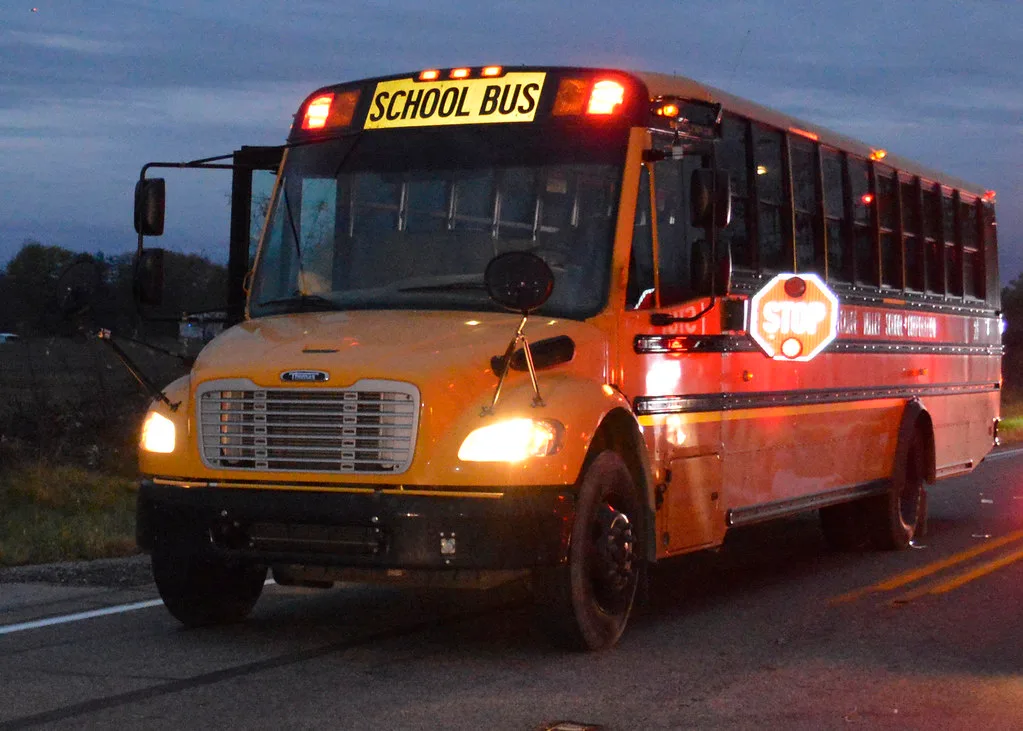
Image source: Openverse / NTSBgov (PDM 1.0)
## Quick Answer
You must stop for a school bus on any Colorado road unless you are on a divided highway with a physical barrier. On a divided highway, only traffic on the same side stops. On all other roads, both directions stop. Stay stopped until the bus moves or the lights turn off. The fine can reach $300 plus points.
## Why Colorado Drivers Get This Wrong (And Why It Matters)
Most drivers learn one rule: stop for a school bus. That is true in most situations, but Colorado's law has a specific exception that people miss. The problem is that drivers see a big road with a median and assume it is automatically a divided highway. That assumption gets them into trouble.
The law uses a specific definition. A divided highway has a physical barrier like a concrete wall, a raised curb, a grassy ditch, or a gravel strip that makes it impossible for you to cross to the other side. A painted center line or a turn lane does not count. If you treat a painted median as a real barrier, you could end up stopping when you do not need to. Or worse, you could fail to stop when you absolutely must.
The cost of getting this wrong goes beyond money. You are putting children at risk. The state has been adding more school bus camera enforcement programs in recent years. Denver, Aurora, and Jefferson County all use cameras now. That means you can get a ticket mailed to you even if no officer is nearby. For more Colorado driving tips, visit the main blog.
## What Actually Counts as a "Divided Highway" in Colorado (The Legal Definition)
Colorado Revised Statute 42-4-1903 does not leave room for interpretation. The law says a divided highway is a road that has a "clearly dividing space" between the two directions of travel. That space has to be physical. It is not just paint.
What qualifies as a physical barrier:
- Concrete or jersey barriers
- Raised medians with curbs
- Grass or gravel strips wide enough to prevent crossing
- Ditches or drainage channels
- Railroad tracks running between the lanes, though this is rare
What does not qualify:
- Double yellow lines
- Painted center turn lanes
- Paved medians that are flush with the road surface with no curb
- Lane markings of any kind
The key test is simple. Could you drive across that median if you wanted to? If the answer is yes, even if it would be illegal, the road is not divided in the eyes of the law. That means you must stop for the school bus no matter which direction you are traveling.
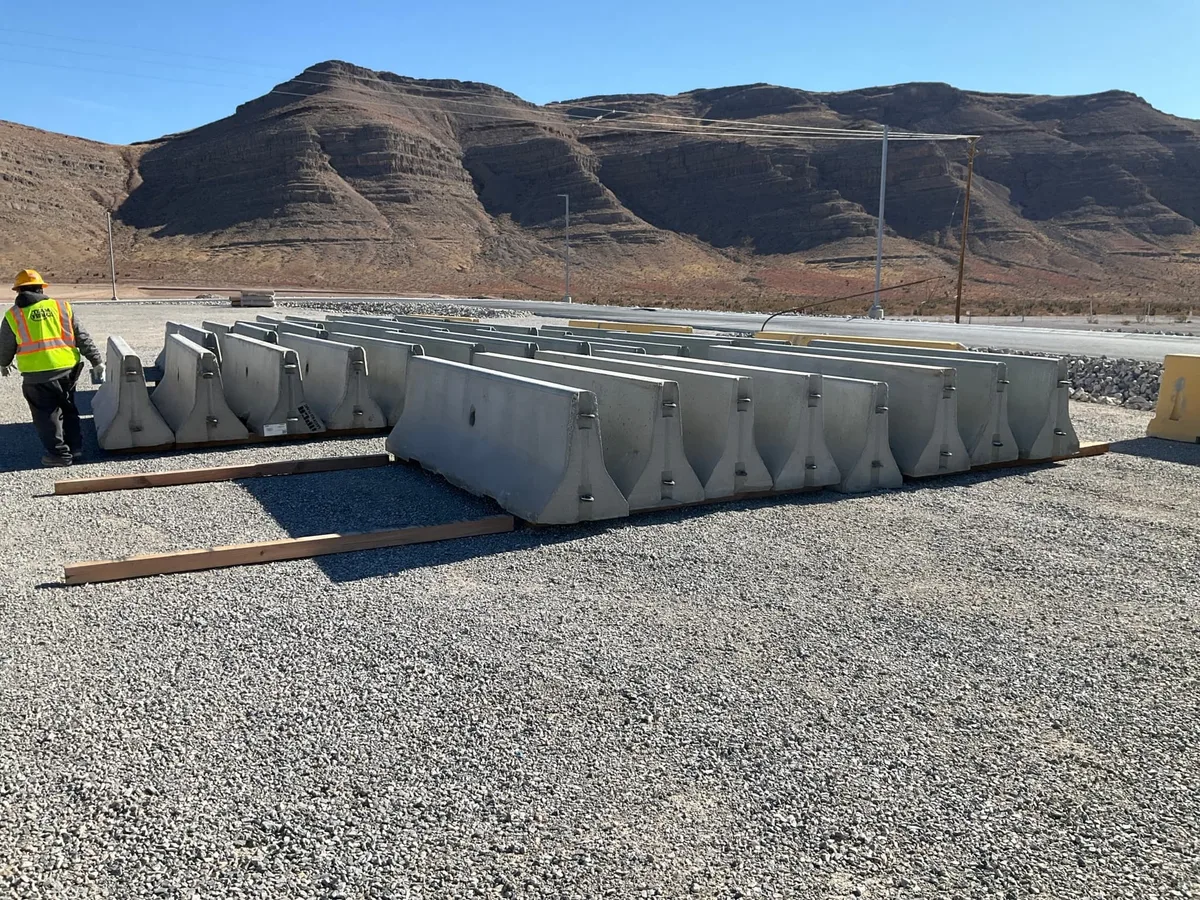
Image source: Bing (Web (fair-use with source credit))
## Decision Tree: Your Move Based on Road Type and Position
Here is the decision process broken down into clear branches. Follow the one that matches your situation.
### Branch 1: You are on a Truly Divided Highway, Opposite Side of the Bus
If you are driving on a highway with a physical barrier and the school bus is on the other side of that barrier, you do not need to stop. Slow down to a safe speed and proceed with caution. The children are separated from your lane by the barrier, so the law does not require you to stop.
**Important:** You still need to be alert. Kids sometimes cross the highway at designated points. They can appear suddenly.
### Branch 2: You are on a Divided Highway, Same Side as the Bus
If the bus is on your side of the barrier, you stop. It does not matter if the barrier is on your left or your right. If you share the same side as the bus, the stop law applies fully. Come to a complete stop at least 100 feet away. Stay stopped until the bus turns off its red lights or starts moving.
### Branch 3: You are on Any Undivided Road, Residential Street, Two-Lane, or Multi-Lane
This covers the majority of Colorado roads. If there is no physical barrier between you and the bus, you stop. Full stop. Both directions. Even if the road has four lanes. Even if there is a center turn lane. Even if you think no one would cross from the other side. The law is absolute: all lanes in both directions must stop for the bus.
## Real-World Scenarios: Drive Through Each Situation
The rules make more sense when you picture them. Let us run through three common situations you will encounter on Colorado roads.
### Scenario A: A Suburban Residential Street
You are driving through a neighborhood in Littleton. The road is two lanes. A school bus ahead activates its flashing red lights and extends the stop sign arm. You are coming from the opposite direction. What do you do?
**Answer:** Stop. There is no median or barrier between you and the bus. Both directions must stop. If you keep driving, you are violating the law. The fine in many metro-area cities starts around $300. If a camera catches you, the ticket arrives in the mail.
### Scenario B: A Divided Highway with a Concrete Barrier
You are on I-25 near Castle Rock. A school bus is stopped on the northbound shoulder with its lights flashing. You are traveling southbound on the other side of a concrete barrier. What do you do?
**Answer:** Keep moving. Do not stop. The concrete barrier makes this a divided highway. Only traffic on the same side as the bus needs to stop. You should slow down a little and stay alert. But stopping is not required and could actually cause a rear-end collision.
### Scenario C: A Four-Lane Road with a Painted Center Turn Lane (Trap!)
You are on a road like Colorado Boulevard in Denver. Four lanes. A center turn lane with painted markings. No curb or barrier separating the two directions. A school bus stops on the opposite side with its lights on. What do you do?
**Answer:** Stop. This is the most common trap. That center turn lane is not a physical barrier. Colorado law treats this as an undivided road. All lanes in both directions must stop. If you drive past the bus thinking the turn lane counts as a divider, you will get a ticket.
Image source: Bing (Web (fair-use with source credit))
## The Three Biggest Mistakes Colorado Drivers Make
I see the same errors from drivers again and again. Here are the three most common ones to avoid.
### Mistake 1: Treating a Painted Median Like a Physical Barrier
This is the number one mistake. A painted center line or a paved median flush with the road does not divide the highway. The law requires a physical separation. If you think paint counts, you will miss a stop when it matters most. A simple way to remember it: if you could roll a tire over it, stop for the bus.
### Mistake 2: Stopping Needlessly on a Divided Highway
Some drivers stop on a divided highway even when the bus is on the other side of a barrier. This seems like a safe choice, but it actually creates a hazard. Drivers behind you do not expect a sudden stop on a highway. You can cause a pile-up. If there is a physical barrier between you and the bus, just slow down and keep going.
### Mistake 3: Assuming Two Lanes One Way Means You Can Keep Going
Another common error. A driver sees a divided highway and thinks the bus is far enough away. But if you are on the same side of the barrier as the bus, even if there is a lane or two between you, you must stop. The barrier is the line. Your side of it means you stop. Period.
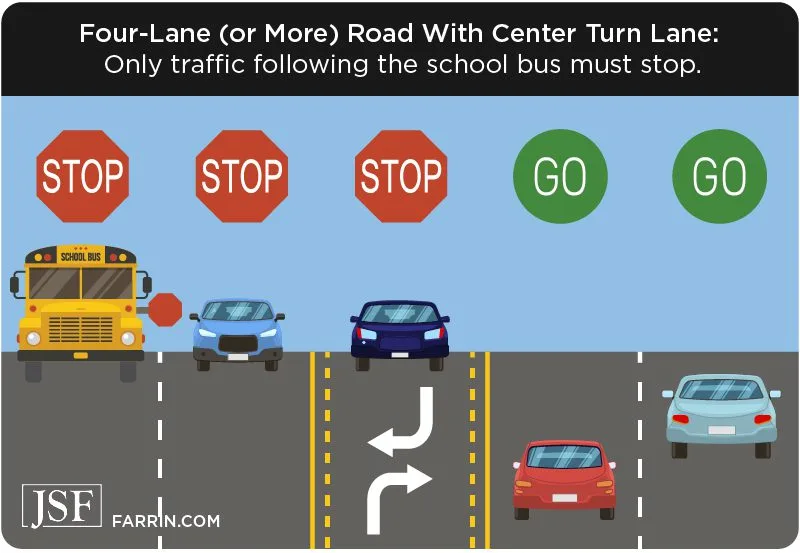
Image source: Bing (Web (fair-use with source credit))
## What the Fine and Points Actually Cost You
Colorado takes school bus stop violations seriously. The base fine for a first offense usually lands around $300 depending on the municipality. But the cost goes higher if you are caught in a city with its own ordinance.
Here is the breakdown of what you face:
| Violation Type | Fine Range | License Points |
|----------------|------------|----------------|
| First offense (standard) | $100 to $300 | 6 points |
| Second offense (within 5 years) | Up to $500 | 6 points |
| Passing a bus with children present | $300 to $500 | 12 points |
| Causing injury or death | Misdemeanor | Possible suspension |
Six points does not sound like much until you realize Colorado suspends your license at 12 points. A single school bus violation puts you halfway there. A second violation could trigger a suspension. And your insurance rates? Expect them to jump.
Some Colorado cities add their own surcharges. Denver, Aurora, and Colorado Springs all tack on extra fees. The total ticket cost in those cities can exceed $400 before you add court costs. Keeping your license clean means knowing the law before you see the red lights.
## School Bus Camera Enforcement: How It Works in Colorado
You may never see a police officer near a stopped school bus. That does not mean you are safe from a ticket. Colorado law allows school districts to install cameras on the stop arms. These cameras capture your license plate and the violation.
The process works like this. The bus driver activates the stop arm and lights. The camera records video of vehicles that pass. The footage is reviewed by enforcement staff. A citation is mailed to the registered owner of the vehicle. The fine is the same as if an officer had issued it in person.
As of 2026, at least ten Colorado school districts use these camera systems. The biggest programs are in Denver Public Schools, Jefferson County, Aurora, and Douglas County. The cameras are active on both divided highways and residential streets. They do not care which road you are on. They only care whether you passed the bus.
A common question drivers ask: can you fight a camera ticket? You can try. But the footage is clear. If you passed a bus with red lights flashing on an undivided road, the evidence is straightforward. The best strategy is not getting the ticket in the first place.
## Step-by-Step Decision Guide (Quick Reference)
Use this flow chart in your head every time you see a school bus with flashing lights.
**Step 1: Look for the barrier.** Is there a physical barrier between you and the bus? Concrete, raised curb, ditch, or grass median that you cannot drive across. If yes, go to Step 2A. If no, go to Step 2B.
**Step 2A: You are on a divided highway.** Ask yourself: am I on the same side of the barrier as the bus? If yes, stop. If no, slow down and proceed with caution.
**Step 2B: The road is not divided.** Stop. No exceptions. Residential street, two-lane road, four-lane road with a center turn lane. All of these require a full stop. Both directions.
**Step 3: Stay stopped until** the bus driver turns off the red lights. Or the bus starts moving again. Or the driver signals you to pass. Do not move just because the stop arm retracts. Wait for the lights to stop flashing completely.
**Step 4: Move slowly.** When you do proceed, go slow. Children may still be crossing. Watch for kids running between cars or chasing a ball. The law protects them, but your caution protects them more.
## Frequently Asked Questions
### Do I stop if the bus has yellow flashing lights but not red?
No. Yellow lights mean the bus is preparing to stop. You should slow down and be ready to stop. But you are not required to stop until the red lights flash and the stop arm extends.
### What if I am on a one-way street?
The same rules apply. Look for a physical barrier. If there is no barrier between you and the bus, you must stop. One-way or two-way does not change the requirement.
### Does this law apply on private roads or parking lots?
Yes, it can. Colorado law covers any road that the public has access to. This includes private school driveways and parking lots. If a school bus has its red lights on and you are on the same property, you must stop.
### Can I pass a bus if the driver waves me through?
No. Do not rely on a driver's hand signal. The law requires you to stay stopped until the red lights turn off. If you move and a child crosses, you are liable. Wait for the lights, not the wave.
### What happens if I get a ticket from a camera but I was not driving?
The ticket goes to the vehicle's registered owner. You can submit an affidavit stating someone else was driving. But if you cannot identify the driver, you are responsible for the fine.
### Is the law different for commercial drivers?
Commercial drivers face the same stop rules but with steeper consequences. A CDL holder who passes a stopped school bus can receive 6 points on their commercial license. That could lead to a disqualification hearing. The stakes are higher for truck and bus drivers.
## Your Quick Cheat Sheet: The Two Rules to Never Forget
Here is the simplest way to remember Colorado school bus law. Two rules cover every situation.
**Rule One:** If a physical barrier separates you from the bus, only traffic on the same side stops. Traffic on the other side slows down and proceeds carefully.
**Rule Two:** If there is no physical barrier, everybody stops. Both directions. Every lane. No exceptions.
That is it. The rest is just detail. The barrier is the dividing line. When you see a school bus ahead, ask yourself one question before you do anything else: is there something solid between me and that bus?
If the answer is yes and you are on the other side, keep moving slow. If the answer is no, stop. Stick to these two rules and you will never guess wrong. Keep yourself safe, keep the kids safe, and keep your driving record clean.


ByMax Lee