ByMax Lee
Guide to Colorado 30 Day Address Change Notification Requirement for Vehicle Records
Moving to a new address in Colorado comes with a stack of to-dos. But one of the easiest to overlook is the Colorado 30 day address change notification requirement for vehicle records. Miss it, and you could end up with a fine, a missed registration renewal, or even a ticket during a routine traffic stop.
Colorado law gives you exactly 30 days from the day you move to update your vehicle registration and title records with the DMV. Under Colorado Revised Statutes § 42-6-140, failure to notify the DMV within that window can carry a penalty of up to $100. The good news is that updating your address is free online and takes about 10 minutes.
The bad news is that most people don't realize they need to do it separately from their driver license update. Let's walk through exactly how this works, what you'll need, and the common pitfalls to avoid.
Quick Answer
Colorado requires you to notify the DMV of your new address within 30 days of moving. This applies to vehicle registration and title records. You can update online through the myDMV portal or in person at any county DMV office.
The service is free. There is no fee for the address change itself.
Why the 30-Day Rule Actually Matters (And What Happens If You Ignore It)
Wikimedia Commons / User:O'Dea (CC BY-SA)
This isn't just bureaucratic red tape. The 30-day rule exists for a good reason. Your vehicle registration card and renewal notices go to the address on file with the DMV.
If that address is wrong, you won't get your renewal reminder. Your registration could expire without you knowing it.
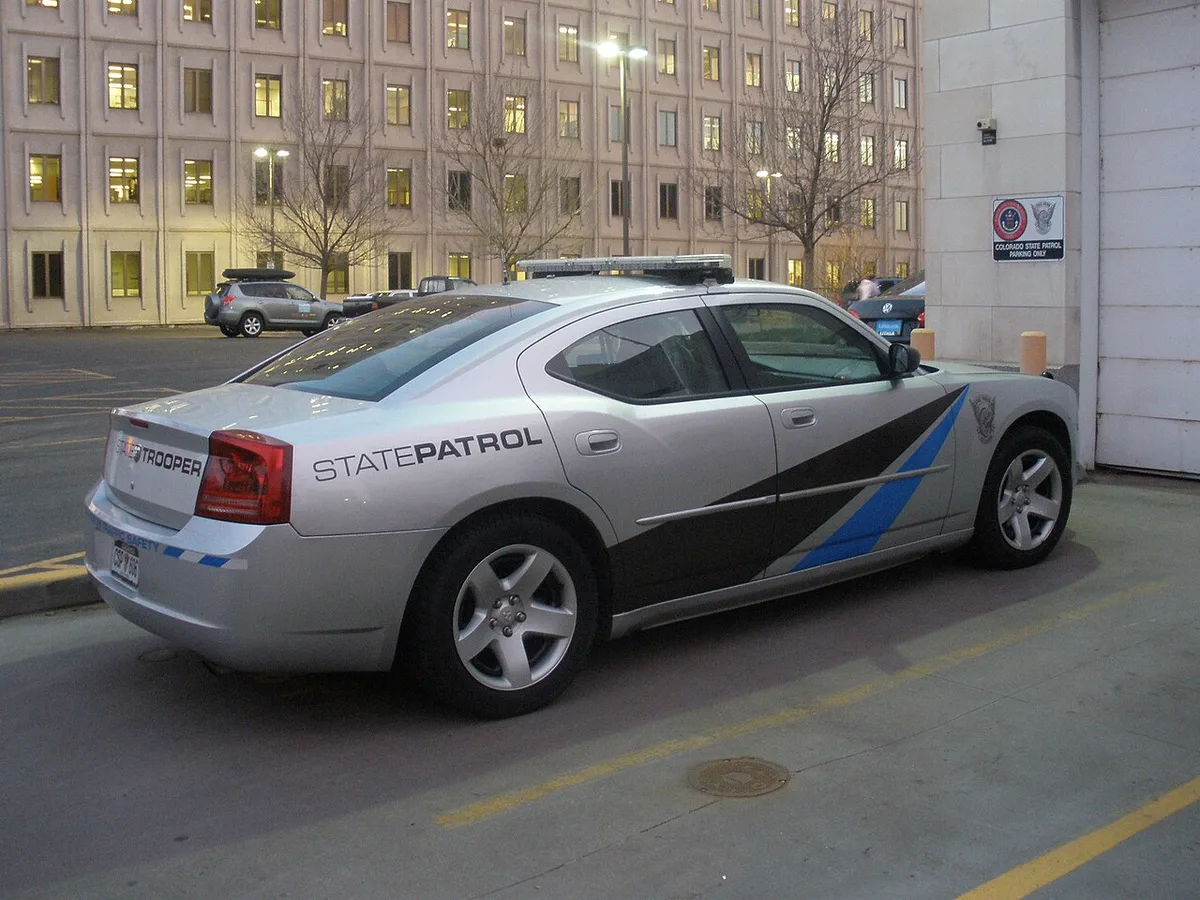
Driving with an expired registration is a traffic infraction in Colorado. The fine can range from $15 to $100 depending on how long it's been expired. A Colorado State Patrol officer can also cite you if the address on your registration doesn't match your current residence.
That's a separate violation under the same statute.
There's another practical reason to keep your address current. If your vehicle is involved in an accident, law enforcement and insurance companies use the DMV record to contact you. An outdated address means delayed communication at a time when you need it most.
Wikimedia Commons / The Eyes Of New York from NY, NY, USA (CC BY-SA)
Colorado's Address Change Law: The Exact Requirement in Plain English
Let's get the legal language out of the way so you know exactly what's expected. Colorado Revised Statutes § 42-6-140 states that any person who holds a Colorado certificate of title or registration for a vehicle must notify the DMV of an address change within 30 days.
The law applies to every vehicle you own. If you have two cars and a motorcycle, each one needs its address updated. It also applies to leased vehicles and financed vehicles.
The lienholder's address is separate from yours, but your personal address still needs to be current.
What counts as a change of address? Any move to a new primary residence within Colorado. If you move from Denver to Colorado Springs, that qualifies.
If you move from one apartment to another in the same building, that still counts. Vacation homes and seasonal addresses don't trigger the requirement unless you're changing your primary residence.
The law does not require you to update your address for a temporary move like a summer job or a semester at college. But if you're establishing a new permanent home, the clock starts ticking.
Your 30-Day Clock: When It Starts and How to Track It
Bing (Web (fair-use with source credit))
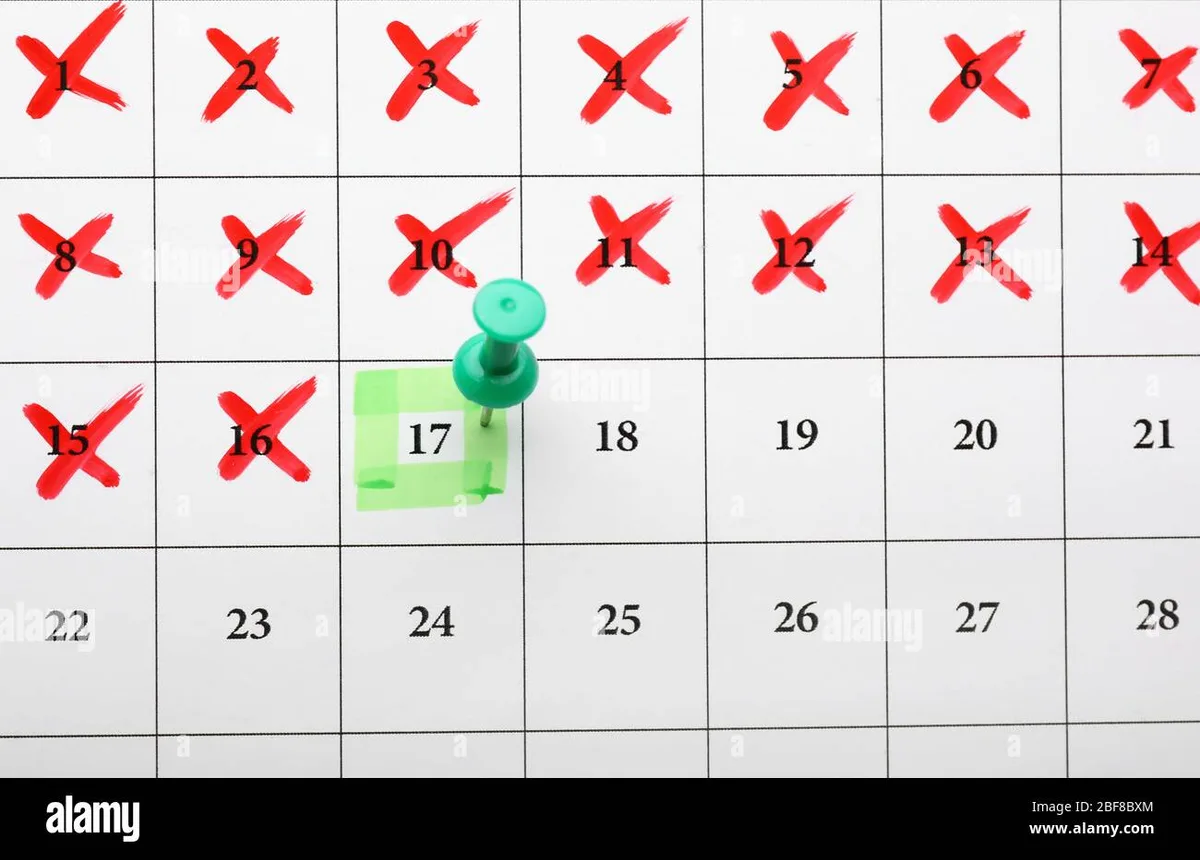
The 30-day period begins on the day you move into your new residence. Not the day you sign the lease. Not the day you close on the house.
The actual day you start living there.
That distinction matters more than you'd think. If you close on a house on June 1 but don't move in until June 15, your 30 days start on June 15. If you move your belongings over a weekend, use the first day you slept at the new place.
The DMV doesn't ask for proof of the exact move-in date unless there's a dispute, but being accurate protects you if you're ever questioned.
Here's how to track your deadline:
- Mark the move-in date on a calendar
- Count 30 days forward
- Set a reminder for day 25 to give yourself a buffer
- Complete the update before day 30
If day 30 falls on a weekend or holiday, the DMV recommends submitting your notification before that date. Online updates are available 24/7, so there's no excuse for missing the deadline. In-person offices may have limited hours, so plan accordingly.
One common question is whether the 30 days are calendar days or business days. They are calendar days. Weekends and holidays count toward the deadline.
The Two-Step Process You Can't Skip (Driver License vs. Vehicle Records)
This is where most Colorado car owners get tripped up. Changing your address on your driver license and changing it on your vehicle records are two separate processes. They are not linked.
Here's the breakdown:
| What needs updating | Where to do it | Separate process? |
|---|---|---|
| Driver license address | myDMV or DMV office | Yes |
| Vehicle registration address | myDMV or DMV office | Yes, must be done separately |
| Vehicle title address | myDMV or DMV office | Yes, separate from registration |
| License plates | No change needed | Plates stay with the vehicle |
You cannot update your vehicle records when you update your driver license. The online system treats them as distinct transactions. When you log into myDMV, you'll see separate options for "Change Your Address" under driver services and under vehicle services.
Why does this matter? If you update your driver license but not your vehicle records, your registration renewal notices will still go to your old address. Your vehicle title will still show your previous residence.
If a law enforcement officer runs your plates, the address on the registration won't match your current ID.
The Colorado DMV sends your new registration card and stickers to the address on file for the vehicle. If that address is old, you won't receive them. You'll have to visit a DMV office to get replacements, which costs time and sometimes a fee.
The good news is that you can do both updates in the same session on myDMV. Just make sure you complete each one before logging out. The system won't link them automatically.
How to Update Your Vehicle Records: Online, In Person, or By Mail
You have three options for updating your vehicle records. Each has its pros and cons.
Online Through myDMV
This is the fastest and most convenient method. Go to Colorado.gov/myDMV and log in or create an account. You'll need your driver license number, date of birth, and the last four digits of your Social Security number.
Once logged in, select "Vehicle Services" and then "Change of Address." Enter your new address and confirm. The system updates your vehicle registration and title records instantly. You'll receive a confirmation email.
Online updates are available 24 hours a day, 7 days a week. There is no fee for the address change. If you have multiple vehicles, you can update them all in one session.
In Person at a County DMV Office
If you prefer face-to-face service or have a complex situation, visit your local county DMV office. Bring your current driver license, vehicle registration card, and proof of your new address. Proof can include a utility bill, lease agreement, mortgage statement, or bank statement dated within the last 60 days.
The in-person process takes about 15 to 30 minutes depending on wait times. There is no fee for the address change itself. You'll receive a paper receipt showing the update.
By Mail
You can also submit a change of address by mail using the MV-2003 form. Download the form from the Colorado DMV website. Fill it out completely and mail it to the address listed on the form along with a copy of your proof of residency.
Mail processing takes longer. The DMV recommends allowing 2 to 4 weeks for the update to appear in their system. This method is best if you have at least 45 days before your registration expires.
For most people, online or in person is more reliable.
What You'll Need: Documents, Proof of Residency, and Account Setup
Bing (Web (fair-use with source credit))
Before you start, gather everything in one place. It makes the process much faster.
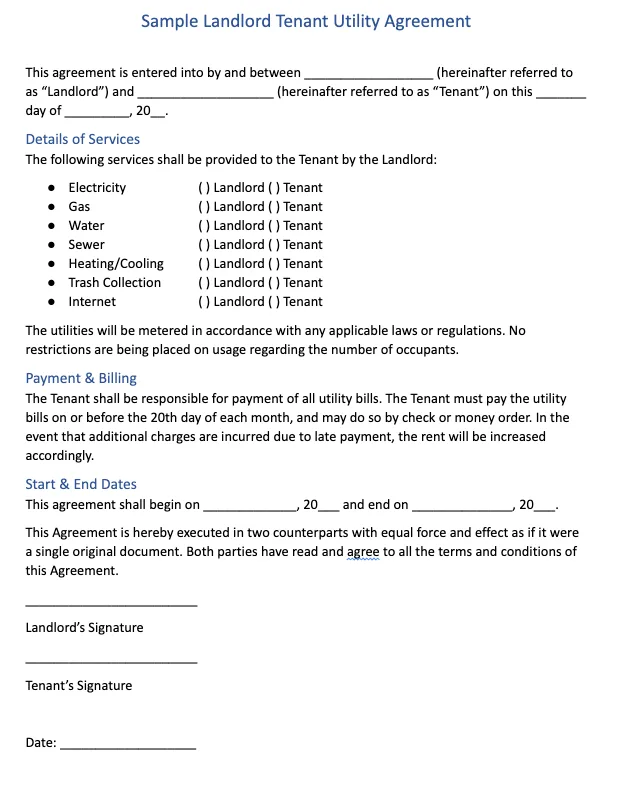
For an online update through myDMV, you need your Colorado driver license or ID card number. You also need your date of birth and the last four digits of your Social Security number. The system uses these to verify your identity.
For an in-person visit, bring these items:
- Your current Colorado driver license or ID card
- Your vehicle registration card (if you have it)
- One document proving your new address
- The document must be dated within the last 60 days
Acceptable proof of residency includes a utility bill (Xcel Energy, Comcast, water bill), a lease agreement, a mortgage statement, or a bank statement. A credit card statement and a voter registration card also work. Insurance cards and pay stubs are not accepted.
If you're updating by mail, include a photocopy of your proof of residency. Do not send the original. The DMV will not return it.
One tip from our research: if you use a digital bill or statement, print it before you go. Some DMV offices prefer physical copies over showing a phone screen. County offices vary on this, but having a paper copy eliminates the guesswork.
Common Mistakes That Get Colorado Car Owners in Trouble
Most of the issues we see come down to a few recurring oversights. Knowing them in advance saves you time and money.
Mistake 1: Thinking the USPS change of address covers you.
This is the biggest one. Submitting a change of address with the United States Postal Service only forwards your mail. It does not update your DMV records.
Your registration renewal notices will still go to the old address. The DMV has its own separate system, and it doesn't talk to the post office.
Mistake 2: Updating your driver license but not your vehicle records.
As we covered earlier, these are two separate processes. If you only update your driver license, your vehicle registration and title still show your old address. This means your renewal notice goes to the wrong place.
And if law enforcement runs your plates, the registration address won't match your ID.
Mistake 3: Waiting too long to update.
The 30-day window sounds generous, but it passes quickly. People assume they have time, then suddenly it's day 35 and they haven't done it. The penalty for missing the deadline is up to $100.
Setting a reminder on your phone for day 20 after the move is a simple fix.
Mistake 4: Forgetting to update each vehicle separately.
If you own multiple vehicles, each one needs its address updated. The online system lets you do them all in one session, but you have to select each one. If you own a car and a motorcycle, both need the same treatment.
Mistake 5: Using an old account or wrong login.
Some people create a myDMV account years ago and forget the password. If you can't log in, you can reset your password online. But if you haven't verified your identity with the DMV recently, you may need to visit an office first.
That takes extra time.
What Happens If You Miss the 30-Day Window
Let's be clear about the consequences. Missing the deadline doesn't mean your registration is automatically suspended. But it does create a chain of problems.
The first consequence is a potential fine. Under Colorado law, failing to update your address within 30 days can result in a penalty of up to $100. This typically comes into play if you're cited during a traffic stop or if you're caught during a registration renewal.
The second consequence is that your registration renewal notice goes to your old address. You won't know your registration is about to expire. If you miss the renewal deadline, you're driving with expired tags.
That's a separate traffic infraction with its own fines.
The third consequence is slower mail delivery for your new registration card. If the DMV sends your updated card to an old address, it might get forwarded by USPS. Or it might not.
If it's returned to the DMV as undeliverable, you'll have to visit an office in person to get a replacement.
In our research, the most common scenario we found is a car owner who moves, forgets to update the vehicle records, and then gets a registration renewal notice at their old address. A roommate or new tenant throws it away. The owner doesn't realize the registration is expired until they get pulled over.
The fix is straightforward. Update your address as soon as you realize you missed the deadline. There's no late fee specifically for the address change itself.
The penalty only applies if you're cited. But the sooner you update, the sooner your records are accurate.
Real Scenarios: Moving Within Colorado vs. Moving to Colorado
The process differs depending on whether you're moving within Colorado or moving to Colorado from another state.
Moving within Colorado
This is the simpler scenario. You already have a Colorado driver license and Colorado vehicle registration. The address change is straightforward.
Log into myDMV, update your vehicle records, and separately update your driver license. Your plates stay the same. Your registration renewal schedule stays the same.
The only twist is if you're moving to a county with different emissions testing requirements. For example, moving from rural Colorado to the Denver metro area means you'll need to pass an emissions test at your next renewal. But the address change itself doesn't trigger that requirement until renewal.
Moving to Colorado from another state
This is a different process entirely. You have two separate deadlines. You must register your vehicle in Colorado within 90 days of establishing residency.
And you must update your address on your out-of-state records within 30 days if your previous state requires it (most do).
But here's the thing: when you register your vehicle in Colorado, you'll provide your new Colorado address. That registration automatically establishes your address in the Colorado DMV system. So the 30-day address notification requirement is essentially handled during the new registration process.
Don't assume this happens automatically though. If you register your vehicle in Colorado, confirm that the address on the new registration card is correct. Check the DMV's records online within a week to make sure.
One practical tip for new Colorado residents: before you sell or trade in a vehicle registered in your previous state, update your address with that state first. Some states charge a fee for updating an address after the vehicle is sold.
Special Situations: Leased Vehicles, Joint Ownership, and Military Members
Leased vehicles
If your vehicle is leased, the leasing company is listed on the title as the owner. You are the lessee. Your personal address still needs to be updated with the Colorado DMV.
The leasing company's address stays the same.
The process is the same as for an owned vehicle. Update your address on the vehicle record. The DMV sends registration notices to your address, not the leasing company's.
If you miss a renewal notice, the leasing company may charge you a late fee under your lease agreement.
Joint ownership
If the vehicle is owned by two people, both owners need to be on the same page about the address change. Either owner can update the address online or in person. The DMV doesn't require both signatures for an address change.
But there's a nuance. If one owner moves and the other doesn't, the vehicle record should reflect the address where both owners receive mail. The DMV sends only one registration card.
If the addresses are different, choose the address where the vehicle is primarily kept.
Military members
Active duty military members have special protections under Colorado law. If you're stationed in Colorado but your legal residence is in another state, you may not need to update your Colorado vehicle records. Your vehicle can remain registered in your home state under the Servicemembers Civil Relief Act.
But if you choose to register your vehicle in Colorado, the standard 30-day address change rule applies. If you move to a new base or change your Colorado residence, update your address within 30 days.
One exception: military members deployed overseas can request an extension. Contact the Colorado DMV's military liaison office for specific instructions. In our research, they require a copy of deployment orders and a written request.
How This Affects Your Registration Renewal (And Vice Versa)
Your registration renewal and your address on file are directly connected. The DMV sends your renewal notice to the address on your vehicle record. If that address is outdated, you won't receive the notice.
You can still renew your registration online even if your address is wrong. The system will prompt you to update your address first. Complete that step, then proceed with the renewal.
It adds about two minutes to the process.
If you're renewing in person, bring proof of your new address. The clerk can update the record and process the renewal in one visit. This is the most efficient route if you're already near a DMV office.
Frequently Asked Questions About Colorado Address Changes
Do I need to update my address if I'm only moving temporarily?
No. A temporary move for a summer job or a semester at college does not trigger the 30-day requirement. Only a change to your primary residence requires notification.
Can I update my vehicle records without updating my driver license?
Yes. The two are separate processes. You can update your vehicle records and leave your driver license address unchanged.
Colorado law does not require both to match.
How long does it take for the online update to show in DMV records?
The update is instant. Once you submit the online form through myDMV, the system confirms the change immediately. Your new registration card arrives by mail within 7 to 10 business days.
What if I moved but my vehicle is financed?
Update your address the same way as an owned vehicle. The lienholder's address stays the same. Your personal address is what matters for registration notices and renewal reminders.
Is there a fee for changing my address on vehicle records?
No. The address change itself is free online, in person, or by mail. There is no fee charged by the Colorado DMV for this service.
Your Action Plan: Step-by-Step Checklist for Moving and Updating Your Records
Here is the short version. Move in. Mark the date.
Gather your documents. Log into myDMV. Update your vehicle records.
Update your driver license separately. Set a reminder for the next renewal cycle. That is all it takes to stay compliant and avoid the headaches down the road.