So your car just turned 30. You are probably looking into Florida antique and historical vehicle registration for cars 30 years old. The good news is the process is straightforward once you understand the rules.
Florida splits older vehicles into two categories. Both come with specific usage limits, lower fees, and simple renewal cycles. Antique plates cost about $4.50 per year.
Standard registration costs much more. As of 2025, the state uses the same guidelines we cover here. Let's walk through everything so you pick the right path and avoid the common mistakes.
Quick Answer
Florida antique and historical vehicle registration for cars 30 years old requires original or restored condition. Antique plates cost $4.50 per year. Historical plates cost $28.00 per year.
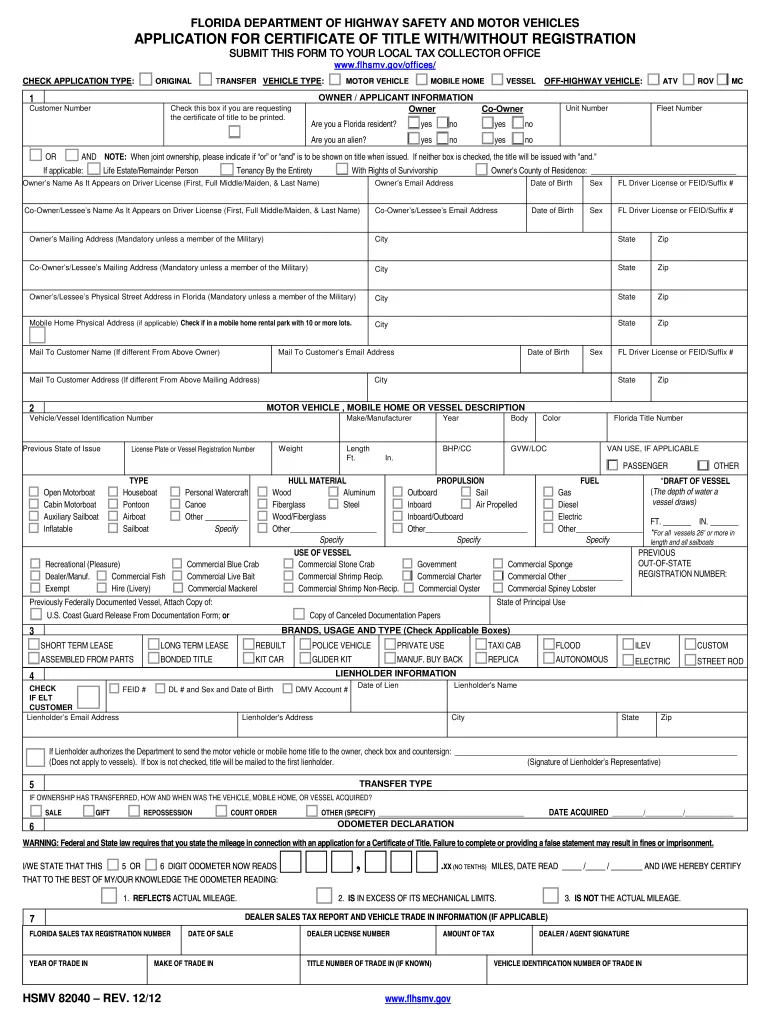
Both limit driving to events and occasional pleasure. Apply at any Florida DMV. Bring proof of insurance, title, and the HSMV 82040 form.
Do You Qualify? Florida's 30-Year Rule for Antique & Historical Plates
Before picking a plate type, confirm your car meets the basic eligibility requirements.
Age requirement. Your vehicle must be at least 30 model years old. That is a firm cutoff. If the car is 28 or 29 years old, you can only get standard plates until it qualifies.
Condition requirement. The car must be in its original or restored condition. That means the body, engine, and major components match how they left the factory. A fully customized street machine may not qualify.
The DMV can reject the application if they find heavy modifications.
Usage restriction. You cannot use the car for daily commuting or primary transportation. The law limits driving to car shows, parades, club activities, and occasional pleasure drives.
Decision logic. If your car is 30+ years old, in original or restored condition, and used only occasionally, you qualify. If not, choose standard registration.
Antique vs. Historical: What's the Difference in Florida?
At first glance these plates seem identical. Both require a 30+ year-old car in original or restored condition. Both limit you to occasional use.
The real differences are the plate design and the fees.
| Feature | Antique Plate | Historical Plate |
|---|---|---|
| Annual renewal fee | $4.50 | $28.00 |
| One-time plate fee | $2.50 | $2.50 |
| First year total | $7.00 | $30.50 |
| Plate design | Blue & white with "Antique" text | Blue & white with "Historical" text |
| Usage allowed | Exhibitions, parades, club events | Same |
| Eligibility | Same 30+ year requirement | Same 30+ year requirement |
Which one should you pick? Antique plates are best for budget-conscious collectors. They cost significantly less. Historical plates work well for vehicles with documented historic significance.
Either way, the registration process is nearly identical.
What You Can (and Can't) Do With Antique/Historical Plates
Using these plates comes with clear rules. The state enforces them, so stick to the guidelines.
Allowed uses:
- Car shows and exhibitions
- Parades and community events
- Club meetings and club-sponsored activities
- Occasional pleasure driving (Sunday cruise to lunch)
- Transport to and from repair shops
- Test drives or tune-ups
Prohibited uses:
- Daily commuting to work or school
- Commercial or business use
- Driving for hire or rental
- Using the car as your primary transportation
If the DMV flags your registration for excessive mileage, you could lose the plate privilege. Keep a log of club events or shows you attend. It is simple proof if anyone asks.
Step-by-Step: Registering a 30+ Year-Old Car in Florida
Whether you are buying a classic already in Florida or bringing one from another state, the steps are straightforward.
What You'll Need
| Document | Notes |
|---|---|
| Florida title or out-of-state title | Must be in your name or properly assigned |
| Proof of insurance | Minimum 10/20/10 liability coverage |
| VIN inspection | Only if never titled in Florida before |
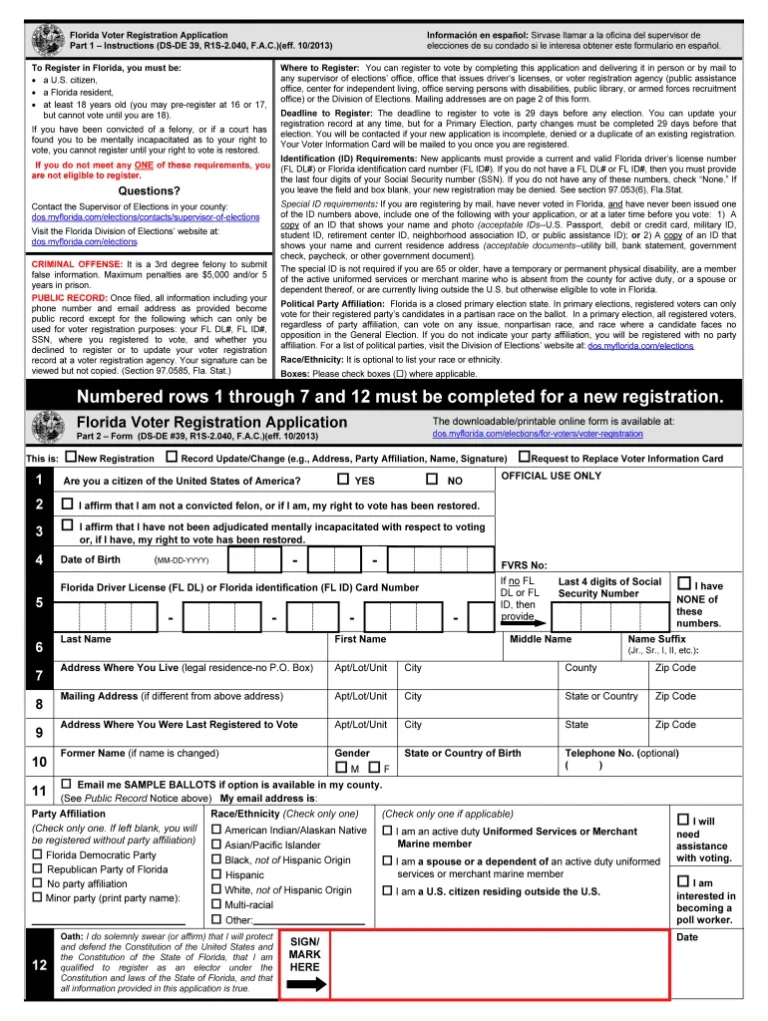
| Completed HSMV 82040 form | Application for Certificate of Title With/Without Registration |
| Payment for fees | Check, cash, or credit depending on office |
The Process
- Gather your documents. Make sure the title is signed correctly. If the car has no title, you may need a bonded title through the DMV.
- Complete HSMV 82040. Download it online or pick one up at any tag agency.
- Get a VIN inspection if needed. Required for out-of-state vehicles or those never titled in Florida.
- Visit a Florida DMV or authorized tag agency. Apply in person for fastest processing.
- Pay the fee. Antique plates cost $7.00 the first year. Historical plates cost $30.50.
- Receive your plates. You get them on the spot or within a few weeks by mail.
Costs & Fees for Florida Antique/Historical Registration
Lower cost is one of the biggest reasons collectors choose these plates. Here is the full breakdown.
| Fee Type | Antique | Historical | Standard Passenger Vehicle |
|---|---|---|---|
| Annual base registration | $4.50 | $28.00 | $27.60 |
| Plate fee (first year only) | $2.50 | $2.50 | $10.00 |
| Local county fee | Varies ($1 to $5) | Varies ($1 to $5) | Varies |
| Total first year (approx) | $7.00 to $12.00 | $30.50 to $35.00 | $38.00 to $50.00 |
| Total renewal (each year) | $4.50 plus local | $28.00 plus local | $27.60 plus local |
Key takeaway. Antique plates save you about $20 to $30 per year compared to standard registration. Historical plates cost about the same as standard plates. Some Florida counties like Miami-Dade and Broward charge local surcharges, but those apply to all vehicle types.
Renewing Your Antique/Historical Plates (Biennial Process)
Florida puts you on a two-year renewal cycle. That is one less thing to worry about.
You get a renewal notice in the mail about 45 days before expiration. It lists your renewal date and the total fee due. You can renew online through the FLHSMV portal, by mail, or in person at any tag agency.
The fee is your annual rate multiplied by two. For antique plates, that is $9.00 plus local county fees every two years. For historical plates, it is $56.00 plus local fees.
No emissions test is needed. No safety inspection is needed. Just pay the fee and you are good.
If your insurance lapses during that window, the state can suspend your registration. Keep an active policy.
Modified Vehicles: When You Lose Antique Status
This is a common pitfall. A 1972 Chevy with a crate engine and custom suspension is still 30 years old. But it might not qualify for antique plates.
Florida statute 320.086 says the vehicle must be in original or restored condition. If the engine has been swapped for a non-original type or the frame has been altered, the DMV can deny antique or historical status. Minor modifications are usually fine.
Replacing a carburetor with a similar aftermarket unit or upgrading brakes for safety does not disqualify you. A full restomod with a modern drivetrain enters a grey area.
If you are unsure, ask your local tag agency before you apply. Bring photos of the engine bay and chassis. They can give you a preliminary opinion.
If they say it is too modified, register it as a standard passenger vehicle.
Good news on emissions. Even if your car is too modified for antique plates, Florida exempts vehicles 30 model years and older from emissions testing. That applies regardless of registration type.
Insurance Requirements for Florida Antique Cars
The state minimum is the same for antique and historical plates as it is for standard vehicles: 10/20/10 liability coverage. That covers $10,000 in property damage, $20,000 per person for bodily injury, and $40,000 total per accident.
Many collectors switch to specialty insurers like Hagerty, Grundy, or American Collectors. These companies offer agreed value policies. If the car is totaled, you get the full insured amount, not the depreciated market value.
Specialty policies often come with mileage limits around 2,500 miles per year and require garage storage. The tradeoff is lower premiums. Our research suggests rates under a specialty policy can be 30 to 50 percent less than a standard policy.
When you register, bring proof of an active Florida liability policy. The insurance card must list the VIN and your name. Keeping your classic in top shape between shows also means using the right soap to remove salt and grime and proper storage.
Common Mistakes That Get Applications Rejected
The DMV sees plenty of rejected applications each year. Most mistakes are easy to avoid.
Missing or incorrect title. The most common issue. If the title is not signed correctly by the previous owner or the VIN does not match, the application stops. Double check every field before you go.
Out-of-state title not processed. You need to transfer the out-of-state title to Florida first. Some people assume the antique plate application handles the transfer automatically. It does not.
Complete the title transfer using the HSMV 82040 form.
Insurance lapse. If your policy is not active at the moment of application, the DMV rejects it. Even a one-day gap causes trouble. Have proof of insurance handy.
Modified car as antique. As we covered earlier, heavy modifications can disqualify the car. Get a pre-check from the tag agency to avoid wasting time and money.
Incorrect model year. Florida uses the model year to determine the 30-year threshold. If the model year is unclear, bring documentation like the original window sticker or a classic car appraisal.
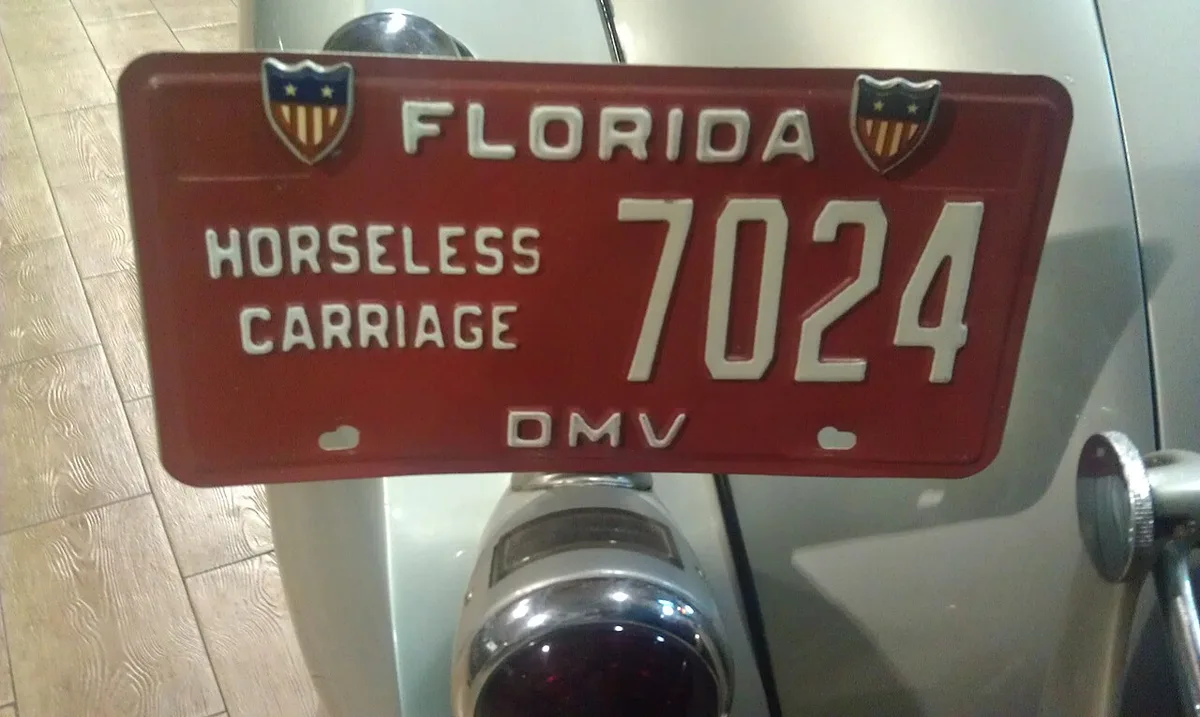
Historic vehicle registration rules in other states follow a similar structure. For example, Connecticut has comparable eligibility rules for its Early American plates, and California offers a similar Horseless Carriage plate with its own fee schedule.
Year of Manufacture (YOM) Plates: How to Get Vintage Tags
Want your classic to display a plate matching its original model year? Florida lets you do that.
Requirements:
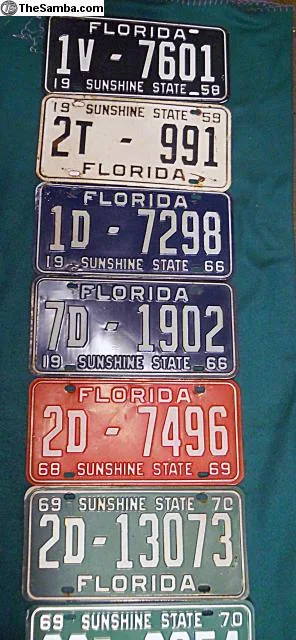
- The plate must be an original Florida plate from the car's model year.
- It must be in good condition (readable, no major damage).
- You must already have an active antique or historical registration.
How to apply:
- Find a clean vintage Florida plate that matches your car's year. Look at flea markets, online marketplaces, or collector events.
- Take the plate to a tag agency along with your current registration.
- Pay the YOM validation fee of $15 plus the regular renewal fee.
- The agency issues a sticker that goes on the plate to make it legal.
Important caveats. You still need to maintain the underlying antique or historical registration. The YOM plate is purely cosmetic. It must match your car's model year exactly.
Florida Counties With Extra Rules or Fees
Most Florida counties follow the same state rules. A few add local surcharges or specific procedures.
Miami-Dade County. Expect an additional local tax of about $5 per year. This applies to all vehicles.
Broward County. Similar local fee of around $4 per year. No extra paperwork needed.
Palm Beach County. Some tag agencies require a VIN inspection even for in-state transfers. Call ahead.
Duval County (Jacksonville). The office follows state rules strictly. Modified cars get extra scrutiny.
What to do. Before heading to any tag agency, call or check its website. Ask about county-specific fees. That way you avoid surprises at the counter.
Frequently Asked Questions About Florida's 30-Year-Old Car Registration
How does Florida determine a car's age?
Florida uses the model year. If a car is listed as a 1995 model, it becomes eligible in 2025. That is 30 model years from the current calendar year.
Can I drive my antique car across state lines?
Yes. Antique and historical plates are valid across the U.S. Other states recognize Florida specialty plates as long as you follow local traffic laws.
Can I register a car with a salvage title?
Yes. Florida allows salvage title vehicles to be registered. You may need a VIN inspection and a rebuilt title inspection if the car was declared a total loss and then repaired.
What if my car has no title?
You need a bonded title through the DMV. You obtain a surety bond equal to the car's value. It takes extra time but is common for older barn finds.
Can I switch from standard plates to antique plates mid-cycle?
Yes. You can apply for antique plates at any time. You will not receive a refund for the unused portion of your standard registration.
The new antique cycle starts from your current expiration date.
Do antique plates need annual safety inspections?
No. Vehicles with antique or historical plates are exempt from Florida's safety inspection requirements. They are also exempt from emissions testing.
Final Checklist: Before You Head to the DMV
Run through this list to avoid a wasted trip.
- Vehicle title (signed correctly, no errors)
- Proof of insurance (minimum 10/20/10 liability, active today)
- Completed HSMV 82040 form
- VIN inspection (if vehicle never titled in Florida before)
- Payment for fees (cash, card, or check)
- Original Florida plate (if applying for YOM plates)
- Photo ID (your driver's license)
- County fee list (optional but helpful)
If you have all of these ready, the process takes about 20 minutes. If something is missing, you will need to come back.
Pro tip. Visit your local tag agency mid-week and early in the morning. Right after lunch is the busiest time. A smooth visit saves you hours.
For more guidance on vehicle ownership and registration topics, check out our other in-depth resources.
Run through this list to avoid a wasted trip.
- Vehicle title (signed correctly, no errors)
- Proof of insurance (minimum 10/20/10 liability, active today)
- Completed HSMV 82040 form
- VIN inspection (if vehicle never titled in Florida before)
- Payment for fees (cash, card, or check)
- Original Florida plate (if applying for YOM plates)
- Photo ID (your driver's license)
- County fee list (optional but helpful)
If you have all of these ready, the process takes about 20 minutes. If something is missing, you will need to come back.
Pro tip. Visit your local tag agency mid-week and early in the morning. Right after lunch is the busiest time. A smooth visit saves you hours.
For more guidance on vehicle ownership and registration topics, check out our other in-depth resources.