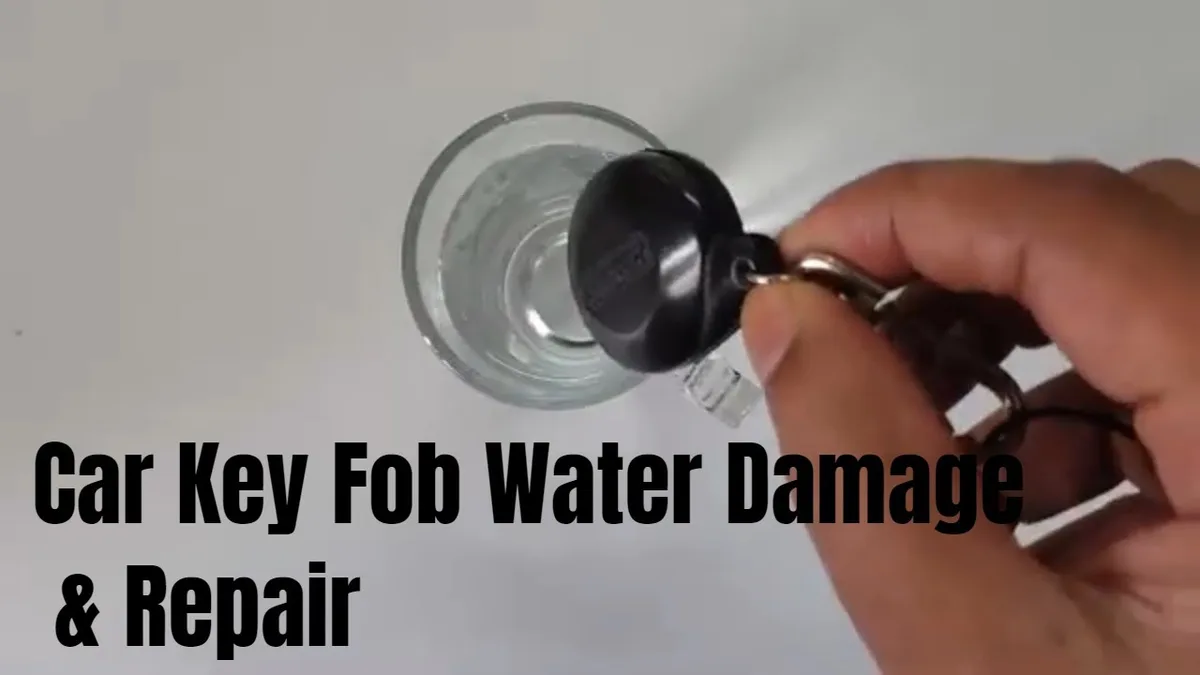
Your car key fob went through the washing machine. Don’t panic, it’s a common mishap, and many fobs survive if you act fast. The real question is whether it’s still working or already fried.
Most modern key fobs use a CR2032 lithium battery and a simple circuit board. If the fob has an IP67 rating, it can handle temporary water exposure, but a full wash cycle is a different story.
Quick Answer
Your car key fob went through the washing machine. Remove the battery immediately. Let it dry for 24 to 48 hours.
Test it before assuming it’s broken. Many fobs recover if dried properly.
Why Washing a Key Fob Is a Big Deal (And When It’s Not)
Water itself doesn’t always kill a key fob. The real risk is corrosion from minerals in tap water or detergent. If your fob has a waterproof rating like IP67, it might survive a quick dunk, but a full wash cycle is a gamble.
Older fobs with simple infrared signals are more vulnerable. Newer RFID or radio-frequency models often have better sealing. Manufacturer specs confirm that most OEM fobs aren’t designed for prolonged water exposure.
First Steps: What to Do Right Now
Pull the fob out of the machine as soon as you realize what happened. Every minute counts. The longer it sits wet, the higher the chance of corrosion.
Remove the battery if possible. This cuts power and prevents short circuits. If you can’t open it immediately, shake out excess water and pat it dry with a towel.
Do not press any buttons. This could cause a short if water is still inside. Avoid heat sources like hair dryers or ovens, extreme temperatures can warp the plastic or damage the circuit.
How to Tell If Your Key Fob Is Actually Damaged
Check for visible water inside the casing. If you see condensation or droplets, it’s definitely wet. Next, look for signs of corrosion on the battery contacts or circuit board.
Try the fob. If it works, you got lucky. If it doesn’t respond at all, the battery or circuit may be damaged.
Some fobs will work intermittently if the connections are dirty or corroded.
Listen for a clicking sound when you press buttons. If you hear it but the car doesn’t respond, the issue might be with the signal. If there’s no sound, the fob itself is likely dead.
How to Dry It Out the Right Way
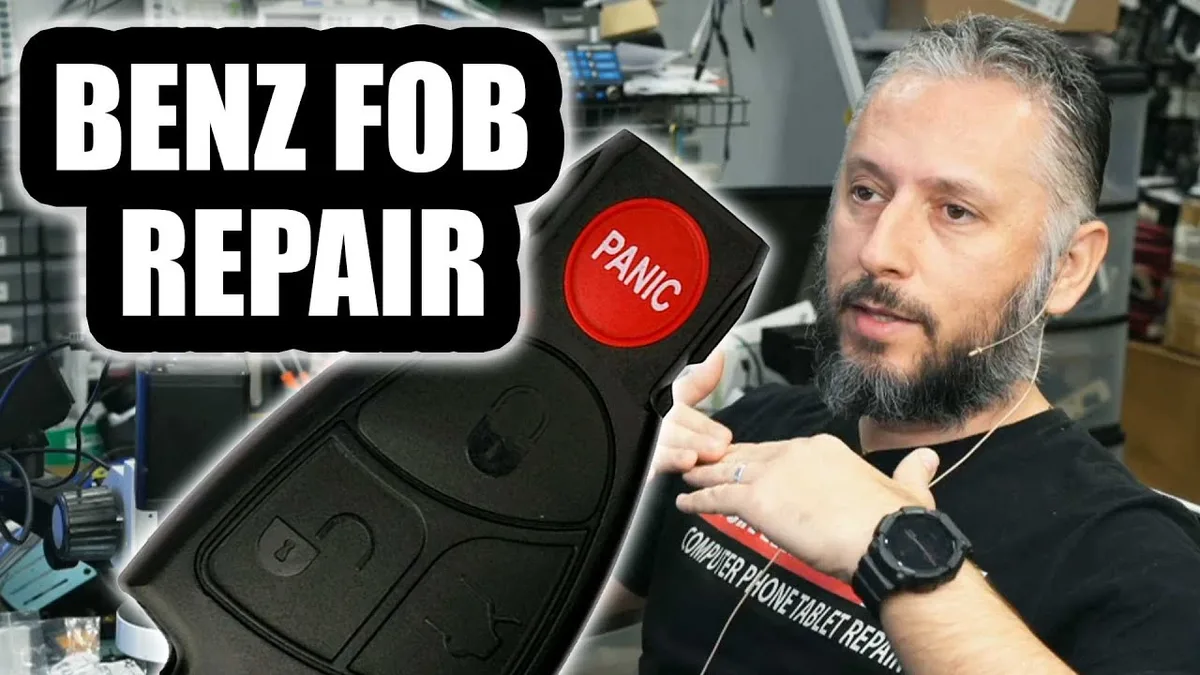
Start by taking the fob apart if you can. Most have a small seam or screw holding them together. Use a flathead screwdriver or a plastic pry tool to avoid scratching the casing.
Once open, remove the battery and any other removable parts. Lay everything out on a dry towel. Avoid touching the circuit board directly, oils from your skin can cause issues.
Use silica gel packets or uncooked rice to absorb moisture. Silica gel works faster and more effectively. Place the fob and its components in a sealed bag with the desiccant for 24 to 48 hours.
Do not reassemble the fob until you’re sure it’s completely dry. If you rush this step, you risk trapping moisture inside, which will cause corrosion later.
What Not to Do (Common Mistakes That Make It Worse)
Don’t use a hair dryer or oven to speed up drying. Heat can warp the plastic casing or melt internal components. This often does more harm than the water itself.
Avoid pressing buttons while the fob is still wet. This can cause electrical shorts that fry the circuit board. Even if it seems dry on the outside, moisture may linger inside.
Don’t submerge the fob in rice or water again. Rice helps absorb moisture but isn’t a magic fix. Water will only make the problem worse.
When to Replace the Battery (And How to Do It)
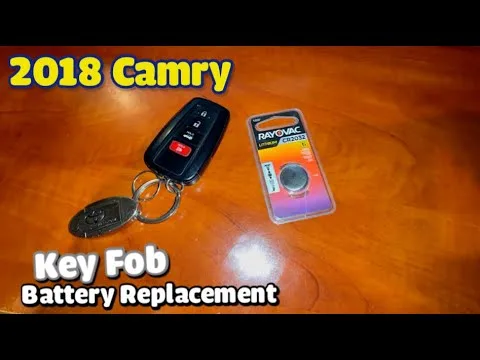
If the fob doesn’t work after drying, the battery may be dead. Most key fobs use a CR2032 or CR2025 lithium coin cell. Check your owner’s manual for the exact type.
Replacing the battery is simple. Use a small flathead screwdriver to open the casing. Remove the old battery and insert the new one with the positive side facing up.
If the fob still doesn’t work, the issue may be corrosion or a damaged circuit. In that case, you’ll need to clean the contacts or consider a replacement.
Cleaning Corrosion: If Water Left a Mess Inside
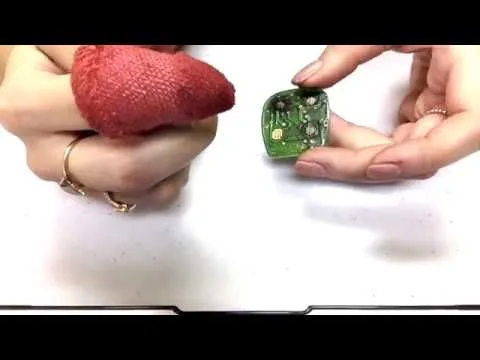
Corrosion looks like white or greenish crust on the battery contacts or circuit board. If you see this, don’t scrape it off with a metal tool. This can damage the traces on the board.
Use isopropyl alcohol (90% or higher) and a soft brush or cotton swab. Dip the swab in alcohol and gently rub the corroded areas. The alcohol dissolves corrosion without harming the electronics.
Let the fob dry completely after cleaning. Reassemble it only when you’re sure all moisture and alcohol have evaporated.
How to Test If Your Key Fob Is Fixed
Stand near your car and press the unlock button. If the lights flash or the doors unlock, the fob is working. If nothing happens, try the lock button.
Check the range. Walk a few feet away and try again. Weak signals may work only at close range.
If it’s inconsistent, the battery or antenna may still be damaged.
If the fob works but the car doesn’t respond, the issue might be with the car’s receiver. In this case, a dealership or locksmith can diagnose the problem.
When You Need a Professional (And What It’ll Cost)
If the fob still doesn’t work after drying and cleaning, it may need reprogramming. Some cars require a dealer to sync a new fob to the vehicle’s security system.
Replacement costs vary. A basic aftermarket fob can cost $20 to $50. OEM replacements from a dealership often run $100 to $400, including programming.
If you’re locked out, a mobile locksmith can often cut and program a new fob on the spot. This is usually cheaper than a dealership visit.
Can You Prevent This in the Future?
The simplest fix is to keep your key fob out of pockets when doing laundry. Use a designated spot like a hook or bowl near the door. This prevents accidental wash cycles.
Consider a waterproof key fob case if you’re prone to mishaps. These silicone covers add a layer of protection against water and drops. They’re inexpensive and widely available.
If your car has a keyless start, check if the manufacturer offers a water-resistant fob. Some newer models include this feature as standard.
Frequently Asked Questions
Will rice really dry out my key fob?
Rice can absorb some moisture but it’s slow and not the most effective method. Silica gel packets work better and faster. For best results, use a combination of air drying and desiccants.
How long should I wait before testing the fob?
Give it at least 24 hours in a dry environment. 48 hours is even better for thorough drying. Testing too soon can cause shorts if moisture remains.
Can I use a hair dryer to speed up the process?
No. Heat can damage the internal components. Stick to air drying or desiccants like silica gel.
What if my fob works but the range is shorter?
This often means the battery is weak or the antenna is damaged. Try replacing the battery first. If that doesn’t help, the fob may need professional attention.
Is it safe to drive with a wet key fob?
If the fob is still functional, you can use it to start the car. However, avoid pressing buttons unnecessarily. Get it dried and checked as soon as possible.
Will my warranty cover water damage?
Most manufacturer warranties don’t cover water damage. Check your specific policy but expect to pay out of pocket for repairs or replacements.