Late registration penalties from the DMV can sneak up fast, and figuring out how to get around the penalty for late registration the DMV charges isn’t always straightforward. The good news is that most states offer ways to reduce or even waive these fees if you act quickly and have a valid reason.
As of 2026, late fees can range from $10 to over $250 depending on your state, and some add daily charges the longer you wait. The key is knowing your state’s rules and what excuses they’ll actually accept.
Quick Answer
You can get around a DMV late registration penalty by requesting a waiver. Most states allow this for valid reasons like military deployment or medical emergencies. Check your state’s grace period first.
Some offer 10 to 30 days before fees kick in.
Why Late Registration Penalties Happen (And How Bad They Can Be)
The DMV applies late fees when you miss your registration renewal deadline. These penalties exist to encourage timely compliance and fund administrative costs.
The severity varies by state. California adds a $10 to $100+ fee after a 30-day grace period. Texas charges immediately with no grace period.
New York starts at $8 and adds $1 per day after 10 days. Ignoring it can lead to tickets, towing, or even points on your license in some states.
The 3 Ways to Handle a Late Registration Penalty
You’ve got three main options when facing a late fee. Each path depends on your situation and how quickly you act.
Pay the fee and renew. This is the simplest route if you’re past the grace period with no valid excuse. Most states let you renew online, by mail, or in person, but you’ll pay the penalty on top of the registration cost.
Request a waiver. If you have a legitimate reason, you can ask the DMV to waive the fee. Valid excuses typically include military service, medical emergencies, or DMV errors. You’ll need to provide documentation, like deployment orders or hospital records.
Dispute the fee. If you believe the penalty was applied in error, you can contest it. This might involve proving you renewed on time or that the DMV made a mistake. Success isn’t guaranteed, but it’s worth a try if you have evidence.
Step-by-Step: How to Request a Late Fee Waiver

Start by checking your state’s DMV website for the waiver request process. Some states have an online form, while others require a written letter or in-person visit.
Gather your documentation. This might include proof of military service, medical records, or evidence of a DMV error. The stronger your case, the better your chances.
Submit your request as soon as possible. Some states have deadlines for waiver requests, so don’t delay. If you’re unsure about the process, call your local DMV office for guidance.
Here’s a quick overview of the steps:
| Step | Action | Notes |
|---|---|---|
| 1 | Check eligibility | Review your state’s valid excuses for waivers |
| 2 | Gather documents | Collect proof for your reason |
| 3 | Submit request | Online, by mail, or in person depending on your state |
| 4 | Follow up | Check the status of your request after submission |
What Counts as a “Valid Excuse” (And What Doesn’t)
Not all reasons will get your late fee waived. The DMV has strict criteria, and what works in one state might not in another.
Valid excuses often include:
- Active military duty or deployment
- Serious illness or hospitalization
- Death in the immediate family
- DMV errors
- Natural disasters or emergencies
What usually doesn’t count:
- Forgetting the deadline
- Financial hardship
- Being out of town for non-emergency reasons
- Not receiving a renewal notice
If your excuse isn’t on the approved list, your waiver request will likely be denied. Always check your state’s specific rules before applying.
State-by-State Late Fee Rules You Need to Know
Late fees vary widely by state. Some offer grace periods while others charge immediately. Knowing your state’s rules can save you money and hassle.
Here’s a quick comparison of late fees in a few key states:
| State | Late Fee | Grace Period |
|---|---|---|
| California | $10–$100+ | 30 days |
| Texas | $1–$25 | None |
| New York | $8 + $1/day after 10 days | 10 days |
| Florida | $15–$250 | None |
| Illinois | $20 | None |
Check your state’s DMV website for the most current information. Rules can change, and some states have additional fees for very late renewals.
What Happens If You Just Ignore It?
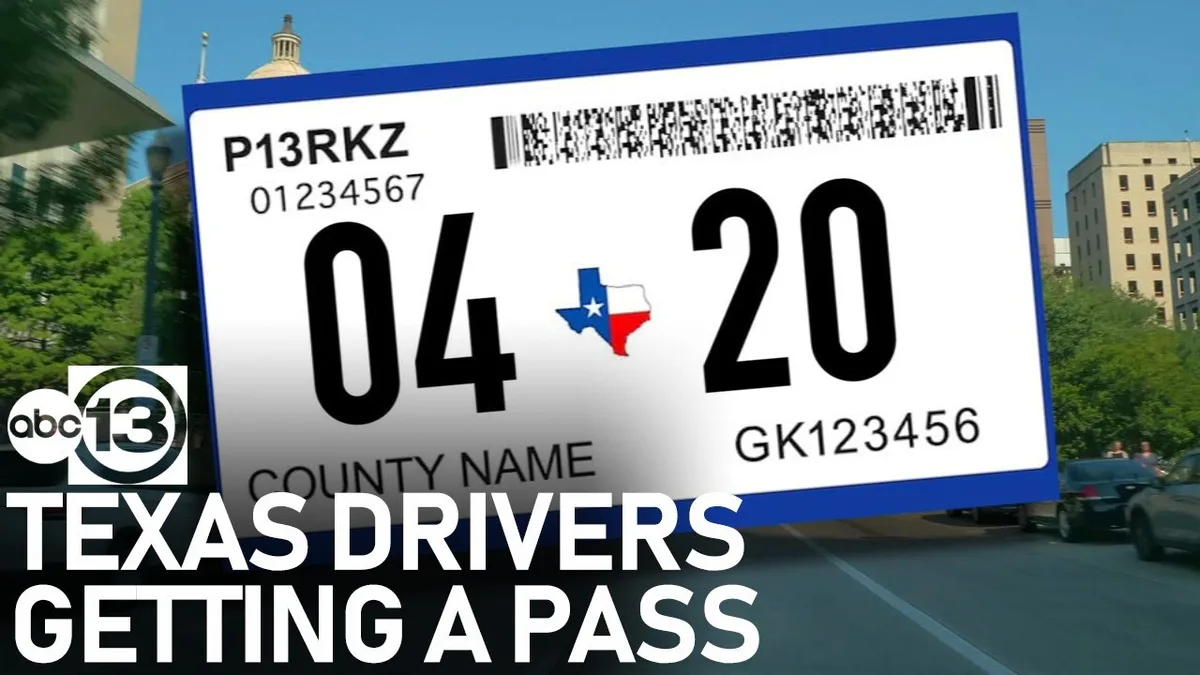
Ignoring a late registration penalty won’t make it go away. In fact, it usually makes things worse. Most states escalate fees the longer you wait.
Driving with an expired registration can lead to traffic stops. If pulled over, you’ll likely get a ticket that’s often more expensive than the late fee itself. In some states, like California, you could face additional penalties for driving with expired tags.
Some states may even impound your vehicle if you’re caught driving with an expired registration for an extended period. It’s not worth the risk.
How to Renew Your Registration Right Now (Before It Gets Worse)
The fastest way to avoid late fees is to renew your registration as soon as possible. Most states offer multiple renewal methods to make the process easier.
Online renewal is the quickest option if your state supports it. You’ll need your vehicle information, proof of insurance, and payment ready.
Mail-in renewal is another option, but it takes longer. Processing can take 2, 3 weeks.
In-person renewal is the slowest but may be necessary if you have outstanding issues. Visit your local DMV office with your vehicle information, proof of insurance, and payment.
The Documents You’ll Need to Prove Your Case
If you’re requesting a waiver, documentation is key. The DMV won’t take your word for it.
For military deployment, submit your orders or a letter from your commanding officer. For medical emergencies, provide hospital records or a doctor’s note. If the DMV made an error, gather any correspondence or notices that prove their mistake.
Here’s a checklist of common documents you might need:
- Military deployment orders
- Medical records or doctor’s note
- Death certificate
- DMV correspondence or notices
- Proof of payment
Without proper documentation, your waiver request will likely be denied.
Common Mistakes That Get Waivers Denied
Even with a valid reason, small mistakes can sink your waiver request. The DMV is strict about their requirements.
Submitting incomplete forms is a common error. Fill out every section of the waiver request form.
Providing insufficient proof is another frequent issue. Some states require hospital records or a detailed letter from your physician.
Missing the deadline for waiver requests can also get your application rejected. Some states require you to submit your request within a certain timeframe after the late fee is applied.
Not following up can leave your request in limbo. If you don’t hear back within the expected timeframe, call or visit the DMV to check on your application’s status.
What to Do If Your Waiver Request Is Rejected
A denied waiver isn’t the end of the road. Most states have an appeals process, but you’ll need to act fast.
First, review the denial letter carefully. It should explain why your request was rejected.
If you believe the decision was unfair, gather additional evidence and submit an appeal. Some states require a formal hearing, while others allow a written request. Check your state’s DMV website for the exact process.
Driving with Expired Registration? Here’s the Real Risk
Driving with an expired registration is illegal in every state. The consequences go beyond just late fees.
You could face a traffic citation if pulled over. Fines vary but often range from $50 to $500.
Worse, your car could be towed or impounded. Some states allow law enforcement to tow vehicles with expired registrations. Getting your car back will cost you towing and storage fees on top of the late registration penalty.
FAQs About DMV Late Fees and Waivers
Can I renew my registration online if it’s already late?
Yes, most states allow online renewal even after the deadline. You’ll still pay the late fee, but it’s the fastest way to get your registration current.
How long does a waiver request take to process?
Processing times vary by state. Some review waivers within a few days, while others can take 2 to 4 weeks.
What if I never received my renewal notice?
Some states may waive the fee if you can prove the DMV failed to send a notice. However, many states consider it your responsibility to renew on time regardless.
Can I drive while my waiver request is pending?
No. Driving with an expired registration is illegal, even if you’ve submitted a waiver request.
Will a late registration affect my insurance?
Possibly. Some insurance companies may view expired registration as a risk factor.
Do all states offer late fee waivers?
No. Waiver policies vary by state. Always check your state’s specific rules.