The Georgia move over law for emergency vehicles and stationary utility trucks is more than road courtesy. It's a misdemeanor if you blow past a stopped crew without acting. Most folks assume it covers only police and ambulances, but the statute reaches further.
As of 2026, O.C.G.A. § 40-6-16 requires a lane shift or a 10 mph slowdown near stopped flashing vehicles. Our research shows drivers get tripped up on narrow rural roads where the safe move isn't clear. Knowing the rule before you drive keeps your record clean.
Why Getting Georgia’s Move Over Law Right Matters
A roadside crash kills workers every year. Georgia put this law on the books to stop those struck-by hits. You don't want a criminal mistake over a missed lane change.
The rule protects linemen, cops, and tow operators. Our state driving law library covers similar statutes if you commute across lines. The stakes are license points and a record.
Wrong moves also raise your insurance risk. A conviction shows up on your motor vehicle report and can spike rates. Treat this as a safety default, not a suggestion.
Quick Answer: What the Law Requires for Emergency and Utility Vehicles
Georgia move over law for emergency vehicles and stationary utility trucks is strict. Move one lane away from stopped flashing-light vehicles if safe. Else slow to 10 mph below the posted limit.
Stationary utility trucks with amber lights count as covered units. Minimum speed is 35 mph on slower posted roads.
Core Explanation of O.C.G.A. § 40-6-16
The statute sits in the Georgia Code as O.C.G.A. § 40-6-16. It expanded in 2021 through HB 245 to add utility service vehicles. Before that, only traditional emergency rigs were covered.
The law triggers when a vehicle is stationary and showing flashing lights. Red, blue, or amber all count depending on the unit type. Federal roadside worker guidance stresses the same protection goal.
If you can change lanes safely, you must. If traffic blocks you, the speed drop applies. Our research notes many drivers confuse this with a simple suggestion.
Some states limit coverage to red and blue only. Connecticut's auxiliary light limits show how lighting laws vary by state. Private car light restrictions in CT reveal similar color logic for emergency response.
Which Vehicles Trigger the Rule (Emergency vs. Stationary Utility Trucks)
Authorized emergency vehicles include law enforcement, fire, and EMS. They typically run red or blue flashing lights. You already know to yield to these.
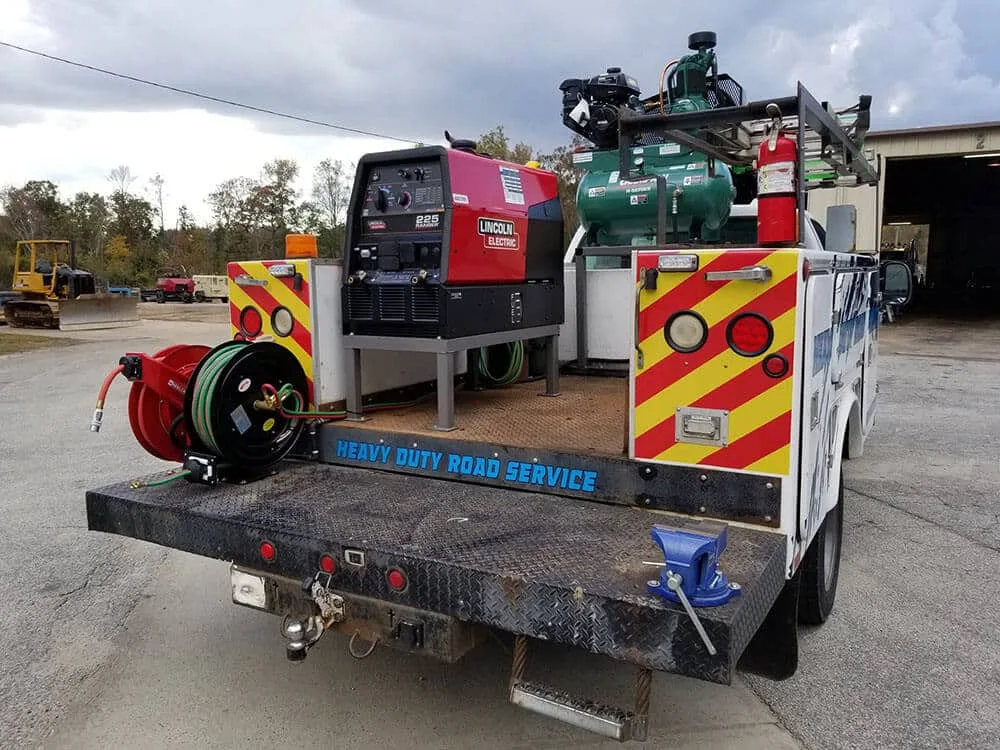
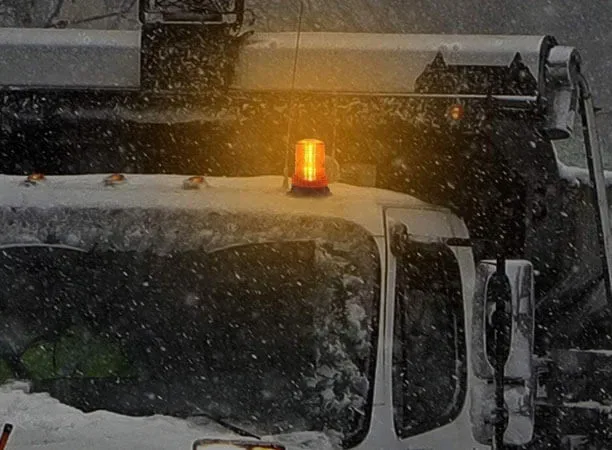
Stationary utility service vehicles are the sneaky addition. Think electric, gas, water, and cable repair trucks. They must display flashing amber or yellow warning lights.
The law does not cover a parked car with hazards. It targets work crews and responders on the shoulder. Connecticut's trailer light rules mirror the focus on visible warning gear.
A stopped tow truck under contract with DPS counts too. The key is the flashing light and the stationary position. No lights, no trigger.
Move Over or Slow Down: How the Rule Works by Road Type
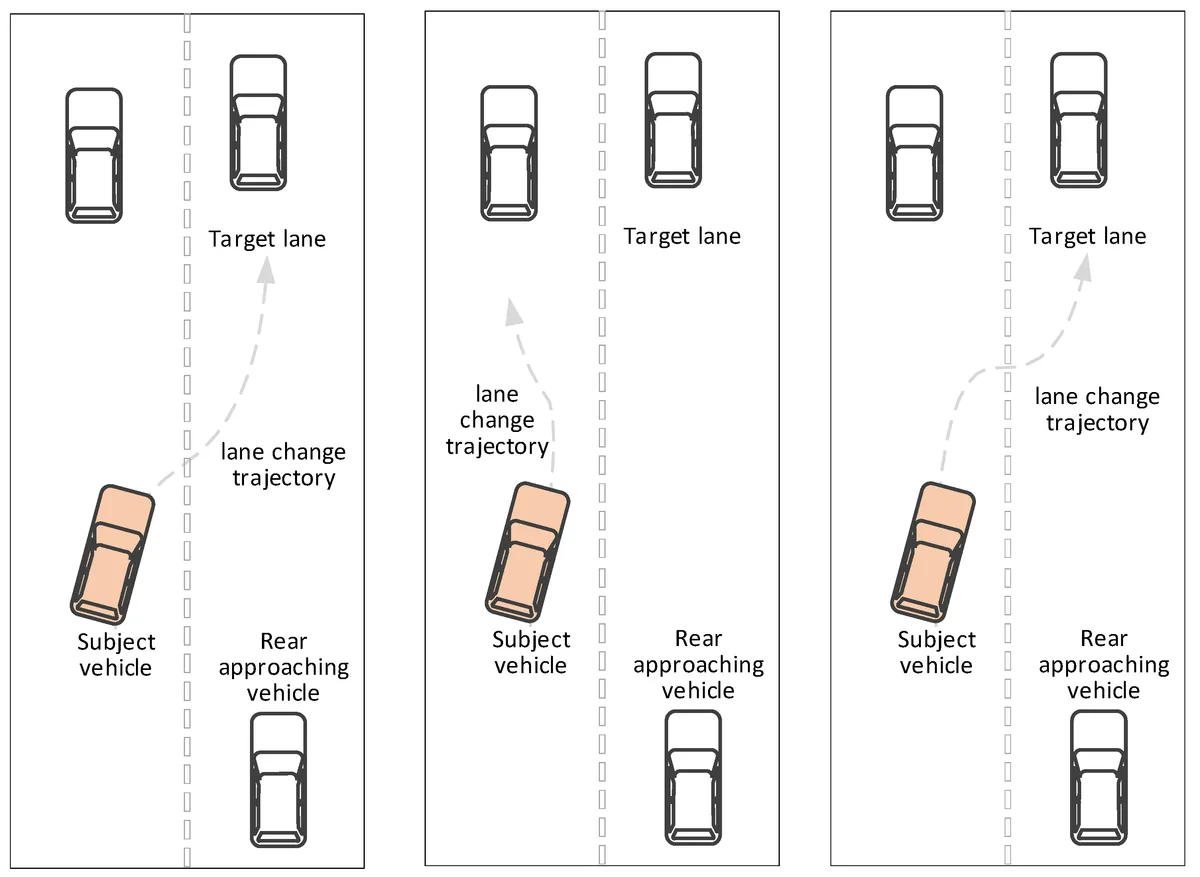
Multi-lane roads give you the clear move over duty. Shift one lane away from the stopped unit. That's the primary compliance path.
Two-lane roads with no adjacent lane change the math. You cannot jump oncoming traffic, so the speed drop kicks in. Slow to 10 under, but never above 35 on slow posts.
Here is the breakdown by road type:
| Road type | Required action | Speed rule |
|---|---|---|
| Multi-lane divided | Change one lane away | Posted limit |
| Two-lane undivided | Slow if no safe move | 35 mph max |
| Construction zone | Same lane rule applies | 35 mph max |
The 35 mph max matters on neighborhood streets. If the sign says 25, you still can't exceed 35 while passing the scene. Georgia cops enforce this with radar, while Connecticut's radar detection laws show another angle on speed monitoring.
Utility trucks on the shoulder get the same courtesy as a patrol car. The light color changes, but your duty does not. Keep your eyes scanning the right edge every trip.
Step-by-Step: What to Do When You See Flashing Lights Roadside
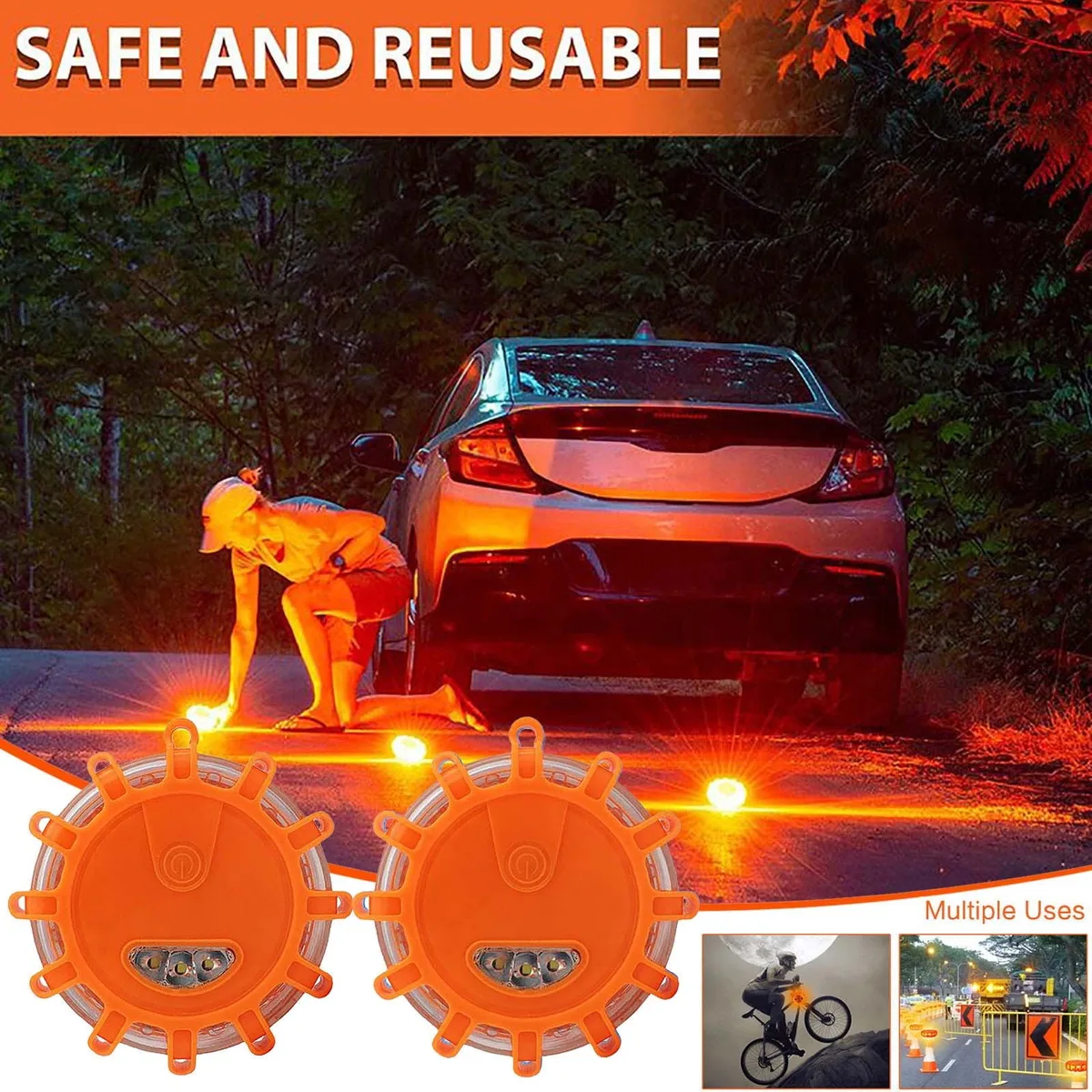
Spot the flashing unit early. Check mirrors and blind spots before you commit.
If a safe lane exists, shift one lane away from the stopped vehicle. That is your primary legal duty under the statute.
When traffic blocks the lane change, ease off the gas. Drop to 10 mph under the posted limit, never above 35 on slow roads.
Pass the scene, then resume normal speed. Repeat this for every flashing unit on that stretch.
Our research shows hesitation causes more violations than ignorance. Decide early and act smooth.
Common Mistakes Georgia Drivers Make With the Move Over Law
Many drivers think only police cars count. The 2021 expansion pulled utility trucks into the same protection.
Some try a risky lane weave in heavy traffic. If the move isn't safe, slow down instead of forcing it.
Others forget the 35 mph cap on slow posts. If the sign reads 25, you still hold at or below 35 while passing.
A few assume hazards on a broken-down commuter car trigger the rule. They don't. The law targets work and response crews with official flashing lights.
Connecticut's civilian light bans show how states police emergency signals differently. The Georgia rule uses those signals as your compliance cue.
Penalties, Fines, and License Points You’re Risking
A first offense is a misdemeanor under Georgia law. The fine runs up to $500 per stop.
You also take 3 points on your Georgia driver's license. Stack two violations and a suspension threat appears.
Commercial drivers face bigger exposure through federal records. A CDL mark can mean job review with the fleet.
Court costs sit on top of the base fine in most counties. Budget more than the sticker number if cited.
California's impound rules for suspended drivers show how one moving conviction spirals into vehicle loss. Georgia points work the same slow buildup toward hardship.
How Georgia’s Move Over Law Differs From the “Move It” Law
The Move Over statute protects stopped crews with flashing lights. The "Move It" law handles minor crash clearance instead.
Move Over forces a lane shift or speed drop near roadside workers. Move It tells you to clear a drivable wreck from the travel lane.
They share a safety goal but trigger on different scenes. One is for responders, the other for your own fender bender.
Our research notes drivers confuse the two at accident sites. If you crash and can drive, Move It applies. If you pass a stopped ambulance, Move Over applies.
Real Road Scenarios: Interstate, Rural Two-Lane, and Heavy Traffic
On I-75 in Atlanta, the left lane is your escape. Move Over puts you one lane from the shoulder rig.
A rural two-lane near Macon leaves no adjacent lane. You slow to 35 and give wide berth visually.
Heavy metro traffic at rush hour blocks the shift. The 10 mph drop is your legal fallback, not a suggestion.
Colorado's mountain traction rules show how road type changes driver duty. Georgia's road type split works the same way by lane count.
Expert Tips for Commercial and Out-of-State Drivers
Commercial drivers carry a heavier load, literally and legally. A CDL violation under O.C.G.A. § 40-6-16 goes on your federal record.
Plan your lane position early when you see amber or red lights ahead. Don't wait until the last second to merge away from the shoulder.
Out-of-state folks often assume their home rule applies. Some states require only a fixed 5 mph drop, but Georgia demands a full lane shift or 10 under.
Connecticut's ban on colored car lights mirrors the signal focus we use here. The light color tells you who's protected, so learn the pattern before a trip south.
Keep your fleet supervisor informed if you're cited. Our research shows early reporting avoids bigger payroll hits.
Use your GPS alerts for work zones during construction season. Those orange signs often sit near stationary utility trucks with amber beams.
Safety and Legal Duty to Roadside Utility Crews
The law builds a clear duty of care around stopped utility trucks. Those crews are fixing lines you depend on, often just feet from 70 mph traffic.
Amber warning lights are easier to miss than red and blue. Train your eyes to catch that glow at the shoulder during dusk or rain.
NHTSA data shows roadside strikes remain a top killer of responders and utility staff. Slowing down is the simplest life saver we have.
Georgia's Department of Public Safety backs this with regular patrols in work zones. You won't always see the cop, but the citation will find you.
Treat every flashing unit as a person you know. That mindset beats any fine calculation.
Utility service vehicles include electric, gas, water, and cable repair rigs. Each one shields a worker whose job puts them in your blind spot.
FAQs on Georgia Move Over for Emergency and Utility Vehicles
Does the Georgia move over law apply to out-of-state drivers
Yes, the law applies to any driver on Georgia roads regardless of license state. You must move over or slow down like a local. Ignorance of the statute is not a defense in court.
The law binds all motorists physically present in the state. Plan for it before you cross the line.
What should I do if I cannot safely change lanes
Slow to 10 mph below the posted limit if a lane shift is unsafe. On roads posted at 35 or less, hold at or below 35 while passing. This speed drop is your legal fallback, not a suggestion.
Always signal your intent early to surrounding traffic.
Are tow trucks covered under the move over rule
Yes, stationary tow trucks with flashing lights count as covered vehicles. They are often contracted by the Department of Public Safety for roadside response. Treat them exactly like a police cruiser at the shoulder.
Fail to act and you face the same misdemeanor.
What happens after a second move over conviction
A second conviction adds another 3 points and up to $500 fine. Points stack toward a license suspension under Georgia's threshold rules. Commercial drivers risk federal record marks and fleet review.
Court costs also rise with repeated offenses in most counties.
Do hazard lights on a broken-down car trigger the law
No, a regular car with hazards on does not trigger the move over duty. The statute targets authorized emergency units and utility service vehicles with official flashing lights. If it's a commuter with a flat, normal caution applies, not the 10 mph rule.
What speed should I slow to on a 65 mph interstate
You must drop to 55 mph, which is 10 under the 65 post. The 35 mph floor only applies when the posted limit is 35 or less. Hold the slower speed until you clear the flashing vehicle.
Resume normal flow after the scene.