The Georgia super speeder threshold for 85 mph on highways and interstates is a hard line that triggers a $200 state surcharge on top of your court fine. Miss the payment window and you risk a suspended license.
Per OCGA 40-6-189, any driver clocked at 85 mph or above on a multi-lane highway faces the Super Speeder fee. The Georgia Department of Driver Services manages collection as of 2026. Let's look at why this law catches so many people off guard.
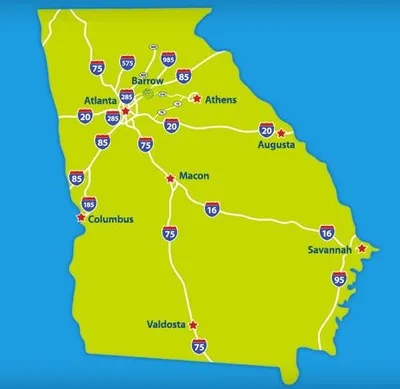
Georgia Super Speeder: 85 MPH on Highways & Interstates
Why Getting the Georgia Super Speeder Law Right Matters
Most drivers think a speeding ticket is just a local fine and points. The Georgia Super Speeder statute adds a separate state penalty that surprises them.
That extra $200 fee can stack with court costs and insurance hikes. Our state driving guides cover similar traps in other jurisdictions.
If you ignore the fee, DDS will suspend your license. Seized vehicle penalties in other states show how fast that spirals.
We research these statutes because mistakes here cost real money. A clear understanding keeps you on the road.
Quick Answer: The 85 MPH Highway and Interstate Threshold
The Georgia super speeder threshold for 85 mph on highways and interstates starts the state surcharge. You pay $200 to DDS after conviction.
The rule applies on any interstate or multi-lane highway. A two-lane road uses a 75 mph trigger instead.
You have 120 days from the DDS notice to pay. Non-payment suspends your license.
How Georgia's Super Speeder Law Works Under OCGA 40-6-189
The Georgia General Assembly passed OCGA 40-6-189 to fund trauma care. It labels any driver at 85 mph on highways a "Super Speeder".
Officers write the ticket like a normal speeding charge. The local court handles the fine and points.
After conviction, the court reports to the Georgia Department of Driver Services. DDS then bills the $200 surcharge separately.
You must keep your address current with DDS. Address update deadlines in other states show why this matters.
The fee flows to the Georgia Trauma Care Network. The statute is clear on the amount and timing.
Out-of-state drivers are not exempt. The DDS system tracks convictions from any Georgia roadway.
For primary details, the Georgia DDS publishes the collection steps. Detector laws in other states differ, but the speed line is fixed here.
What Triggers the $200 State Surcharge on Interstates and Highways
The trigger is simple: 85 mph or more on any interstate or highway. It does not matter if the posted limit was 65 or 70.

A speed of 84 mph is still speeding, but not a Super Speeder. That bright line removes guesswork for officers.
The surcharge is not part of the court fine. You pay the clerk, then you pay DDS later.
Multi-lane roads count under this rule. A divided highway with a median qualifies.
We see confusion with the 75 mph two-lane rule. That is a different road type, covered next.
The $200 amount is set by state law as of 2026. No judge can waive it at the local level.
85 MPH Interstate Rule vs 75 MPH Two-Lane Road Rule
Georgia actually has two Super Speeder triggers. One is for highways and interstates at 85 mph. The other is for two-lane roads at 75 mph.
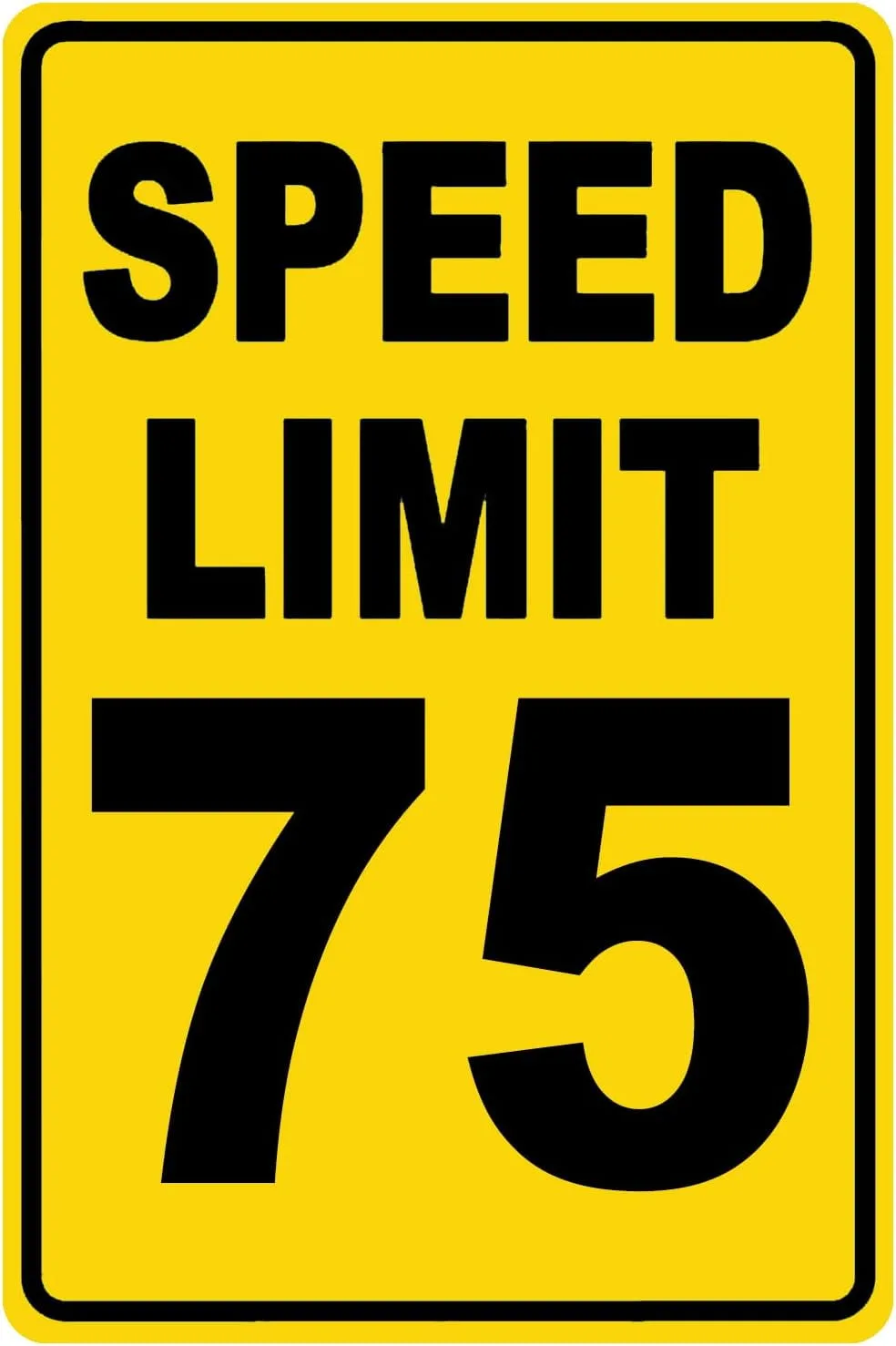
The road design decides which threshold applies. A four-lane interstate near Atlanta uses 85 mph. A rural two-lane state route uses 75 mph.
| Road Type | Super Speeder Trigger | Surcharge |
|---|---|---|
| Interstate or multi-lane highway | 85 mph or above | $200 |
| Two-lane road | 75 mph or above | $200 |
Officers note the road classification on the citation. DDS applies the correct trigger from that data.
Many drivers assume 75 mph is safe everywhere. On I-75, that assumption is wrong and costly.
Our traffic law blog tracks these distinctions across states. Knowing your road type prevents the surprise fee.
Check the posted limit and lane count before you accelerate. The statute does not care about your intent.
The DDS Notification and 120-Day Payment Process
After your local court logs the conviction, the clerk sends data to the Georgia Department of Driver Services. DDS then mails a separate Super Speeder notice to your address on file.
The letter states the $200 fee and the payment deadline. You get 120 days from the notice date to pay through the DDS portal or by mail.
Payment goes to the state, not the court. The court fine and the surcharge are two different transactions.
We track these agency steps in our motor vehicle research. Other states handle quick address reporting rules differently, but Georgia fixes the clock at 120 days.
Keep that notice. It is your proof of the deadline if a system error occurs.
Out-of-State Drivers and the Georgia Super Speeder Fee
Many out-of-state drivers think the fee does not apply to them. It does. Georgia bills any driver convicted on its interstates.
DDS cannot suspend an out-of-state license directly. It suspends your privilege to drive in Georgia and shares that record through the interstate compact.
You must pay the $200 or face arrest on your next Georgia stop. Countermeasure device laws vary by state, but the speed fact here is fixed.
Plan to settle the fee before you leave the state. The notice may catch up to you at home months later.
Real Cost: Court Fine, Surcharge, and Insurance Impact
The local court fine for 85 mph often runs $200 to $500 depending on the county. The state surcharge adds a flat $200 on top.
You also take 4 or more license points for 15 mph over the limit. That hit drives insurance rates up for three years.
Aggregate rate data shows a single Super Speeder conviction can raise premiums by 20 percent. State backed coverage options exist in some states for high risk drivers.
The total first year cost often exceeds $1,000. That is before any legal fees or lost time.
License Suspension Risk If You Miss the DDS Window
If the 120 days pass with no payment, DDS suspends your Georgia driving privilege. You must then pay the $200 plus a reinstatement charge.
Driving on a suspended status brings a fresh misdemeanor charge. The hold lifts only after the full amount posts.
Reinstatement requires proof of payment and a cleared record. Set a calendar reminder the day the notice arrives.
The fee is small compared to a suspension fallout. Protect your record early.
Common Mistakes Drivers Make at 85 MPH and Above
The biggest error is thinking 84 mph is a safe buffer. It is still speeding, and the next mile per hour triggers the fee.
Some drivers assume the $200 is included in the court fine. It is not, and the DDS letter arrives weeks later.
Others never update their address with DDS. The notice goes to an old mailbox and the suspension lands by surprise.
Our traffic statute library covers these patterns across states. Read every letter from a motor vehicle agency as a deadline, not junk mail.
Expert Tips to Protect Your License and Wallet
Keep your speedometer at 84 mph or below on multi-lane highways. That single mile per hour saves you the $200 surcharge and the points stack.
Set the DDS deadline the moment your citation is resolved. Use a phone alert at 30 days, 60 days, and 110 days so the fee never slips past you.
Update your address with the Georgia Department of Driver Services after any move. Relocation reporting steps in other states show why stale records cause suspensions.
Pay the court and the state as two separate actions. The clerk cannot route your payment to DDS for you under any circumstance.
Ask the judge about traffic school to trim the license points. Consumer protection paths exist for other vehicle disputes, but Georgia speed law stays strict on the fee.
Check your DDS record online after paying the surcharge. Confirm the Super Speeder flag cleared before you rely on a clean license for work or travel.
Frequently Asked Questions About Georgia's 85 MPH Super Speeder Threshold
Does the Super Speeder fee apply to out-of-state drivers?
Yes, the $200 surcharge applies to any driver convicted at 85 mph on a Georgia interstate. DDS bills the home address on the citation. Non-payment suspends your Georgia driving privilege and shares the record with your home state through the interstate compact.
Can I fight the $200 surcharge in court?
No, you cannot contest the state fee separately from the underlying speeding ticket. Your only real chance is to beat the charge in local court before conviction. If the judge finds you guilty, the DDS surcharge follows automatically by statute.
What happens if I pay the court fine but not the DDS fee?
Paying the clerk settles the local case but does nothing for the state surcharge. DDS will still mail the $200 bill and suspend your license at 120 days if unpaid. The court fine and the DDS fee are completely separate transactions with separate deadlines.
Is 85 mph always a Super Speeder on any Georgia road?
No, the 85 mph trigger applies only to interstates and multi-lane highways. On a two-lane road, the Super Speeder threshold drops to 75 mph instead. The road classification printed on your citation decides which rule the state enforces.
Officers record the lane count at the stop.
How long does the suspension last if I miss the payment?
The suspension stays active until you pay the $200 surcharge plus the DDS reinstatement fee. There is no set expiration that lifts it on its own. DDS clears the hold only after both amounts post and the system updates your record.