Dropping your key in the wash is a heart-sinking moment. So will a key for work if it goes through washer? The short answer is it depends on the type of key and how long it was in there.
Most traditional metal keys can survive a quick cold wash, but electronic keys or fobs are far more vulnerable.
Manufacturer specs for brass and steel keys show they resist corrosion in short water exposure, but hot cycles or detergents can speed up damage. As of 2026, transponder keys and smart fobs remain the most at-risk due to their internal electronics.
Quick Answer
A metal house or car key often works after a wash. Hot water increases rust risk. Electronic keys may fail from water damage.
Drying it fast improves the odds.
What Happens to a Key in the Washer?
The washer’s agitation, water temperature, and detergent all play a role. Traditional metal keys are solid and usually withstand a cold cycle without immediate issues. The real risk comes from prolonged exposure, especially in hot water, which can cause oxidation or rust on uncoated metals.
For keys with electronic components, like transponder chips or smart fobs, the story changes. Water can seep into the casing, corrode circuits, or short out the battery. Detergents may leave residue that interferes with the key’s function later.
Key Types and Their Washability

Traditional Metal Keys (House, Car)
These are your best bet for surviving a wash. Brass and steel keys are durable and resist short-term water exposure. A cold wash with mild detergent is unlikely to cause immediate damage, but hot water can accelerate rusting, especially on unplated steel.
If the key is nickel or zinc-plated, the coating adds a layer of protection, but scratches or wear can expose the base metal to corrosion. Always dry it thoroughly afterward to prevent long-term issues.
Transponder Keys and Chip Keys
These keys have a small electronic chip inside, usually for vehicle ignition systems. Water can damage the chip or its connections, rendering the key useless. Even if the key looks fine, the internal electronics may fail later.
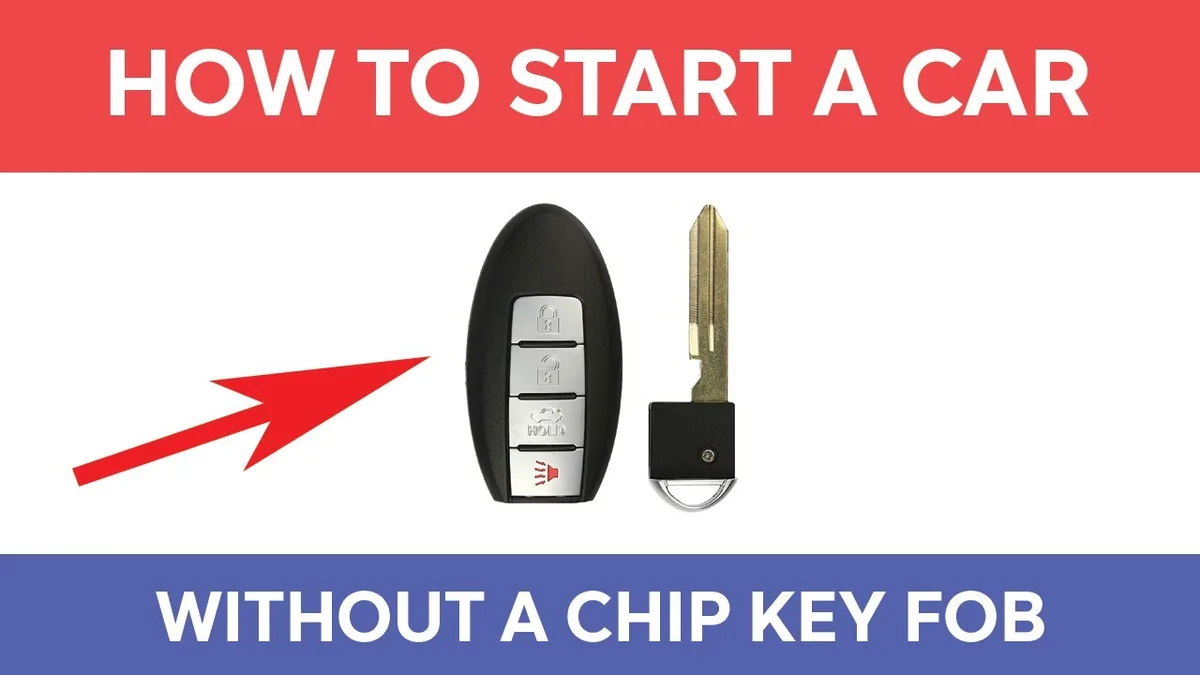
Manufacturer guidelines for vehicle security systems often warn against water exposure for these keys. If the key stops working, a locksmith may need to reprogram or replace it.
Key Fobs and Smart Keys
Modern key fobs are the most vulnerable. They contain batteries, circuit boards, and sometimes LCD screens, all of which can be damaged by water. Even if the fob dries out, corrosion can build up over time, leading to intermittent failures.
If your fob has a replaceable battery, removing it immediately can reduce damage. However, many newer models have sealed units, making DIY fixes difficult.
How to Check if Your Key Is Damaged
Start with a visual inspection. Look for rust, discoloration, or warping on metal keys. For electronic keys, check for water inside the casing or a foggy appearance under the buttons.
Next, test the key in its lock. If it turns smoothly, it’s likely fine. If it sticks, grinds, or doesn’t turn at all, the wash may have caused damage.
For fobs, press the buttons to see if they respond normally. A non-responsive fob usually means water has affected the electronics.
Step-by-Step: What to Do If Your Key Went Through the Wash
Immediate Actions
Pull the key out as soon as you notice it. The longer it stays in water, the higher the risk of damage. Turn off the washer if it’s still running to prevent further exposure.
For electronic keys, remove the battery if possible. This cuts power and reduces the chance of a short circuit.
Drying the Key Properly
Pat the key dry with a clean towel to remove surface water. For metal keys, a hairdryer on the cool setting can help evaporate moisture inside grooves. Avoid heat for electronic keys, as it can warp plastic or damage circuits.
For stubborn moisture, place the key in a bag of uncooked rice or silica gel packets for 24 hours. These absorbents pull out residual water. Do not use an oven or microwave, as extreme heat can cause permanent damage.
Testing the Key
Insert the key into its lock and turn it gently. If it moves smoothly, it’s likely fine. If it sticks or grinds, the wash may have caused warping or corrosion.
For key fobs, press all buttons to check responsiveness. If any fail to work, water may have damaged the internal contacts. A non-functional fob usually needs professional attention.
Can You Fix a Water-Damaged Key?
Minor rust on a metal key can often be cleaned with a soft brush and a mix of vinegar and baking soda. Rinse and dry it thoroughly afterward to prevent further oxidation.
For electronic keys, disassemble the fob if possible and clean the circuit board with isopropyl alcohol. This removes corrosion and residue. If the key still doesn’t work, a locksmith or dealership may need to reprogram or replace it.
When to Replace the Key (And When It’s Safe to Keep Using It)
Replace the key if it shows signs of severe rust, warping, or electronic failure. A damaged key can break inside the lock or fail at a critical moment.
If the key works fine after drying and testing, it’s safe to keep using. However, monitor it for a few days. Sometimes, issues like intermittent failures or slow corrosion appear later.
How to Prevent This From Happening Again
Get into the habit of emptying your pockets before laundry day. A quick check takes seconds and saves the hassle of a damaged key.
Consider using a keychain with a bright color or floatation device. This makes the key easier to spot if it falls into water or laundry. For electronic keys, store them in a waterproof pouch when near moisture.
Common Mistakes That Make It Worse
Using heat to dry electronic keys can melt plastic or fry circuits. Stick to air-drying or absorbents like rice or silica gel.
Ignoring early signs of rust or corrosion can lead to permanent damage. Address any issues immediately to extend the key’s lifespan. Avoid oil-based lubricants, as they attract dust and can gum up the lock mechanism over time.
Frequently Asked Questions
Can a car key fob survive the washing machine?
Most key fobs won’t survive a full wash cycle. Water can damage the circuit board or battery contacts. Even if it dries out, corrosion may cause failures later.
How long does it take for a wet key to dry?
A metal key typically dries in 1, 2 hours with air circulation. Electronic keys may need 24 hours in rice or silica gel to remove internal moisture.
Will a rusty key still work?
Minor surface rust usually doesn’t affect function. Deep rust in the grooves can prevent the key from turning smoothly. Clean it with vinegar and a brush if needed.
Can I use a hairdryer to dry my key?
Use a hairdryer on cool setting for metal keys only. Heat can warp plastic or damage electronic components in fobs.
What if my key breaks inside the lock?
Stop turning it immediately to avoid further damage. Call a locksmith to extract the broken piece safely. Forcing it can ruin the lock mechanism.