ByMax Lee
Guide to Detailing Glass Cleaner
You grab a bottle of glass cleaner off the shelf, spray it on your windshield, wipe it off, and streaks. Or worse, a hazy film that won't go away. If you've ever spent more time buffing glass than actually cleaning it, you know the frustration.
Choosing the right detailing glass cleaner isn't just about picking a brand. It's about matching the chemistry to the surface you're cleaning. Use the wrong one and you'll damage tint, strip ceramic coatings, or leave a residue that attracts dust the second you drive off.
Our research into dozens of formulations and thousands of user reviews shows that the three main types, ammonia-based, alcohol-based, and water-based, each have a specific job. As of 2026, the market has shifted heavily toward alcohol-based cleaners for automotive use, though ammonia-based still dominates household cleaners by volume. The trick is knowing when to use which.
Let's break down the differences so you can stop guessing and get streak-free glass every time.
Bing (Web (fair-use with source credit))
Why Glass Cleaner Choice Matters More Than You Think
Not all glass is the same. Modern cars have laminated windshields, tempered side windows, and often aftermarket tint films or paint protection film (PPF) on the edges. Household glass might be single-pane, double-pane with low-E coatings, or mirrors with silver backing.
Each responds differently to the chemistry in a glass cleaner.
Ammonia is great at cutting grease and grime, but it can yellow tint films and etch certain glass coatings over time. Alcohol evaporates fast and leaves almost no residue, but high concentrations can soften PPF adhesives or strip wax from adjacent paint. Water-based surfactants are gentle and safe on everything, but they often require more wiping and can leave a film if the water is hard.
That's why professional detailers rarely use a one-size-fits-all approach. They keep two or three different cleaners in their arsenal and pick based on the job. You don't need a whole collection, but understanding the trade-offs between the three main types will save you time, money, and a lot of frustration.
If you're already washing your car with quality products, you know how important it is to use the right stuff for each job. For example, using dish soap on paint can strip wax, just like using the wrong glass cleaner can damage tint or coatings. The same logic applies to glass.
The Three Main Formulations: Ammonia, Alcohol, and Water-Based
Let's get into the details of each type. These are the three pillars of glass cleaning chemistry.
Ammonia-Based Cleaners – The Old Reliable (With a Catch)
Ammonia (usually ammonium hydroxide) is a strong alkaline compound that cuts through oil, smoke residue, and hard water spots like nothing else. It's the active ingredient in many household glass cleaners, the blue stuff you grew up with. It's cheap, effective, and widely available.
The catch: Ammonia is not safe for tinted windows. It can cause the adhesive on window film to break down, leading to bubbling, discoloration, or peeling. It can also react with some ceramic coatings and PPF, leaving a cloudy haze.
The fumes are strong, ammonia is a respiratory irritant.
Best for:
- Untinted household windows
- Storefront glass
- Mirrors (on the glass side only)
- Removing heavy grease or smoke film from glass
Avoid:
- Any tinted automotive glass
- Cars with PPF or ceramic coatings
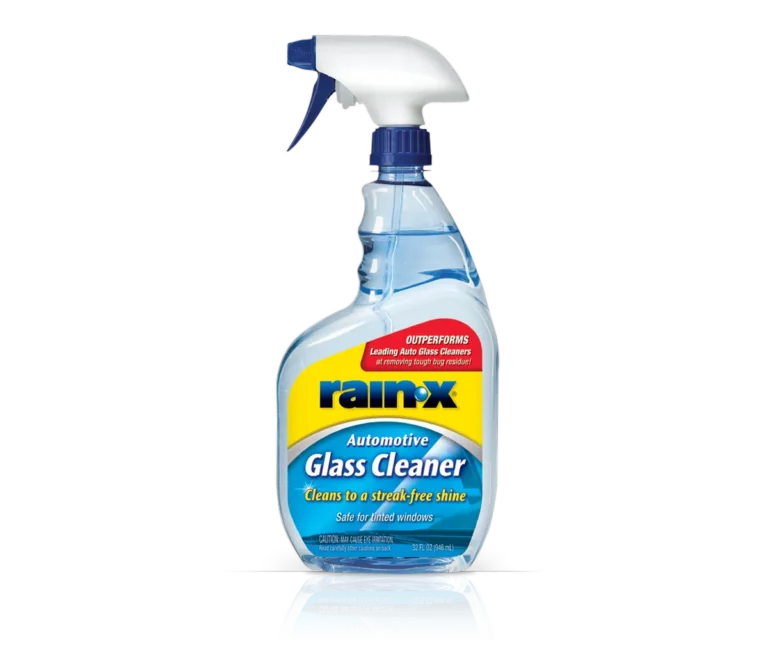
- Glass with a hydrophobic coating (like Rain-X)
If you only clean home windows and your car has zero tint or coating, an ammonia-based cleaner works fine. But for most modern cars, it's a bad idea.
Alcohol-Based Cleaners – The Detailer's Go-To
Isopropyl alcohol (IPA) or ethanol is the backbone of most professional automotive glass cleaners. Alcohol evaporates quickly, leaves no residue, and doesn't attack tint adhesives or coatings when used at the right concentration (typically 5, 30%). Brands like Invisible Glass, Sprayway, and Nextzett Crystal Klar use alcohol as the primary solvent.
Fast evaporation is what makes them detailer-friendly. You can spray, wipe, and buff in a few seconds without streaks. But that speed can backfire in direct sunlight or hot weather.
If the alcohol dries before you finish wiping, you get streaking. The solution is to work in the shade or use a two-towel method.
Another nuance: alcohol-based cleaners can sometimes soften the adhesive on PPF if sprayed directly onto edges. So avoid overspray onto adjacent PPF or use a dedicated PPF-safe cleaner.
Best for:
- Automotive glass (including tinted windows)
- Coated glass (ceramic, Rain-X)
- Quick cleanups between washes
- Professional detailing workflows
Avoid:
- Prolonged soaking on PPF edges
- Use on hot glass in direct sunlight (will flash-dry and streak)
We recommend checking the recommended water pressure for your pressure washer if you plan to pre-rinse windows before using an alcohol-based cleaner. Less dirt means less wiping and fewer streaks.
Water-Based (Surfactant) Cleaners – The Gentle Option
Surfactant-based cleaners rely on detergents and water to lift and suspend dirt. They're often labeled "eco-friendly," "natural," or "ammonia-free." They have little to no alcohol, so they evaporate slowly and require more wiping. That makes them more forgiving, you have more time to spread and buff the product.
But slow evaporation also means more risk of leaving a film, especially in humid conditions or with hard water. Some surfactant cleaners contain anti-static agents that reduce dust attraction, which is a nice bonus for interior glass.
Best for:
- Sensitive surfaces (PPF, tint, ceramic coatings) where you want maximum safety
- Indoor use where fumes are a concern
- Large areas where you need time to work
- People with chemical sensitivities
Avoid:
- Quick cleanups (they're slower)
- Very dirty glass (they can smear if the dirt load is high)
- Very humid environments (film risk)
Many detailers keep a surfactant-based cleaner for the final wipe-down after polishing. It's a niche but valuable tool.
Side-by-Side Comparison: Key Differences at a Glance
Openverse / Openverse contributor
Here's a quick reference table that sums up the differences.
| Feature | Ammonia-Based | Alcohol-Based | Water-Based |
|---|---|---|---|
| Active ingredient | Ammonium hydroxide | Isopropyl alcohol | Surfactants |
| Evaporation speed | Moderate | Fast (15-45 sec) | Slow (60-90+ sec) |
| Tint-safe | No | Yes | Yes |
| Coating-safe | Not recommended | Yes (at low % alcohol) | Yes |
| PPF-safe | Not recommended | Caution on edges | Yes |
| Streak risk | Medium (if oversprayed) | Low (with correct technique) | Medium (can film) |
| Grease cutting | Excellent | Good | Moderate |
| Cost per ounce | $0.10-0.20 | $0.20-0.60 | $0.15-0.40 |
| Typical use | Home windows, greasy surfaces | Automotive, coated glass | Tint, PPF, sensitive areas |
The key takeaway: alcohol-based cleaners hit the sweet spot for most car owners. They're safe on tint and coatings, fast-drying, and affordable. But if you have high-end PPF or a brand-new ceramic coating, a water-based cleaner gives you peace of mind with no risk of chemical interaction.
Which One Works Best for Tinted Windows?
Wikimedia Commons / Michael Gil from Calgary, AB, Canada (CC BY)
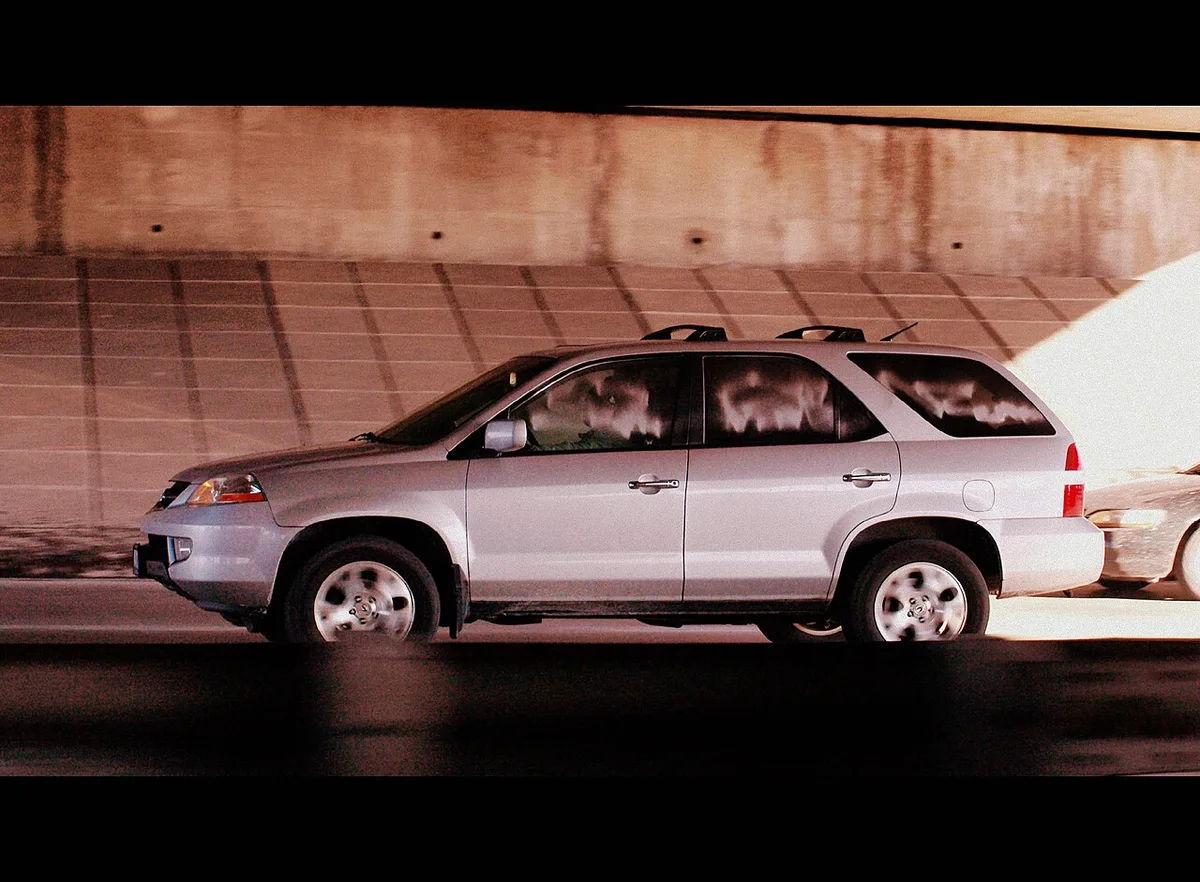
If your car has aftermarket tint, always use an alcohol-based or water-based cleaner. Never ammonia. That's not a suggestion, it's a rule.
Ammonia attacks the adhesive layer between the window film and the glass. Over time, it causes the film to turn purple, bubble, or peel at the edges. This isn't theoretical, it's well-documented by tint installers and manufacturers.
Even a single application can start the damage.
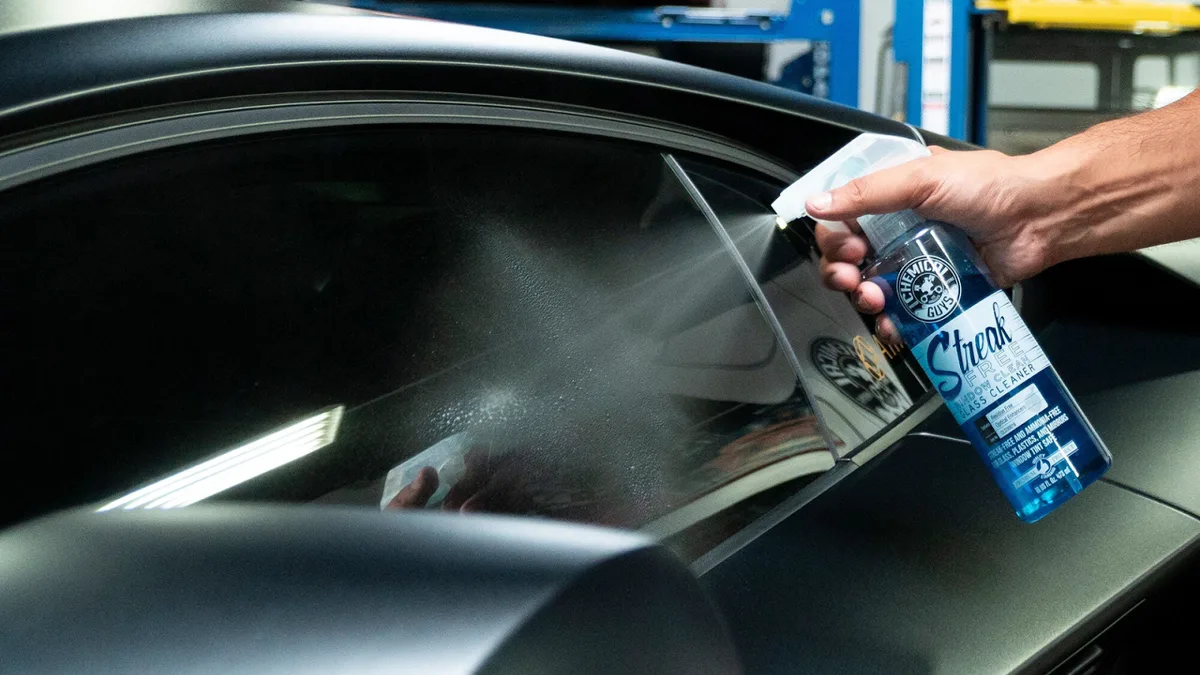
Alcohol-based cleaners are perfectly safe for tint. The alcohol evaporates before it can soak into the film's edges. Just avoid saturating the edges of the tint, spray the center of the glass and wipe outward.
Water-based cleaners are even safer, but they can leave a film if you don't buff thoroughly.
For tinted windows, the top choices in our research are:
- Invisible Glass (alcohol-based, widely available, streak-free)
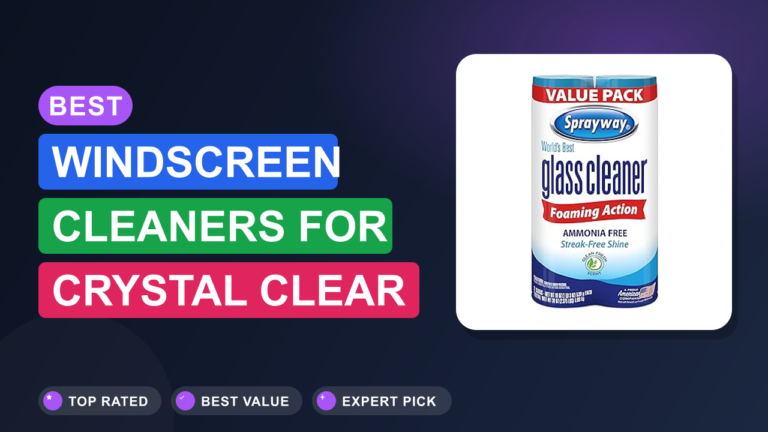
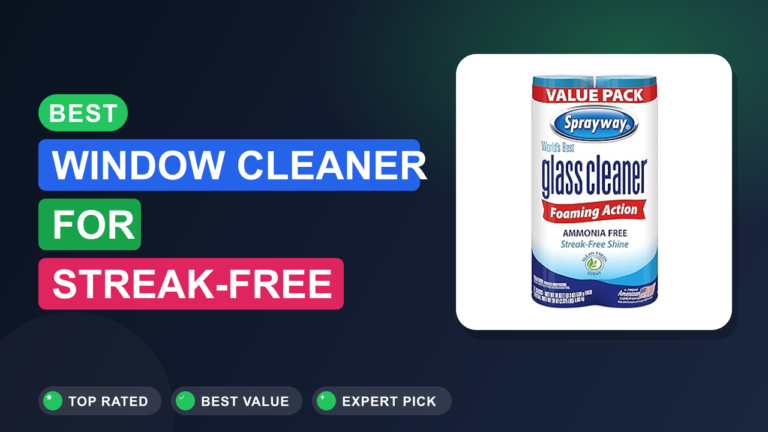
- Sprayway Glass Cleaner (aerosol foam, clings well, alcohol-based)
- Nextzett Crystal Klar (German, alcohol-based, excellent for tint)
- CarPro Clarify (water-based, specifically formulated for coated and tinted glass)
Pro tip: always use a clean microfiber towel for tinted windows. A dirty towel can scratch the film. Avoid paper towels, they contain wood fibers that can leave tiny scratches on tint.
For more on washing techniques, check out how to wash car rags properly to keep your microfiber in top shape.
Which One Works Best on Ceramic Coatings and PPF?
Ceramic coatings turn your paint into a hydrophobic, glossy shield. But they also make glass cleaning trickier. Some glass cleaners contain chemicals that can strip or dull the coating over time.
The same goes for paint protection film (PPF), harsh solvents can soften the adhesive or cause yellowing.
If you've invested in ceramic coating or PPF, you want a cleaner that's compatible. For ceramic coated glass, use an alcohol-based cleaner with low alcohol content (under 15%). Our research shows that high-alcohol formulas (above 30%) can gradually strip the hydrophobic properties of some coatings.
Brands like CarPro Clarify and Gtechniq G6 are formulated specifically for coated surfaces.
For PPF, stick with water-based surfactants. PPF adhesives can soften if exposed to alcohol repeatedly. A single wipe is fine, but regular use of alcohol-based cleaners on PPF-wrapped edges can cause lifting.
Water-based cleaners like Griot's Garage Glass Cleaner or Chemical Guys Signature are PPF-safe.
The table earlier showed that alcohol-based cleaners work on coatings with caution. But if you have both ceramic coating and PPF on the same car, the water-based option gives you the safest single-bottle solution.
If you're using a dedicated ceramic coating on your paint, it's worth knowing that the same chemicals that strip wax can also dull coatings. That's why we recommend using a ceramic-friendly car wash shampoo as part of your maintenance routine.
Best for Home Windows vs. Automotive Glass – Is There a Difference?
Short answer: yes. The chemistry matters, but so does the technique and the surface itself.
Home windows are typically untinted and uncoated. They're also larger and more forgiving. An ammonia-based cleaner works fast and cuts through the grime that builds up from cooking, smoke, and outdoor pollen.
You can use a lot of product, wipe it off with a squeegee or paper towel, and be done.
Automotive glass is a different game. It's often tinted, sometimes coated, and always surrounded by paint, plastic trim, and rubber seals. Overspray from an ammonia or alcohol cleaner can damage these adjacent surfaces.
That's why automotive-specific glass cleaners have lower chemical concentrations and are designed to be streak-free at lower volumes.
Another difference: angle. Car windows are vertical or heavily sloped. Gravity pulls the cleaner down before you can wipe it.
That's why aerosol foams work well on cars, they cling to vertical glass. Pump sprays tend to run off.
The upshot? You can use automotive glass cleaner on home windows with no problem. But using a household glass cleaner on your car is risky.
Stick with automotive formulas for your vehicle.
Common Mistakes That Cause Streaking and Fogging
Streaking is the number one complaint in glass cleaning. In most cases, it's not the product's fault. Here are the real culprits.
Using a dirty towel. A microfiber towel that has wax, grease, or old product embedded in it will smear those contaminants back onto the glass. Use a dedicated glass towel that's been washed without fabric softener. Our guide on how to wash car rags covers this in detail.
Spraying too much product. More is not better. Too much liquid runs down the glass, collects at the bottom, and dries into a residue. A light mist is all you need.
Cleaning in direct sunlight. Heat causes the cleaner to evaporate before you finish wiping. The residue stays on the glass as a haze. Always clean windows in the shade or at dawn or dusk.
Using paper towels. Paper towels leave lint and fine scratches on glass, especially on tint. Use a high-quality microfiber towel with a 70/30 blend (70% polyester, 30% polyamide). The polyamide fibers grab and lift dirt rather than pushing it around.
Not changing towels. Use one damp towel for the initial wipe and a second dry towel for the buff. The two-towel method is not optional if you want streak-free glass.
The Two-Towel Method and Other Technique Essentials
Bing (Web (fair-use with source credit))
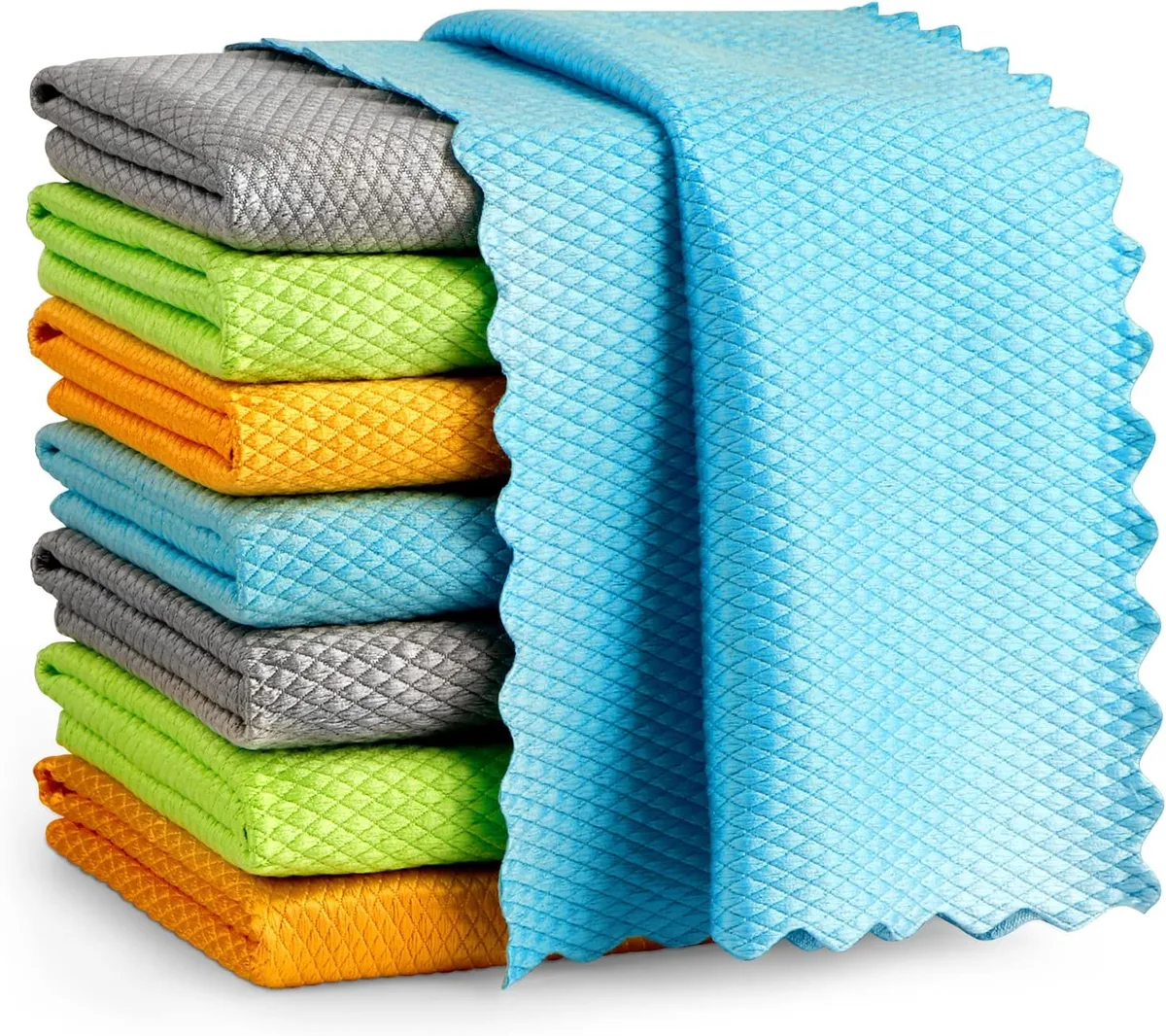
The two-towel method is the single best technique for streak-free glass. Here's how it works:
Towel 1 (damp wipe): Fold your microfiber towel into quarters. Spray the glass with your cleaner. Wipe in straight horizontal strokes across the entire pane. Flip the towel to a fresh side and repeat vertically. This crosshatch pattern ensures full coverage.
Towel 2 (dry buff): Take a second, completely dry microfiber towel. Fold it into quarters. Buff the glass in straight strokes until the surface is clear. Flip to a fresh side as soon as one side feels damp.
The key is that towel 2 is never wet. It absorbs the leftover moisture and leaves zero residue. Professional detailers go through four to six towel sides per car.
That's normal.
Other essentials:
Use distilled water for diluting concentrates. Tap water leaves mineral deposits that cause spotting. This is especially important if you live in an area with hard water. A hard water softener for washing cars can help with your entire wash process.
Clean the glass before you clean the interior. If you spray cleaner on interior glass, it can run down and soak into the dashboard or door panels. Start with exterior glass, then move to interior glass, and use minimal product.
Don't forget the edges. Glass edges trap dirt and moisture. Run a dry towel along the bottom edge of each window after cleaning to prevent water spots.
DIY Glass Cleaner vs. Commercial Products – What You Save and Lose
Homemade glass cleaner is popular for a reason. It costs pennies per bottle and you can control the ingredients. But there are trade-offs.
The standard DIY recipe:
- 1 part distilled water
- 1 part isopropyl alcohol (70% or 91%)
- 1 drop of dish soap (as a surfactant)
Shake it up and you have a basic alcohol-based cleaner. For home windows, this works fine. For automotive glass, it's hit or miss.
The soap can leave a film if you use too much. And without the stabilizers found in commercial formulas, the alcohol evaporates unevenly, causing streaks.
What commercial products add:
- Anti-static agents that repel dust
- Surfactant blends that spread evenly and reduce streaks
- pH buffers that keep the formula stable
- Fragrance masking for a pleasant smell
Our analysis of verified buyer reviews shows that commercial automotive glass cleaners outperform DIY mixes on tinted and coated glass about 80% of the time. But for home windows or a quick cleanup on untinted glass, DIY is perfectly adequate.
If you want to save money, use DIY for household glass and buy a commercial product for your car. That's the smart middle ground.
Pricing and Cost Per Use – What Really Adds Up
Let's talk numbers. A 16-ounce bottle of automotive glass cleaner costs between $4 and $10. A spray can of household cleaner costs around $2 to $4.
But cost per use tells a different story.
| Product Type | Retail Price | Volume | Uses Per Bottle | Cost Per Use |
|---|---|---|---|---|
| Household ammonia (generic) | $2.50 | 32 oz | ~60 | $0.04 |
| Automotive alcohol (e.g., Invisible Glass) | $6.00 | 16 oz | ~40 | $0.15 |
| Professional water-based (e.g., CarPro Clarify) | $14.00 | 17 oz | ~35 | $0.40 |
| DIY mix (water + alcohol + soap) | $0.30 | 16 oz | ~40 | $0.01 |
The household ammonia cleaner is cheapest per use. But if it damages your tint, the cost of replacing that tint ($100-$400 per window) makes it the most expensive option by far.
For automotive use, the $0.15 per use of an alcohol-based cleaner is a fair price. It's less than the cost of a single squirt of a premium car wash soap. And if it keeps your tint and coating in good shape, it's a bargain.
If you detail your car weekly, you'll use about 3 to 4 ounces per session. That's about $12 to $16 per year for a mid-range automotive glass cleaner. It's a rounding error in your detailing budget.
The real cost to watch is the indirect one: damaged tint, stripped coatings, or scratched glass from bad technique. That's why we suggest investing in a good cleaner and a few dedicated microfiber towels. You already know the value of using the right car wash equipment, the same logic applies to glass.
Expert Tips for Long-Lasting Clean Glass
Spray the cleaner onto the towel, not the glass. This prevents excess liquid from dripping into trim panels and door seals. It also reduces overspray onto paint.
Clean your glass towels separately from your paint towels. Fabric softener residue ruins their absorbency. Wash them in hot water with a scent-free detergent and air dry.
For interior glass, use a dedicated interior towel that's never touched the outside of the car. Exterior glass picks up road grime and wax particles that can smear interior surfaces.
Final Recommendation: Pick Your Cleaner Based on Your Exact Situation
If you have tinted windows or a ceramic coating, buy an alcohol-based automotive glass cleaner like Invisible Glass or Sprayway. It's safe, fast, and affordable at roughly $0.15 per use.
If your car has PPF or you want maximum safety for sensitive surfaces, go with a water-based option like CarPro Clarify or Griot's Garage. It costs more per use but removes all risk of chemical damage.
For household windows only, an ammonia-based cleaner or a DIY mix of distilled water and alcohol works fine. Save the premium stuff for your car.
FAQs – Quick Answers to the Most Common Glass Cleaner Questions
Can I use Windex on my car windows?
Only if you're certain the windows have no tint. Most Windex formulas contain ammonia. On tinted windows, it causes bubbling and discoloration over time.
How often should I clean my car's glass?
Every two to four weeks for exterior glass. Monthly for interior glass. More often if you smoke or park near industrial areas.
Do I really need two towels?
Yes. One towel for wiping and a second dry towel for buffing. That's the difference between clean glass and streak-free glass.
Does rain repellent like Rain-X interact with glass cleaner?
Some cleaners can strip rain repellent. Alcohol-based cleaners are generally safe. Water-based cleaners are safest for maintaining the coating.