ByMax Lee
Northern Mariana Islands Vehicle Inspection Guide
Northern Mariana Islands vehicle inspection requirements and safety standards exist to keep roads safe and vehicles roadworthy across the islands. Every registered vehicle must pass an annual safety inspection before the Department of Public Safety will renew your registration. Missing this requirement isn't just risky, it can cost you fines and registration denial.
The inspection covers brakes, lights, tires, steering, and other critical systems. It's a straightforward process, but knowing what to expect saves you time and headaches. Here's everything you need to know about getting your vehicle inspected and staying compliant as of 2026.
Quick Answer
Northern Mariana Islands vehicle inspection requirements and safety standards mandate an annual safety inspection for all registered vehicles. The inspection checks brakes, lights, tires, steering, and other critical systems. You must pass inspection to renew your registration with the CNMI Division of Motor Vehicles.
Penalties apply for driving without a valid sticker.
Why CNMI Vehicle Inspection Rules Matter (and What Happens If You Skip Them)
Vehicle inspection isn't bureaucracy for bureaucracy's sake. It's a safety net. The CNMI runs on a mix of older used vehicles, tropical weather takes a toll, and road conditions vary from well-paved Saipan streets to rougher routes on Tinian and Rota.
A working brake system or properly inflated tires can mean the difference between a safe drive and a serious accident.
The inspection program falls under the CNMI Department of Public Safety. Per CNMI traffic law, every motor vehicle must pass an annual inspection and display a valid decal on the windshield. New vehicles typically receive an exemption for their first year, but after that, the clock starts ticking.
Skipping inspection isn't risk-free. Officers can pull you over for a broken taillight or expired sticker. A failed inspection stops you cold at the DMV when registration renewal time arrives.
You literally cannot renew without a current sticker. That's not a suggestion. That's the law.
Getting your vehicle inspected also catches problems early. A mechanic might spot worn suspension components or a leaking seal before they strand you on a remote road. It's cheap insurance against bigger repair bills down the line.
How the CNMI Vehicle Inspection Program Actually Works
The inspection is a walk-around and under-the-hood check performed by certified inspectors at authorized stations. Most stations are on Saipan. If you're on Tinian or Rota, check whether mobile inspection services are available, as options may be limited on the smaller islands.
The inspector checks specific safety points. Here's what they examine:
- Headlights, taillights, brake lights, and turn signals
- Brake system function and pad wear
- Tire condition and tread depth
- Steering and suspension components
- Windshield condition and wiper function
- Seatbelts and child restraint anchors
- Exhaust system integrity
- Horn operation
- Mirrors and glass condition
[]
YouTube / BSL HSSE NORTH (YouTube thumbnail (fair-use with source credit))
Passing means zero critical safety defects found. Your vehicle gets a clean bill of health and a valid inspection decal. Failing means the inspector marks which items need repair.
You have a window, usually 30 days, to fix the issues and return for a re-inspection. Re-inspection may carry a small fee.
Some items fail immediately. Brake problems, non-functioning lights, or cracked windshields are hard fails. You can't drive the vehicle off the lot until those are fixed.
Other items, like a loose mirror or a faded turn signal bulb, might give you grace to fix them before returning.
[ ]
]
YouTube / Licensed Inspection Station Port Kennedy (YouTube thumbnail (fair-use with source credit))
The standards align with general U.S. vehicle safety norms, adapted for local conditions. That means no modified exhaust systems that violate noise limits, similar to rules discussed in Michigan muffler and exhaust noise laws explained. Any aftermarket parts that affect safety or emissions must meet minimum standards to pass.
The Quick Answer: What You Need to Know Before You Line Up
Before you drive to an inspection station, make sure you have the right documents and your vehicle is ready. Walking in unprepared wastes your time and risks a failed inspection you could have avoided with a quick pre-check.
Here's the essential checklist:
- Valid vehicle registration
- Proof of insurance
- Government-issued photo ID
- The vehicle itself, clean enough for inspection
- All doors, hood, and trunk openable for access checks
The whole process typically takes 15 to 30 minutes. Bring cash or card depending on the station. Most locations accept both, but a quick call ahead saves an awkward trip if they only take one form of payment.
Arrive with a full tank of gas if possible. Some tests check for fuel system integrity, and a near-empty tank can complicate things. Also, make sure your VIN matches your registration exactly.
Mismatches trigger additional verification steps. If you recently imported your vehicle, consider reviewing Michigan VIN verification for out-of-state title transfers for reference on what that process looks like.
Step-by-Step: How to Get Your Vehicle Inspected in the CNMI
Getting your vehicle inspected is simpler than most people expect. Follow these steps and you'll be done before lunch.
What Documents to Bring
You need three things in hand before you arrive at the station:
- Your current vehicle registration certificate
- Proof of valid auto insurance
- A government-issued photo ID
[ ]
]
YouTube / Tony Ramirez (YouTube thumbnail (fair-use with source credit))
If your registration is in someone else's name, bring a signed letter of authorization from the registered owner. This happens often with family vehicles or fleet registrations. The inspector needs to verify you're allowed to present that vehicle for inspection.
How to Prepare Your Vehicle Before You Go
A five-minute pre-check at home saves a failed inspection and a second trip. Go around your vehicle and verify:
- All lights work (have a friend help or use a reflective surface)
- Tire tread looks even and sufficient
- No obvious leaks under the car
- Windshield is clear of large cracks or chips in the driver's sight line
- All seatbelts buckle and retract properly
- Horn sounds normal
Cleaning your engine bay and wheel wells helps too. Inspectors need to read your VIN and check for modifications. A clean engine compartment makes their job easier and reduces the chance of missing something.
For tips on keeping your vehicle clean between inspections, check out best hose filter for car washing recommendations that protect your paint while making inspection prep simpler.
What to Do If You Fail
Failing an inspection isn't the end of the world. It means you found a problem before it found you on the road. Here's what happens next:
- The inspector gives you a detailed failure report listing each issue
- You have 30 days to complete the necessary repairs
- Return to the same station or any authorized station for re-inspection
- Pay the re-inspection fee if required
- Pass the check items and receive your decal
Don't ignore the failure report. Driving with known safety defects is dangerous and illegal. Get the repairs done by a qualified mechanic, then return for re-inspection as soon as possible.
Fees, Timelines, and Sticker Basics
The cost of a CNMI vehicle inspection is modest, but it varies by vehicle type. Passenger cars and light trucks typically fall in the lower range. Commercial vehicles, buses, and heavier trucks pay more due to additional safety checks required.
| Vehicle Type | Estimated Inspection Fee |
|---|---|
| Passenger car / light truck | $15 – $25 |
| Motorcycle | $10 – $15 |
| Commercial vehicle | $25 – $50 |
| Re-inspection (same station) | $5 – $15 |
Fees are subject to change, so confirm with your local inspection station before you go. Payment is usually accepted by cash, check, or card, but policies vary by location.
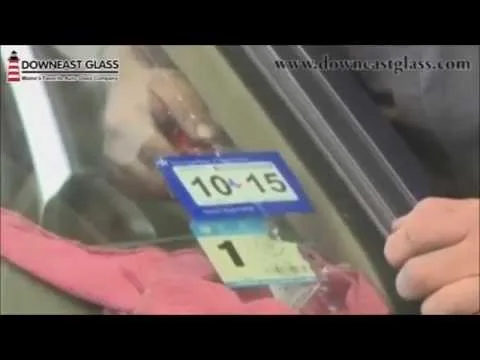
Your inspection sticker is valid for one year from the date of issuance. The decal goes on the lower driver-side corner of your windshield. Don't cover it with sunglasses holders or phone mounts.
Officers can see through the glass, but an obstructed sticker invites a citation.
If your sticker expires, you have a grace period, typically 30 days, to get inspected and renew your registration. After that, you're driving illegally. Plan ahead.
Mark your calendar or set a phone reminder six weeks before expiry.
[ ]
]
YouTube / Downeast Glass and Overhead Door (YouTube thumbnail (fair-use with source credit))
Common Reasons Vehicles Fail (and How to Avoid Them)
Most failures come from simple, fixable issues. You don't need a mechanic to solve most of them. Here are the top offenders:
Burnt-out bulbs, This is the number one failure. Check every light before you go: headlights (high and low beam), taillights, brake lights, turn signals, and reverse lights. Replace any burnt bulbs with the correct type.
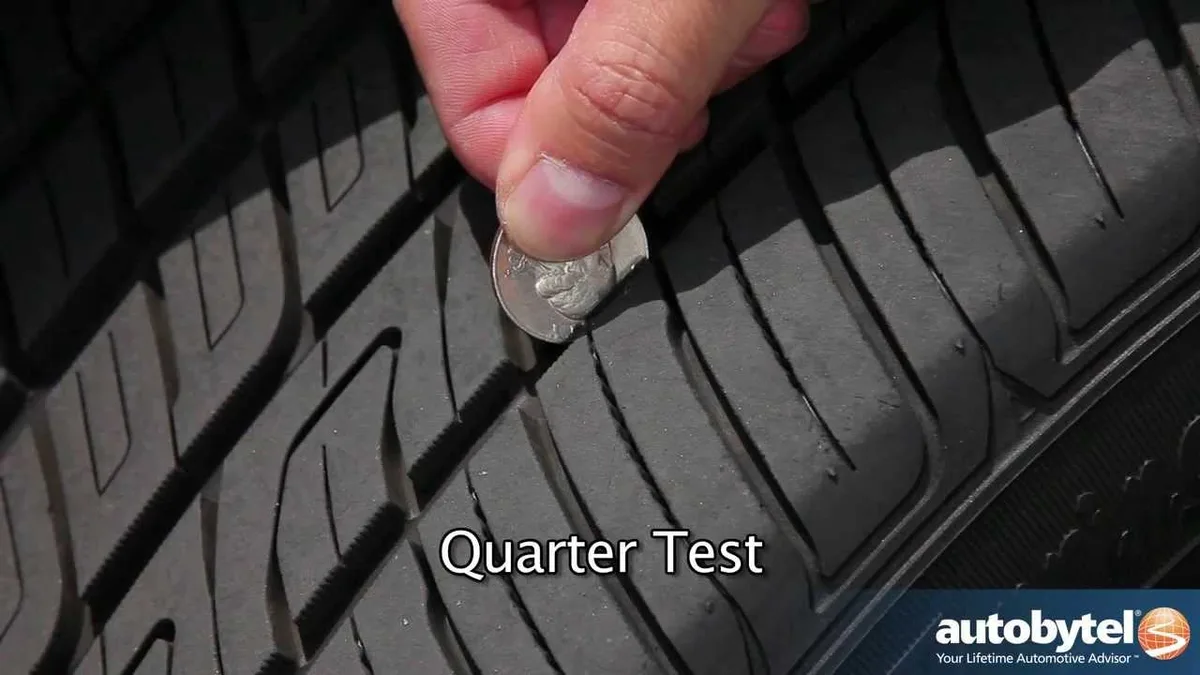
Worn tires, Tires below the legal tread depth fail inspection. The CNMI follows standard U.S. guidelines. If your tread is at or below 2/32 of an inch, you need new tires.
Check your tire's built-in wear bars, they become flush with the tread when replacement is due.
[ ]
]
YouTube / UsedCarsTV (YouTube thumbnail (fair-use with source credit))
Faulty brakes, Worn brake pads, leaking brake lines, or a spongy brake pedal all fail inspection. If your brakes feel soft or your vehicle pulls to one side during braking, get them checked before the inspection.
Windshield damage, Large cracks or chips in the driver's sight area fail inspection. Small stars or edge cracks outside the view cone may pass, but it's worth having a professional assess before you go.
Exhaust system issues, Holes, rust-through, or loud leaks fail inspection. Modified or missing mufflers are also a common fail, similar to issues covered in Michigan muffler exhaust noise laws explained. If you've added aftermarket exhaust parts, make sure they meet stock-equivalent standards.
Seatbelt malfunctions, Buckles that don't latch or belts that won't retract fail inspection. A quick tug test on each belt before you go catches most problems.
To stay ahead of these issues, maintain a regular washing and inspection routine. Using best pH neutral foam cannon soap for streak free car washes helps you spot chips, cracks, and wear early while keeping your vehicle presentable. Just be sure to follow ideal foam cannon soap mixing ratio get thick lasting foam guidelines so you don't waste product or miss spots.
If you frequently wash your vehicle at automated car washes, read are car washes safe for black cars to avoid swirl marks and clear coat damage that can draw unwanted attention during inspection.
Risks and Penalties: Driving Without a Valid Inspection in the CNMI
Driving without a valid inspection sticker carries real consequences. It's not a minor infraction you can shrug off. Law enforcement actively checks for expired decals during traffic stops and routine stops.
The penalties escalate depending on the situation:
- First offense: A citation and a order to get your vehicle inspected within a set timeframe
- Repeated offenses: Fines increase, and your vehicle may be impounded until inspection is completed
- Accidents: If you're involved in a crash without a valid inspection, insurance companies can deny claims, and you face additional legal liability
[ ]
]
YouTube / UK FREEDOM AUDITS (YouTube thumbnail (fair-use with source credit))
Beyond legal risk, there's the practical side. A pulled-over vehicle without inspection means you're stranded while sorting it out. Towing costs more than the inspection fee.
That's a bad trade.
Some drivers think they can game the system by driving only on private property or avoiding police routes. That's a risky assumption. Officers patrol all roads, and reporting systems allow citizens to flag suspicious vehicles.
Don't gamble with it.
If you're struggling to find time for an inspection, remember that many stations offer Saturday hours or walk-in service. Call ahead and schedule a slot. A 20-minute appointment is far less painful than a citation and a tow truck bill.
For drivers interested in staying informed about regional traffic laws that complement inspection awareness, reviewing resources like Maryland move over law rules for emergency vehicles or Maryland handheld driving ban what you need to know builds a broader understanding of how traffic enforcement works across jurisdictions.
Staying current with your inspection is one part of being a responsible vehicle owner. Combined with proper registration, valid insurance, and regular maintenance, it keeps you on the road legally and safely. For more on registration topics, you might also find Maryland emissions testing rules for newer vehicles useful for understanding how different regions approach emissions compliance.
Exemptions and Special Cases: New Cars, Commercial Vehicles, and Out-of-State Transfers
New vehicles get a one-year pass from inspection. The exemption starts from the date of first registration in the CNMI. After that first year, annual inspections kick in like any other vehicle.
Commercial vehicles face stricter scrutiny. Buses, taxis, and delivery trucks undergo more thorough checks. These include additional brake tests, weight ratings, and sometimes emissions verification.
Fleet operators should schedule inspections well in advance to avoid downtime.
Out-of-state transfers need a CNMI inspection before registration. Even if your vehicle passed inspection in another state, it must meet local standards. Bring your out-of-state title, registration, and proof of insurance.
The inspector will verify compliance with CNMI requirements.
Expert Tips for a Smooth Inspection Year After Year
Keep a vehicle maintenance log. Note every oil change, tire rotation, and repair. This helps you track when components might need attention before inspection time.
Check your lights monthly. It takes two minutes and prevents the most common failure. Replace bulbs as soon as they burn out.
Carry spares in your glove box.
Monitor tire pressure and tread. Underinflated tires wear unevenly and fail faster. Use the penny test for tread depth.
Insert a penny head-first into the tread. If you see Lincoln's head, your tires are at replacement level.
When to Get Professional Help (Beyond the Routine Inspection)
Some issues require a mechanic's expertise. If your check engine light is on, get it diagnosed before inspection. Emissions-related codes can cause an automatic fail.
Suspension problems often need professional attention. Clunking noises, uneven tire wear, or a drifting steering wheel signal trouble. A mechanic can align your wheels and replace worn components before inspection.
Brake system repairs are not DIY for most drivers. If your pedal feels soft or your vehicle pulls during braking, visit a shop. Brake failures are immediate inspection fails and serious safety risks.
Frequently Asked Questions
How long does a CNMI vehicle inspection take?
Most inspections take 15 to 30 minutes. Complex vehicles or busy stations may extend this. Arrive early to avoid long waits.
What if my vehicle fails inspection?
You receive a detailed report of required repairs. Fix the issues within 30 days and return for a re-inspection. Re-inspection fees are typically $5 to $15.
Do motorcycles need inspection?
Yes. Motorcycles must pass annual safety inspections. The process checks lights, brakes, tires, and other critical systems.
Can I get inspected at any station?
Yes, but some stations specialize in certain vehicle types. Commercial vehicles may need specific locations. Call ahead to confirm.
What happens if I lose my inspection sticker?
Visit any inspection station with your registration and ID. They can verify your status and issue a replacement sticker for a small fee.
Are there any vehicles exempt from inspection?
New vehicles are exempt for their first year. Some government and military vehicles may have special provisions. Check with the CNMI DPS for specifics.
Final Verdict: Treat It Like Annual Maintenance, Not a Hassle
The CNMI vehicle inspection program is straightforward. It protects you, your passengers, and everyone else on the road. Think of it as a free safety checkup for your vehicle.
Stay current with inspections. Keep your documents organized. Fix issues promptly.
Your vehicle will run safer, and you'll avoid costly fines. The small time investment now saves big trouble later.
Drive safe. Stay compliant. Keep that sticker current.